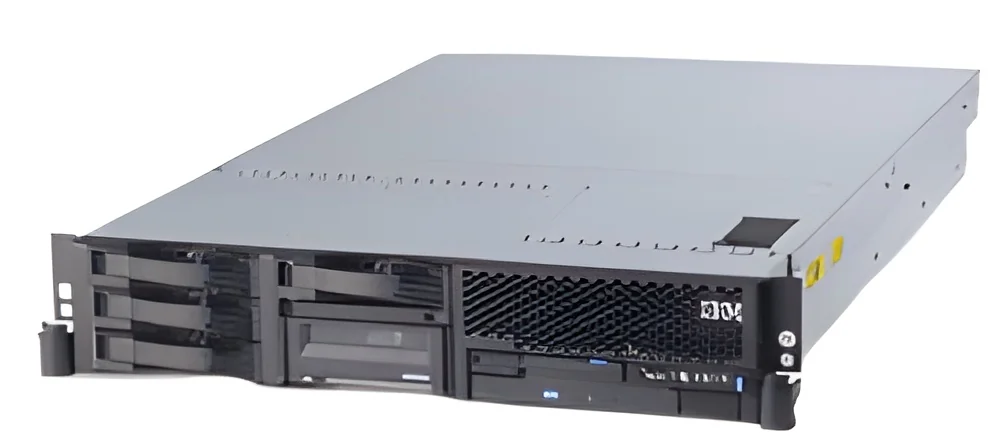
𝗪𝗵𝗮𝘁 𝗮𝗿𝗲 𝗦𝗲𝗿𝘃𝗲𝗿 𝗠𝗼𝗻𝗶𝘁𝗼𝗿𝗶𝗻𝗴 & 𝗠𝗮𝗶𝗻𝘁𝗲𝗻𝗮𝗻𝗰𝗲?
Server monitoring and maintenance refer to the systematic process of overseeing server performance, health, and security in an IT environment. This includes tracking metrics such as uptime, response times, and resource usage. Maintenance involves regular updates, backups, and troubleshooting to ensure servers operate efficiently and securely. Effective server monitoring and maintenance help prevent downtime, data loss, and security breaches.
Businesses utilize server monitoring and maintenance to optimize their IT infrastructure. By proactively managing servers, they can identify potential issues before they escalate into significant problems. This is particularly critical in environments where uptime is essential, such as e-commerce platforms, financial institutions, and healthcare systems. The relevance of these services has grown as companies increasingly rely on digital operations to drive productivity and deliver customer services.
In today's market, server monitoring and maintenance are crucial for businesses of all sizes. With the rise of cloud computing and remote work, organizations are more dependent on their servers than ever. The demand for reliable and efficient server management solutions is evident across various industries, making it a key area of focus for IT departments and service providers.
𝗞𝗲𝘆 𝗙𝗲𝗮𝘁𝘂𝗿𝗲𝘀 𝗮𝗻𝗱 𝗦𝗽𝗲𝗰𝗶𝗳𝗶𝗰𝗮𝘁𝗶𝗼𝗻𝘀
Server monitoring and maintenance solutions come equipped with a variety of features designed to enhance server performance and reliability. These features help organizations maintain optimal server operations while ensuring data integrity.
Key specifications include:
1. Monitoring Features
- Real-time monitoring of server performance
- Alerts for potential issues or breaches
2. Resource Management
- Efficient allocation of CPU, memory, and storage
- Analysis of resource utilization trends over time
3. Security Protocols
- Implementation of firewalls and intrusion detection systems
- Regular security updates and patches
4. Backup Solutions
- Automated backup processes for data protection
- Options for cloud or on-premise storage
5. Reporting Capabilities
- Detailed performance reports and analytics
- Customizable dashboards for easy access to critical metrics
6. Compatibility
- Support for various operating systems and server types
- Integration with existing IT infrastructure
7. User Management
- Role-based access controls for security
- User activity tracking and auditing
8. Compliance Features
- Adherence to industry standards and regulations
- Documentation and reporting for compliance audits
These features provide a comprehensive framework for managing servers effectively, helping organizations to reduce downtime and enhance operational efficiency.
𝗖𝗼𝗺𝗺𝗼𝗻 𝗔𝗽𝗽𝗹𝗶𝗰𝗮𝘁𝗶𝗼𝗻𝘀 𝗮𝗻𝗱 𝗨𝘀𝗲 𝗖𝗮𝘀𝗲𝘀
Server monitoring and maintenance are vital across multiple industries, each with unique applications.
1. E-commerce: Online retailers depend on server reliability to ensure smooth transactions and customer satisfaction. Monitoring helps prevent downtime during peak shopping hours.
2. Financial Services: Banks and financial institutions require constant server availability for transaction processing and data security. Regular maintenance ensures compliance with industry regulations.
3. Healthcare: Hospitals and clinics use server monitoring to safeguard patient data and ensure the availability of critical applications. Maintenance is crucial for compliance with healthcare regulations.
4. Education: Educational institutions rely on servers for online learning platforms and administrative functions. Monitoring helps maintain service quality for students and staff.
5. Manufacturing: Factories utilize servers for operational management and supply chain tracking. Monitoring and maintenance are essential for minimizing disruptions in production.
6. Telecommunications: Telecom companies depend on server performance to deliver uninterrupted services. Regular maintenance helps ensure network reliability and customer satisfaction.
7. Media and Entertainment: Content delivery platforms require robust server management to handle high traffic and streaming demands. Monitoring helps optimize performance and user experience.
𝗣𝗿𝗼𝗱𝘂𝗰𝘁 𝗩𝗮𝗿𝗶𝗮𝗻𝘁𝘀 𝗮𝗻𝗱 𝗦𝘂𝗯𝗰𝗮𝘁𝗲𝗴𝗼𝗿𝗶𝗲𝘀
Server monitoring and maintenance solutions offer various options tailored to specific business needs.
Basic Monitoring Solution
This variant provides essential monitoring features such as uptime tracking and performance alerts. It is suitable for small to medium-sized businesses looking for cost-effective server management.
Advanced Monitoring Solution
Designed for larger enterprises, this solution includes comprehensive analytics, resource management, and security protocols. It supports complex IT infrastructures and enhances overall server reliability.
Cloud-Based Monitoring Solution
Ideal for organizations utilizing cloud services, this variant offers remote monitoring capabilities and seamless integration with cloud platforms. It helps businesses manage their cloud resources efficiently.
Hybrid Monitoring Solution
This option combines on-premise and cloud monitoring features. It suits businesses with mixed IT environments, providing flexibility and comprehensive oversight.
𝗕𝗲𝗻𝗲𝗳𝗶𝘁𝘀 𝗮𝗻𝗱 𝗔𝗱𝘃𝗮𝗻𝘁𝗮𝗴𝗲𝘀
Investing in server monitoring and maintenance brings several advantages to organizations.
1. Increased Uptime: Regular monitoring helps identify issues early, reducing the likelihood of server downtime and ensuring continuous operations.
2. Enhanced Security: Proactive maintenance and monitoring safeguard against cyber threats, protecting sensitive data and maintaining compliance with regulations.
3. Improved Performance: Continuous assessment of server health and resource usage allows for optimization, leading to better application performance and user experience.
4. Cost Savings: By preventing major failures and downtime, businesses can save on repair costs and lost revenue due to service interruptions.
5. Data Integrity: Regular backups and maintenance ensure that critical data is protected and recoverable, minimizing the risk of data loss.
6. Informed Decision-Making: Detailed reporting and analytics provide valuable insights, enabling businesses to make data-driven decisions regarding their IT infrastructure.
𝗕𝘂𝘆𝗶𝗻𝗴 𝗚𝘂𝗶𝗱𝗲 𝗳𝗼𝗿 𝗕𝟮𝗕 𝗕𝘂𝘆𝗲𝗿𝘀
When sourcing server monitoring and maintenance solutions, several factors should be considered to ensure the best fit for your organization.
1. Quality Assessment: Evaluate the quality of monitoring solutions by reviewing performance metrics, customer testimonials, and industry reputation. Look for established providers with proven track records.
2. Supplier Verification: Ensure the supplier has undergone thorough vetting processes. Check for certifications and compliance with industry standards to guarantee reliability and expertise.
3. Pricing and MOQ: Understand the pricing models available and any minimum order quantities (MOQ) that may apply. Compare costs against features to identify the best value for your organization.
4. Delivery and Lead Times: Inquire about the delivery timelines and lead times for implementation. Ensure that the supplier can meet your organization's deadlines and operational needs.
5. Compliance Requirements: Verify that the monitoring solution adheres to relevant regulations and industry standards. This is especially important for businesses in highly regulated sectors.
𝗖𝗼𝗺𝗽𝗹𝗶𝗮𝗻𝗰𝗲 𝗮𝗻𝗱 𝗖𝗲𝗿𝘁𝗶𝗳𝗶𝗰𝗮𝘁𝗶𝗼𝗻𝘀
Server monitoring and maintenance solutions must meet specific quality standards and certifications to ensure reliability and safety.
Quality standards such as ISO 9001 help organizations maintain a consistent level of service and product quality. Compliance with such standards is crucial for building trust with clients.
Industry certifications, like CE, indicate that the product meets European health, safety, and environmental protection standards. This certification is essential for businesses looking to operate in or with partners in Europe.
Safety and testing requirements are critical for ensuring that monitoring solutions can withstand various operational conditions. Regular testing helps identify potential vulnerabilities and improve overall reliability.
Regional compliance considerations may vary, so organizations should be aware of local regulations that could affect server monitoring and maintenance practices. This includes data protection laws and industry-specific requirements.
𝗪𝗵𝘆 𝗦𝗼𝘂𝗿𝗰𝗲 𝗦𝗲𝗿𝘃𝗲𝗿 𝗠𝗼𝗻𝗶𝘁𝗼𝗿𝗶𝗻𝗴 & 𝗠𝗮𝗶𝗻𝘁𝗲𝗻𝗮𝗻𝗰𝗲 𝗳𝗿𝗼𝗺 𝗣𝗲𝗽𝗮𝗴𝗼𝗿𝗮?
Pepagora offers a reliable platform for sourcing server monitoring and maintenance solutions, providing several key advantages for B2B buyers.
Verified Supplier Network: Pepagora ensures that all suppliers are thoroughly vetted for quality and reliability. This gives buyers confidence in the products they source.
Streamlined RFQ Process: The request for quotation (RFQ) system simplifies the procurement process, allowing buyers to easily compare offerings and select the best options for their needs.
Trade Assurance and Support: Pepagora provides buyer protection measures, ensuring that transactions are secure and supported. This enhances the overall purchasing experience and fosters trust.
Regional Coverage: With a strong presence in India, the GCC, and Southeast Asia, Pepagora supports buyers in accessing server monitoring and maintenance solutions that meet regional needs and standards.

 IN
IN