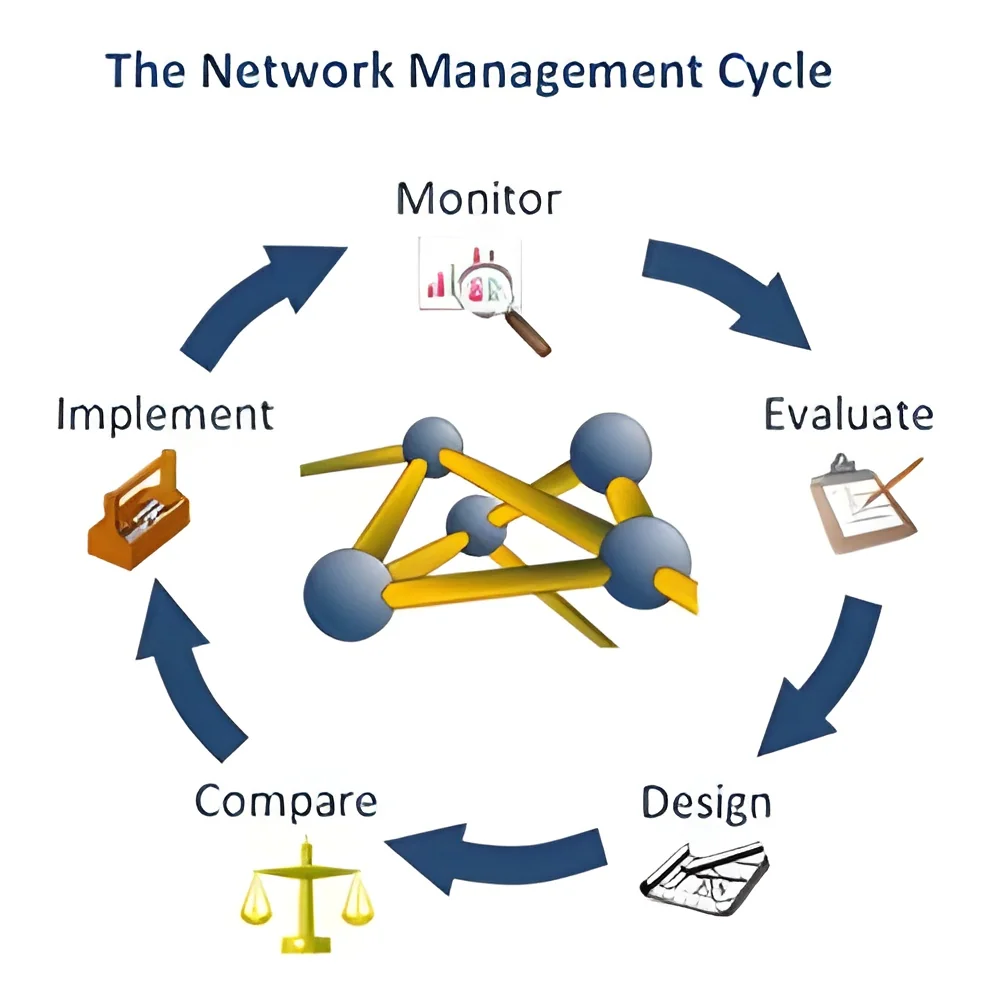
What are IT Infrastructure Management?
IT Infrastructure Management refers to the process of managing and maintaining the essential components of an organization's IT environment. This encompasses hardware, software, networks, and services that are required for the operation and management of IT services. Effective IT infrastructure management ensures that all systems operate efficiently and are aligned with the business needs of an organization.
The primary uses of IT Infrastructure Management include streamlining operations, optimizing resource utilization, ensuring network security, and enhancing overall performance. Businesses leverage IT infrastructure management to maintain seamless operations, minimize downtime, and support business continuity plans. This is critical for organizations that rely heavily on technology to drive their operations and deliver services.
In today's digital landscape, the relevance of IT Infrastructure Management spans various industries. Companies are increasingly focusing on optimizing their IT resources to adapt to market demands. With the rise of cloud computing, big data, and IoT, the market for IT infrastructure management is growing rapidly. Organizations that adopt robust IT management strategies benefit from increased efficiency, improved service delivery, and competitive advantages.
Key Features and Specifications
IT Infrastructure Management solutions come equipped with features that enhance performance and reliability. These features are designed to support various IT functions and ensure comprehensive management of IT assets.
Key specifications include:
1. Monitoring and Reporting Tools
- Continuous monitoring of system performance
- Reporting capabilities for tracking metrics and KPIs
2. Security Features
- Firewalls and intrusion detection systems
- Data encryption and access controls
3. Resource Management
- Tools for managing servers, storage, and networks
- Capacity planning and utilization analysis
4. Backup and Recovery Solutions
- Automated backup processes
- Disaster recovery planning and execution
5. Scalability Options
- Flexible architecture to support growth
- Options for on-premises or cloud deployment
6. Compliance Management
- Tools to ensure adherence to industry regulations
- Auditing features for tracking compliance status
7. Integration Capabilities
- Compatibility with existing IT systems
- APIs for connecting with third-party applications
8. User-Friendly Interfaces
- Intuitive dashboards for easy navigation
- Customizable views for different user roles
In summary, IT Infrastructure Management solutions provide a comprehensive suite of features designed to enhance the efficiency, security, and reliability of IT environments.
Common Applications and Use Cases
IT Infrastructure Management plays a vital role across various sectors, optimizing IT resources and ensuring smooth operations.
1. Healthcare: In healthcare settings, IT infrastructure management supports electronic health records (EHR) systems, ensuring patient data is secure and accessible when needed.
2. Financial Services: Financial institutions rely on robust IT management to handle large volumes of transactions securely while complying with regulatory requirements.
3. Manufacturing: In manufacturing, effective IT infrastructure management streamlines production processes and enhances supply chain visibility.
4. Retail: Retailers utilize IT infrastructure management to manage point-of-sale systems and inventory management, improving customer experience.
5. Education: Educational institutions leverage IT management to support online learning platforms and administrative systems, enhancing educational delivery.
6. Telecommunications: Telecom companies depend on IT infrastructure management to ensure network reliability and optimize service delivery.
7. Government: Government agencies use IT management to secure sensitive data and ensure compliance with various regulations.
Product Variants and Subcategories
While specific subcategories for IT Infrastructure Management are not available, the diversity of IT solutions allows for various implementations tailored to different needs.
Cloud-Based Solutions: These solutions offer scalable infrastructure management services hosted on cloud platforms. They provide flexibility and remote access, making them ideal for organizations with dynamic needs.
On-Premises Solutions: These systems provide organizations with physical control over their IT assets, allowing for tailored configurations. They are suitable for businesses with stringent compliance requirements.
Managed Services: Companies can opt for managed IT infrastructure services, where third-party providers take over the management of IT resources. This allows businesses to focus on their core operations while ensuring effective IT management.
Benefits and Advantages
Investing in IT Infrastructure Management provides numerous benefits that enhance business operations.
1. Improved Efficiency: Streamlined processes and automation reduce manual interventions, leading to increased productivity.
2. Enhanced Security: Robust security protocols protect against data breaches and cyber threats, ensuring the safety of sensitive information.
3. Cost Savings: Effective management leads to optimal resource utilization, reducing operational costs associated with IT.
4. Better Compliance: Comprehensive compliance management tools help businesses adhere to industry regulations, minimizing legal risks.
5. Increased Agility: Organizations can quickly adapt to market changes and scale their IT resources as needed, supporting business growth.
6. Higher Service Availability: Proactive monitoring and management reduce downtime, ensuring that critical services remain available.
Buying Guide for B2B Buyers
When sourcing IT Infrastructure Management solutions, buyers should consider several key factors to ensure they make informed decisions.
1. Quality Assessment: Evaluate the quality of products by reviewing specifications, performance metrics, and customer feedback. Ensure that the solutions meet industry standards for reliability and security.
2. Supplier Verification: Conduct due diligence on potential suppliers by checking their credentials, certifications, and customer reviews. This helps ensure that you are partnering with reputable vendors.
3. Pricing and MOQ: Understand the pricing structures and minimum order quantities (MOQ) required by suppliers. This information is crucial for budgeting and procurement planning.
4. Delivery and Lead Times: Inquire about delivery schedules and lead times to ensure that the solutions can be implemented within the project's timeline.
5. Compliance Requirements: Identify any regulatory compliance requirements specific to your industry. Ensure that the chosen IT infrastructure management solutions meet these standards.
Compliance and Certifications
IT Infrastructure Management solutions must adhere to various quality standards and certifications to ensure they meet industry requirements. ISO 9001 is a widely recognized standard that emphasizes quality management systems. Compliance with this standard assures organizations of consistent quality in their IT services.
In addition to ISO certification, many IT infrastructure management solutions carry the CE mark, indicating compliance with European health, safety, and environmental protection standards. This certification assures buyers that the products meet essential EU requirements.
Safety and testing requirements also play a significant role in ensuring that IT infrastructure management solutions are reliable. Organizations should ensure that their solutions undergo rigorous testing processes to validate performance and compliance.
Regional compliance considerations are also essential, as different regions may have specific regulations governing IT operations. Organizations should be aware of these regulations to ensure adherence and avoid potential legal issues.
Why Source IT Infrastructure Management from Pepagora?
Pepagora offers a trusted platform for sourcing IT Infrastructure Management solutions, providing several key advantages for B2B buyers.
Verified Supplier Network: Pepagora ensures that all suppliers in its network undergo thorough verification processes. This guarantees that buyers can access high-quality products from reputable vendors.
Streamlined RFQ Process: The platform features a user-friendly Request for Quotation (RFQ) system, simplifying the procurement process. Buyers can easily compare quotes and make informed purchasing decisions.
Trade Assurance and Support: Pepagora provides trade assurance, protecting buyers from potential risks associated with transactions. The platform also offers support services to assist with any procurement challenges.
Regional Coverage: With a strong presence in India, the GCC, and Southeast Asia, Pepagora caters to a wide geographical area. This regional coverage allows buyers to source IT infrastructure management solutions that meet local market demands.

 IN
IN