𝗪𝗵𝗮𝘁 𝗮𝗿𝗲 𝗜𝗧 𝗦𝘂𝗽𝗽𝗼𝗿𝘁 & 𝗠𝗮𝗻𝗮𝗴𝗲𝗱 𝗦𝗲𝗿𝘃𝗶𝗰𝗲𝘀?
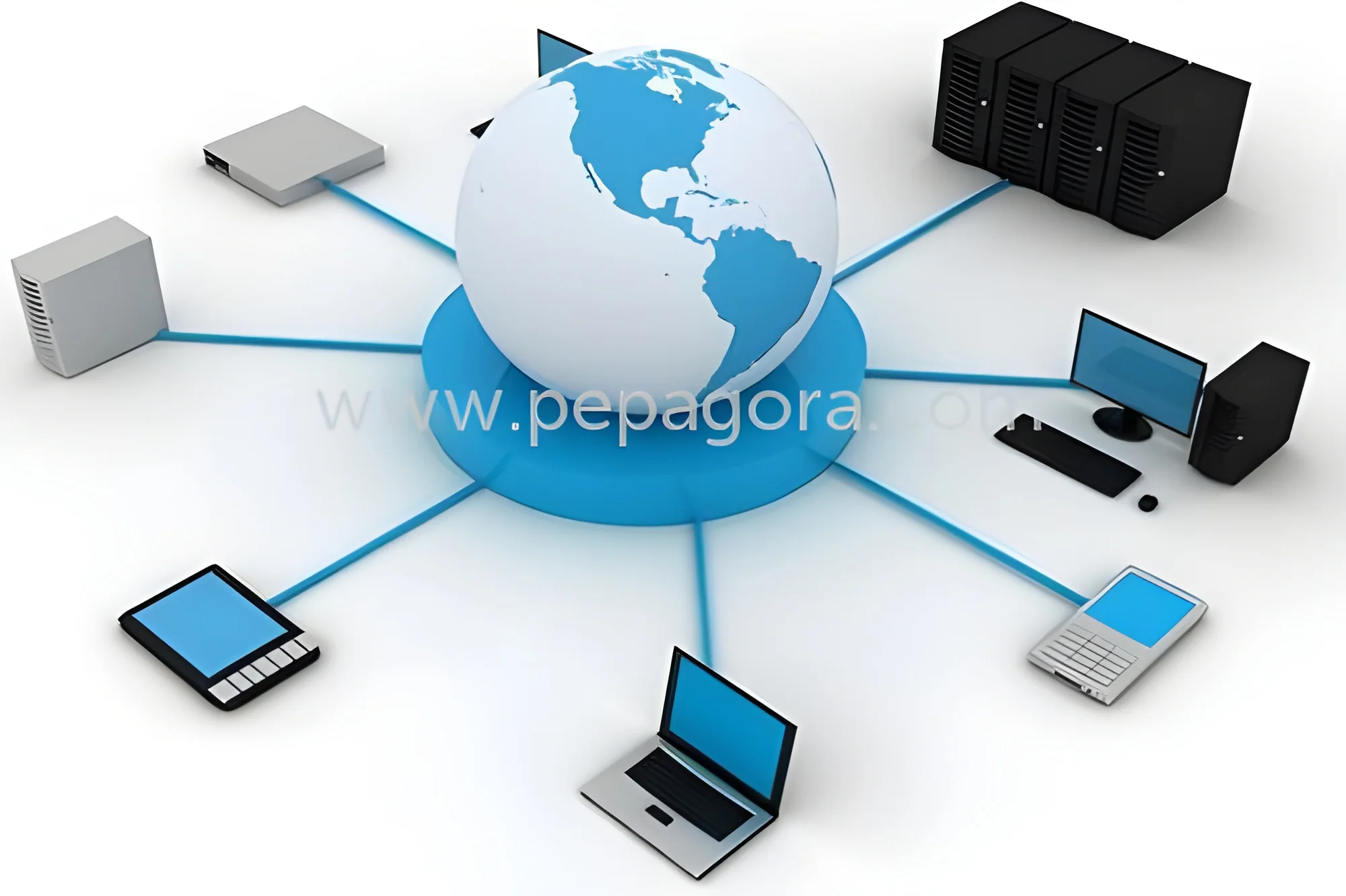
IT Support and Managed Services refer to a broad range of IT-related services that help businesses manage their technology needs effectively. IT Support typically includes troubleshooting issues, maintaining hardware and software, and providing technical assistance to users. Managed Services, on the other hand, involves outsourcing the management of certain IT functions to a third-party provider. This can include everything from network monitoring to data backup and recovery.
These services are essential for businesses of all sizes. They enable organizations to focus on core activities while ensuring that their IT infrastructure operates smoothly. In today’s digital landscape, where technology plays a pivotal role in operations, having reliable IT Support and Managed Services is crucial for maintaining competitive advantage. Businesses can leverage these services to enhance productivity, minimize downtime, and ensure data security.
The relevance of IT Support and Managed Services continues to grow in various industries. As companies increasingly rely on technology, the demand for these services has surged. This has led to a competitive market, with numerous providers offering tailored solutions to meet diverse business needs. Organizations are recognizing the importance of partnering with experienced service providers to stay ahead of technological advancements.
𝗞𝗲𝘆 𝗙𝗲𝗮𝘁𝘂𝗿𝗲𝘀 𝗮𝗻𝗱 𝗦𝗽𝗲𝗰𝗶𝗳𝗶𝗰𝗮𝘁𝗶𝗼𝗻𝘀
IT Support and Managed Services come with a variety of key features and specifications designed to enhance operational efficiency and reliability. Understanding these specifications is essential for businesses looking to invest in such services.
Key specifications include:
1. Network Monitoring
- Continuous monitoring of network performance and security.
- Alerts for potential issues before they escalate.
2. Data Backup and Recovery
- Regular data backups to prevent data loss.
- Quick recovery options to restore data in case of incidents.
3. Technical Support
- 24/7 technical support for immediate assistance.
- Multi-channel support options, including phone, email, and chat.
4. Cloud Services
- Scalable cloud solutions for data storage and applications.
- Enhanced collaboration tools for remote teams.
5. Cybersecurity Solutions
- Implementation of security measures to protect against cyber threats.
- Regular updates and vulnerability assessments.
6. Compliance Management
- Ensuring adherence to industry regulations and standards.
- Regular audits and assessments for compliance readiness.
7. IT Consulting
- Strategic IT planning and advice tailored to business needs.
- Recommendations for technology upgrades and innovations.
In summary, the key specifications of IT Support and Managed Services are designed to meet the evolving needs of businesses. By choosing the right features, organizations can enhance their operational efficiency and safeguard their technological investments.
𝗖𝗼𝗺𝗺𝗼𝗻 𝗔𝗽𝗽𝗹𝗶𝗰𝗮𝘁𝗶𝗼𝗻𝘀 𝗮𝗻𝗱 𝗨𝘀𝗲 𝗖𝗮𝘀𝗲𝘀
IT Support and Managed Services have a wide range of applications across various industries. These services ensure that organizations can effectively manage their technology requirements while focusing on their primary business objectives.
1. Healthcare: IT Support is vital for managing patient data, ensuring compliance with regulations, and maintaining the security of sensitive information.
2. Finance: Financial institutions rely on managed services for secure transaction processing, data analytics, and compliance with financial regulations.
3. Manufacturing: IT services are essential for maintaining production systems, managing supply chain technology, and optimizing operational efficiency.
4. Retail: Retailers utilize managed services to manage inventory systems, enhance customer experiences, and streamline point-of-sale technologies.
5. Education: Educational institutions benefit from IT support for managing online learning platforms, student data systems, and ensuring cybersecurity.
6. Hospitality: Hotels and restaurants use these services to manage booking systems, customer relationship management, and operational technology.
7. Real Estate: Real estate firms rely on IT support for managing property listings, client databases, and virtual tour technologies.
In conclusion, IT Support and Managed Services are integral to various industries, helping organizations to streamline operations and improve service delivery.
𝗣𝗿𝗼𝗱𝘂𝗰𝘁 𝗩𝗮𝗿𝗶𝗮𝗻𝘁𝘀 𝗮𝗻𝗱 𝗦𝘂𝗯𝗰𝗮𝘁𝗲𝗴𝗼𝗿𝗶𝗲𝘀
Although there are no specific subcategories for IT Support and Managed Services, the diversity of services offered can cater to different business needs.
Remote IT Support
This variant provides assistance to users and systems remotely, allowing for quick troubleshooting and problem resolution without the need for on-site visits.
Onsite IT Support
Onsite IT Support involves technicians visiting a business location to resolve technical issues, set up new systems, or provide hands-on training.
Managed IT Services
Managed IT Services encompass a comprehensive package of IT solutions, including monitoring, maintenance, and support tailored to an organization’s specific needs.
Consulting Services
Consulting services focus on advising businesses on their IT strategy, helping them make informed decisions about technology investments and upgrades.
𝗕𝗲𝗻𝗲𝗳𝗶𝘁𝘀 𝗮𝗻𝗱 𝗔𝗱𝘃𝗮𝗻𝘁𝗮𝗴𝗲𝘀
Investing in IT Support and Managed Services offers several benefits that can significantly enhance business operations.
Key benefits include:
1. Cost Efficiency: Outsourcing IT functions can reduce operational costs by eliminating the need for in-house staff and infrastructure.
2. Access to Expertise: Businesses gain access to skilled professionals with expertise in various IT fields, ensuring high-quality service.
3. Enhanced Security: Managed services often include cybersecurity measures, protecting businesses from potential threats and data breaches.
4. Scalability: IT services can be scaled according to business needs, allowing organizations to adapt to changing demands without significant investments.
5. Increased Productivity: With reliable IT support, employees can focus on their core tasks without being hindered by technical issues.
6. Proactive Maintenance: Regular monitoring and maintenance help prevent issues before they occur, reducing downtime and improving efficiency.
In summary, the advantages of IT Support and Managed Services can lead to improved operational performance and strategic growth for businesses.
𝗕𝘂𝘆𝗶𝗻𝗴 𝗚𝘂𝗶𝗱𝗲 𝗳𝗼𝗿 𝗕𝟮𝗕 𝗕𝘂𝘆𝗲𝗿𝘀
When sourcing IT Support and Managed Services, it is crucial to consider various factors to ensure you choose the right provider for your needs.
1. Quality Assessment: Evaluate the quality of services offered by reviewing provider credentials, customer testimonials, and case studies.
2. Supplier Verification: Conduct thorough vetting of potential suppliers, ensuring they have a proven track record and relevant industry experience.
3. Pricing and MOQ: Understand the pricing structure and any minimum order quantities. Compare multiple quotes to ensure competitive pricing.
4. Delivery and Lead Times: Inquire about service delivery timelines and ensure they align with your business needs.
5. Compliance Requirements: Verify that the provider adheres to relevant compliance standards and regulations pertinent to your industry.
𝗖𝗼𝗺𝗽𝗹𝗶𝗮𝗻𝗰𝗲 𝗮𝗻𝗱 𝗖𝗲𝗿𝘁𝗶𝗳𝗶𝗰𝗮𝘁𝗶𝗼𝗻𝘀
Compliance and certifications play a crucial role in the IT Support and Managed Services sector. Providers must adhere to various quality standards to ensure reliable service delivery.
Relevant quality standards include ISO 9001, which focuses on quality management systems. This standard ensures that providers consistently meet customer and regulatory requirements.
Additionally, certifications such as CE signify compliance with European safety, health, and environmental protection standards. These certifications reflect a commitment to quality and safety in service provision.
Providers should also meet safety and testing requirements specific to their services, ensuring that they operate within legal and industry standards. Regional compliance considerations may vary, so it is essential to choose a provider familiar with the regulations in your area.
𝗪𝗵𝘆 𝗦𝗼𝘂𝗿𝗰𝗲 𝗜𝗧 𝗦𝘂𝗽𝗽𝗼𝗿𝘁 & 𝗠𝗮𝗻𝗮𝗴𝗲𝗱 𝗦𝗲𝗿𝘃𝗶𝗰𝗲𝘀 𝗳𝗿𝗼𝗺 𝗣𝗲𝗽𝗮𝗴𝗼𝗿𝗮?
Pepagora provides a trusted platform for sourcing IT Support and Managed Services, offering several key advantages to businesses.
Verified Supplier Network: Pepagora has a robust network of verified suppliers, ensuring that businesses can find reliable and experienced service providers. The vetting process guarantees that only qualified professionals are listed on the platform.
Streamlined RFQ Process: The platform simplifies the request for quotation process, allowing businesses to easily compare offerings from multiple suppliers. This saves time and helps in making informed decisions.
Trade Assurance and Support: Pepagora offers trade assurance, providing buyers with protection and support throughout the sourcing process. This ensures that businesses can confidently engage with suppliers.
Regional Coverage: With a presence in India, the GCC, and Southeast Asia, Pepagora ensures that businesses can access IT Support and Managed Services tailored to their regional needs. This broad geographic reach enhances the ability to connect with local and international suppliers.
In conclusion, Pepagora stands out as a reliable platform for sourcing IT Support and Managed Services, providing businesses with the necessary tools and resources to make informed decisions and enhance their operational efficiency.

 IN
IN