𝗪𝗵𝗮𝘁 𝗮𝗿𝗲 𝗦𝗲𝗹𝗳 𝗖𝗵𝗲𝗰𝗸𝗼𝘂𝘁 𝗞𝗶𝗼𝘀𝗸𝘀 𝗳𝗼𝗿 𝗙𝗮𝘀𝗵𝗶𝗼𝗻 𝗦𝘁𝗼𝗿𝗲𝘀?
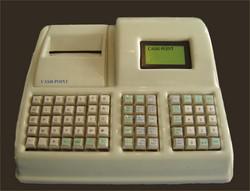
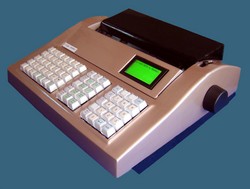
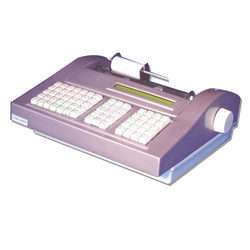
Self checkout kiosks for fashion stores are automated systems that allow customers to scan and pay for their purchases without the need for human cashiers. These kiosks are typically equipped with a touchscreen interface, barcode scanner, and payment processing capabilities. They streamline the checkout process, enabling quicker transactions and reducing wait times.
The primary use of self checkout kiosks in fashion stores is to enhance customer experience by providing a convenient and efficient way to complete purchases. These kiosks can handle multiple payment methods, including credit and debit cards, mobile payments, and cash. They are particularly beneficial during peak shopping hours, helping to manage customer flow while minimizing staffing costs.
In the current retail landscape, the relevance of self checkout kiosks is growing. With consumers increasingly favoring convenience and speed, fashion retailers are adopting these technologies to remain competitive. The market for self checkout solutions is expanding as more businesses recognize the advantages of automation in improving operational efficiency and customer satisfaction.
𝗞𝗲𝘆 𝗙𝗲𝗮𝘁𝘂𝗿𝗲𝘀 𝗮𝗻𝗱 𝗦𝗽𝗲𝗰𝗶𝗳𝗶𝗰𝗮𝘁𝗶𝗼𝗻𝘀
Self checkout kiosks come with various features and specifications that cater to the needs of fashion retailers. These features enhance usability, security, and integration with existing systems.
Key specifications include:
1. User Interface
- High-resolution touchscreen for easy navigation
- Customizable interface for branding
2. Payment Processing
- Supports multiple payment methods including cards and mobile wallets
- Secure payment gateway to protect customer data
3. Barcode Scanning
- Integrated barcode scanner for quick item identification
- High-speed scanning capability to reduce customer wait times
4. Size and Dimensions
- Compact designs suitable for retail spaces
- Ergonomic height for user-friendly access
5. Connectivity
- Wi-Fi and Ethernet capabilities for real-time data updates
- Integration with inventory management systems
6. Security Features
- Encrypted transactions to safeguard customer information
- Built-in cameras for theft prevention
7. Maintenance Alerts
- Automated notifications for servicing and repairs
- User-friendly maintenance interface
8. Customization Options
- Ability to customize appearance and features based on store branding
- Modular designs for future upgrades
Self checkout kiosks enhance the shopping experience while providing retailers with efficient transaction solutions.
𝗖𝗼𝗺𝗺𝗼𝗻 𝗔𝗽𝗽𝗹𝗶𝗰𝗮𝘁𝗶𝗼𝗻𝘀 𝗮𝗻𝗱 𝗨𝘀𝗲 𝗖𝗮𝘀𝗲𝘀
Self checkout kiosks find applications across various industries, particularly in retail environments.
1. Fashion Retail: Fashion stores use these kiosks to enable customers to checkout quickly, reducing lines during busy hours and enhancing the overall shopping experience.
2. Department Stores: Larger department stores leverage self checkout kiosks to manage high volumes of transactions efficiently, allowing customers to handle multiple items with ease.
3. Grocery Stores: These kiosks facilitate quick purchases for customers buying clothing items alongside groceries, streamlining the checkout process.
4. Specialty Shops: Stores with niche products can use kiosks to offer tailored checkout experiences, allowing for personalized service while maintaining efficiency.
5. E-Commerce Fulfillment Centers: Retailers that operate online can use kiosks for in-store pickups, allowing customers to quickly collect their orders without lengthy wait times.
6. Pop-Up Shops: Temporary retail spaces benefit from self checkout kiosks by reducing the need for extensive staffing, making it easier to manage sales during limited-time events.
7. Sporting Goods Stores: These kiosks help manage transactions for apparel and equipment, promoting a quicker shopping experience for customers.
𝗣𝗿𝗼𝗱𝘂𝗰𝘁 𝗩𝗮𝗿𝗶𝗮𝗻𝘁𝘀 𝗮𝗻𝗱 𝗦𝘂𝗯𝗰𝗮𝘁𝗲𝗴𝗼𝗿𝗶𝗲𝘀
Self checkout kiosks come in various configurations to meet the diverse needs of fashion retailers.
Standard Model
This model is designed for typical retail environments and features a user-friendly interface, high-speed scanner, and secure payment processing. It is ideal for fashion retailers that prioritize efficiency and customer service.
Compact Model
The compact model is designed for smaller retail spaces. It offers essential features while taking up less floor space. This variant is perfect for boutiques that need to optimize their checkout area.
High-End Model
This version includes advanced features such as facial recognition and AI-driven analytics for personalized customer experiences. It is suited for luxury fashion retailers looking to enhance their brand image and customer engagement.
𝗕𝗲𝗻𝗲𝗳𝗶𝘁𝘀 𝗮𝗻𝗱 𝗔𝗱𝘃𝗮𝗻𝘁𝗮𝗴𝗲𝘀
Self checkout kiosks provide numerous benefits for fashion retailers aiming to improve operational efficiency and customer satisfaction.
Key benefits include:
1. Enhanced Customer Experience: Kiosks reduce wait times and allow customers to complete transactions at their convenience.
2. Cost Savings: Automating the checkout process can lower labor costs and reduce the need for additional staff during peak hours.
3. Increased Sales Opportunities: With quicker transactions, retailers can handle more customers in less time, potentially increasing overall sales volume.
4. Improved Inventory Management: Integration with inventory systems allows for real-time tracking of stock levels, helping retailers manage their inventory more effectively.
5. Customizable Branding: Retailers can tailor the kiosk interface to reflect their brand identity, enhancing customer engagement.
6. Data Collection: Kiosks can gather customer data for insights into shopping behavior, helping retailers make informed business decisions.
𝗕𝘂𝘆𝗶𝗻𝗴 𝗚𝘂𝗶𝗱𝗲 𝗳𝗼𝗿 𝗕𝟮𝗕 𝗕𝘂𝘆𝗲𝗿𝘀
When sourcing self checkout kiosks for fashion stores, it is essential to consider several factors to ensure a suitable purchase.
1. Quality Assessment: Evaluate the quality of materials and construction. Look for durable kiosks that can withstand frequent use in a retail environment.
2. Supplier Verification: Vet suppliers by checking their history, customer reviews, and certifications. A reliable supplier will ensure you receive high-quality products.
3. Pricing and MOQ: Understand the pricing structure and minimum order quantities. Compare quotes from multiple suppliers to find a competitive price.
4. Delivery and Lead Times: Inquire about delivery schedules and lead times. Ensure that the supplier can meet your timeline for installation.
5. Compliance Requirements: Check for compliance with local regulations and standards, such as safety certifications. This will ensure that the kiosks meet necessary legal requirements.
𝗖𝗼𝗺𝗽𝗹𝗶𝗮𝗻𝗰𝗲 𝗮𝗻𝗱 𝗖𝗲𝗿𝘁𝗶𝗳𝗶𝗰𝗮𝘁𝗶𝗼𝗻𝘀
Self checkout kiosks must adhere to various compliance standards and certifications to ensure safety and efficiency.
Relevant quality standards include ISO 9001, which focuses on quality management systems to enhance customer satisfaction and product consistency. This certification indicates that the manufacturer meets international standards for quality.
In addition, industry certifications such as CE mark demonstrate compliance with European health, safety, and environmental protection standards. This certification assures buyers that the product meets essential safety requirements.
Safety and testing requirements are critical for self checkout kiosks, especially regarding electrical components and user interface interactions. Regular testing ensures that kiosks are safe for public use and function as intended.
Regional compliance considerations may vary based on local laws and regulations. It is essential for retailers to confirm that the kiosks they purchase meet the specific compliance requirements of their operating region.
𝗪𝗵𝘆 𝗦𝗼𝘂𝗿𝗰𝗲 𝗦𝗲𝗹𝗳 𝗖𝗵𝗲𝗰𝗸𝗼𝘂𝘁 𝗞𝗶𝗼𝘀𝗸𝘀 𝗳𝗼𝗿 𝗙𝗮𝘀𝗵𝗶𝗼𝗻 𝗦𝘁𝗼𝗿𝗲𝘀 𝗳𝗿𝗼𝗺 𝗣𝗲𝗽𝗮𝗴𝗼𝗿𝗮?
Pepagora offers a reliable platform for sourcing self checkout kiosks for fashion stores, providing several key advantages for B2B buyers.
Verified Supplier Network: Pepagora connects buyers with a network of verified suppliers, ensuring that all vendors meet stringent quality and reliability standards. This helps buyers make informed decisions when selecting their partners.
Streamlined RFQ Process: The platform features a streamlined Request for Quotation (RFQ) process, simplifying the way buyers can request and receive quotes from multiple suppliers. This enhances the efficiency of sourcing efforts.
Trade Assurance and Support: Pepagora provides trade assurance and support to protect buyers throughout the purchasing process. This includes assistance with negotiations and dispute resolution, ensuring a secure transaction.
Regional Coverage: With a strong presence in India, the GCC, and Southeast Asia, Pepagora facilitates access to a wide range of suppliers, making it easier for retailers in these regions to find suitable self checkout solutions for their stores.

 IN
IN

 India
India