
 IN
Fashion Retail POS Systems
47 products available
𝗪𝗵𝗮𝘁 𝗮𝗿𝗲 𝗙𝗮𝘀𝗵𝗶𝗼𝗻 𝗥𝗲𝘁𝗮𝗶𝗹 𝗣𝗢𝗦 𝗦𝘆𝘀𝘁𝗲𝗺𝘀?
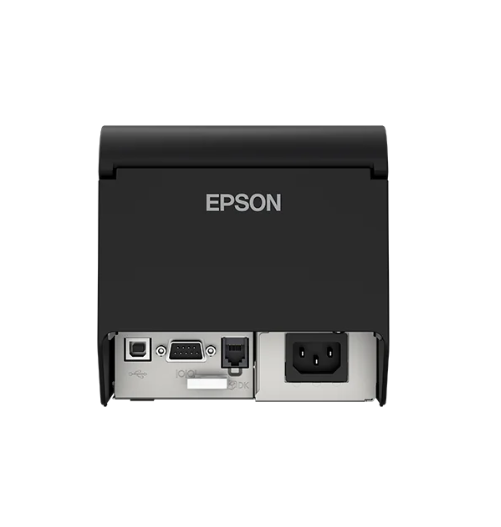
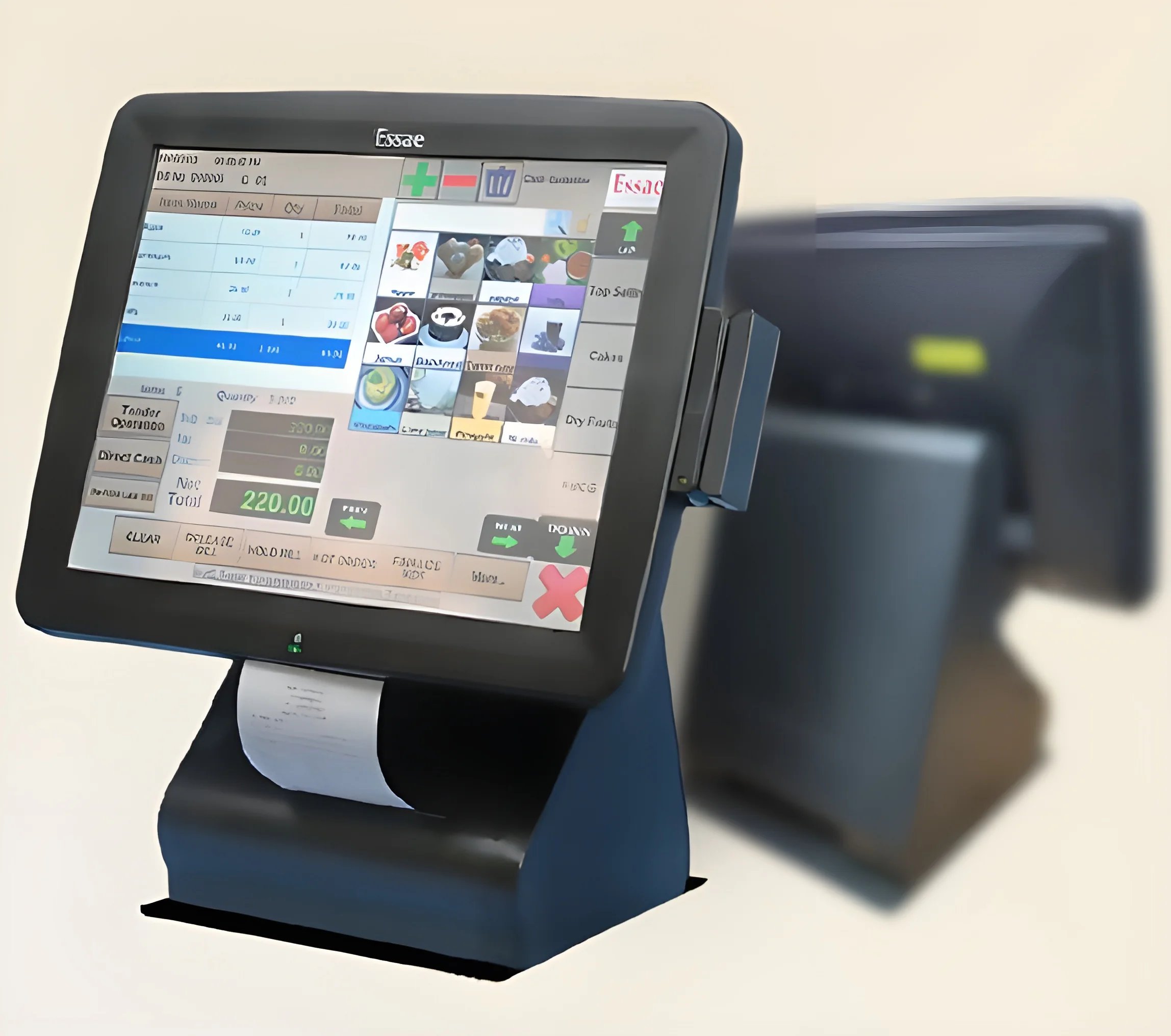
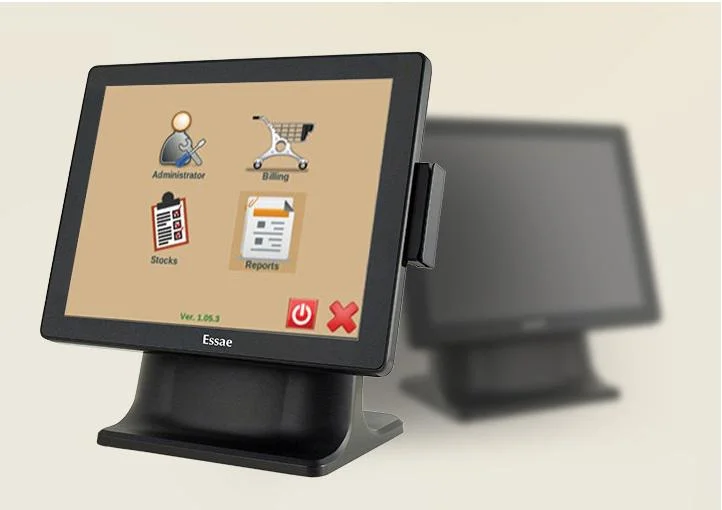
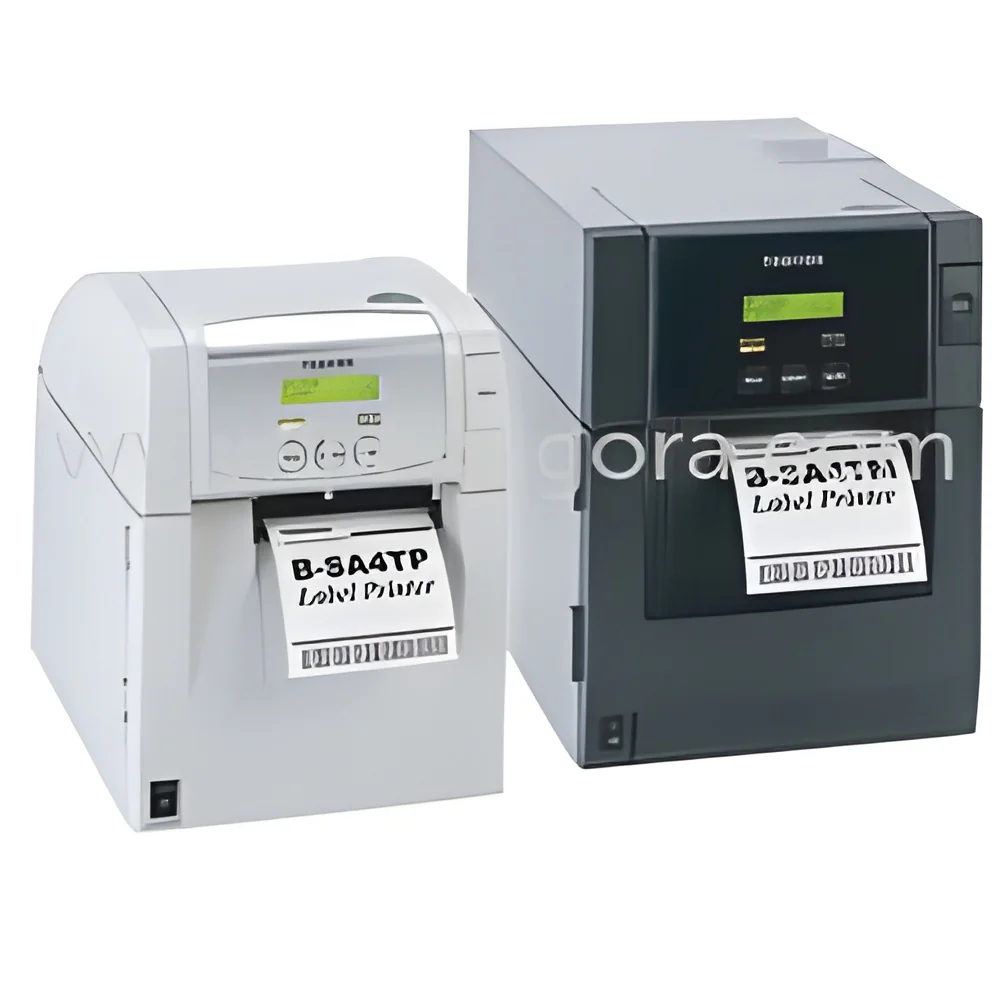
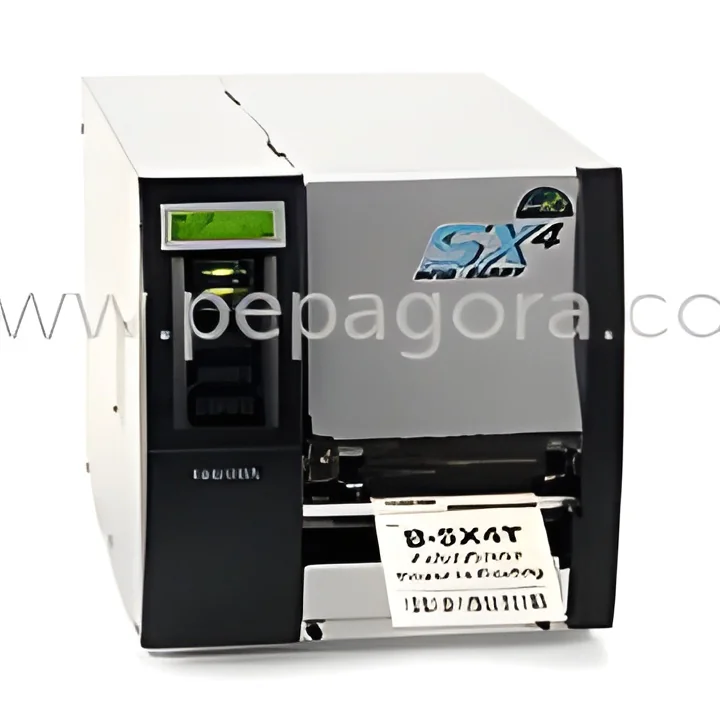
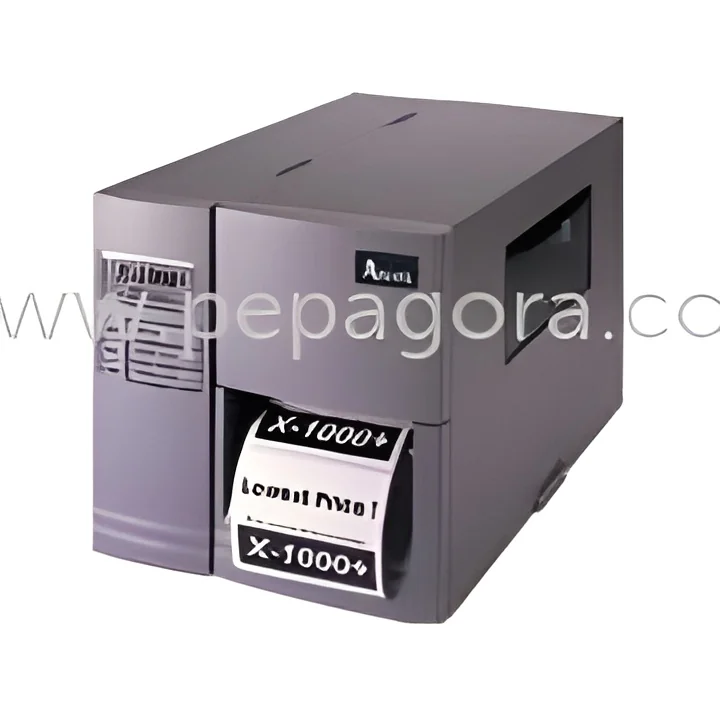
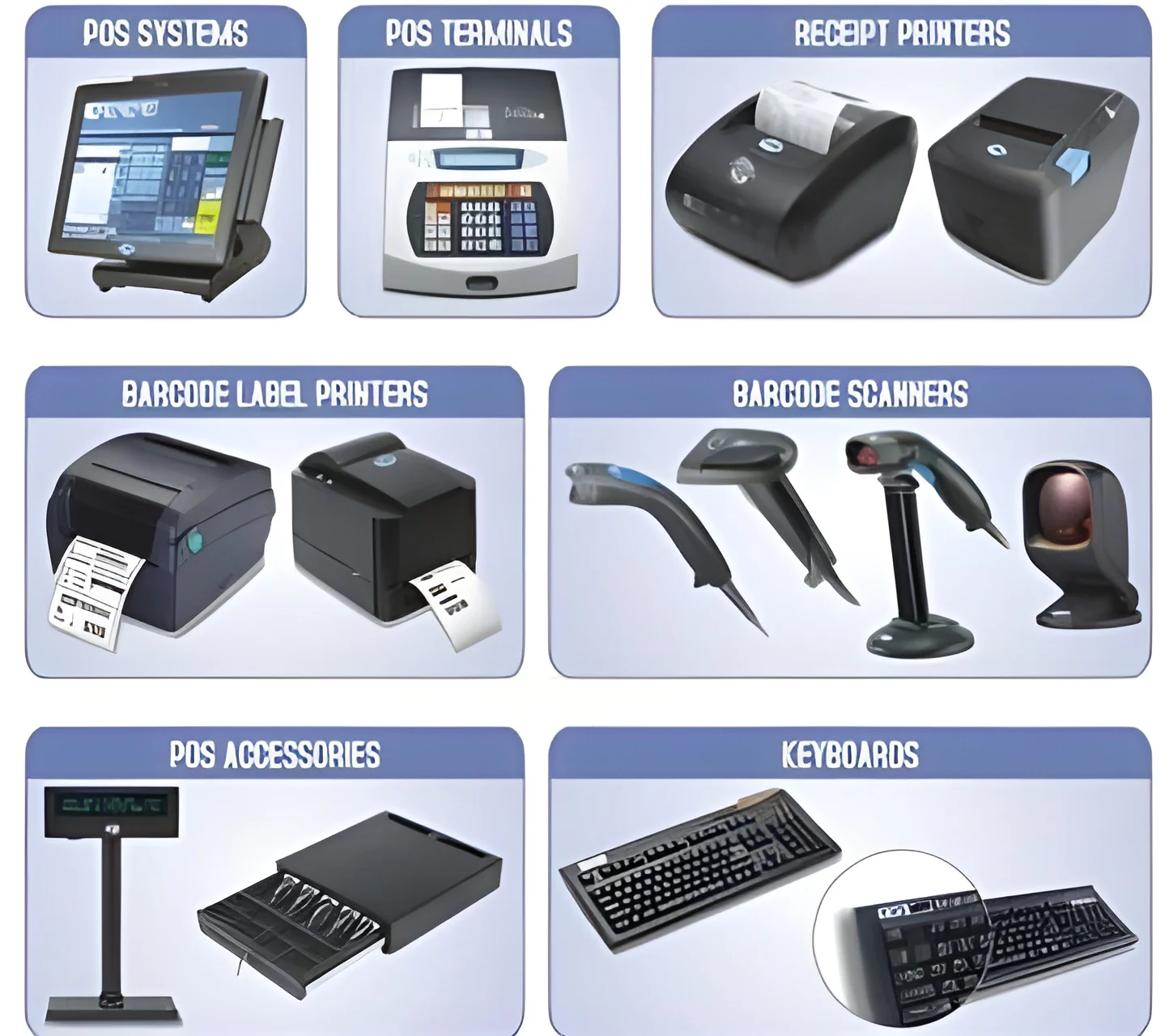
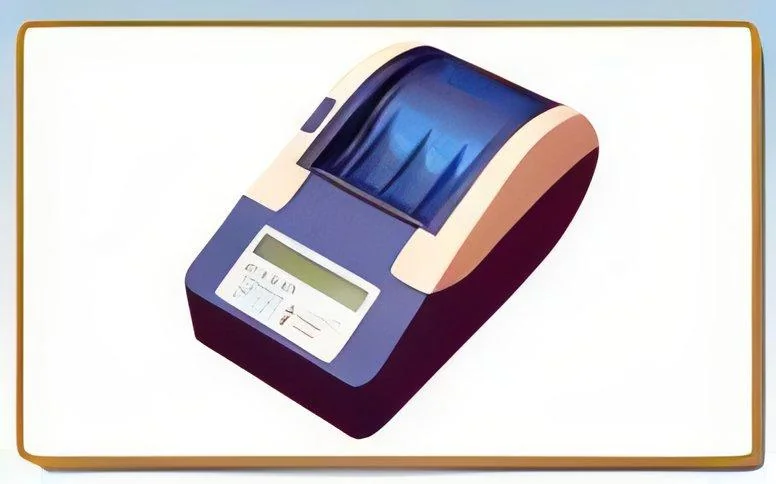
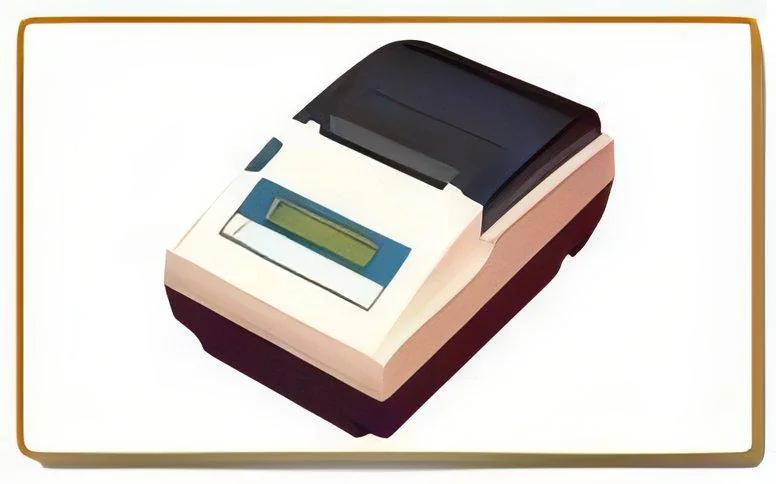
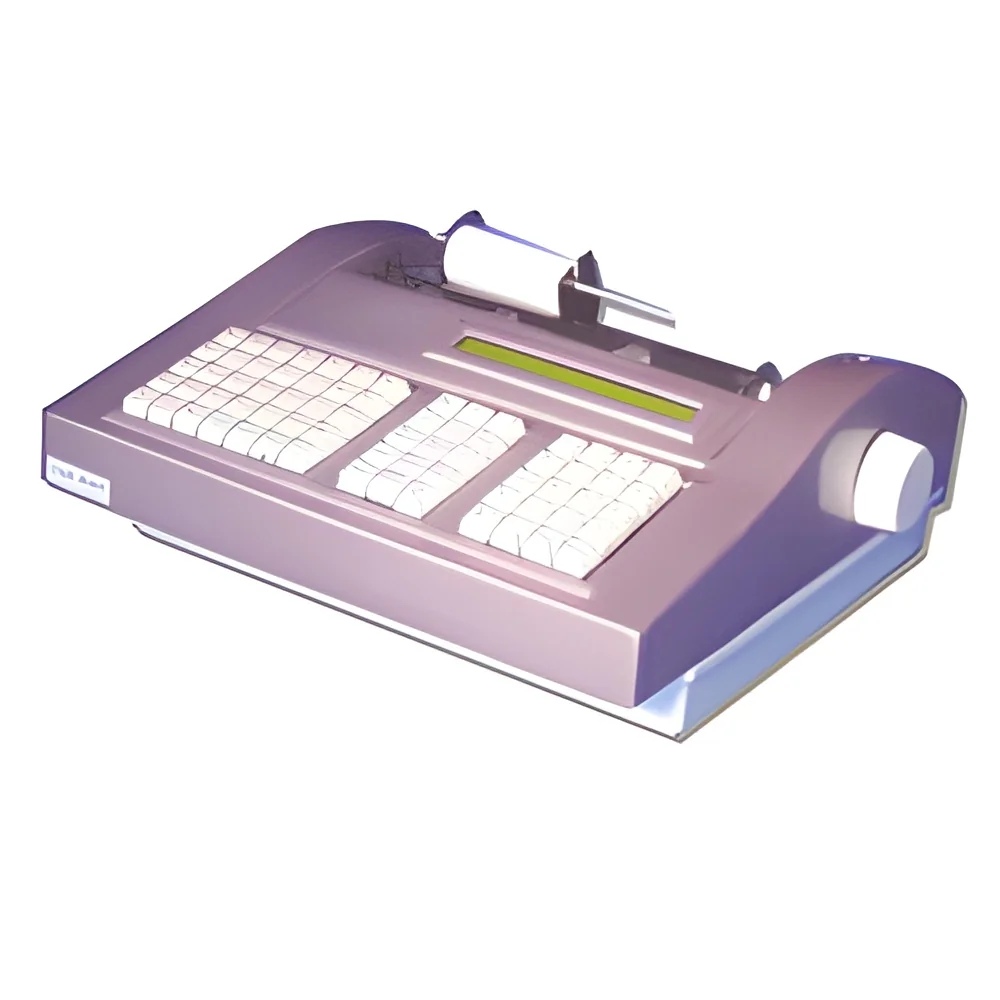
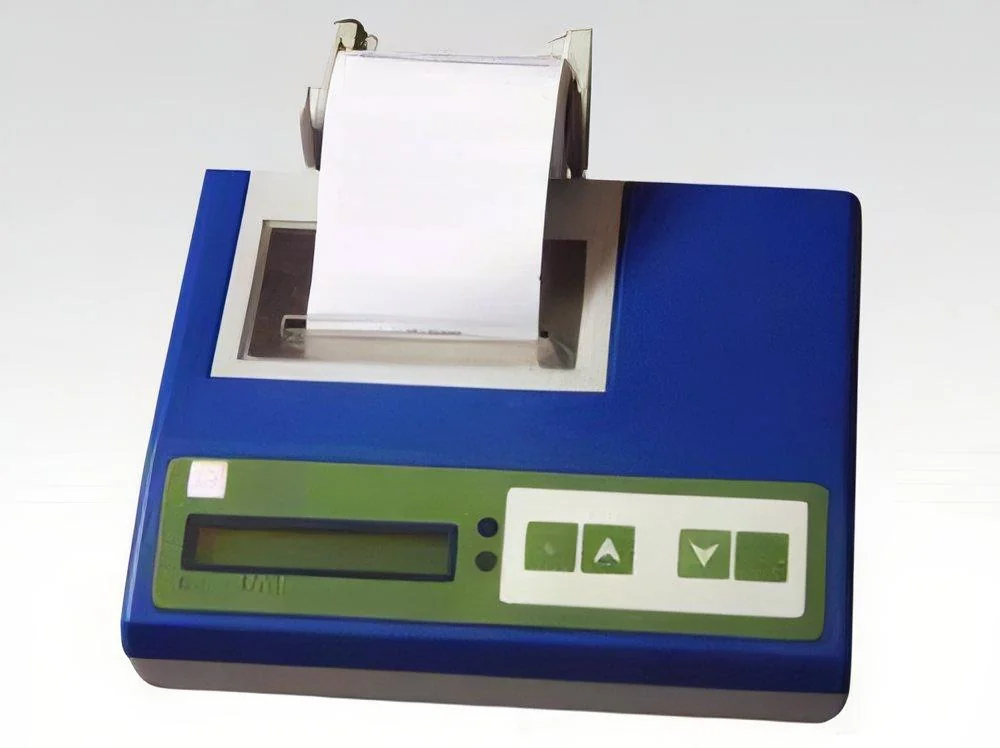
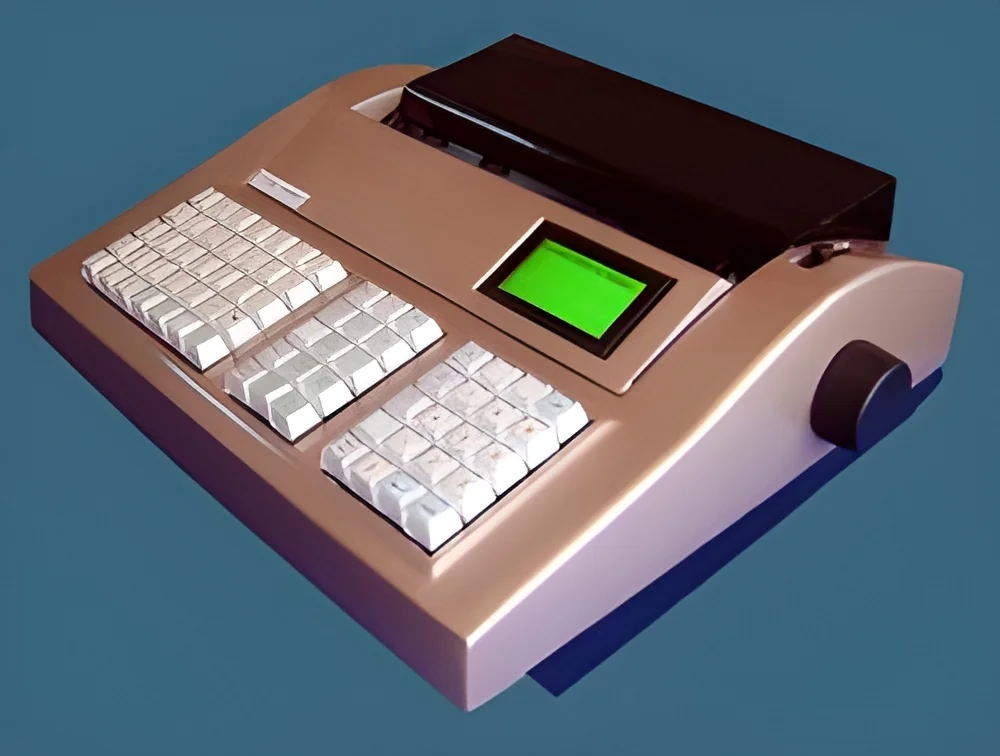
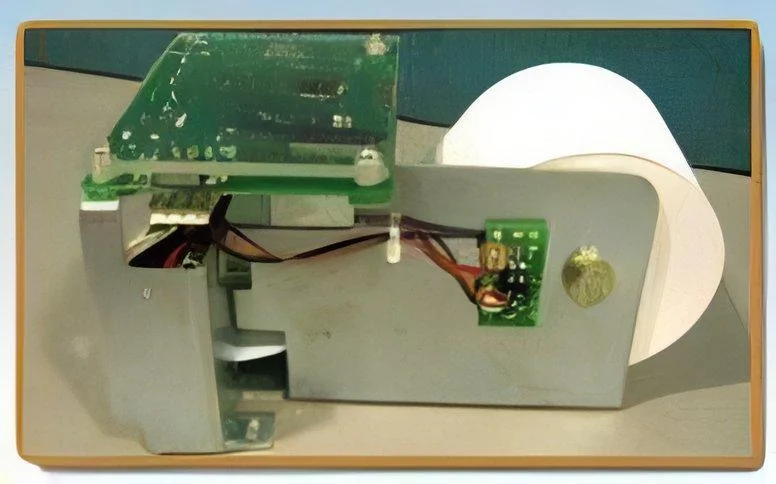
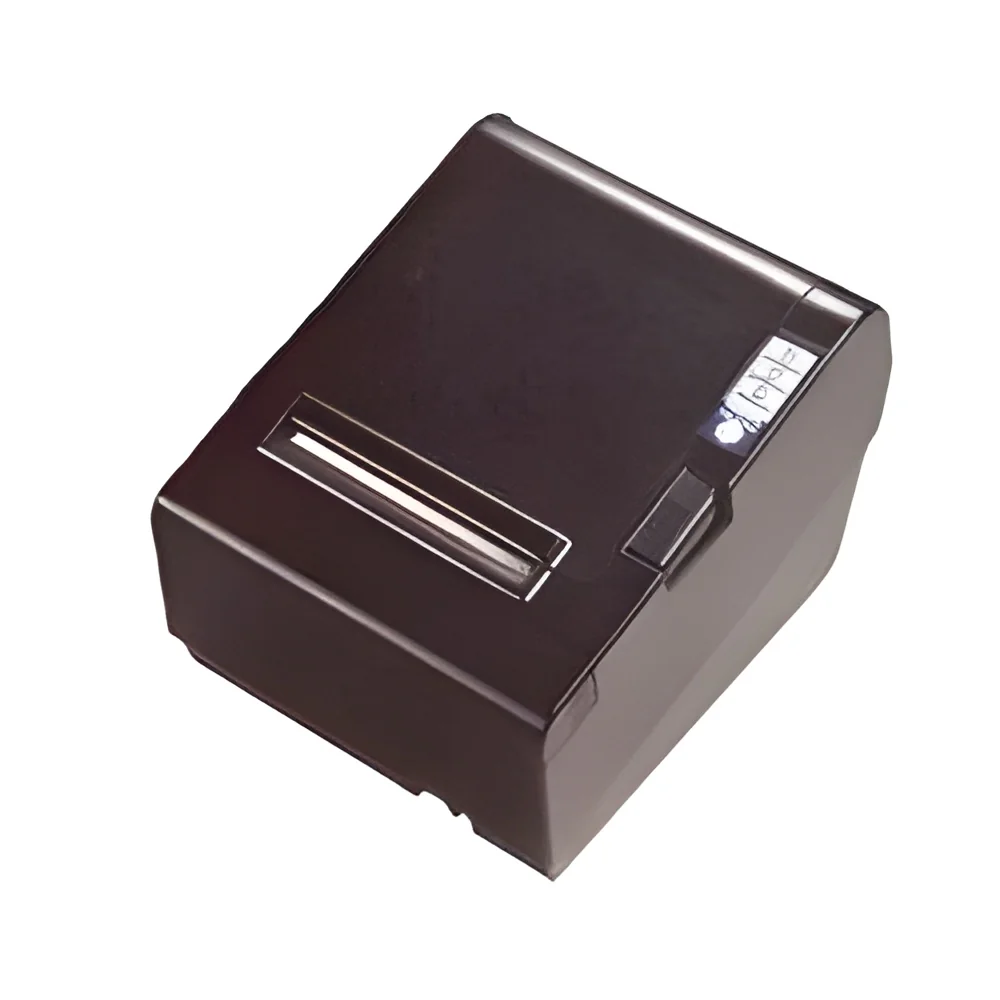
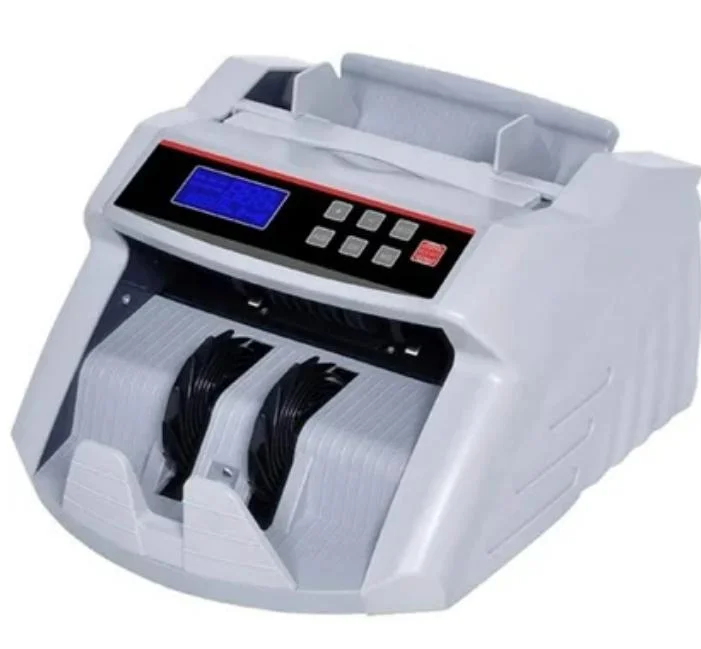
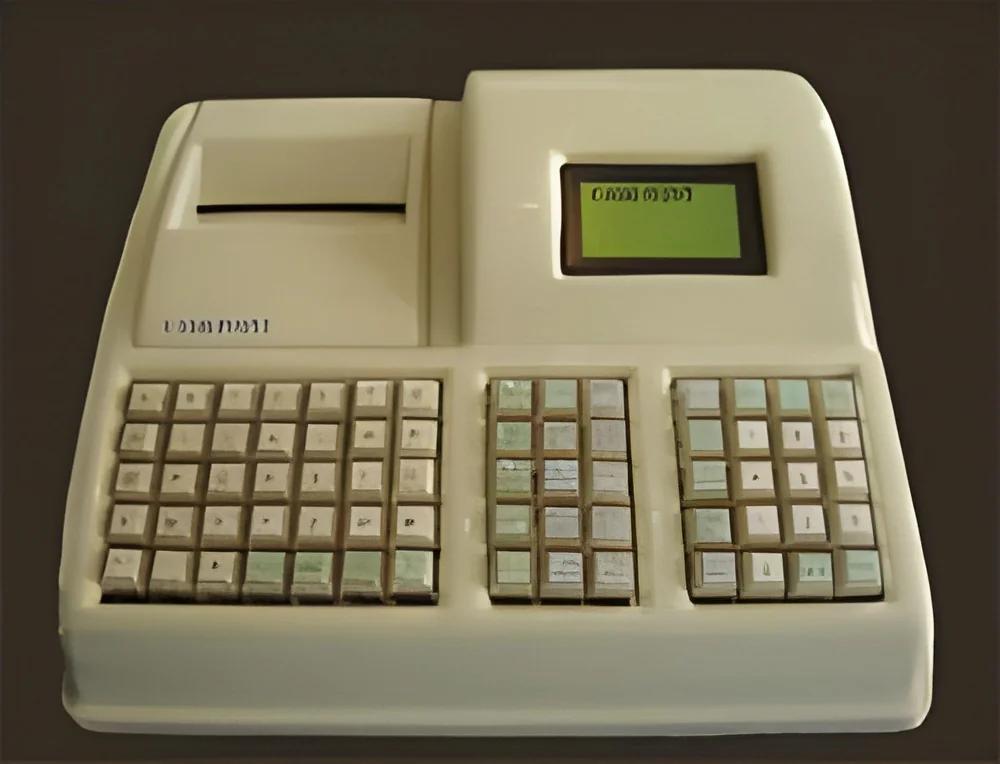
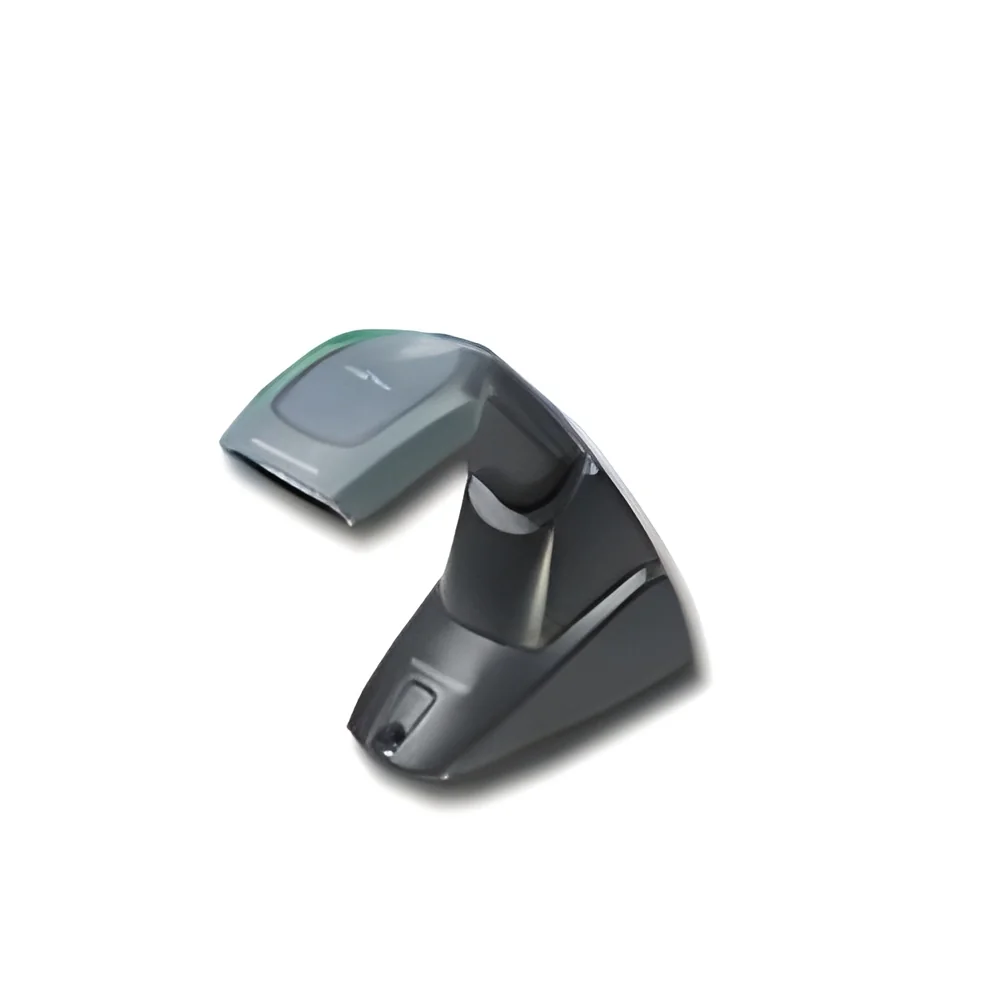
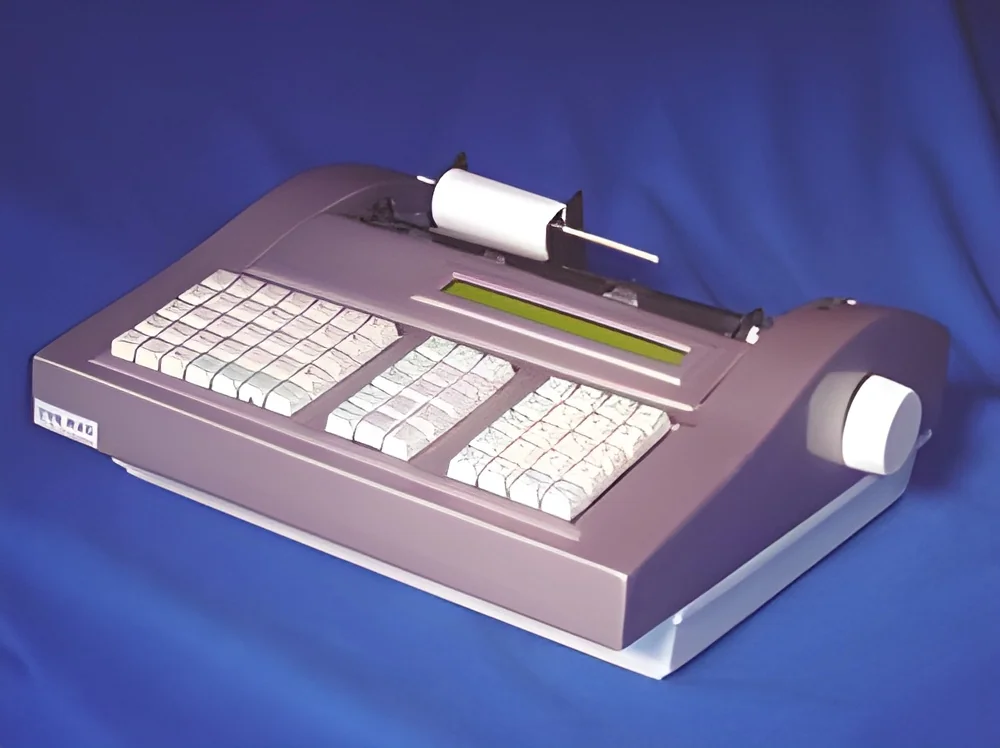
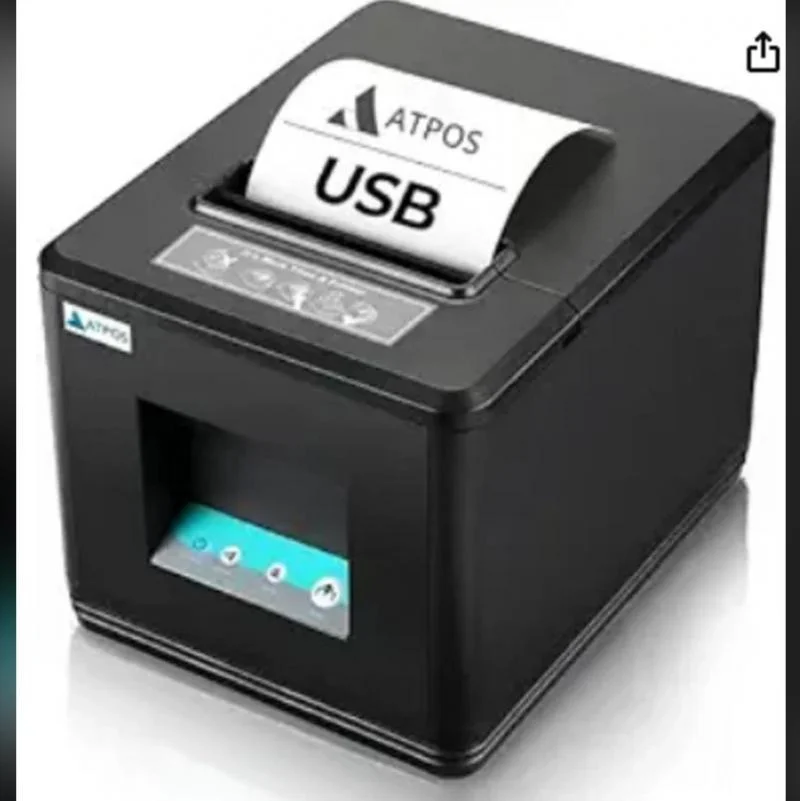
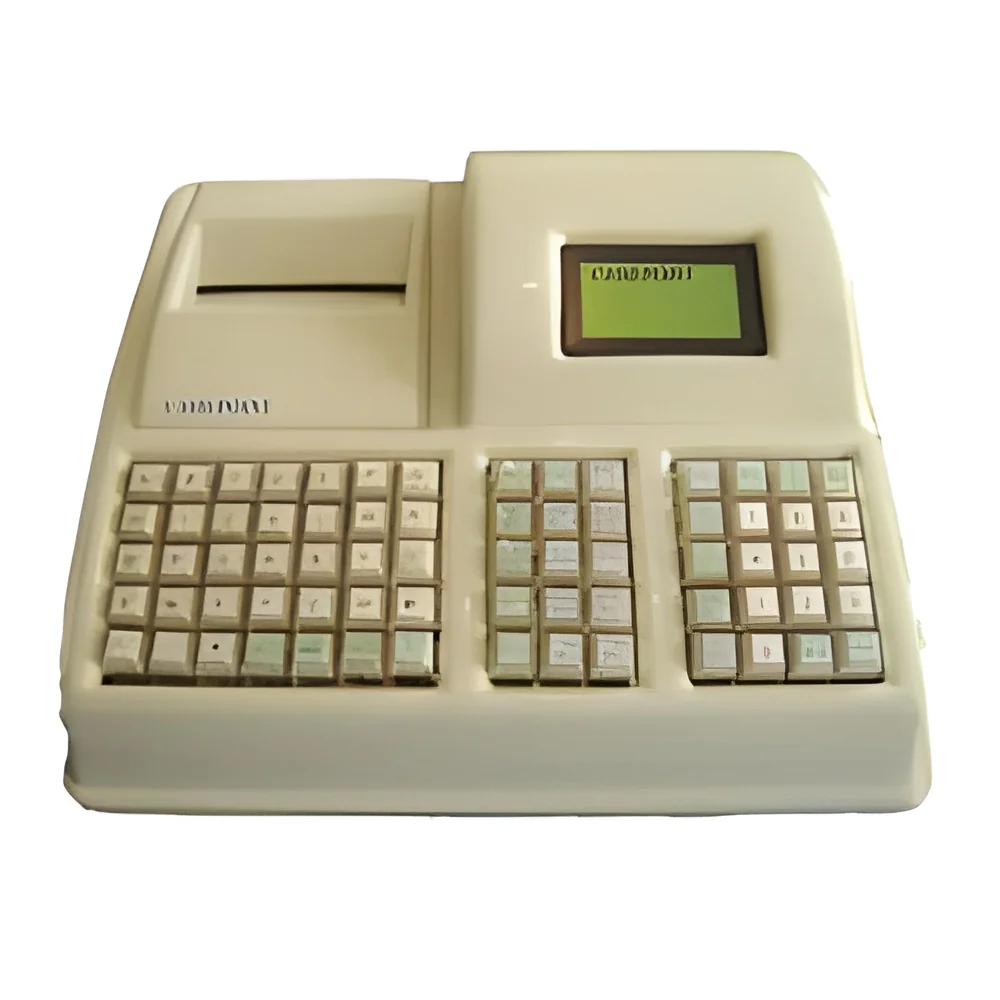
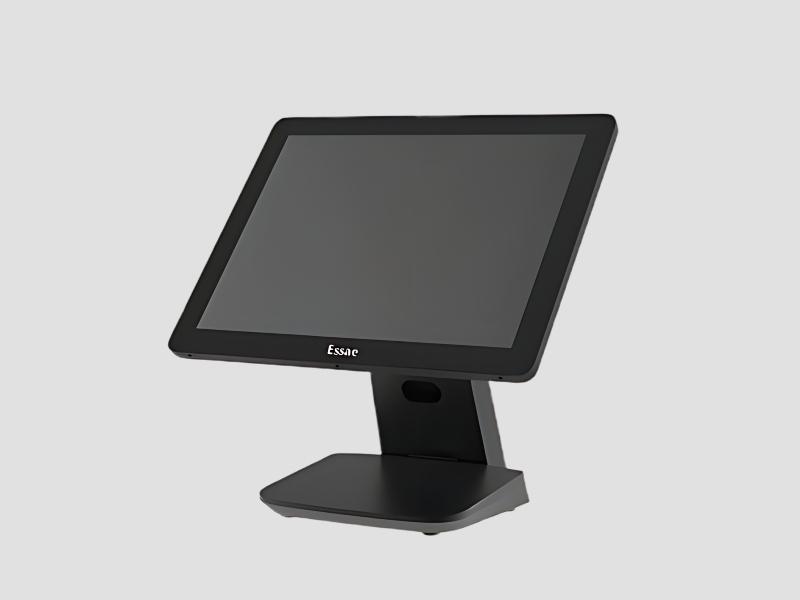
Fashion Retail POS Systems, or Point of Sale Systems, are specialized software and hardware solutions designed for retail environments within the fashion industry. These systems streamline sales processes, manage inventory, and enhance customer service by integrating various functionalities into a single platform. A typical POS system includes a cash register, barcode scanner, receipt printer, and software that helps manage transactions and customer data.
These systems are primarily used for processing sales transactions, tracking inventory levels, and generating sales reports. They facilitate customer management, allowing retailers to build loyalty programs and manage returns. By automating these tasks, fashion retailers can focus more on sales strategies and customer interactions, thus improving overall business efficiency. In a competitive market where customer experience is paramount, a reliable POS system is crucial for success.
The relevance of Fashion Retail POS Systems in today's market cannot be understated. With the rise of e-commerce and changing consumer preferences, retailers need to adapt quickly. The integration of online and in-store sales channels has made these systems essential for managing omnichannel retail strategies. As fashion businesses increasingly rely on data analytics to drive decision-making, robust POS systems provide valuable insights into customer behavior and sales trends.
𝗞𝗲𝘆 𝗙𝗲𝗮𝘁𝘂𝗿𝗲𝘀 𝗮𝗻𝗱 𝗦𝗽𝗲𝗰𝗶𝗳𝗶𝗰𝗮𝘁𝗶𝗼𝗻𝘀
When evaluating Fashion Retail POS Systems, it is essential to consider their key features and specifications. These systems are designed to be user-friendly while offering advanced functionalities that cater to the specific needs of fashion retailers.
Key specifications include:
1. User Interface
- Intuitive and easy-to-navigate design
- Customizable layouts to fit various retail environments
2. Inventory Management
- Real-time tracking of stock levels
- Automated reorder alerts and reporting features
3. Payment Processing
- Support for multiple payment methods, including credit cards, mobile payments, and gift cards
- Secure transaction processing to protect customer data
4. Sales Reporting
- Comprehensive reporting tools for sales analysis
- Daily, weekly, and monthly sales summaries
5. Customer Relationship Management
- Tools for managing customer profiles and purchase history
- Integration with loyalty programs and promotional campaigns
6. Hardware Compatibility
- Compatibility with various hardware devices like barcode scanners and receipt printers
- Cloud-based or on-premise deployment options
7. Multi-Store Functionality
- Support for managing multiple retail locations from a single system
- Centralized reporting capabilities for overall business performance
8. Integration Capabilities
- Ability to integrate with e-commerce platforms and accounting software
- API support for custom software solutions
In summary, Fashion Retail POS Systems are equipped with a range of features that enhance operational efficiency and improve customer experience, making them indispensable for modern retail businesses.
𝗖𝗼𝗺𝗺𝗼𝗻 𝗔𝗽𝗽𝗹𝗶𝗰𝗮𝘁𝗶𝗼𝗻𝘀 𝗮𝗻𝗱 𝗨𝘀𝗲 𝗖𝗮𝘀𝗲𝘀
Fashion Retail POS Systems find applications in various industries beyond traditional retail. These systems serve the needs of different sectors, enhancing operational efficiency and customer experience.
1. Apparel Retail: These systems are widely used in clothing stores to manage transactions, track inventory, and analyze sales trends.
2. Footwear Retail: POS systems help footwear retailers maintain stock levels, manage diverse product lines, and streamline the checkout process.
3. Accessories Retail: Retailers of accessories such as jewelry and handbags use POS systems to manage unique inventory requirements and customer preferences.
4. Specialty Stores: Niche boutiques can utilize these systems to offer personalized customer service and manage specialized inventory.
5. E-commerce Integration: Online fashion retailers leverage POS systems to synchronize in-store and online inventory, ensuring seamless operations across channels.
6. Pop-Up Shops: Temporary retail locations benefit from portable POS systems that can be set up quickly and efficiently for short-term sales events.
7. Wholesale Distribution: Fashion wholesalers can use POS systems to manage bulk sales and inventory for various retail clients.
𝗣𝗿𝗼𝗱𝘂𝗰𝘁 𝗩𝗮𝗿𝗶𝗮𝗻𝘁𝘀 𝗮𝗻𝗱 𝗦𝘂𝗯𝗰𝗮𝘁𝗲𝗴𝗼𝗿𝗶𝗲𝘀
Fashion Retail POS Systems come in various configurations to cater to different business needs and sizes. Each variant is designed to meet specific operational requirements.
Basic POS System: This entry-level variant is ideal for small retail businesses. It offers essential features like sales processing and inventory tracking at an affordable price.
Cloud-Based POS System: This variant provides flexibility with remote access to sales data and inventory management from any device with internet connectivity, suitable for businesses with multiple locations.
Mobile POS System: Designed for businesses that require on-the-go solutions, this variant enables processing transactions from mobile devices, enhancing customer engagement in-store.
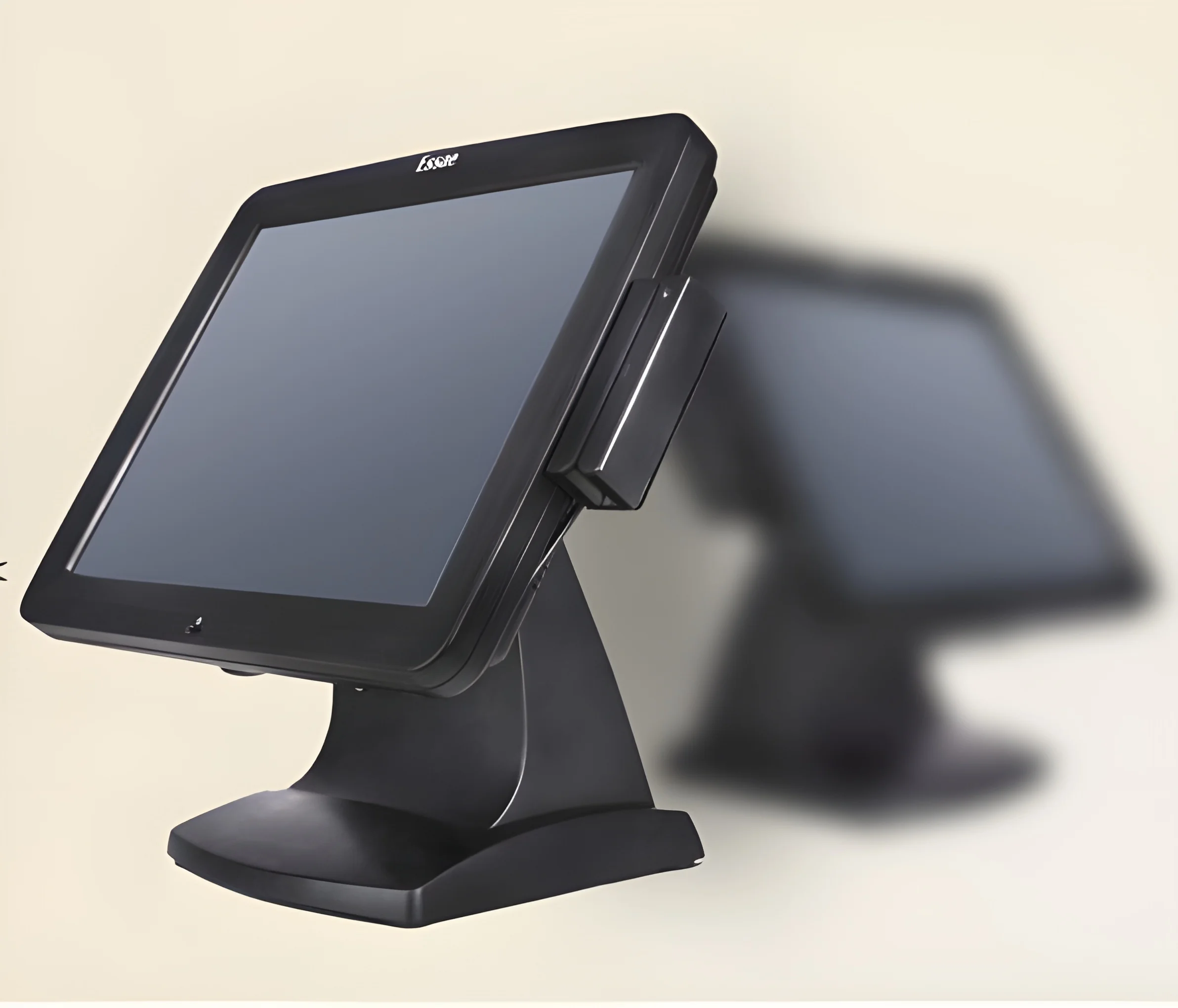
All-in-One POS System: This comprehensive solution combines hardware and software into a single unit, making it easy for retailers to set up and manage their point of sale.
𝗕𝗲𝗻𝗲𝗳𝗶𝘁𝘀 𝗮𝗻𝗱 𝗔𝗱𝘃𝗮𝗻𝘁𝗮𝗴𝗲𝘀
Fashion Retail POS Systems offer numerous benefits to businesses in the retail sector. They enhance operational efficiency and improve customer experiences, ultimately driving sales growth.
Key benefits include:
1. Increased Efficiency: Automating sales and inventory processes reduces manual errors and speeds up transaction times.
2. Enhanced Customer Experience: Quick and accurate transactions improve customer satisfaction, encouraging repeat business.
3. Data-Driven Insights: Access to real-time sales data and analytics helps retailers make informed decisions about inventory and marketing strategies.
4. Improved Inventory Management: Efficient tracking of stock levels minimizes overstocking and stockouts, optimizing inventory turnover.
5. Customization Options: Many systems offer customizable features to fit the unique needs of different retail environments.
6. Scalability: Fashion Retail POS Systems can grow with the business, accommodating new locations or expanded product lines without significant disruption.
𝗕𝘂𝘆𝗶𝗻𝗴 𝗚𝘂𝗶𝗱𝗲 𝗳𝗼𝗿 𝗕𝟮𝗕 𝗕𝘂𝘆𝗲𝗿𝘀
When sourcing Fashion Retail POS Systems, it is crucial for B2B buyers to consider several factors to ensure they select the right solution for their business.
1. Quality Assessment: Evaluate the reliability and durability of the system. Look for systems that have received positive reviews from other retailers and meet industry standards.
2. Supplier Verification: Vet suppliers to ensure they have a solid reputation and provide reliable customer support. This can include checking their history and customer feedback.
3. Pricing and MOQ: Understand the pricing structure and minimum order quantities. Compare multiple suppliers to find the best value without compromising on quality.
4. Delivery and Lead Times: Consider logistics, including delivery times and potential delays. Ensure that the supplier can meet your timelines for implementation.
5. Compliance Requirements: Be aware of any regulatory compliance requirements specific to your region or industry. Choose systems that adhere to necessary standards.
𝗖𝗼𝗺𝗽𝗹𝗶𝗮𝗻𝗰𝗲 𝗮𝗻𝗱 𝗖𝗲𝗿𝘁𝗶𝗳𝗶𝗰𝗮𝘁𝗶𝗼𝗻𝘀
Fashion Retail POS Systems are subject to various quality standards and certifications to ensure safety and reliability.
Relevant quality standards include ISO 9001, which emphasizes quality management systems, ensuring that products consistently meet customer and regulatory requirements.
Industry certifications such as CE indicate that the POS systems comply with European health, safety, and environmental protection standards.
Safety and testing requirements are crucial to ensure that the systems operate reliably in a retail environment.
Additionally, regional compliance considerations may vary, so it is essential to understand local regulations that may impact the selection and deployment of these systems.
𝗪𝗵𝘆 𝗦𝗼𝘂𝗿𝗰𝗲 𝗙𝗮𝘀𝗵𝗶𝗼𝗻 𝗥𝗲𝘁𝗮𝗶𝗹 𝗣𝗢𝗦 𝗦𝘆𝘀𝘁𝗲𝗺𝘀 𝗳𝗿𝗼𝗺 𝗣𝗲𝗽𝗮𝗴𝗼𝗿𝗮?
Pepagora provides a trusted platform for sourcing Fashion Retail POS Systems, offering several key advantages that set it apart from competitors.
Verified Supplier Network: Pepagora ensures that all suppliers are thoroughly vetted, providing buyers with confidence that they are sourcing from reputable manufacturers. This verification process helps mitigate risks associated with procurement.
Streamlined RFQ Process: The platform offers a user-friendly request for quotation (RFQ) system, allowing buyers to easily compare pricing and features across multiple suppliers. This transparency leads to informed purchasing decisions.
Trade Assurance and Support: Pepagora provides buyer protection through its trade assurance program. This ensures that transactions are secure and that buyers receive support throughout the purchasing process.
Regional Coverage: With a strong presence in India, the GCC, and Southeast Asia, Pepagora offers extensive geographic reach, making it easier for businesses in these regions to access high-quality Fashion Retail POS Systems tailored to their specific needs.













Frequently Asked Questions
What are Fashion Retail POS Systems?
Fashion Retail POS Systems are point-of-sale solutions specifically designed for the fashion retail industry. They facilitate transactions, inventory management, and customer relationship management, making them essential for retailers looking to streamline their operations.
What are the different types of Fashion Retail POS Systems?
Different types of Fashion Retail POS Systems include cloud-based systems, mobile POS systems, and traditional countertop systems. Each type offers unique features tailored to various retail environments and operational needs.
How do I choose the right Fashion Retail POS Systems?
Choosing the right Fashion Retail POS System requires evaluating your business needs, budget, and the features offered by different systems. Consider aspects like ease of use, integration capabilities, and customer support when making your decision.
What are the standard specifications for Fashion Retail POS Systems?
Standard specifications for Fashion Retail POS Systems typically include a user-friendly interface, inventory management capabilities, reporting tools, and integration with payment processors. Additionally, systems should be compatible with various devices and support multiple payment methods.
What is the price range for Fashion Retail POS Systems?
The price range for Fashion Retail POS Systems can vary significantly based on features and capabilities, generally starting from around INR 20,000 to upwards of INR 1,00,000. Ongoing subscription costs may also apply for cloud-based systems.
What quality standards apply to Fashion Retail POS Systems?
Quality standards for Fashion Retail POS Systems often include compliance with industry regulations, reliability, and ease of use. Systems should also undergo rigorous testing to ensure they meet performance and security benchmarks.
Where can I find Fashion Retail POS Systems suppliers in India?
Fashion Retail POS Systems suppliers in India can be found through B2B marketplaces like Pepagora.com, trade shows, and industry directories. It is advisable to research and compare suppliers based on their product offerings and customer reviews.
Can Fashion Retail POS Systems be customized?
Yes, many Fashion Retail POS Systems offer customization options to cater to the specific needs of a retail business. Customizations can include tailored reporting, interface modifications, and integration with existing systems.
What is the typical minimum order quantity for Fashion Retail POS Systems?
The typical minimum order quantity (MOQ) for Fashion Retail POS Systems can vary by supplier but generally ranges from one unit for smaller businesses to larger quantities for bulk orders. It is best to confirm MOQs with individual suppliers.
What is the typical lead time for Fashion Retail POS Systems?
The typical lead time for Fashion Retail POS Systems can range from a few days to several weeks, depending on the supplier and the complexity of the order. Factors such as customization and inventory levels can also affect delivery times.
Why Businesses Trust Pepagora
Thousands of companies trust Pepagora to source smarter and sell faster
Expand Your Sales Globally

Source Smarter,Grow Faster
