
 IN
Reusable Tin Packaging
3 products available
What are Reusable Tin Packaging?
Reusable tin packaging refers to containers made from tinplate or tin-coated steel, designed for multiple uses. These packages are durable, resistant to corrosion, and can be easily cleaned and reused. They are often utilized for storing and transporting various products, ranging from food items to industrial components. The ability to recycle and repurpose tin packaging adds an eco-friendly dimension, making it a preferred choice among businesses focused on sustainability.
In the industrial sector, reusable tin packaging serves multiple business applications. It is commonly used in food and beverage industries for packaging snacks, teas, and canned goods. Additionally, it finds relevance in sectors such as cosmetics, where products like creams and powders are stored securely. The versatility of tin packaging makes it an ideal solution for both manufacturers and retailers looking to enhance product presentation while minimizing waste.
The market for reusable tin packaging is growing, driven by an increasing awareness of environmental issues and the importance of sustainable practices. As businesses aim to reduce their carbon footprint, the demand for reusable packaging solutions continues to rise. This trend is supported by various industries that are adopting eco-friendly packaging to align with consumer preferences and regulatory requirements.
Key Features and Specifications
Reusable tin packaging is characterized by its durability, versatility, and sustainability. It is available in various sizes and shapes to accommodate different product requirements. The packaging can be customized with high-quality printing for branding purposes, enhancing visibility in the market.
Key specifications include:
1. Material Composition
- Made from food-grade tinplate or tin-coated steel
- Ensures safety and durability for product storage
2. Size Options
- Available in a range of sizes from small tins to large containers
- Accommodates different volumes based on customer needs
3. Reusability
- Designed for multiple uses, reducing waste
- Can be easily cleaned and sterilized for food-safe applications
4. Customization
- Options for printing and labeling to enhance branding
- Variety of finishes, including matte and gloss
5. Weight Capacity
- Capable of holding significant weight depending on construction
- Provides reliable strength for various products
6. Closure Types
- Screw tops, slip lids, and pop-top options available
- Ensures product freshness and security during transport
7. Environmental Impact
- Fully recyclable and reusable, supporting sustainability goals
- Reduces reliance on single-use plastics
8. Compliance Standards
- Meets industry standards for safety and quality
- Certifications may include CE for specific applications
Reusable tin packaging offers a perfect balance of functionality and sustainability, making it a valuable choice for businesses.
Common Applications and Use Cases
Reusable tin packaging is utilized across a variety of industries due to its versatility and durability.
1. Food and Beverage Industry: This sector uses tin packaging for items such as snacks, teas, and sauces. Its ability to preserve flavor and freshness makes it a popular choice.
2. Cosmetics Industry: Many cosmetic products, including creams and powders, are stored in tin containers. The packaging not only protects the products but also enhances their aesthetic appeal.
3. Pharmaceuticals: Tin packaging is used for storing pills and powders, ensuring safety and compliance with health standards.
4. Arts and Crafts: Artists often use tin containers for storing supplies such as paint and brushes, benefiting from the durable and reusable nature of the packaging.
5. Gift Packaging: Reusable tins are increasingly popular for gift items, offering a unique and attractive presentation for various products.
6. Industrial Components: Many manufacturing sectors use tin packaging to store and transport small parts and components, ensuring they remain secure during transit.
7. Pet Products: Tin containers are also used for packaging pet food and treats, providing a safe and durable option for pet owners.
Product Variants and Subcategories
The diversity of reusable tin packaging allows businesses to choose the best variant for their specific needs.
Round Tins
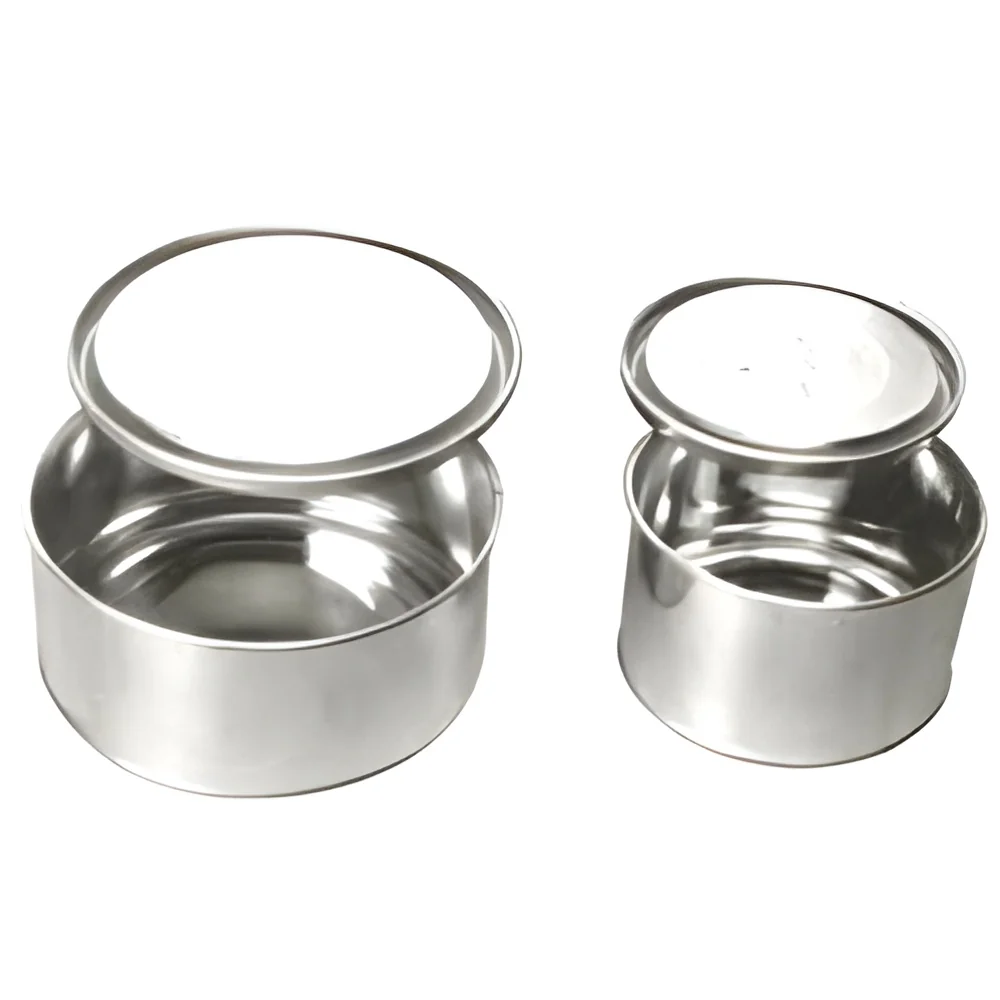
Round tins are a classic choice for packaging food items, cosmetics, and crafts. Their cylindrical shape makes them easy to stack and store, while the secure closure keeps contents fresh.
Square Tins
Square tins offer a modern look and maximize storage efficiency. They are often used for gift packaging and can be easily branded with custom designs.
Window Tins
Window tins feature a transparent lid, allowing customers to see the contents without opening the package. This is ideal for products like snacks and specialty foods.
Decorative Tins
These tins come in various artistic designs and are often used for seasonal promotions or gifts. Their aesthetic appeal makes them popular in retail settings.
Benefits and Advantages
Reusable tin packaging provides numerous advantages that cater to both businesses and consumers.
1. Sustainability: These tins are fully recyclable and designed for repeated use, significantly reducing environmental impact compared to single-use alternatives.
2. Durability: Tin packaging is robust and resistant to damage, protecting contents from external factors and prolonging shelf life.
3. Versatility: Suitable for a wide range of products, tin packaging can be tailored to meet specific business needs across various industries.
4. Cost-Effectiveness: While the initial investment may be higher, the long-term savings from reusability and reduced waste make tin packaging a cost-effective solution.
5. Enhanced Brand Image: Customizable printing on tins allows businesses to promote their brand effectively, creating a memorable impression on customers.
6. Safety: Food-grade materials ensure that products stored in tin packaging remain safe for consumption, meeting industry health standards.
Buying Guide for B2B Buyers
When sourcing reusable tin packaging, businesses should consider several critical factors to ensure they make an informed choice.
1. Quality Assessment: Evaluate the quality of materials used in the packaging. Look for food-grade certifications and durability standards to guarantee safety and performance.
2. Supplier Verification: Vet suppliers by checking their reputation, experience, and customer reviews. A reliable supplier will ensure timely deliveries and adherence to quality standards.
3. Pricing and MOQ: Understand the pricing structure and minimum order quantities (MOQs). Comparing multiple suppliers can help in finding the best value for your needs.
4. Delivery and Lead Times: Inquire about logistics, including delivery schedules and lead times. Reliable suppliers should provide clear timelines for order fulfillment.
5. Compliance Requirements: Ensure that the packaging meets relevant regulatory requirements, including safety, quality standards, and any regional compliance needs.
Compliance and Certifications
Reusable tin packaging must adhere to specific compliance standards to ensure safety and quality. Relevant quality standards include ISO 9001, which emphasizes quality management systems, and HACCP, which outlines safety protocols in food handling and packaging.
Industry certifications, such as CE, indicate that the packaging meets European safety standards. This is particularly important for businesses exporting their products to European markets.
Safety and testing requirements are crucial to verify that the packaging does not leach harmful substances into its contents. Regular testing ensures that reusable tin packaging remains compliant with health regulations.
Regional compliance considerations may vary based on local laws and guidelines. Businesses should remain informed about the specific requirements in the regions they operate to avoid legal issues.
Why Source Reusable Tin Packaging from Pepagora?
Pepagora offers a trusted platform for sourcing reusable tin packaging, providing several key advantages that benefit B2B buyers.
Verified Supplier Network: Pepagora maintains a network of verified suppliers who meet stringent quality and reliability standards. This ensures that buyers can trust the products they source through the platform.
Streamlined RFQ Process: The request for quotation (RFQ) system simplifies the procurement process, allowing buyers to easily compare offers from multiple suppliers. This feature enables informed decision-making based on price and quality.
Trade Assurance and Support: Pepagora provides trade assurance, offering buyer protection through secure transactions and assistance throughout the purchasing process. This support helps businesses mitigate risks associated with sourcing.
Regional Coverage: With a strong presence in regions such as India, the Gulf Cooperation Council (GCC), and Southeast Asia, Pepagora ensures that buyers have access to a diverse range of suppliers and products, catering to specific regional needs.
By choosing Pepagora for reusable tin packaging, businesses can enhance their supply chain efficiency while ensuring quality and sustainability.



Frequently Asked Questions
What are Reusable Tin Packaging?
Reusable Tin Packaging refers to containers made from tinplate or tin-free steel that are designed to be used multiple times for storing and transporting various products. These packages are known for their durability, resistance to corrosion, and ability to preserve the quality of the contents.
What are the different types of Reusable Tin Packaging?
The different types of Reusable Tin Packaging include tin cans, tin boxes, and tin containers, each available in various shapes and sizes. They can be used for packaging food, beverages, cosmetics, and industrial products, depending on the specific requirements.
How do I choose the right Reusable Tin Packaging?
Choosing the right Reusable Tin Packaging involves considering the type of product being packaged, the required size and shape, and any specific labeling or branding needs. It is also important to evaluate the material's compatibility with the contents to ensure product safety and quality.
What are the standard specifications for Reusable Tin Packaging?
Standard specifications for Reusable Tin Packaging include dimensions, thickness of the tinplate, and closure types such as easy-open ends or screw caps. Additionally, packaging should meet health and safety regulations applicable to the intended use of the product.
What is the price range for Reusable Tin Packaging?
The price range for Reusable Tin Packaging can vary widely based on factors such as size, design, and customization options. Generally, prices can start from a few rupees for basic designs and go up to several hundred rupees for more complex or custom-printed options.
What quality standards apply to Reusable Tin Packaging?
Reusable Tin Packaging must comply with various quality standards, including ISO certifications and food safety regulations if applicable. Additionally, manufacturers often adhere to industry-specific standards to ensure the packaging is safe, durable, and reliable.
Where can I find Reusable Tin Packaging suppliers in India?
To find Reusable Tin Packaging suppliers in India, you can explore online B2B marketplaces like Pepagora, trade shows, and industry directories. Networking within industry associations can also help identify reputable manufacturers and suppliers.
Can Reusable Tin Packaging be customized?
Yes, Reusable Tin Packaging can be customized in terms of size, shape, color, and branding features such as printed logos. Customization options allow businesses to enhance product visibility and create a unique packaging experience for their customers.
What is the typical minimum order quantity for Reusable Tin Packaging?
The typical minimum order quantity (MOQ) for Reusable Tin Packaging can range from a few hundred to several thousand pieces, depending on the manufacturer. It is advisable to check with specific suppliers for their MOQs and any potential flexibility in order sizes.
What is the typical lead time for Reusable Tin Packaging?
The typical lead time for Reusable Tin Packaging varies based on factors such as order size, customization, and supplier capabilities. Generally, lead times can range from a few weeks to several months for larger, customized orders.
Why Businesses Trust Pepagora
Thousands of companies trust Pepagora to source smarter and sell faster
Expand Your Sales Globally

Source Smarter,Grow Faster
