Key Features and Specifications
When selecting projection screens, it is essential to consider their key features and specifications. These specifications can significantly impact the performance and usability of the screens in various settings.
Key specifications include:
1. Screen Type
- Manual or electric options
- Suitability for different environments
2. Aspect Ratio
- Common ratios include 4:3, 16:9, and 2.35:1
- Compatibility with various projectors
3. Screen Material
- Options include matte white, high-gain, and reflective materials
- Impact on image quality and viewing angles
4. Screen Size
- Available in various sizes from portable to large fixed installations
- Selection based on room size and audience distance
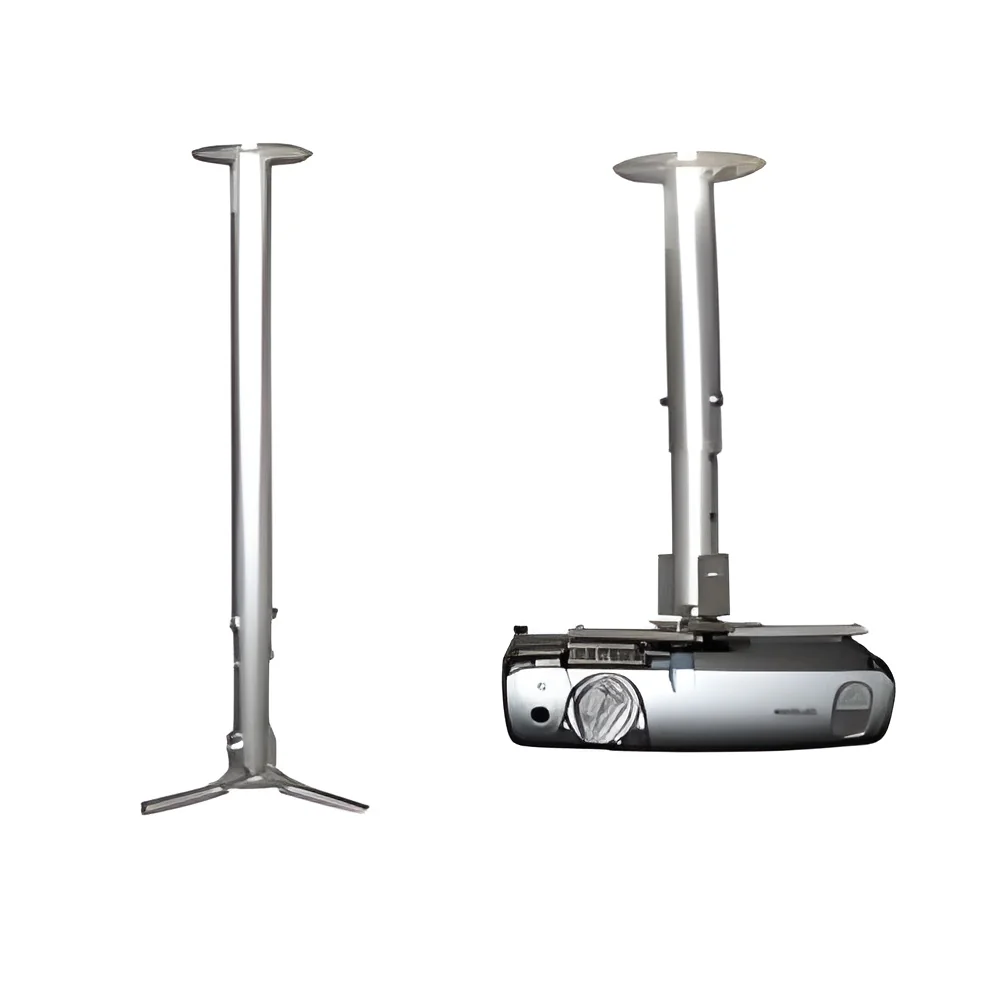
5. Mounting Options
- Ceiling, wall, or portable stands
- Flexibility for different installation requirements
6. Remote Control Features
- Availability in electric models for convenient operation
- Options for integration with smart systems
7. Warranty Information
- Typical warranty periods and coverage details
- Importance for long-term investment assurance
8. CE Certification
- Compliance with European safety standards
- Ensures product safety and reliability
In summary, understanding these specifications can help buyers make informed choices when selecting the right projection screen for their needs.
Common Applications and Use Cases
Projection screens find applications across various industries, enhancing presentations and visual displays.
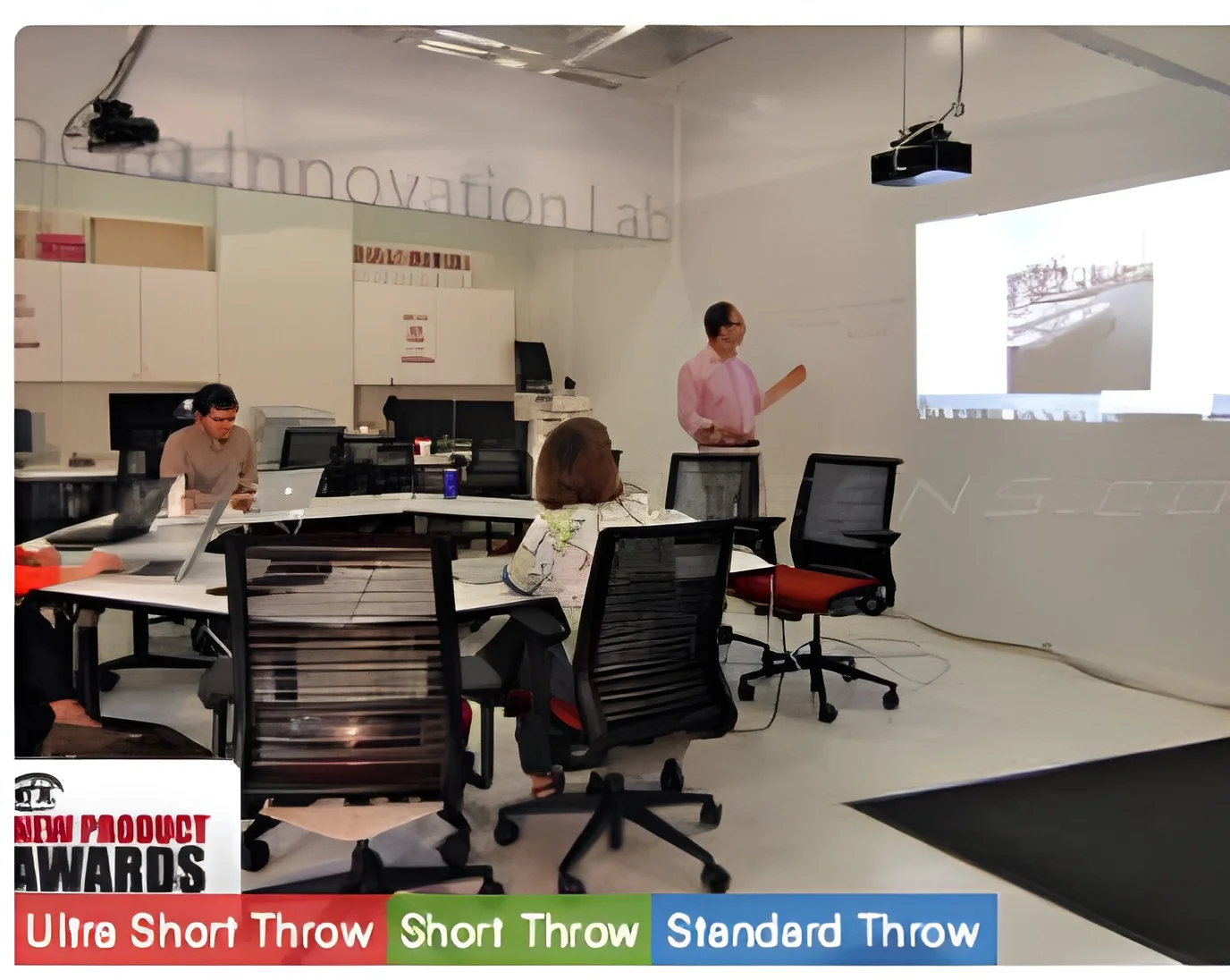
1. Corporate Sector: In conference rooms, projection screens are used for business presentations, team meetings, and training sessions. They facilitate effective communication and collaboration.
2. Education: Schools and universities utilize projection screens in classrooms and lecture halls. They support interactive learning and help in engaging students with visual content.
3. Entertainment: Home theaters and event venues use projection screens for movie nights, live performances, and gaming. They enhance the viewing experience for audiences.
4. Healthcare: Hospitals and clinics employ projection screens for training staff and presenting patient information. They are crucial for effective communication in medical settings.
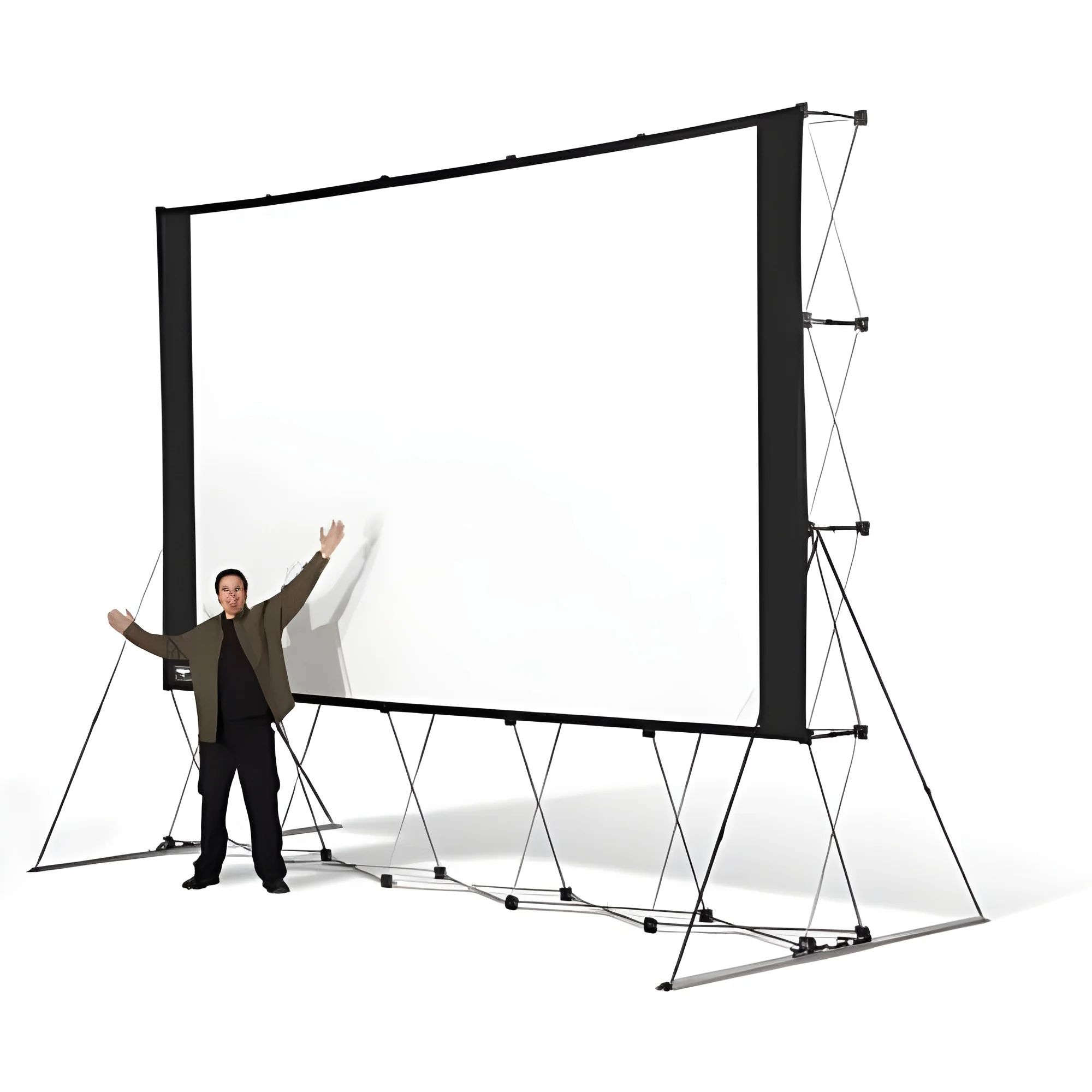
5. Trade Shows: Businesses use portable projection screens at trade shows to showcase products and services. They attract potential clients and enhance marketing efforts.
6. Religious Organizations: Churches and community centers use projection screens for presentations and services. They help convey messages visually during gatherings.
7. Government: Many government facilities utilize projection screens for public meetings and presentations. They ensure transparency and effective communication with constituents.
Product Variants and Subcategories
Projection screens come in various types, catering to different user needs and environments.
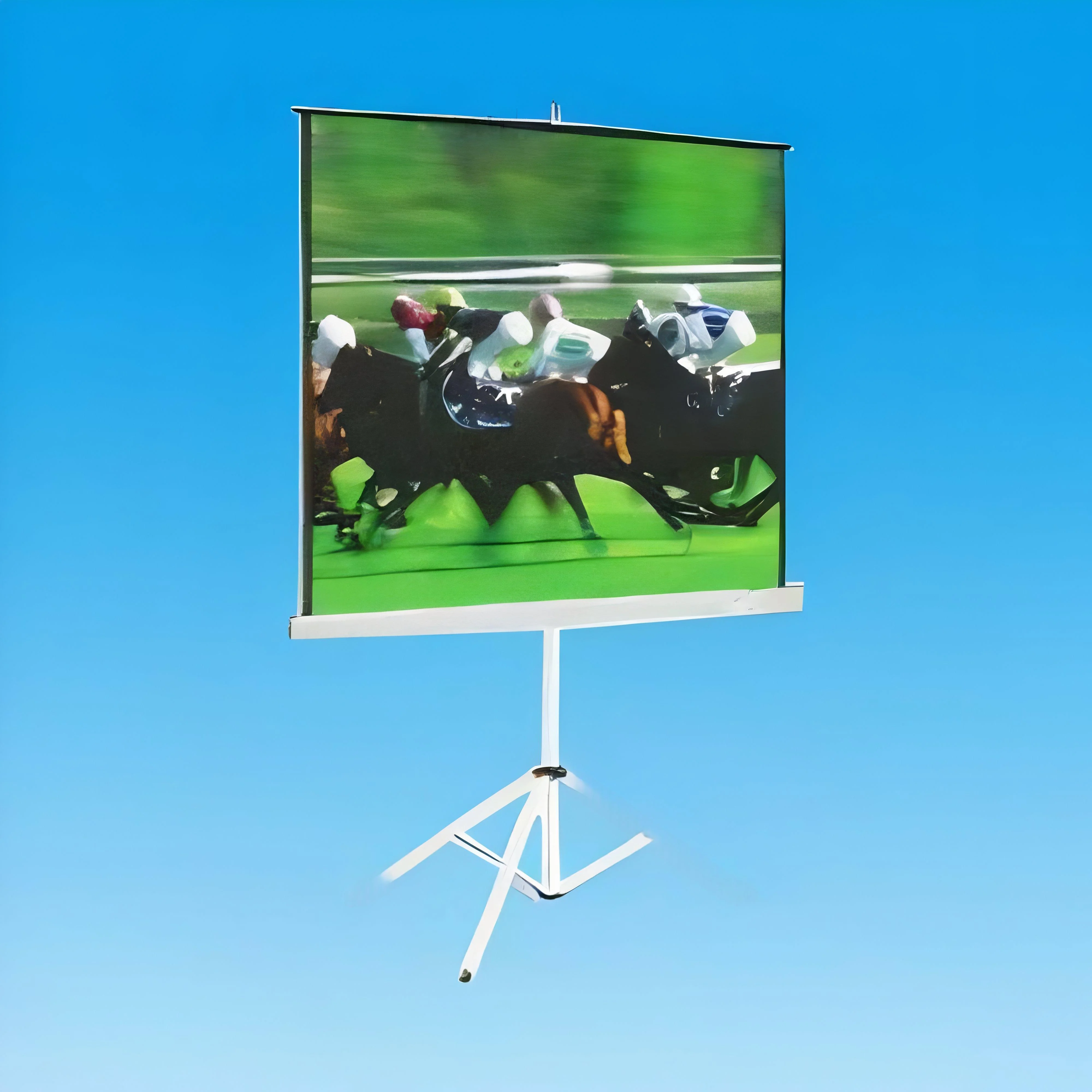
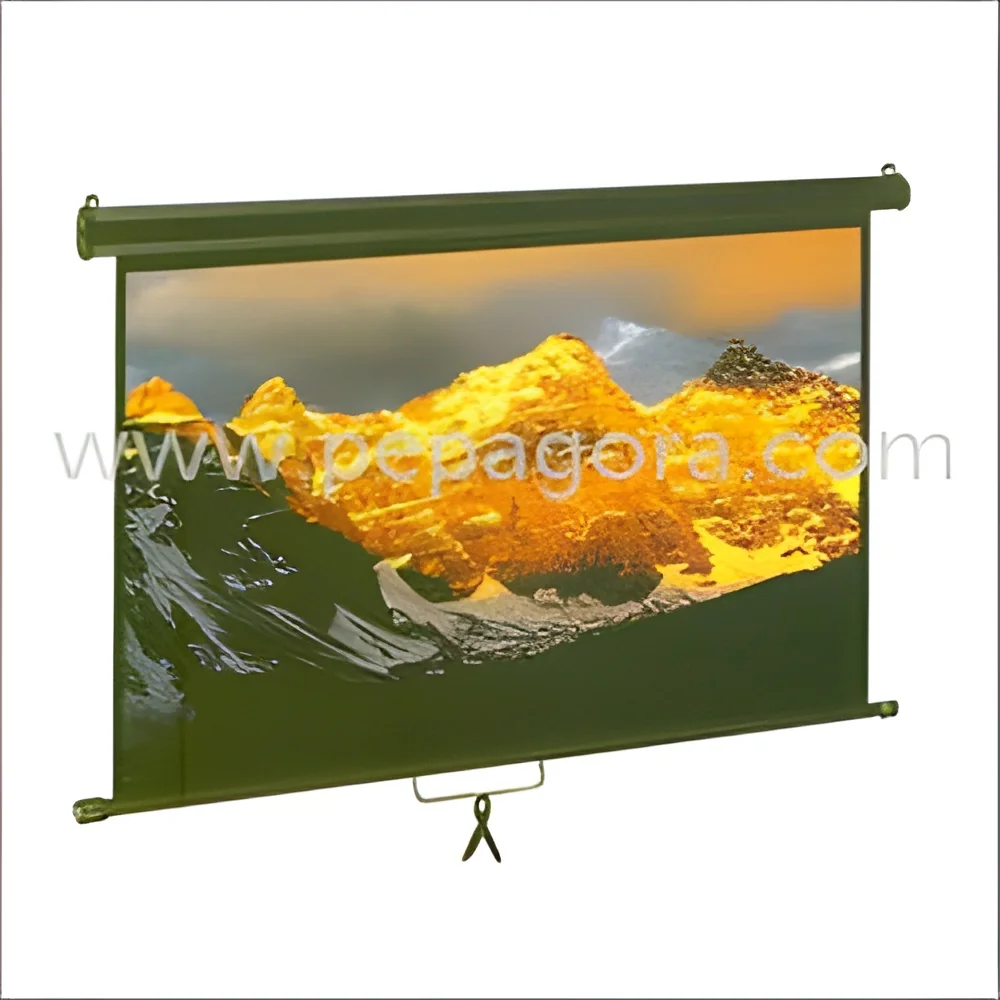
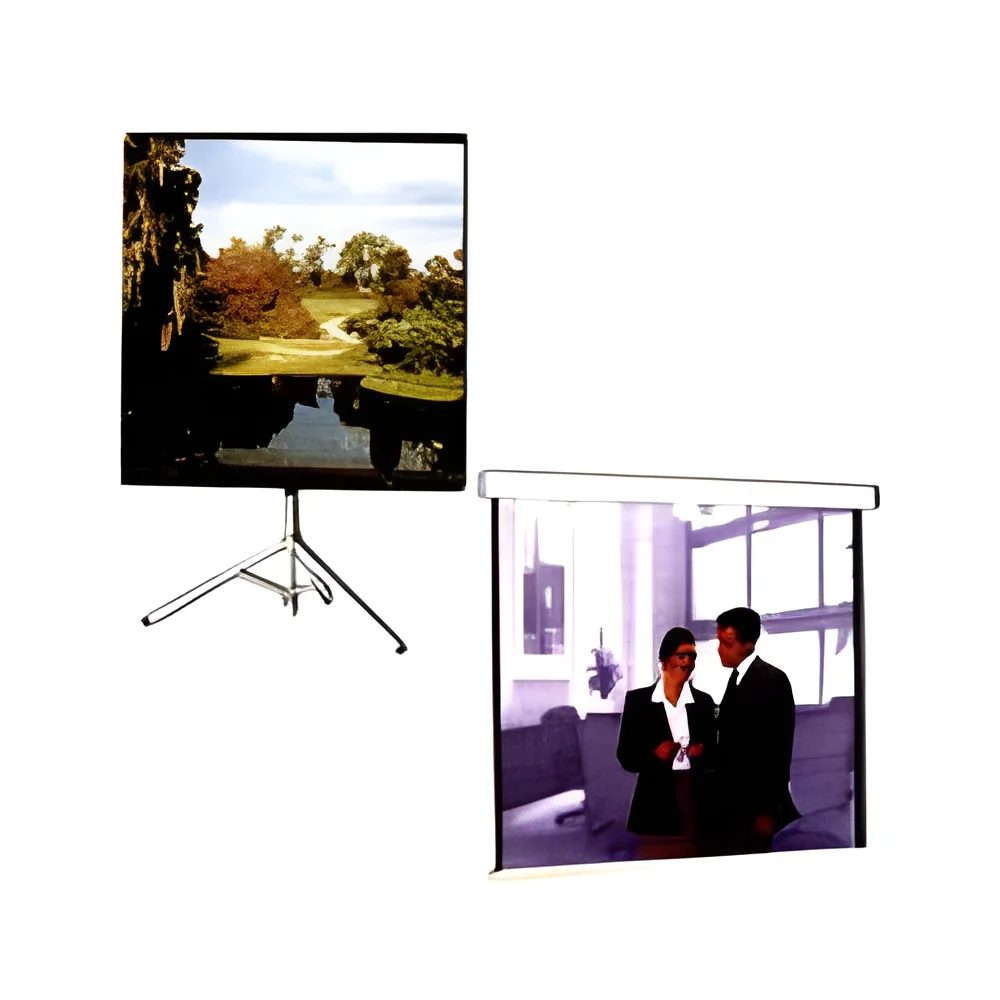
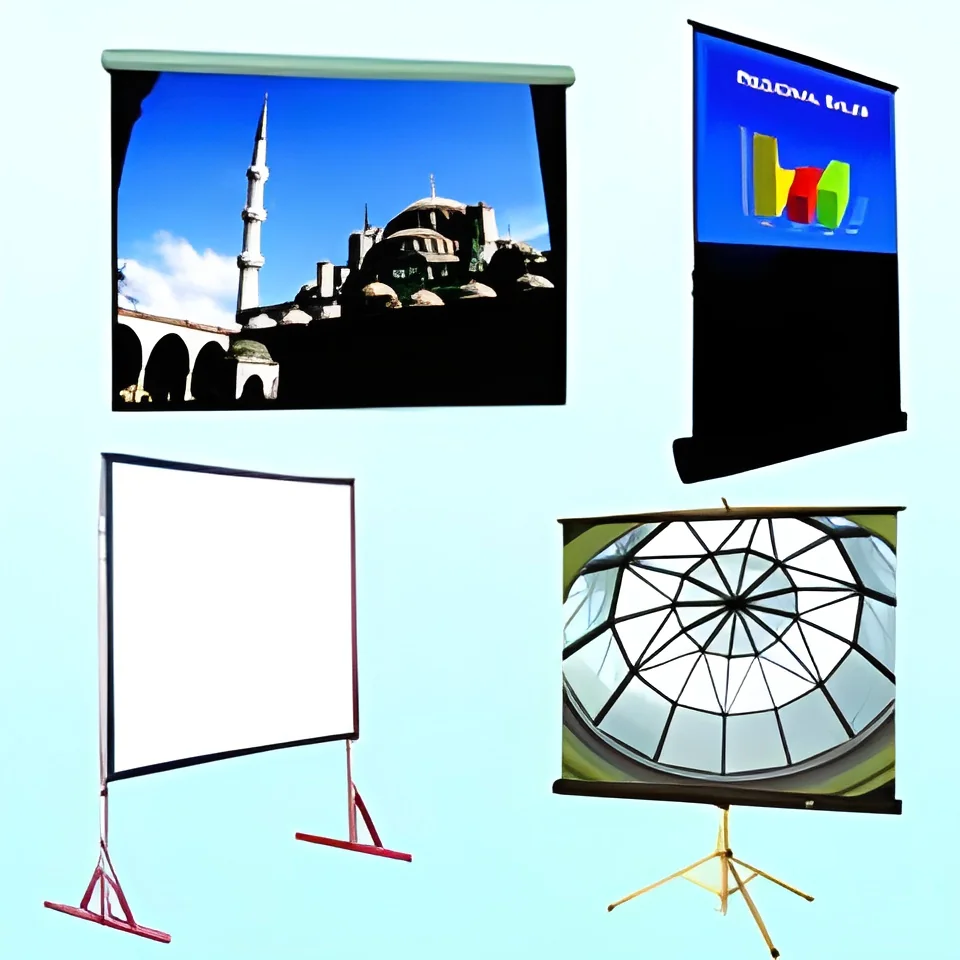
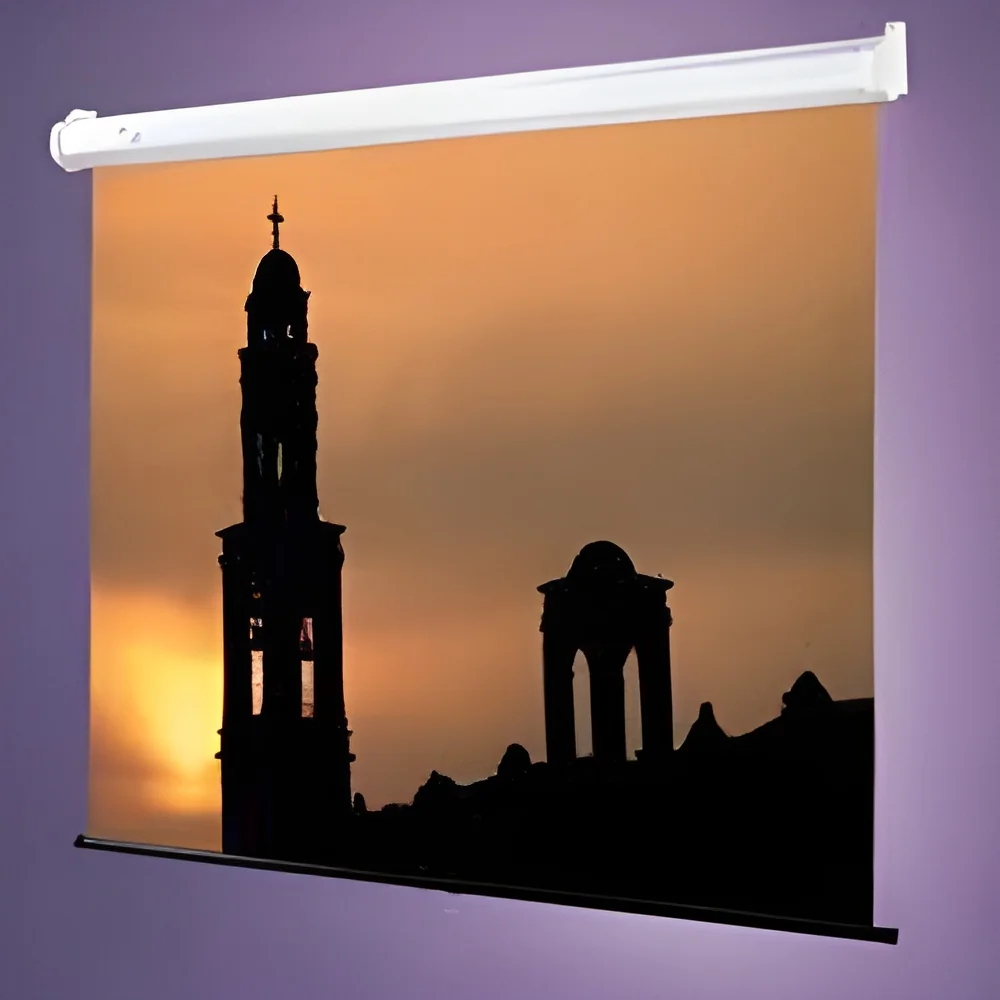
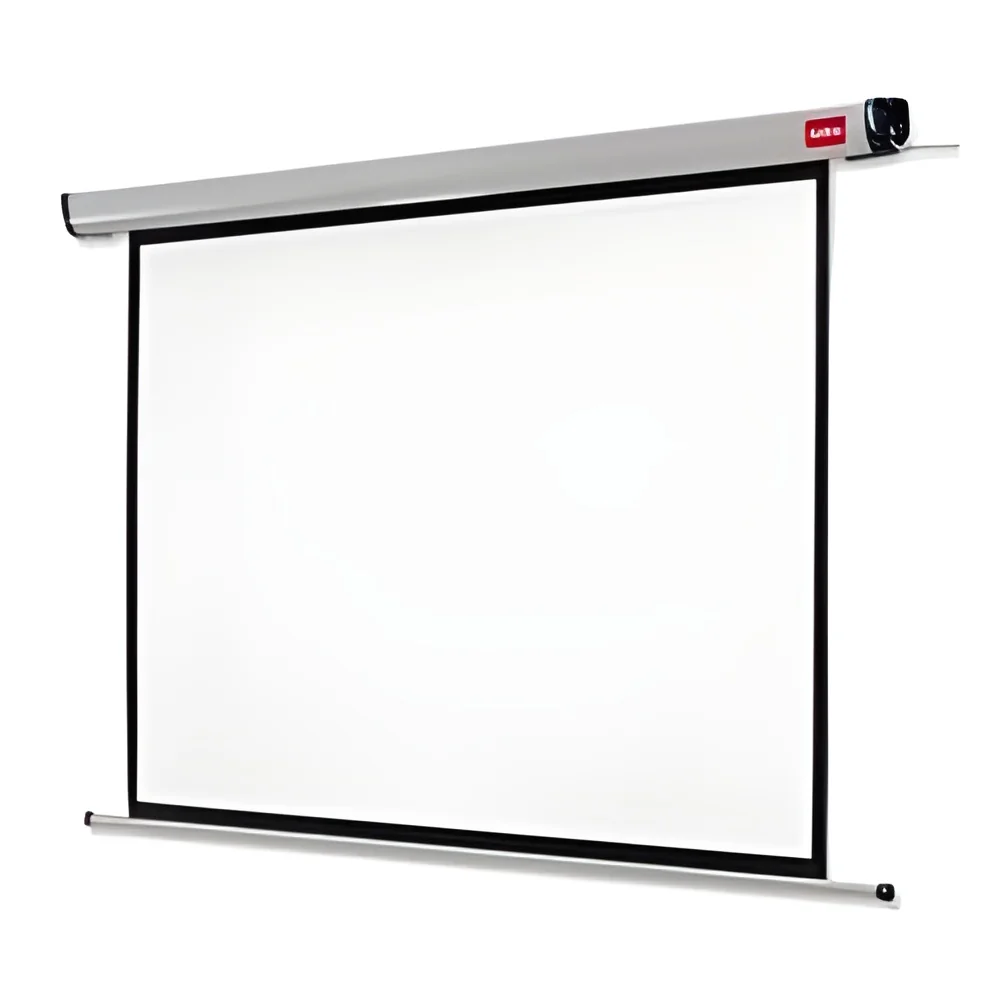
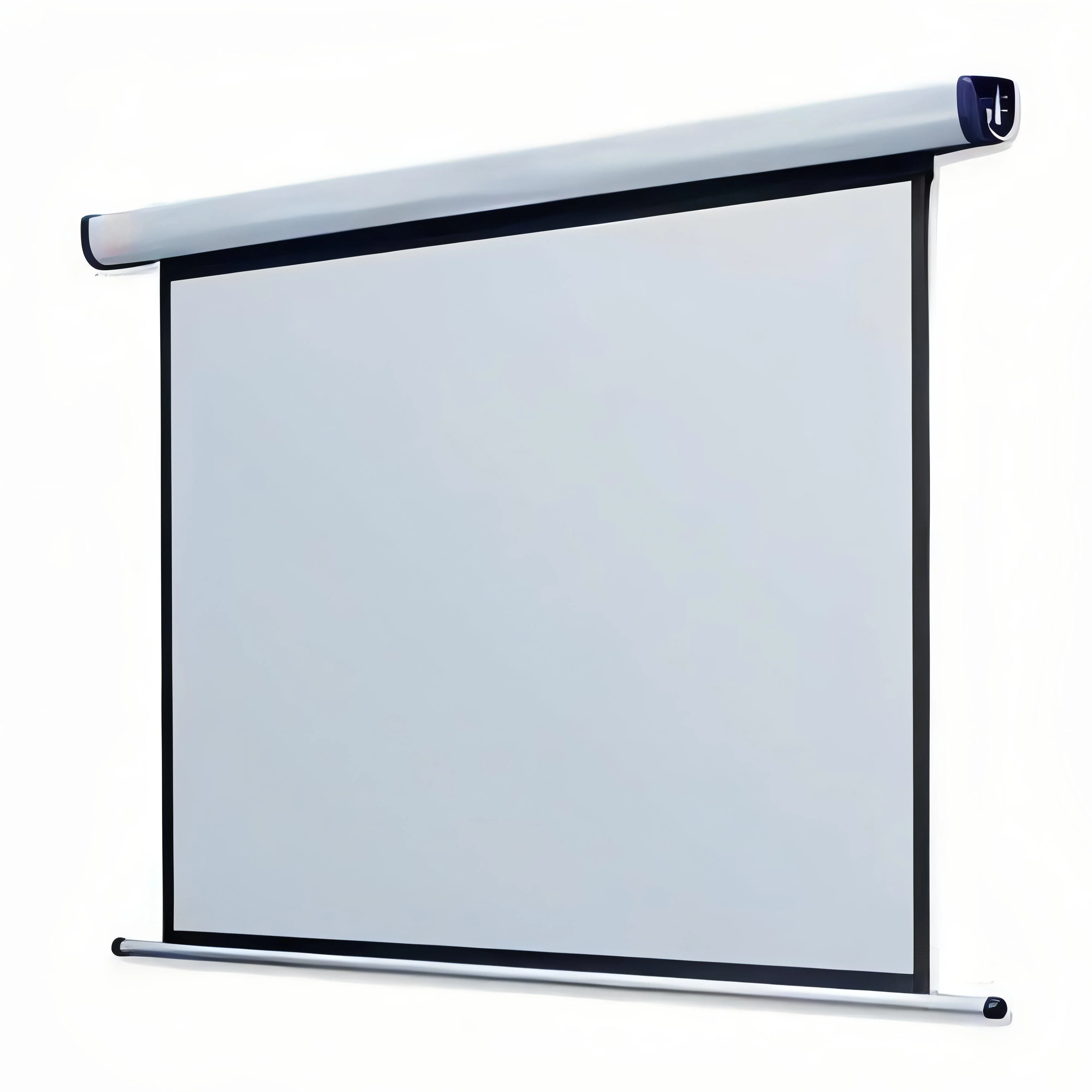
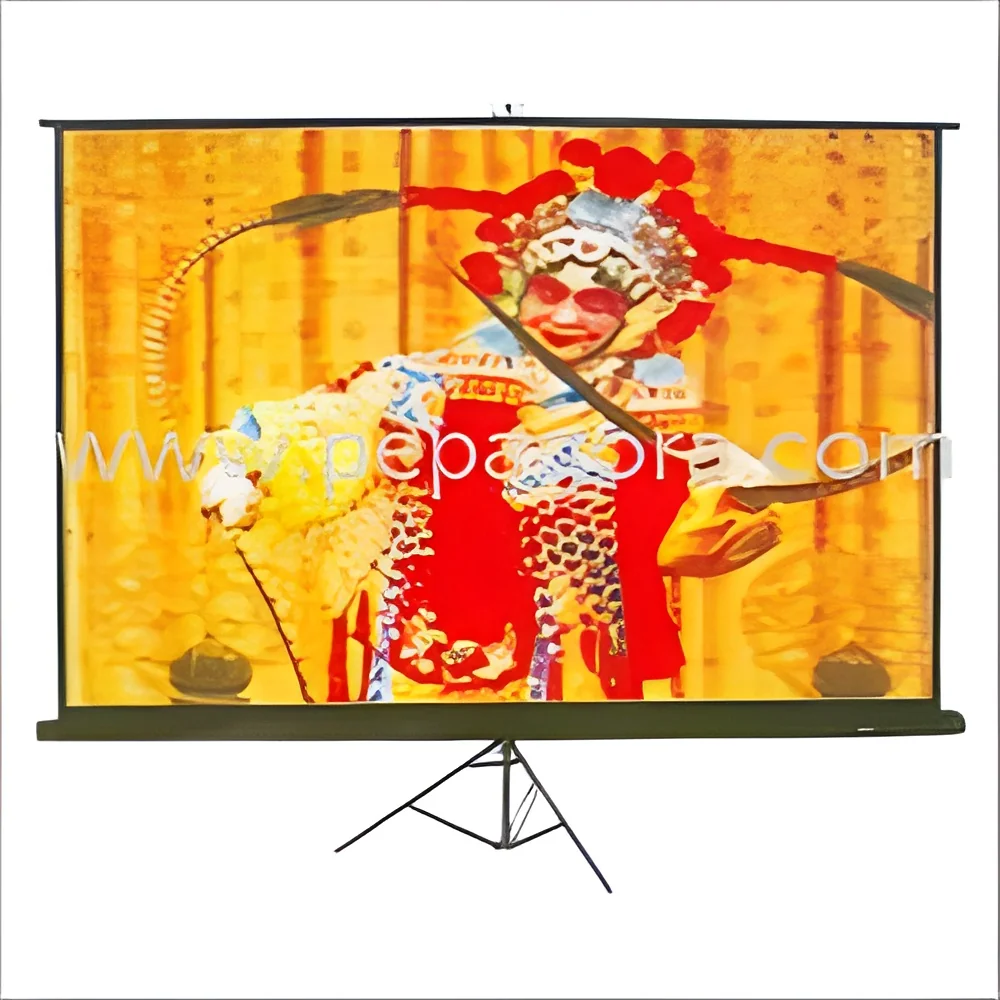
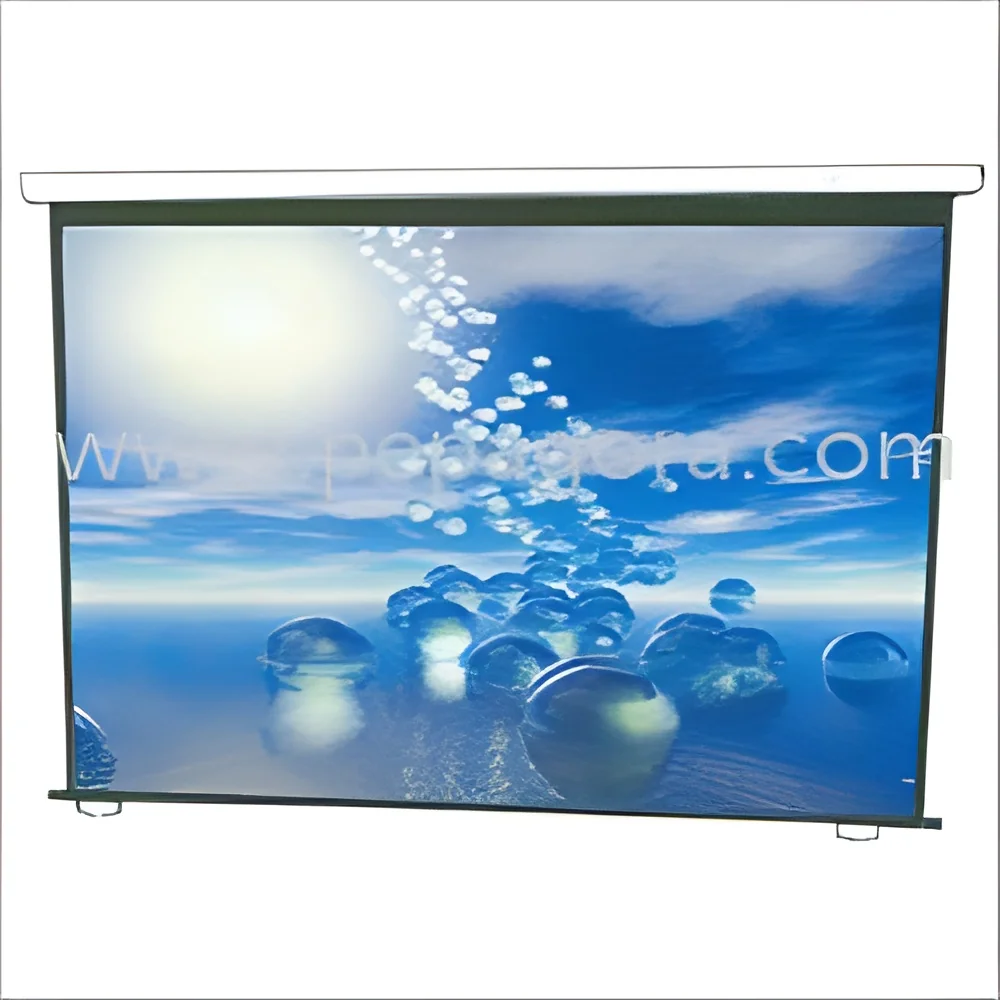
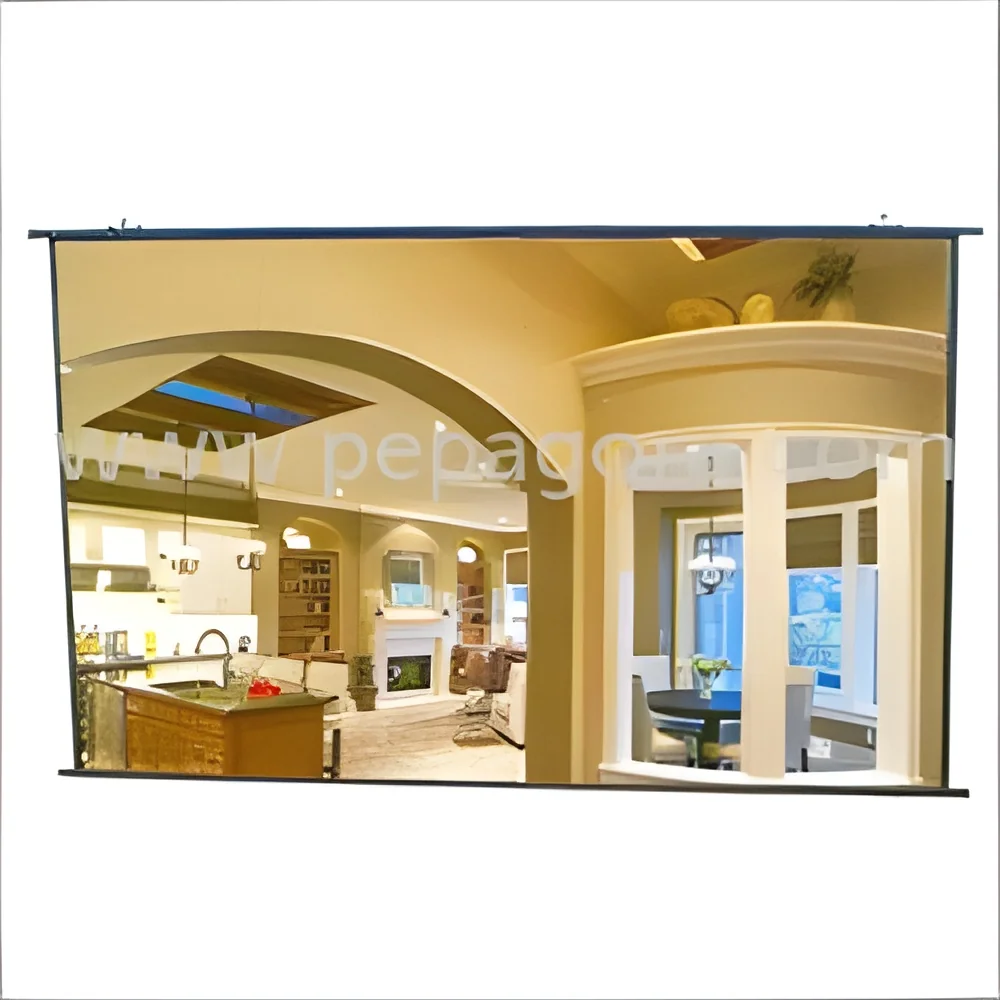
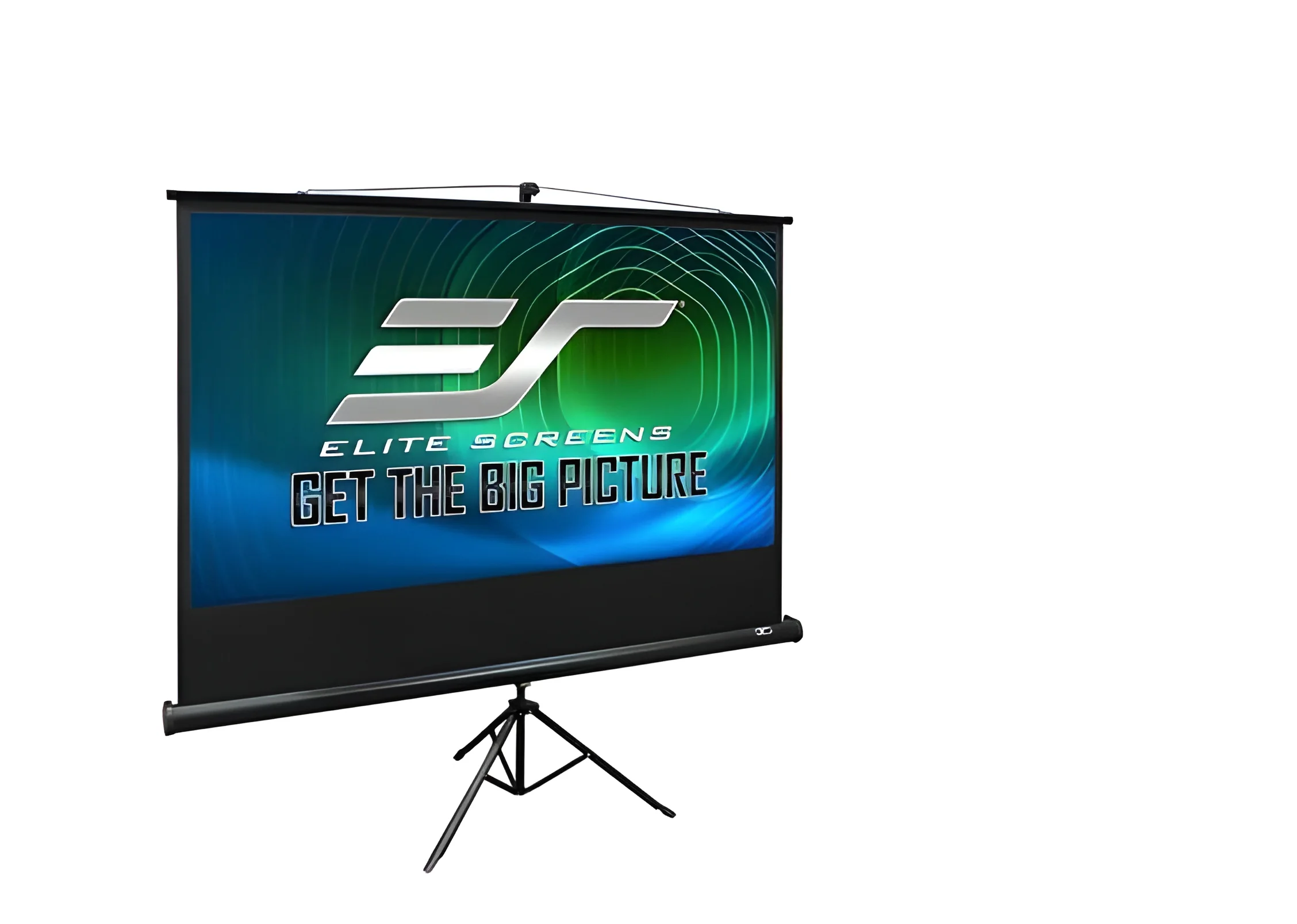
Manual Projection Screens: These screens are operated by hand, allowing users to pull them down or retract them as needed. They are often more affordable and suitable for spaces where fixed installations are not feasible.
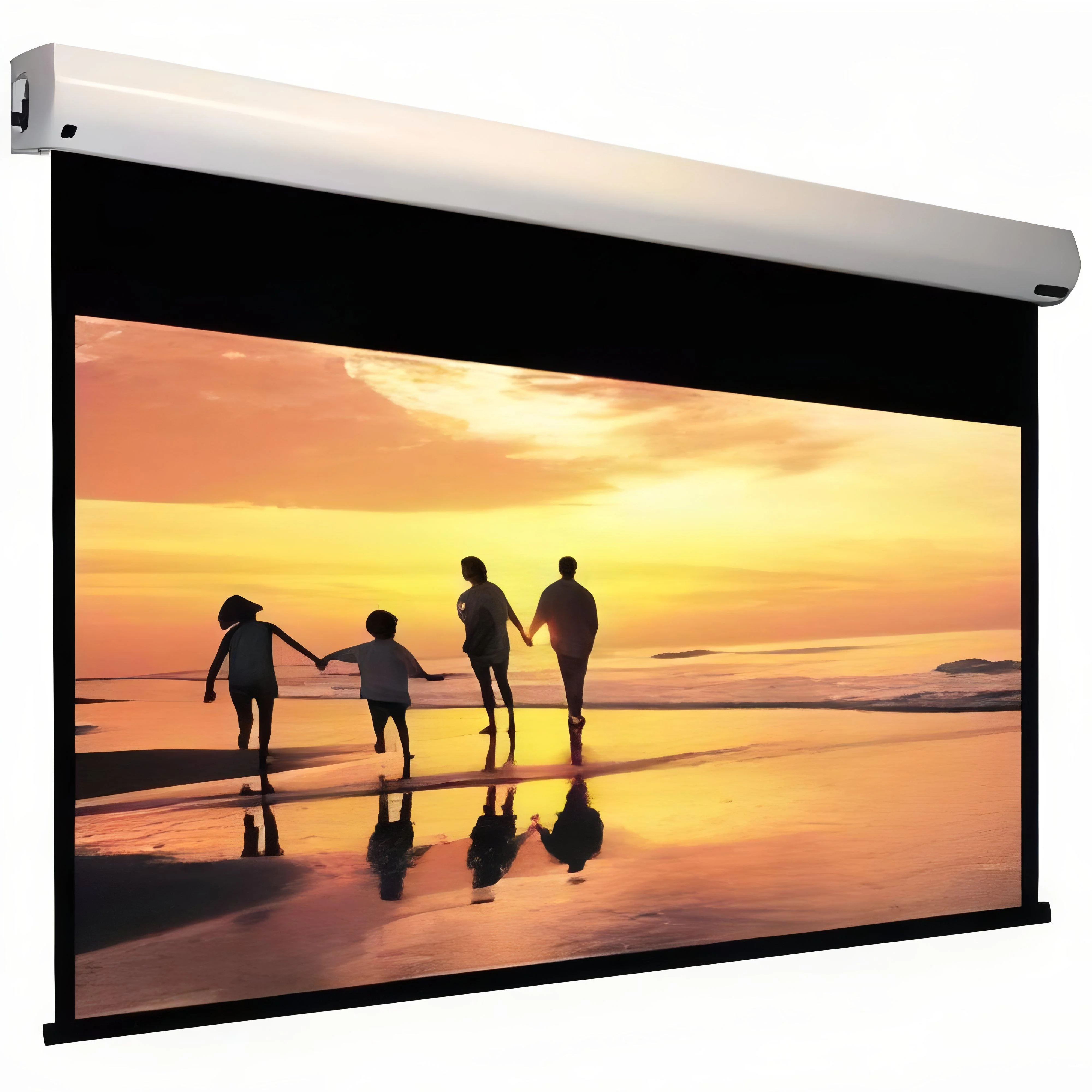
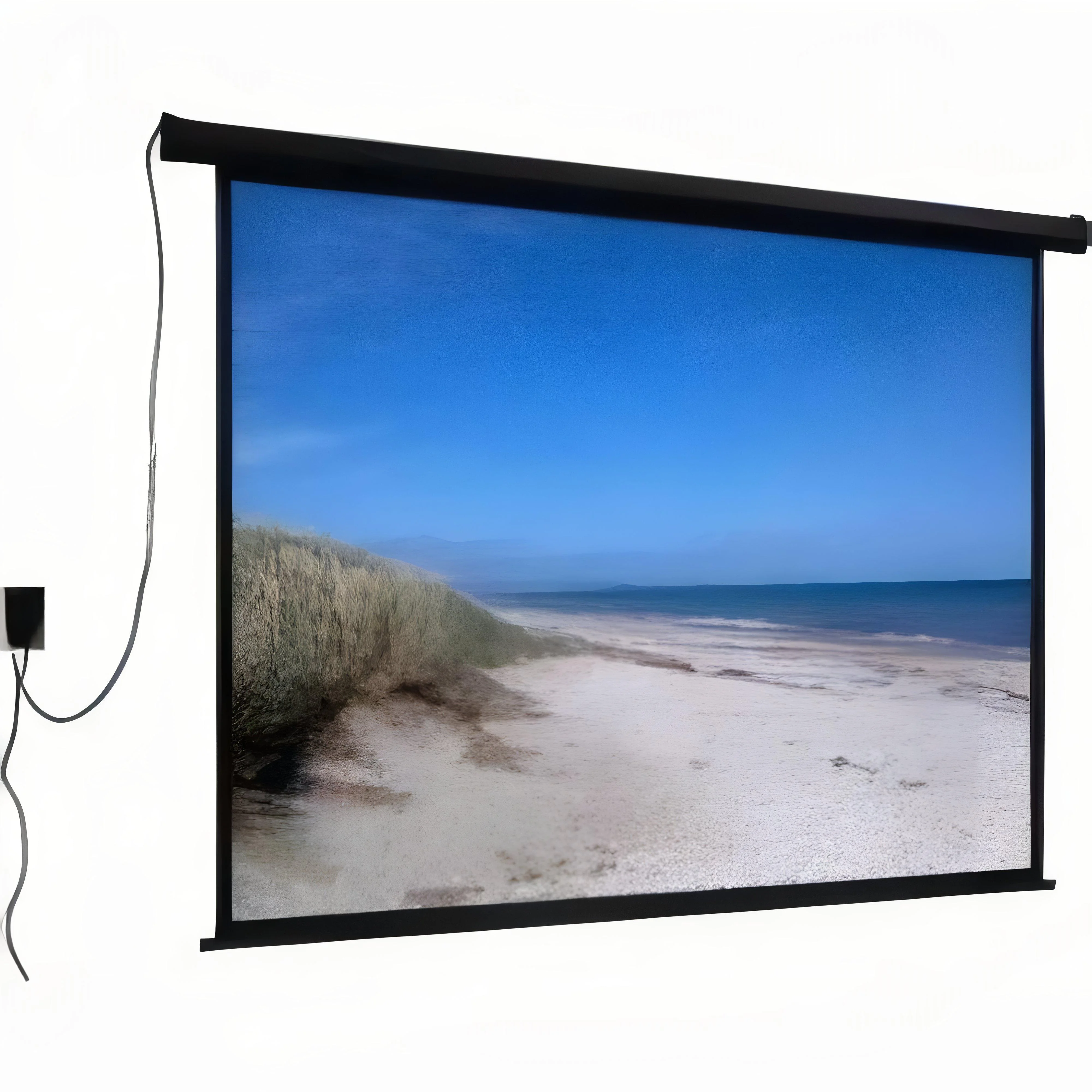
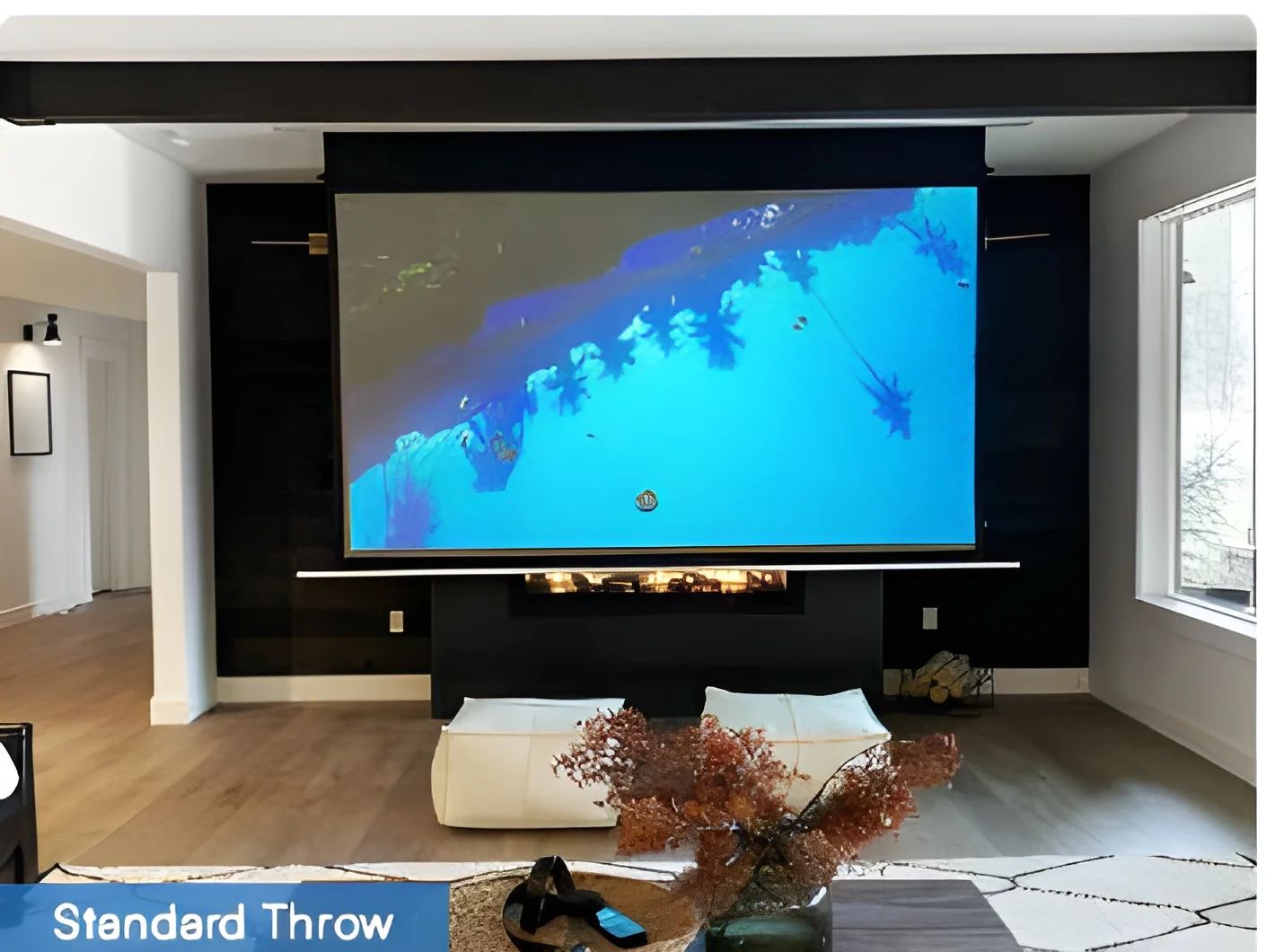
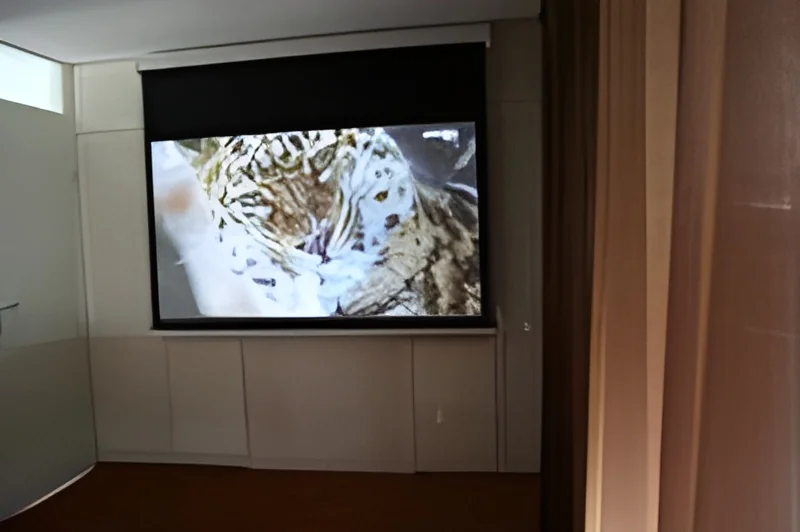
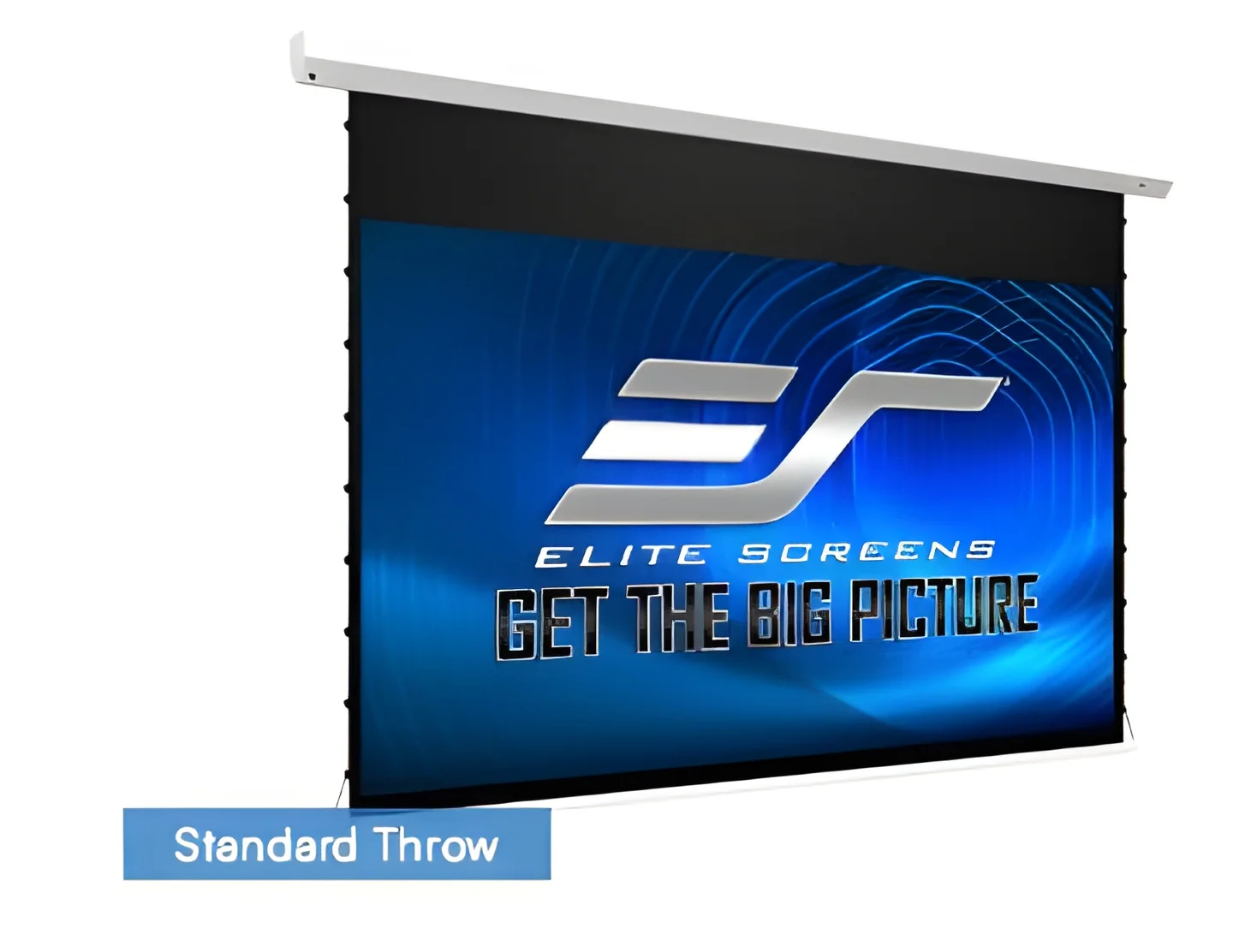
Electric Projection Screens: These screens offer the convenience of remote operation, making them ideal for professional settings. Users can easily adjust the screen height and position with a remote control, enhancing usability.
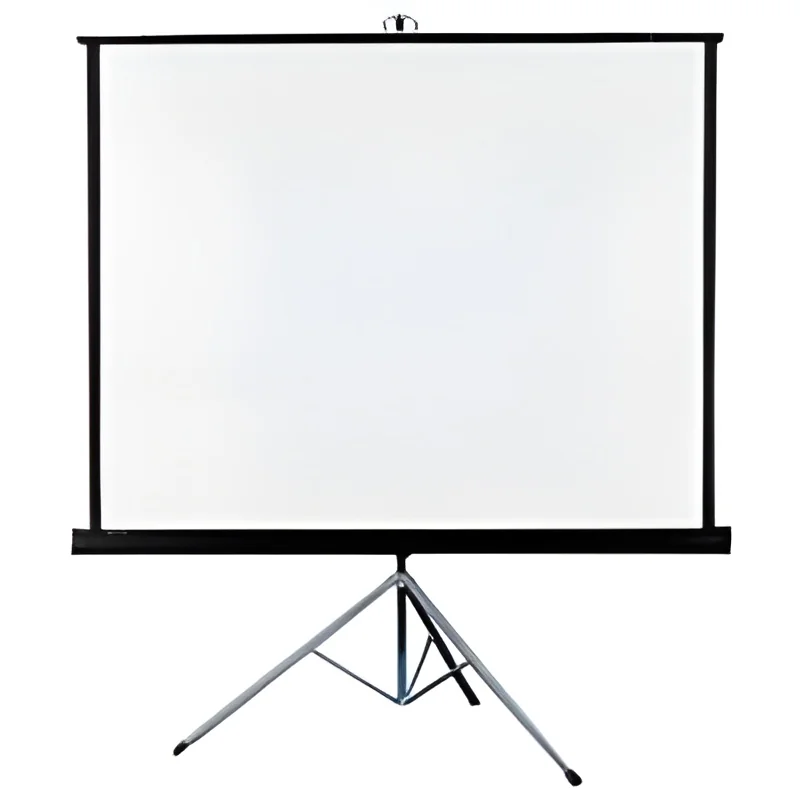
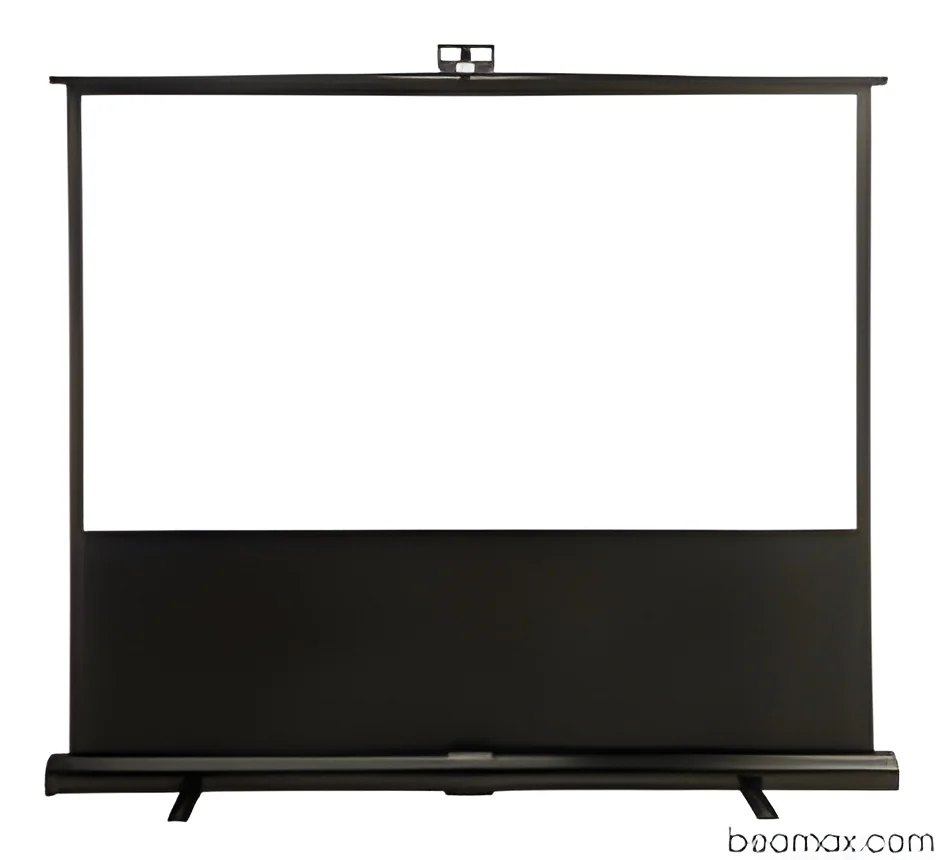
Portable Projection Screens: Designed for ease of transport, these screens are lightweight and can be set up quickly. They are perfect for traveling presenters or temporary installations.
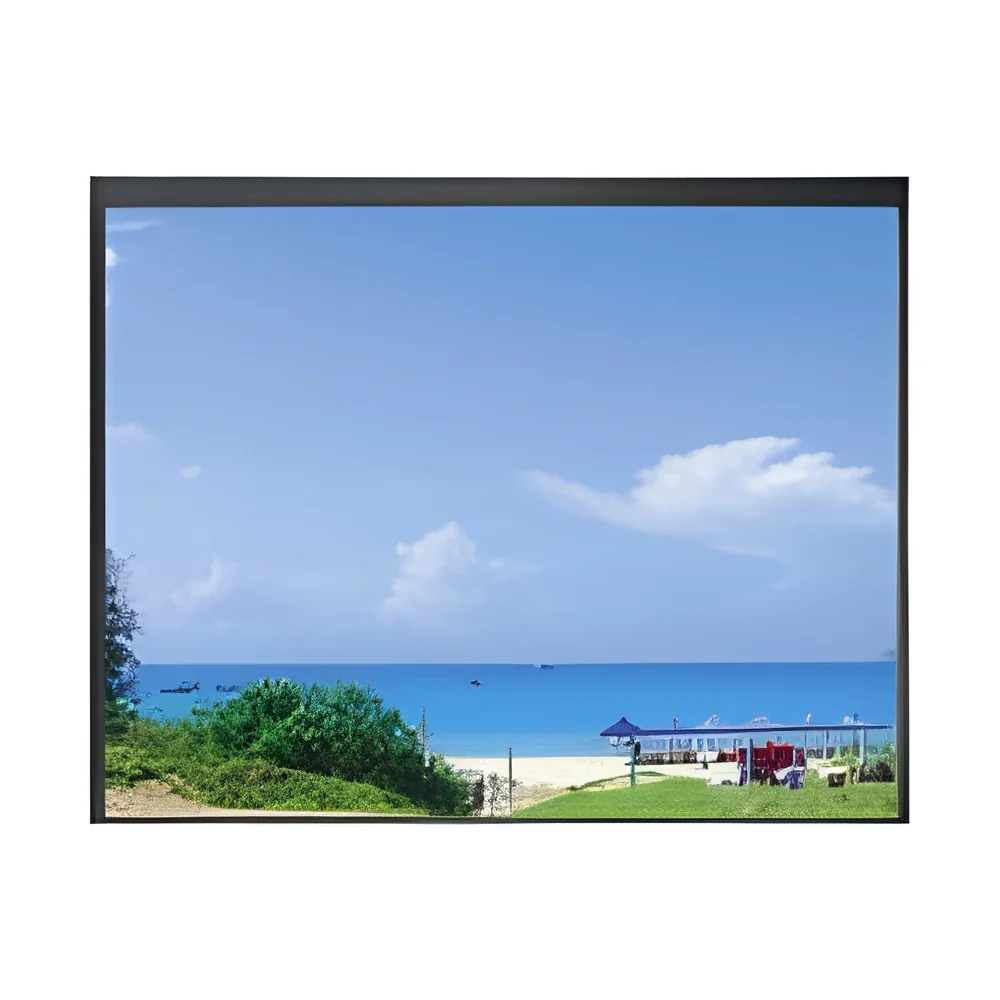
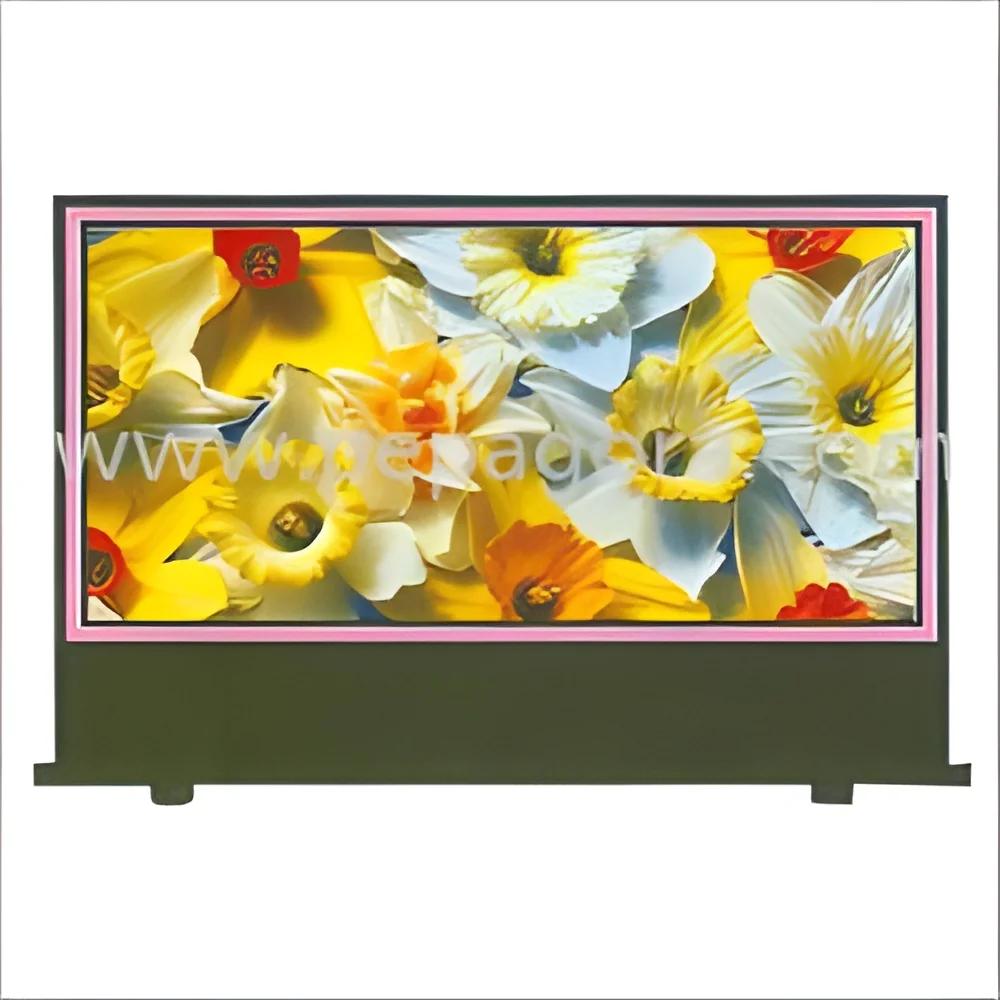
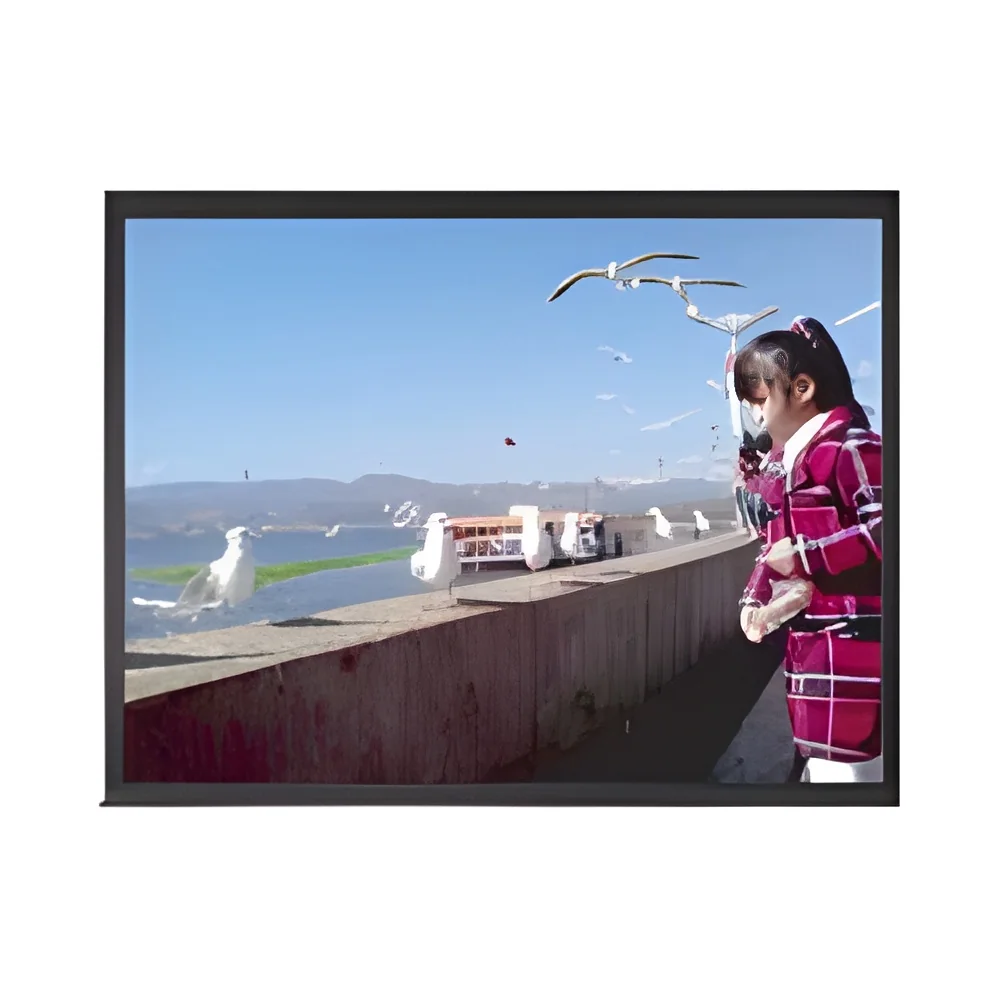
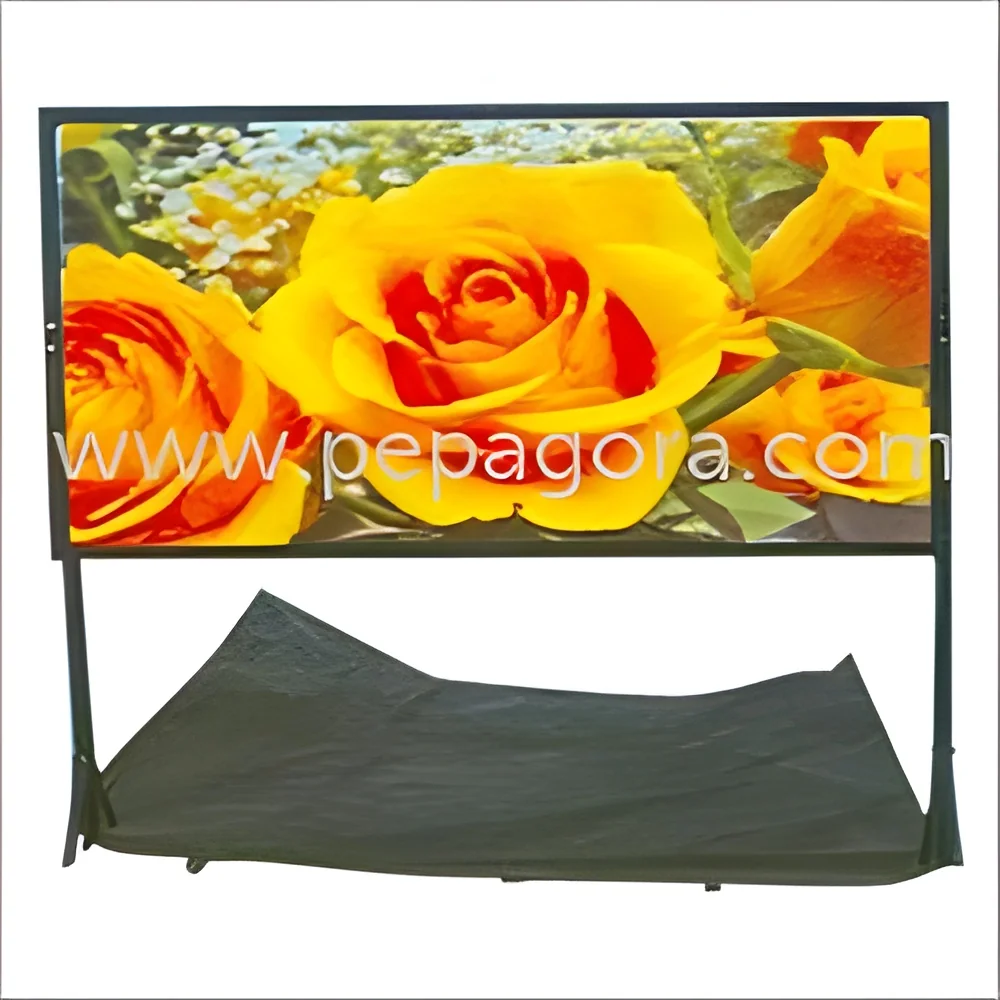
Fixed Frame Projection Screens: These screens have a rigid frame that keeps the surface taut, providing a smooth viewing experience. They are often used in dedicated home theaters or professional venues.
Benefits and Advantages
Investing in projection screens offers numerous advantages for businesses and organizations.
1. Enhanced Visual Quality: High-quality screens improve image clarity and color accuracy, making presentations more engaging and effective.
2. Versatility: Available in various types and sizes, projection screens can be used in multiple environments, from corporate settings to home theaters.
3. Easy Installation: Many screens are designed for simple installation, whether mounted on a wall or set up as a portable unit.
4. Increased Audience Engagement: Visual presentations help capture attention, making it easier to convey complex information.
5. Cost-Effective Solution: Compared to large displays, projection screens can provide a more affordable way to present visual content without sacrificing quality.
6. Space-Saving Options: Many models can be retracted when not in use, allowing for more flexible use of space.
Buying Guide for B2B Buyers
When considering the purchase of projection screens, B2B buyers should keep several key factors in mind.
1. Quality Assessment: Evaluate the screen material and construction quality to ensure durability and performance. Higher quality materials typically yield better image quality.
2. Supplier Verification: Research potential suppliers to confirm their reputation and reliability. Look for reviews, testimonials, and industry certifications.
3. Pricing and MOQ: Consider the cost of the screens and any minimum order quantities. Comparing pricing across suppliers can help in finding the best deal.
4. Delivery and Lead Times: Understand the delivery process and estimate lead times to plan for installation and usage effectively.
5. Compliance Requirements: Be aware of any necessary compliance and safety standards, such as CE certification, to ensure that the products meet regulatory requirements.
Compliance and Certifications
Compliance with industry standards is critical when sourcing projection screens. Relevant quality standards include ISO 9001, which focuses on quality management systems, ensuring that products are consistently produced to meet customer specifications.
CE certification is essential for products sold in the European market, indicating compliance with health, safety, and environmental protection standards. This certification assures buyers that the screens meet stringent safety criteria.
Additionally, safety and testing requirements may vary by region. Buyers should consider local compliance regulations to ensure that the products adhere to applicable laws.
Regional considerations also play a role in sourcing. Different countries may have specific requirements for audiovisual equipment, and understanding these can prevent compliance issues.
Why Source Projection Screens (Manual & Electric) from Pepagora?
Pepagora offers an excellent platform for sourcing projection screens, ensuring that buyers have access to a diverse selection of manual and electric options.
Verified Supplier Network: Pepagora connects buyers with a network of verified suppliers. This helps ensure that the products meet quality standards and that the suppliers are reputable.
Streamlined RFQ Process: The request for quotation (RFQ) system simplifies the purchasing process, allowing buyers to request quotes from multiple suppliers quickly and efficiently.
Trade Assurance and Support: Pepagora provides trade assurance, protecting buyers throughout the purchasing process. This adds an additional layer of security and confidence in their transactions.
Regional Coverage: With a focus on markets in India, the GCC, and Southeast Asia, Pepagora’s geographical reach allows buyers to access a wide range of products tailored to their specific regional needs.

 IN
IN