What are Interactive Projectors?
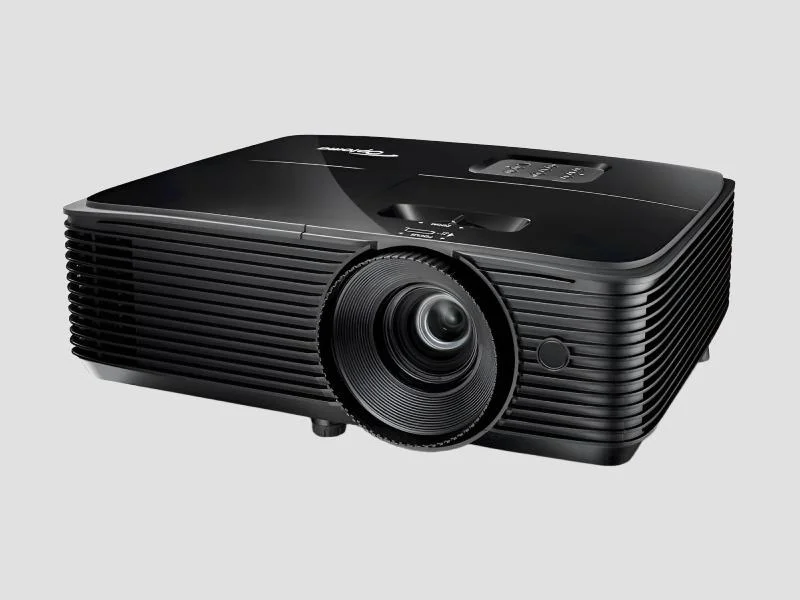
Interactive projectors are advanced display devices that transform any flat surface into an interactive screen. These projectors utilize specialized technology to project images and receive input from users through touch or stylus interaction. By combining projection and interactive capabilities, these devices facilitate engaging presentations, collaborative work, and enhanced learning experiences.
Businesses leverage interactive projectors in various applications, including education, corporate training, and marketing. In classrooms, they enable teachers to create immersive learning environments that captivate students’ attention. In corporate settings, teams can brainstorm and collaborate effectively during meetings. Additionally, marketing professionals use them for dynamic presentations that leave a lasting impression on potential clients.
The market for interactive projectors is growing, driven by the increasing demand for interactive technology in both education and business sectors. As organizations seek innovative ways to enhance communication and engagement, interactive projectors offer a versatile solution that meets diverse needs across various industries.
Key Features and Specifications
Interactive projectors come with a range of features designed to enhance usability and functionality. These specifications can vary based on model and manufacturer, but several key characteristics are common across most units.
Key specifications include:
1. Resolution
- The clarity of the projected image, typically ranging from XGA (1024 x 768) to Full HD (1920 x 1080) or even 4K (3840 x 2160).
2. Brightness
- Measured in lumens, this specification affects visibility in different lighting conditions. Brightness levels can range from 2500 to 5000 lumens.
3. Interactive Technology
- Many projectors use infrared or laser technology for touch detection, allowing users to interact directly with the projected image.
4. Connectivity Options
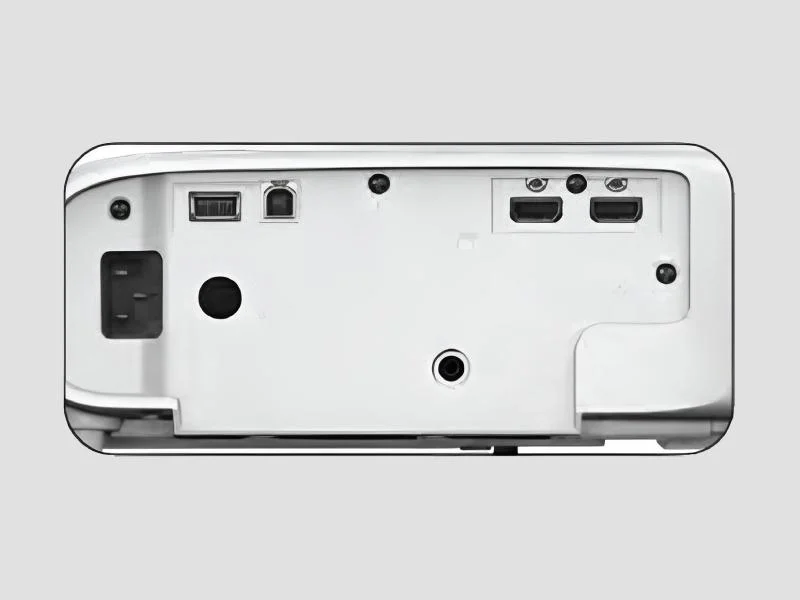
- Common connectivity features include HDMI, USB, and wireless options, enabling easy integration with various devices.
5. Throw Distance
- The distance from the projector to the screen, which affects the size of the projected image. Options can range from short throw to long throw.
6. Integrated Software
- Some models come with built-in applications for annotation, collaboration, and presentation, enhancing user experience.
7. Speaker Quality
- Integrated speakers may vary in quality, affecting audio output during presentations.
8. Portability
- Some interactive projectors are designed to be lightweight and portable, suitable for on-the-go presentations.
These features collectively enhance the functionality of interactive projectors, making them valuable tools for businesses and educational institutions.
Common Applications and Use Cases
Interactive projectors are utilized across multiple industries, demonstrating their versatility and effectiveness.
1. Education: In schools and universities, interactive projectors are used to create dynamic lessons, allowing teachers to present engaging content and facilitate interactive learning.
2. Corporate Training: Businesses use interactive projectors for training sessions, enabling effective knowledge transfer through interactive presentations and group activities.
3. Marketing: Companies leverage these projectors for product demonstrations and presentations at trade shows, capturing the attention of potential customers with engaging visuals.
4. Healthcare: In medical training and patient education, interactive projectors help convey complex information clearly and interactively.
5. Events and Exhibitions: Event planners use them to enhance attendee engagement, displaying interactive content that encourages participation.
6. Retail: Retailers use interactive projectors to create engaging in-store displays that attract customers and promote products.
7. Architecture and Design: Professionals in these fields use interactive projectors for presentations and client meetings, allowing real-time modifications and feedback.
Product Variants and Subcategories
Interactive projectors come in various models, each designed to meet specific needs and applications.
Portable Interactive Projectors
These models are lightweight and designed for mobility, making them ideal for on-the-go presentations. They often feature wireless connectivity and integrated batteries.
Short Throw Interactive Projectors
These projectors can project large images from a short distance, which is ideal for smaller rooms where space is limited. They are perfect for classrooms and small meeting rooms.
Ultra Short Throw Projectors
These projectors can be placed just inches from the screen, making them suitable for interactive displays in tight spaces. They are commonly used in collaborative work environments.
Benefits and Advantages
Interactive projectors offer numerous advantages that enhance user experience and engagement.
1. Enhanced Collaboration: They facilitate teamwork by allowing multiple users to engage with the content simultaneously, fostering a collaborative environment.
2. Increased Engagement: The interactive nature of these projectors captures attention and encourages active participation from users, making presentations more effective.
3. Versatility: Interactive projectors can be used in various settings, from classrooms to corporate offices, making them adaptable to different needs.
4. Improved Learning Outcomes: In educational settings, they have been shown to enhance learning by making lessons more interactive and enjoyable.
5. Cost-Effectiveness: Instead of multiple devices, a single interactive projector can serve numerous functions, reducing overall costs for businesses.
6. Easy Integration: With various connectivity options, they can easily integrate with existing technology, making them user-friendly.
Buying Guide for B2B Buyers
When considering the purchase of interactive projectors, B2B buyers should keep several critical factors in mind.
1. Quality Assessment: Evaluate the quality of the projector based on resolution, brightness, and interactive technology. High-quality projectors can significantly enhance user experience.
2. Supplier Verification: It is essential to vet suppliers for reliability and reputation. Look for reviews and testimonials from other businesses to ensure credibility.
3. Pricing and MOQ: Understand the pricing structure and minimum order quantities required by suppliers. This information is crucial for budgeting and planning.
4. Delivery and Lead Times: Assess logistics and delivery times, as timely access to technology is vital for business operations.
5. Compliance Requirements: Consider any industry-specific compliance needs, such as safety standards or regulatory certifications, to ensure the projector meets necessary guidelines.
Compliance and Certifications
Interactive projectors must adhere to various quality standards and certifications to ensure safety and performance. Key standards include ISO 9001, which outlines quality management principles, and CE certification, which indicates compliance with European safety standards.
Additionally, safety testing requirements may vary by region, necessitating that manufacturers meet specific guidelines. It is crucial for buyers to verify that the projectors they purchase comply with relevant regulations in their operational areas.
Regional compliance considerations must also be taken into account, as different countries may have distinct requirements for electronic devices. Understanding these factors helps ensure that businesses select compliant and safe products.
Why Source Interactive Projectors from Pepagora?
Pepagora offers a reliable platform for sourcing interactive projectors, providing significant advantages for B2B buyers.
Verified Supplier Network: Pepagora connects buyers with a network of verified suppliers, ensuring that all vendors meet quality and reliability standards. This verification process helps buyers make informed decisions.
Streamlined RFQ Process: The platform simplifies the request for quotation process, allowing buyers to easily obtain multiple quotes from suppliers. This efficiency saves time and enhances procurement strategies.
Trade Assurance and Support: Pepagora provides trade assurance, protecting buyers from potential issues during the purchasing process. The support team is available to assist with inquiries, ensuring a smooth experience.
Regional Coverage: With a presence in India, the GCC, and Southeast Asia, Pepagora offers extensive geographic reach. This enables buyers to access a diverse range of products and suppliers tailored to their regional needs.
By choosing to source interactive projectors from Pepagora, businesses can benefit from a comprehensive, secure, and efficient procurement process that meets their specific requirements.

 IN
IN