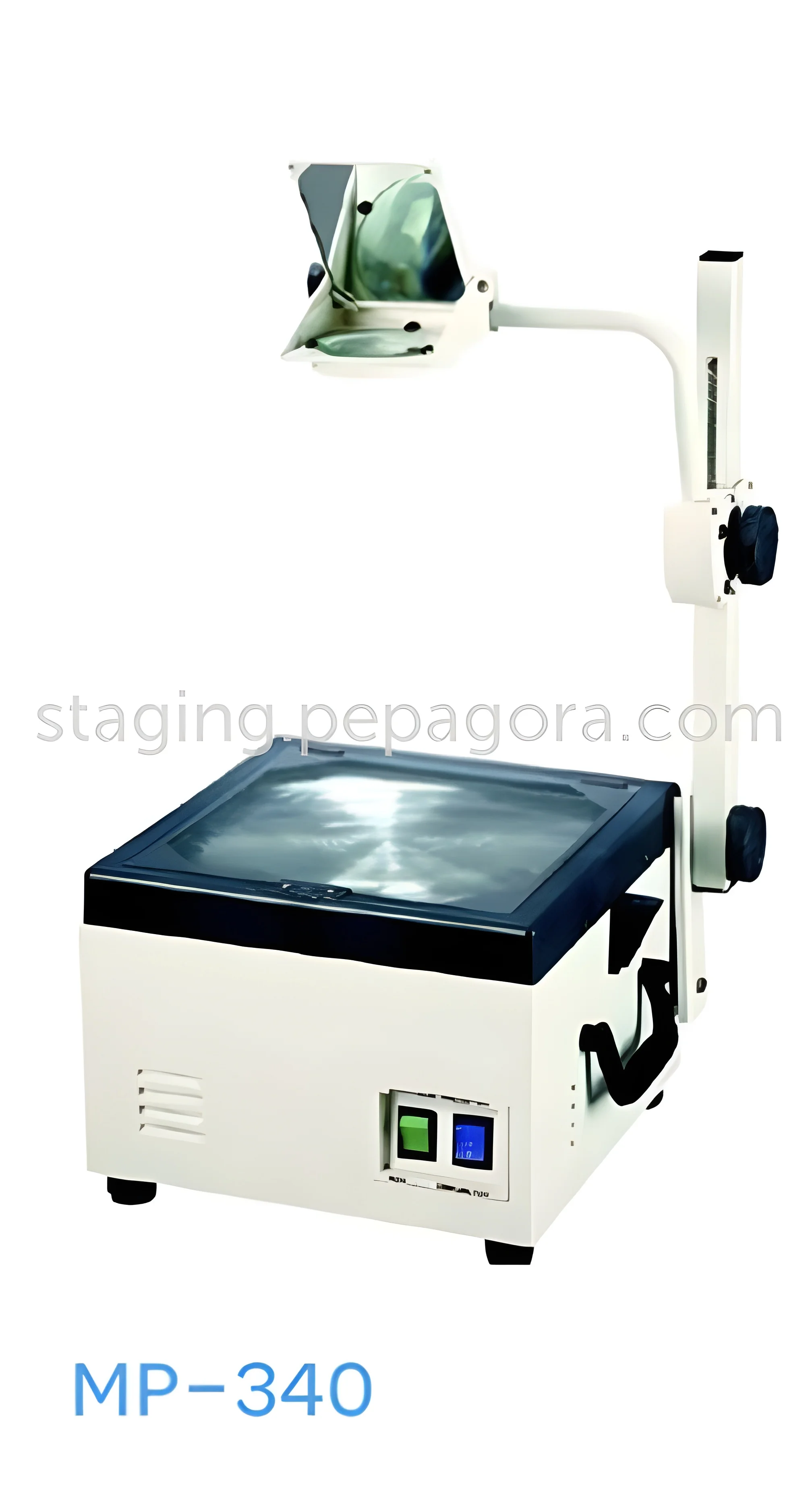
What are Overhead Projectors?
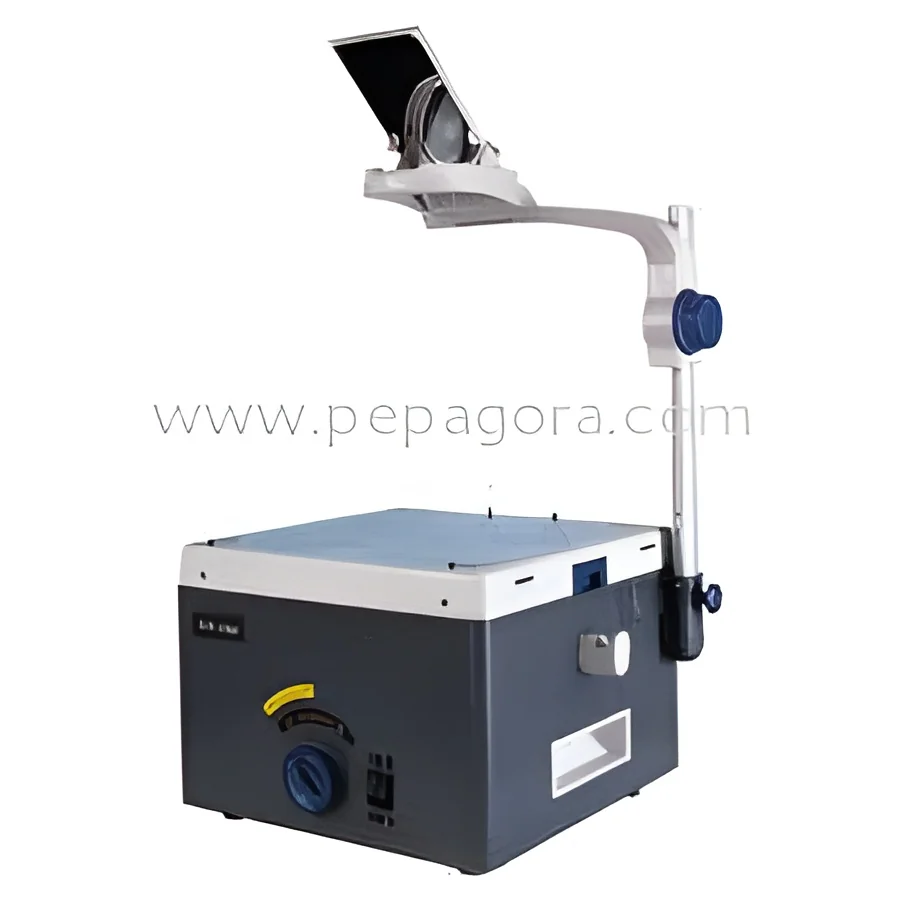
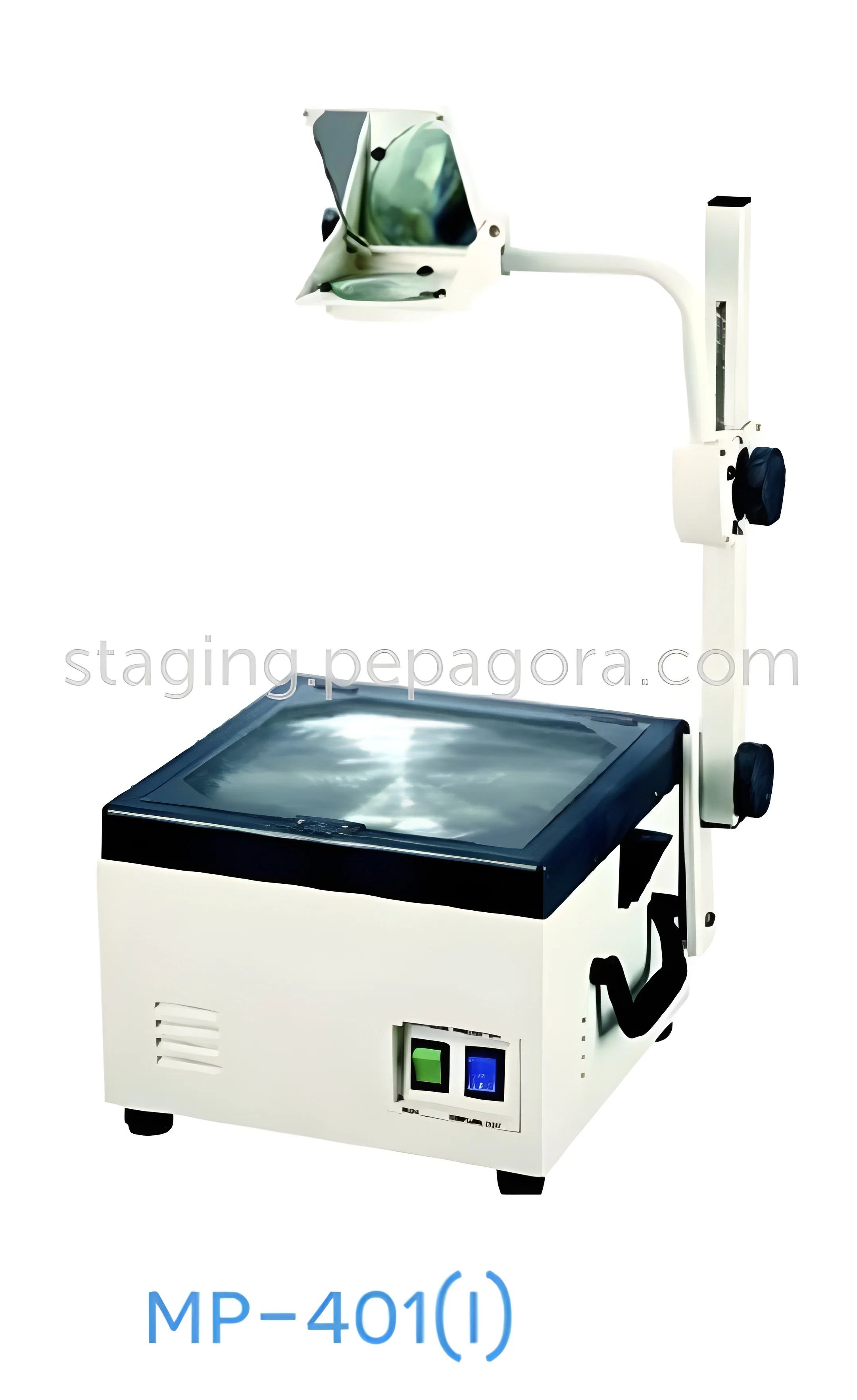
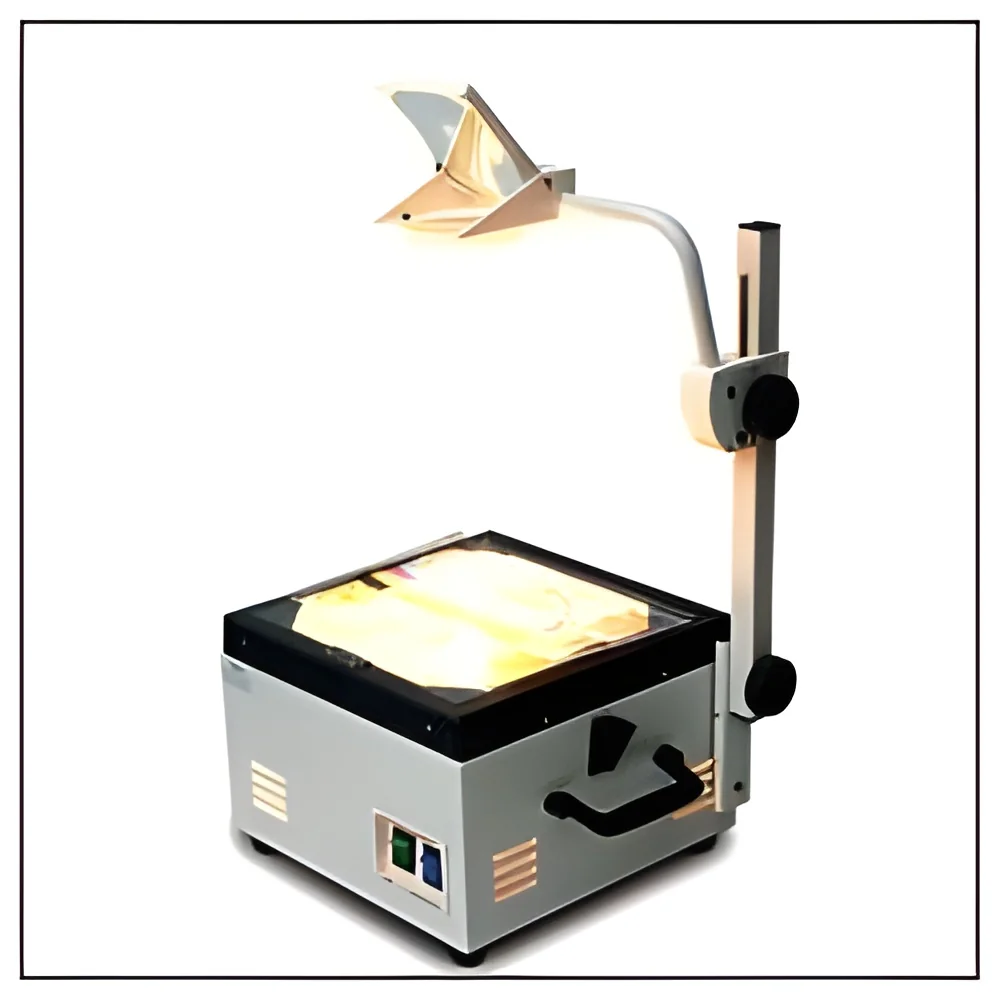
Overhead projectors are optical devices that project images from transparent sheets onto a surface, typically a wall or screen. These projectors utilize a light source to illuminate the transparency placed on the glass surface. The image is then magnified and displayed for an audience to view. They were widely used in educational and business settings before the rise of digital projectors, but they still hold relevance in certain applications today due to their simplicity and effectiveness.
In business settings, overhead projectors are primarily used for presentations, training sessions, and lectures. They allow presenters to display diagrams, charts, and written content clearly to an audience, facilitating effective communication. Despite the prevalence of digital technology, overhead projectors find applications in environments where quick setup and ease of use are paramount. Industries such as education, healthcare, and manufacturing continue to value these projectors for their reliability and straightforward operation.
The market for overhead projectors is evolving, with a focus on enhancing portability, brightness, and durability. While digital projectors have gained popularity, overhead projectors remain a cost-effective solution for many businesses. Their ability to operate without the need for complex technology makes them an attractive option for various industrial and educational applications.
Key Features and Specifications
Overhead projectors come with a variety of features that enhance their usability and performance. Understanding these features is crucial when selecting the right projector for your needs. Below are some key specifications that define the capabilities of overhead projectors.
Key specifications include:
1. Light Source
- Typically a halogen or LED lamp
- Brightness measured in lumens, usually ranging from 2000 to 4000 lumens
2. Projection Size
- Capable of projecting images from 30 inches to over 100 inches
- Adjustable focus to accommodate different sizes
3. Lens Type
- Standard lenses provide a fixed focal length
- Some models offer zoom lenses for variable projection sizes
4. Connectivity Options
- Basic models may have limited connectivity
- Advanced models include USB ports or HDMI connections for added versatility
5. Weight and Portability
- Lightweight designs often weigh between 5 to 15 pounds
- Compact models designed for easy transport
6. Durability
- Robust construction for long-term use
- Some models are built to withstand rugged environments
7. User Interface
- Simple controls for easy operation
- Remote control options available in select models
8. Energy Efficiency
- LED models consume less power
- Longer lamp life compared to traditional halogen lamps
In summary, selecting the right overhead projector involves understanding these specifications to meet specific business needs effectively.
Common Applications and Use Cases
Overhead projectors serve a wide range of industries and applications.
1. Education: In classrooms, overhead projectors are used to display educational materials, allowing teachers to present lessons interactively. They facilitate group discussions and enhance the learning experience.
2. Healthcare: Medical professionals use overhead projectors to present complex diagrams and patient information during meetings and training sessions, ensuring clarity in communication.
3. Manufacturing: In industrial settings, overhead projectors help in training employees on machinery operation and safety protocols, providing visual aids that enhance understanding.
4. Corporate Training: Businesses rely on overhead projectors for training sessions, ensuring that participants can easily view presentations and instructional materials.
5. Non-profit Organizations: These projectors are used in community outreach programs and workshops, making information accessible to audiences in various settings.
6. Events and Conferences: Overhead projectors can be an essential tool for speakers and presenters, allowing them to share visual content with large audiences easily.
7. Art and Design: Artists may use overhead projectors to enlarge images or designs onto canvases, aiding in the creation of murals or detailed artworks.
Product Variants and Subcategories
Overhead projectors come in different variants catering to specific needs. Each variant offers unique features designed for various applications.
Portable Overhead Projectors
These projectors are lightweight and easy to transport, making them ideal for on-the-go presentations. They typically offer basic features and are perfect for educators and trainers who need flexibility.
Heavy-Duty Overhead Projectors
Designed for industrial use, these projectors are built to withstand rigorous environments. They often feature enhanced durability and higher brightness levels suitable for large venues or outdoor settings.
Interactive Overhead Projectors
These advanced models allow users to interact with the projected content. They are suitable for educational and corporate environments where audience engagement is crucial.
Benefits and Advantages
Investing in overhead projectors provides numerous advantages for businesses and educational institutions.
1. Cost-Effectiveness: Overhead projectors are typically more affordable than digital projectors, making them an economical choice for organizations with limited budgets.
2. Ease of Use: Their straightforward operation allows users to set up and begin presentations quickly without extensive training.
3. Reliability: Overhead projectors have a long history of dependable performance and do not rely on complex software or hardware.
4. Minimal Maintenance: With fewer technical components, these projectors require less upkeep compared to digital alternatives.
5. Compatibility with Various Materials: They can project anything from transparencies to printed documents, providing versatility in presentation options.
6. Good Visibility: High brightness levels ensure that images are clear and visible even in well-lit environments.
Buying Guide for B2B Buyers
When sourcing overhead projectors, there are several important factors to consider to ensure a suitable purchase.
1. Quality Assessment: Evaluate the build quality and performance standards of the projector. Look for models with positive reviews and reliability in similar use cases.
2. Supplier Verification: Vet suppliers for their reputation and reliability. Check for customer feedback and supplier certifications to ensure you are working with a trustworthy partner.
3. Pricing and MOQ: Consider the cost of the projectors and inquire about minimum order quantities. Understanding the pricing structure can help in budgeting for bulk purchases.
4. Delivery and Lead Times: Discuss delivery options and lead times with suppliers to ensure that projectors will arrive on schedule for your needs.
5. Compliance Requirements: Familiarize yourself with relevant compliance standards applicable in your region, such as the CE certification, to ensure that the projectors meet safety and quality regulations.
Compliance and Certifications
Compliance and certifications are crucial for overhead projectors to ensure safety and quality in their operation. Many overhead projectors adhere to quality standards such as ISO 9001, which focuses on quality management systems and consistent product quality.
Additionally, industry certifications like CE (Conformité Européenne) indicate that the product meets European health, safety, and environmental protection standards. This is essential for ensuring the product is safe for use in various settings.
Safety requirements also play a significant role in compliance. Overhead projectors should undergo rigorous testing to ensure they operate safely and effectively without risk to users. Regional compliance considerations may vary, so it is important to check local regulations to ensure the projector meets all necessary standards.
Why Source Overhead Projectors from Pepagora?
Pepagora provides a trusted platform for sourcing overhead projectors, offering several key advantages for businesses looking to procure these devices.
Verified Supplier Network: Pepagora connects you with a network of verified suppliers, ensuring that you have access to quality products from reputable manufacturers. This verification process helps mitigate risks associated with sourcing equipment.
Streamlined RFQ Process: The platform features an efficient request for quotation (RFQ) system. This allows buyers to easily compare prices and specifications from multiple suppliers, ensuring they make an informed purchasing decision.
Trade Assurance and Support: Pepagora offers trade assurance to protect buyers throughout the purchasing process. This includes support for resolving disputes and ensuring that the products meet specified requirements.
Regional Coverage: With a broad geographic reach, Pepagora serves customers across India, the GCC, and Southeast Asia. This extensive coverage ensures that businesses can find suitable suppliers regardless of their location, facilitating easier procurement.

 IN
IN