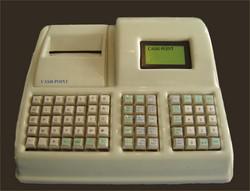
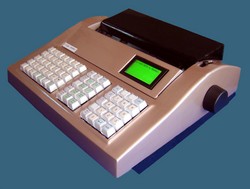
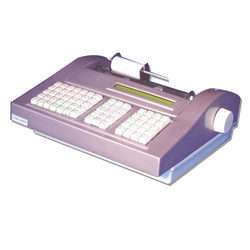
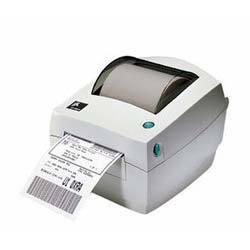
𝗪𝗵𝗮𝘁 𝗮𝗿𝗲 𝗣𝗢𝗦 𝘄𝗶𝘁𝗵 𝗜𝗻𝘃𝗲𝗻𝘁𝗼𝗿𝘆 𝗠𝗮𝗻𝗮𝗴𝗲𝗺𝗲𝗻𝘁?
POS with Inventory Management refers to a system that integrates point-of-sale capabilities with inventory control features. This technology allows businesses to manage sales transactions while simultaneously tracking inventory levels in real-time. By combining these functionalities, companies can enhance operational efficiency, reduce manual errors, and streamline their supply chain processes.
These systems are primarily used in retail, hospitality, and various service-oriented industries. They enable businesses to monitor stock levels, manage orders, and generate reports that provide insights into sales performance and inventory turnover. The integration of POS and inventory management is crucial for businesses aiming to maintain optimal stock levels, minimize costs, and improve customer satisfaction.
In today's competitive market, the relevance of POS with Inventory Management cannot be overstated. With e-commerce growth and changing consumer behaviors, businesses must leverage technology to stay ahead. These systems are becoming increasingly popular as they offer a comprehensive solution to managing sales and inventory, making them essential tools for businesses looking to thrive.
𝗞𝗲𝘆 𝗙𝗲𝗮𝘁𝘂𝗿𝗲𝘀 𝗮𝗻𝗱 𝗦𝗽𝗲𝗰𝗶𝗳𝗶𝗰𝗮𝘁𝗶𝗼𝗻𝘀
POS with Inventory Management systems come equipped with a variety of features designed to enhance usability and functionality. These features enable businesses to efficiently manage both sales and inventory, providing a comprehensive overview of operations.
Key specifications include:
1. Sales Tracking
- Real-time monitoring of sales transactions
- Detailed reporting on sales trends and patterns
2. Inventory Control
- Automatic stock level updates after each sale
- Alerts for low stock levels to prevent shortages
3. User Management
- Role-based access for employees and managers
- Secure login features to protect sensitive data
4. Integration Capabilities
- Compatibility with e-commerce platforms and accounting software
- Support for third-party applications to enhance functionality
5. Payment Processing
- Support for multiple payment methods, including credit cards and digital wallets
- Fast transaction processing to reduce customer wait times
6. Reporting and Analytics
- In-depth analytics on sales performance and inventory turnover
- Customizable reports for better business insights
7. Customer Relationship Management
- Tools to track customer preferences and purchase history
- Loyalty program integration to enhance customer retention
8. Mobile Access
- Cloud-based solutions for remote access
- Mobile apps for managing sales and inventory on the go
In summary, these key features and specifications make POS with Inventory Management systems vital for businesses looking to optimize their operations and improve customer service.
𝗖𝗼𝗺𝗺𝗼𝗻 𝗔𝗽𝗽𝗹𝗶𝗰𝗮𝘁𝗶𝗼𝗻𝘀 𝗮𝗻𝗱 𝗨𝘀𝗲 𝗖𝗮𝘀𝗲𝘀
POS with Inventory Management systems are versatile tools used across various industries. They provide tailored solutions to meet the specific needs of different sectors.
1. Retail: Retailers utilize these systems to manage product inventory, track sales, and analyze customer behavior. This helps them optimize stock levels and create targeted marketing campaigns.
2. Hospitality: Restaurants and hotels benefit from integrated POS systems that manage orders, track menu items, and streamline service operations, resulting in enhanced customer experiences.
3. E-commerce: Online retailers leverage these systems to synchronize inventory across multiple sales channels, ensuring accurate stock levels and timely order fulfillment.
4. Manufacturing: Manufacturers use POS with Inventory Management tools to track raw materials and finished goods, facilitating smoother production processes and supply chain management.
5. Wholesale Distribution: Distributors rely on these systems to manage bulk inventory, streamline order processing, and maintain accurate records of sales and deliveries.
6. Health and Beauty: Salons and spas utilize POS systems to manage product sales, track appointments, and monitor inventory for beauty supplies.
7. Grocery Stores: Grocery retailers implement these systems to manage perishables, track inventory turnover, and reduce waste.
𝗣𝗿𝗼𝗱𝘂𝗰𝘁 𝗩𝗮𝗿𝗶𝗮𝗻𝘁𝘀 𝗮𝗻𝗱 𝗦𝘂𝗯𝗰𝗮𝘁𝗲𝗴𝗼𝗿𝗶𝗲𝘀
POS with Inventory Management systems come in various formats to accommodate diverse business needs. Each variant offers unique features tailored to different operational requirements.
Cloud-Based POS
This variant allows businesses to access their POS and inventory management systems from anywhere with an internet connection. It typically offers real-time updates and integration with e-commerce platforms, making it ideal for retailers with both physical and online stores.
On-Premise POS
On-premise systems are installed locally on business servers. They provide robust data security and can be customized according to specific business needs. This variant is suitable for businesses with strict data compliance requirements.
Mobile POS
Mobile POS systems are designed for on-the-go transactions. They often come in the form of tablets or smartphones and are ideal for businesses that require flexibility, such as food trucks or pop-up shops.
Integrated Systems
These systems combine various functionalities, including customer relationship management and accounting, within a single platform. They are ideal for businesses looking for a comprehensive solution to streamline operations.
𝗕𝗲𝗻𝗲𝗳𝗶𝘁𝘀 𝗮𝗻𝗱 𝗔𝗱𝘃𝗮𝗻𝘁𝗮𝗴𝗲𝘀
Implementing a POS with Inventory Management system provides numerous advantages for businesses.
Key benefits include:
1. Improved Efficiency: Automating sales and inventory tracking reduces manual processes, saving time and minimizing errors.
2. Enhanced Customer Satisfaction: Real-time inventory tracking ensures that customers receive accurate information about product availability.
3. Better Decision Making: Comprehensive reporting and analytics provide insights that help businesses make informed decisions regarding inventory and sales strategies.
4. Cost Savings: By minimizing overstock and stockouts, businesses can reduce carrying costs and improve cash flow.
5. Streamlined Operations: Integrated systems facilitate seamless communication between sales and inventory, leading to smoother business operations.
6. Scalability: As businesses grow, these systems can easily adapt to changing needs and increased transaction volumes.
𝗕𝘂𝘆𝗶𝗻𝗴 𝗚𝘂𝗶𝗱𝗲 𝗳𝗼𝗿 𝗕𝟮𝗕 𝗕𝘂𝘆𝗲𝗿𝘀
When sourcing POS with Inventory Management systems, several factors should be considered to ensure the best fit for your business.
1. Quality Assessment: Evaluate the system's reliability and performance through user reviews and case studies. Ensure it meets industry standards.
2. Supplier Verification: Investigate potential suppliers by checking their credentials and customer feedback. A reputable supplier will offer consistent support and service.
3. Pricing and MOQ: Understand the pricing structure and minimum order quantities. Compare costs among different suppliers to ensure you receive competitive pricing.
4. Delivery and Lead Times: Confirm delivery timelines and lead times for implementation. Timely delivery is crucial for minimizing disruptions.
5. Compliance Requirements: Ensure the system complies with relevant regulations and industry standards. This is particularly important for businesses operating in regulated industries.
𝗖𝗼𝗺𝗽𝗹𝗶𝗮𝗻𝗰𝗲 𝗮𝗻𝗱 𝗖𝗲𝗿𝘁𝗶𝗳𝗶𝗰𝗮𝘁𝗶𝗼𝗻𝘀
POS with Inventory Management systems must adhere to various quality standards and certifications to ensure reliability and safety. Key compliance factors include:
ISO 9001: This standard outlines the requirements for a quality management system. Adhering to ISO 9001 ensures that products meet customer and regulatory requirements consistently.
CE Certification: This certification indicates that a product meets European health, safety, and environmental protection standards. It is essential for systems sold within the European Union.
Safety and Testing Requirements: Manufacturers must conduct rigorous testing to ensure the safety and functionality of their systems. This includes electrical safety tests and software quality assurance.
Regional Compliance Considerations: Businesses should be aware of local regulations that may affect the use of POS systems. Compliance with regional laws is critical for avoiding legal issues and ensuring customer trust.
𝗪𝗵𝘆 𝗦𝗼𝘂𝗿𝗰𝗲 𝗣𝗢𝗦 𝘄𝗶𝘁𝗵 𝗜𝗻𝘃𝗲𝗻𝘁𝗼𝗿𝘆 𝗠𝗮𝗻𝗮𝗴𝗲𝗺𝗲𝗻𝘁 𝗳𝗿𝗼𝗺 𝗣𝗲𝗽𝗮𝗴𝗼𝗿𝗮?
Pepagora is an ideal platform for sourcing POS with Inventory Management systems, offering several key advantages to B2B buyers.
Verified Supplier Network: Pepagora ensures that all suppliers are thoroughly vetted for quality and reliability. This guarantees that businesses can source products from trusted manufacturers.
Streamlined RFQ Process: The platform features a user-friendly request-for-quotation system that simplifies the procurement process. Buyers can easily compare offers from multiple suppliers to find the best deal.
Trade Assurance and Support: Pepagora provides buyer protection through trade assurance, ensuring that transactions are secure and that buyers receive the products as promised. This support fosters confidence in the sourcing process.
Regional Coverage: With a strong presence in India, the GCC, and Southeast Asia, Pepagora offers extensive geographic reach. This allows businesses to find suppliers that cater to their specific regional needs, ensuring timely delivery and support.

 IN
IN

 India
India