Key Features and Specifications
Patient gowns for pre-operative and post-operative use come with a range of features designed to enhance patient comfort and usability. These gowns are produced with specific specifications that cater to the needs of both patients and healthcare providers.
Key specifications include:
1. Material Composition
- Typically made from cotton or a cotton blend for comfort and breathability
- Fabric is often hypoallergenic to minimize skin irritation
2. Design Features
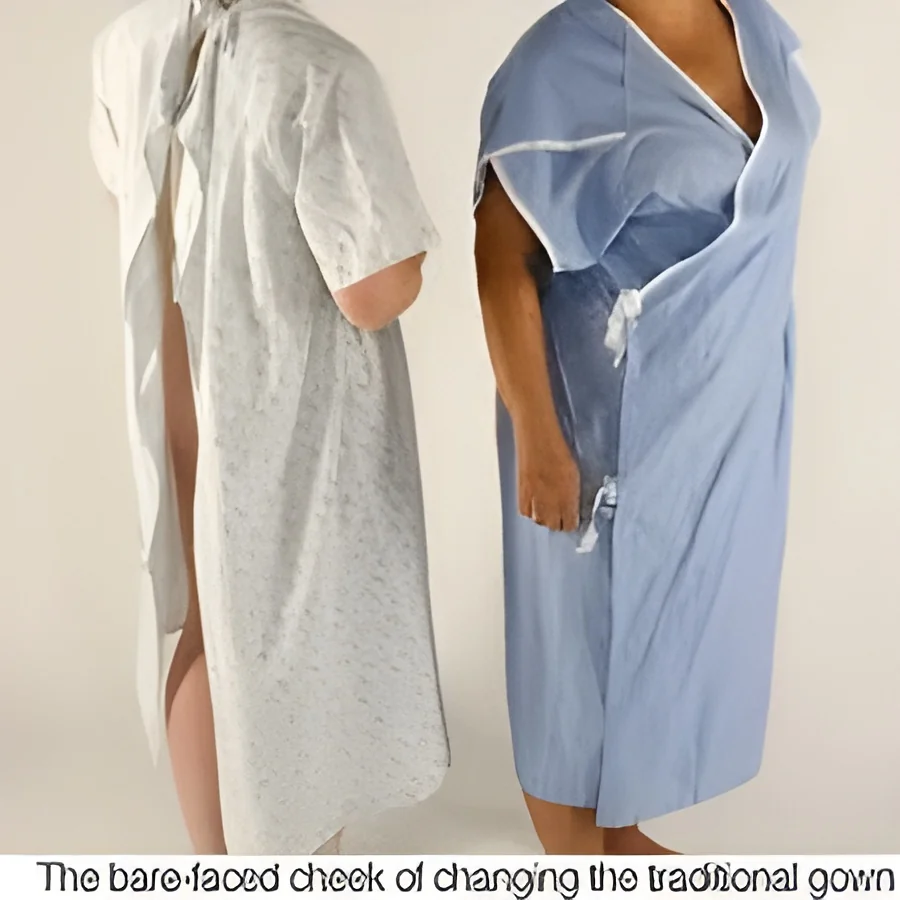
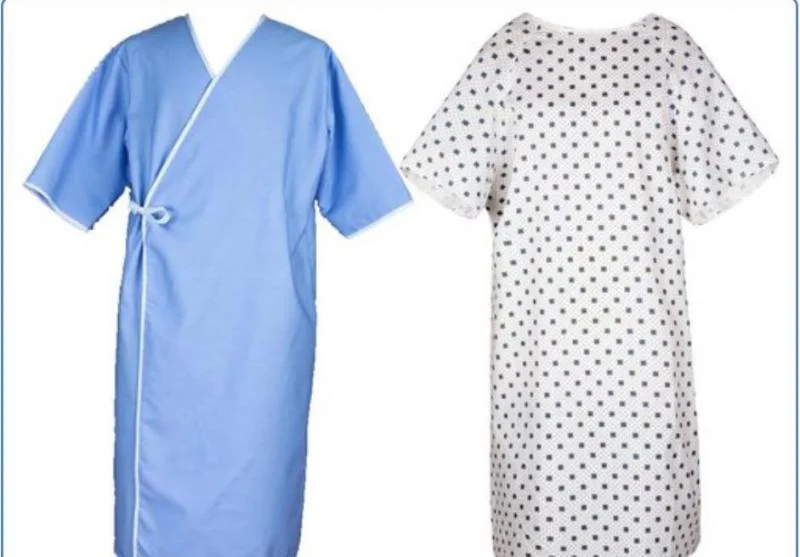
- Open back design with tie or snap closures for easy access
- Available in various sizes to accommodate different body types
3. Color and Pattern Options
- Available in a variety of colors and patterns for aesthetic appeal
- Option for custom branding or logos for healthcare facilities
4. Durability
- Machine washable and designed for repeated use
- Resistant to wear and tear to withstand hospital laundering processes
5. Compliance Standards
- Meets relevant healthcare safety standards, including CE certification
- Adheres to guidelines for patient apparel in medical settings
6. Comfort Considerations
- Soft seams and tags to prevent discomfort during wear
- Lightweight fabric to ensure ease of movement
7. Accessibility
- Designed to allow for easy access to medical devices and monitoring equipment
- Suitable for use with IV lines and other medical accessories
This range of features ensures that patient gowns provide a functional and comfortable experience, meeting the diverse needs of patients in various medical settings.
Common Applications and Use Cases
Patient gowns (pre/post-op) serve multiple industries, primarily within the healthcare sector.
1. Hospitals: Patient gowns are widely used in hospitals during surgical procedures and routine examinations, providing comfort and accessibility for patients.
2. Surgical Centers: They are essential in outpatient surgical centers, where quick changes and easy access to the patient’s body are necessary for efficient care.
3. Clinics: In outpatient clinics, these gowns allow for patient examinations while ensuring modesty and comfort.
4. Rehabilitation Centers: Patient gowns are used in rehabilitation settings for ease of movement during therapy sessions.
5. Long-Term Care Facilities: Gowns are utilized in long-term care facilities, offering comfort and dignity to residents during medical assessments.
6. Home Healthcare: For home healthcare services, patient gowns allow caregivers to provide medical attention while ensuring patient comfort.
7. Emergency Rooms: In emergency rooms, these gowns are crucial for quick access and treatment of patients in urgent situations.
Product Variants and Subcategories
Patient gowns are diverse in their design and application, catering to the specific needs of different healthcare environments.
Variant 1: Standard Patient Gown
This variant features a classic design with an open back and ties. It is suitable for general use in hospitals and clinics, providing comfort and accessibility for routine examinations and surgeries.
Variant 2: Bariatric Patient Gown
Designed for larger body types, this gown offers extra room and comfort. It maintains the same open-back design and is ideal for use in hospitals and outpatient settings.
Variant 3: Pediatric Patient Gown
Designed specifically for children, this gown features fun colors and patterns. It aims to ease anxiety and provide comfort for younger patients during medical procedures.
Variant 4: Surgical Patient Gown
This variant is made from specialized materials that are fluid-resistant. It is designed for surgical environments, providing protection and ease of access for medical staff.
Benefits and Advantages
Patient gowns (pre/post-op) offer several key benefits that improve the overall experience for patients and healthcare providers.
1. Enhanced Comfort: These gowns are made from soft, breathable fabrics that ensure patients feel comfortable during their medical procedures.
2. Improved Accessibility: The design of patient gowns allows for quick access to the patient's body, facilitating examinations and treatments.
3. Patient Dignity: By providing a modest attire option, these gowns help maintain patient dignity during medical procedures.
4. Customization Options: Many manufacturers offer customizable gowns, allowing healthcare facilities to display branding or logos.
5. Cost-Effectiveness: Durable materials ensure that these gowns can withstand multiple washes, making them a cost-effective choice for healthcare facilities.
6. Compliance Assurance: Patient gowns are designed to meet industry standards, ensuring compliance with healthcare regulations and safety requirements.
Buying Guide for B2B Buyers
When sourcing Patient Gowns (Pre/Post-Op), several factors should be considered to ensure the right choice for healthcare needs.
1. Quality Assessment: Evaluate the quality of materials used in the gowns. Look for hypoallergenic fabrics that are soft and comfortable for patients.
2. Supplier Verification: Ensure that suppliers have a proven track record in the healthcare industry. Check for certifications and reviews to validate their reliability.
3. Pricing and MOQ: Understand the pricing structure and minimum order quantities (MOQ) required by suppliers. Compare costs to find the best value for your facility.
4. Delivery and Lead Times: Inquire about delivery schedules and lead times to ensure timely access to essential medical supplies.
5. Compliance Requirements: Confirm that the gowns comply with relevant healthcare regulations and safety standards, such as CE certification.
Compliance and Certifications
Patient gowns (pre/post-op) must adhere to various quality standards and industry certifications to ensure safety and reliability in medical settings.
Relevant quality standards include ISO 9001, which ensures consistent quality management systems in manufacturing. Compliance with HACCP (Hazard Analysis Critical Control Point) guidelines is crucial for maintaining safety in healthcare environments.
The CE certification signifies that the gowns meet European health, safety, and environmental protection standards. This certification is essential for products used in medical settings to guarantee patient safety.
Additionally, patient gowns should undergo rigorous testing to ensure they meet safety requirements. This includes assessments for durability, comfort, and effectiveness in preventing contamination.
Regional compliance considerations may vary, so it is important for healthcare facilities to understand local regulations to ensure that the gowns meet all necessary requirements.
Why Source Patient Gowns (Pre/Post-Op) from Pepagora?
Pepagora provides a trusted platform for sourcing Patient Gowns (Pre/Post-Op) with several key advantages that benefit B2B buyers.
Verified Supplier Network: Pepagora connects buyers with a network of verified suppliers who have established credibility in the healthcare industry. This ensures that buyers can source quality products with confidence.
Streamlined RFQ Process: The platform offers a user-friendly request for quotation (RFQ) process, allowing buyers to efficiently compare offers from multiple suppliers and make informed purchasing decisions.
Trade Assurance and Support: Pepagora provides trade assurance, protecting buyers from potential risks associated with transactions. The support team is available to assist with any inquiries throughout the purchasing process.
Regional Coverage: With a strong presence in India, the GCC, and Southeast Asia, Pepagora offers extensive regional coverage, making it easier for healthcare facilities to access quality patient gowns tailored to their needs.

 IN
IN
 India
India