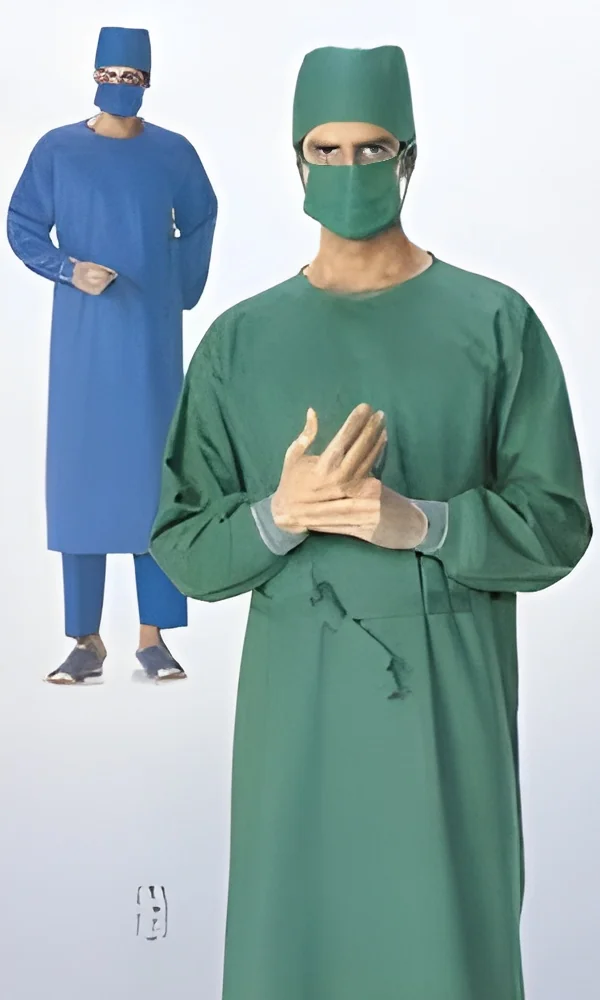
What are Hospital Security Uniforms?
Hospital security uniforms are specialized attire designed for personnel responsible for maintaining safety and security within healthcare facilities. These uniforms typically include features that enhance visibility, comfort, and protection, allowing security staff to effectively perform their duties in a variety of situations. The design and materials used in these uniforms are tailored to the unique demands of a hospital environment, where quick response and professional appearance are paramount.
The primary uses of hospital security uniforms are to identify security personnel clearly and to provide them with functional clothing suited to their roles. Security staff are often the first point of contact in emergencies, making it essential for them to be easily recognizable. In addition to safeguarding patients and staff, these uniforms contribute to a sense of order and professionalism within the hospital setting. The healthcare industry, increasingly focused on safety and patient care, has seen a growing emphasis on the importance of well-equipped security teams, further driving the demand for high-quality uniforms.
In today's market, the relevance of hospital security uniforms is underscored by the increasing need for heightened security measures in healthcare facilities. With rising concerns about safety, the demand for uniforms that not only serve a functional purpose but also convey authority and trustworthiness has never been more critical. Hospitals are investing in security apparel that meets their operational needs while adhering to industry standards.
Key Features and Specifications
Hospital security uniforms come with a range of features designed to optimize performance and comfort for security personnel. These features are crucial for ensuring that staff can operate effectively in high-pressure situations.
Key specifications include:
1. Fabric Composition
- Made from durable, breathable materials
- Often includes moisture-wicking properties for comfort
2. Visibility Enhancements
- High-visibility colors and reflective strips
- Ensures security personnel are easily spotted
3. Design and Fit
- Tailored for ease of movement
- Available in various sizes to accommodate all personnel
4. Pockets and Storage
- Multiple pockets for carrying essential gear
- Designed for quick access to tools and equipment
5. Safety Features
- Reinforced stitching for durability
- Some designs may include anti-stab or anti-cut materials
6. Compliance with Standards
- Often meets or exceeds industry standards and regulations
- Adheres to safety and quality certifications
7. Easy Maintenance
- Machine washable and resistant to stains
- Designed for quick drying and minimal ironing
8. Customization Options
- Available for embroidery or screen printing
- Allows for department logos and personalization
Overall, the combination of these features ensures that hospital security uniforms are both functional and professional, meeting the unique demands of the healthcare environment.
Common Applications and Use Cases
Hospital security uniforms are utilized across various sectors within the healthcare industry.
1. Acute Care Hospitals: Security personnel in acute care settings require uniforms that provide comfort and mobility, allowing them to respond quickly to emergencies while maintaining a professional appearance.
2. Long-term Care Facilities: In long-term care environments, uniforms help establish a sense of safety and trust among residents and staff, ensuring that security personnel are easily identifiable.
3. Emergency Rooms: Emergency room security requires uniforms that are not only functional but also highly visible, allowing for rapid identification during high-stress situations.
4. Behavioral Health Units: In behavioral health settings, uniforms must balance security needs with a calming presence, promoting a non-threatening atmosphere for patients.
5. Outpatient Clinics: Security personnel in outpatient clinics wear uniforms that convey professionalism and authority, fostering a secure environment for patients and visitors.
6. Rehabilitation Centers: In rehabilitation centers, security staff wear uniforms that support their mobility and readiness to assist as needed while maintaining a reassuring presence.
7. Research Facilities: Security in research facilities requires uniforms that signify authority, ensuring the protection of sensitive information and equipment.
Product Variants and Subcategories
Hospital security uniforms come in various styles and configurations to meet the diverse needs of security personnel within healthcare environments.
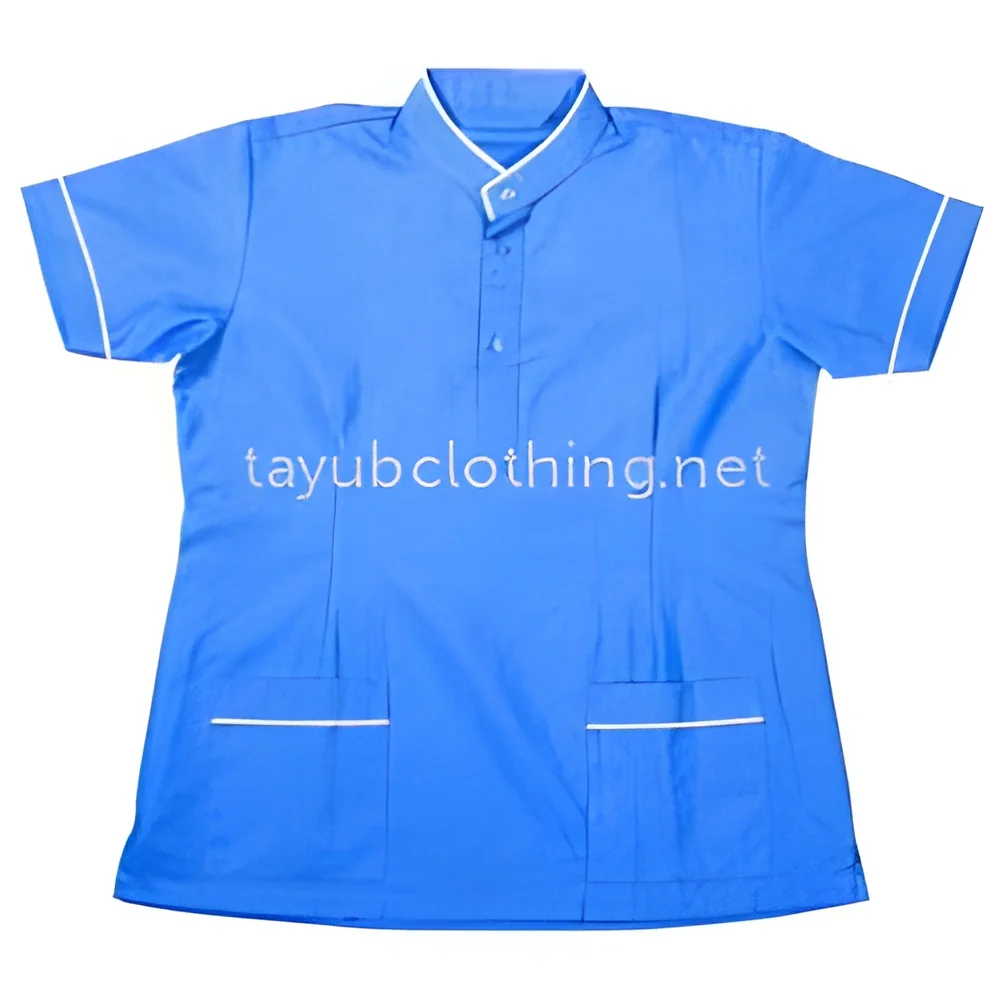
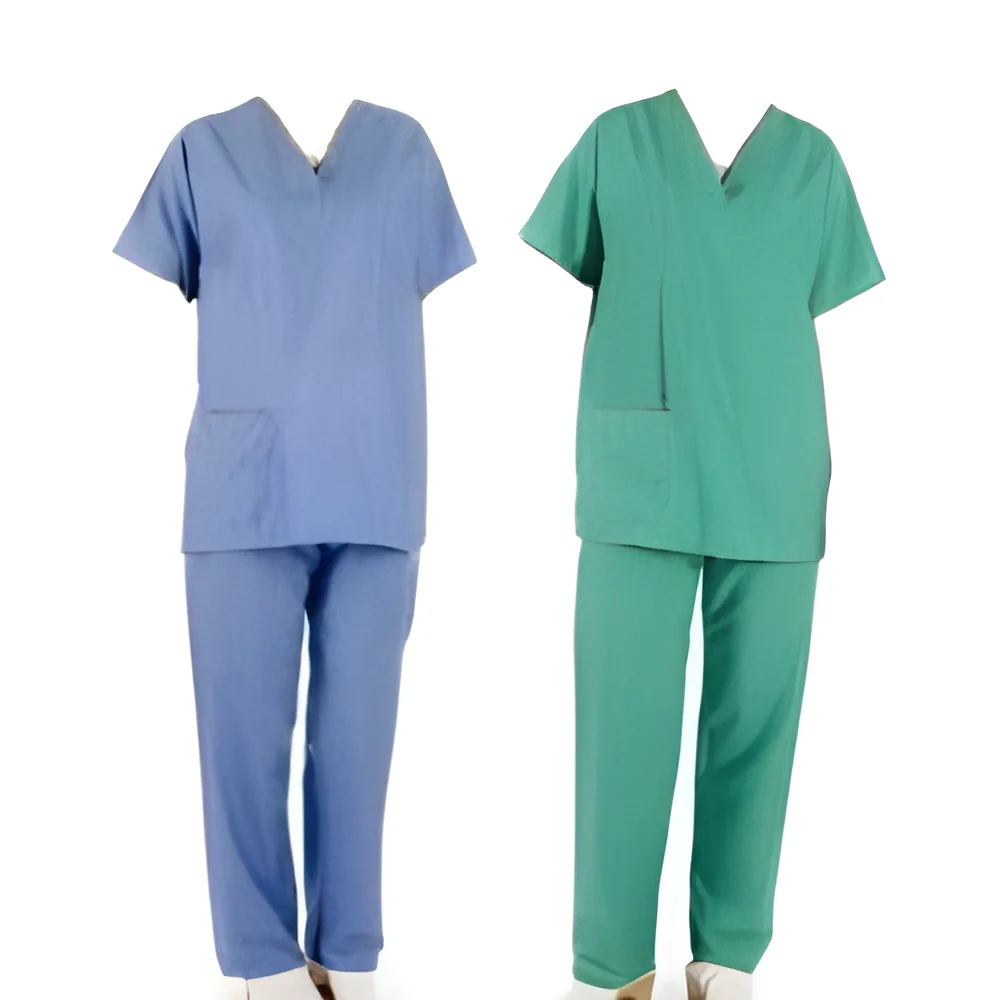
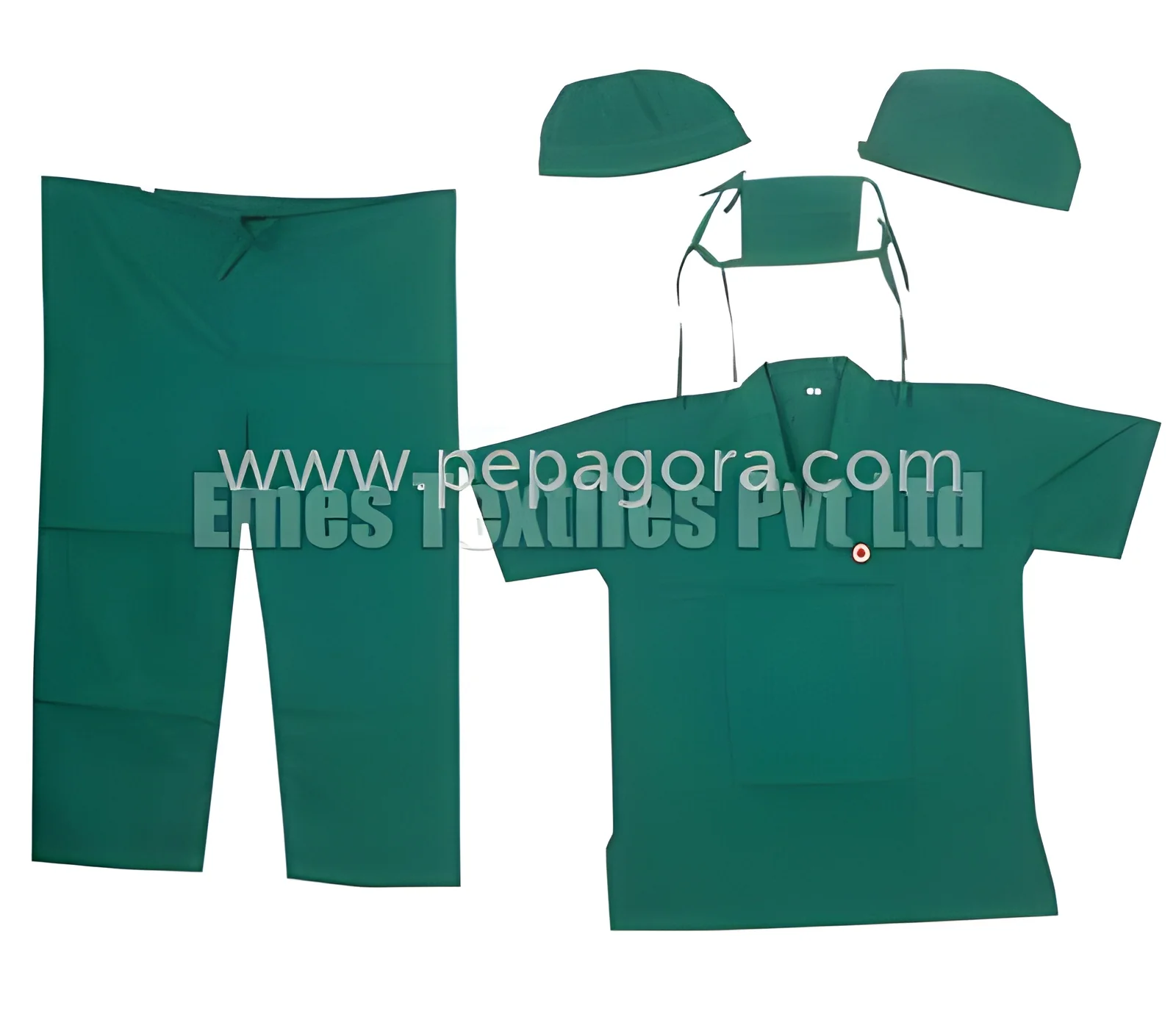
Standard Uniforms: These include traditional designs that feature a collared shirt and trousers, providing a professional look suitable for most hospital settings. They are often made from durable fabric and can include identification badges.
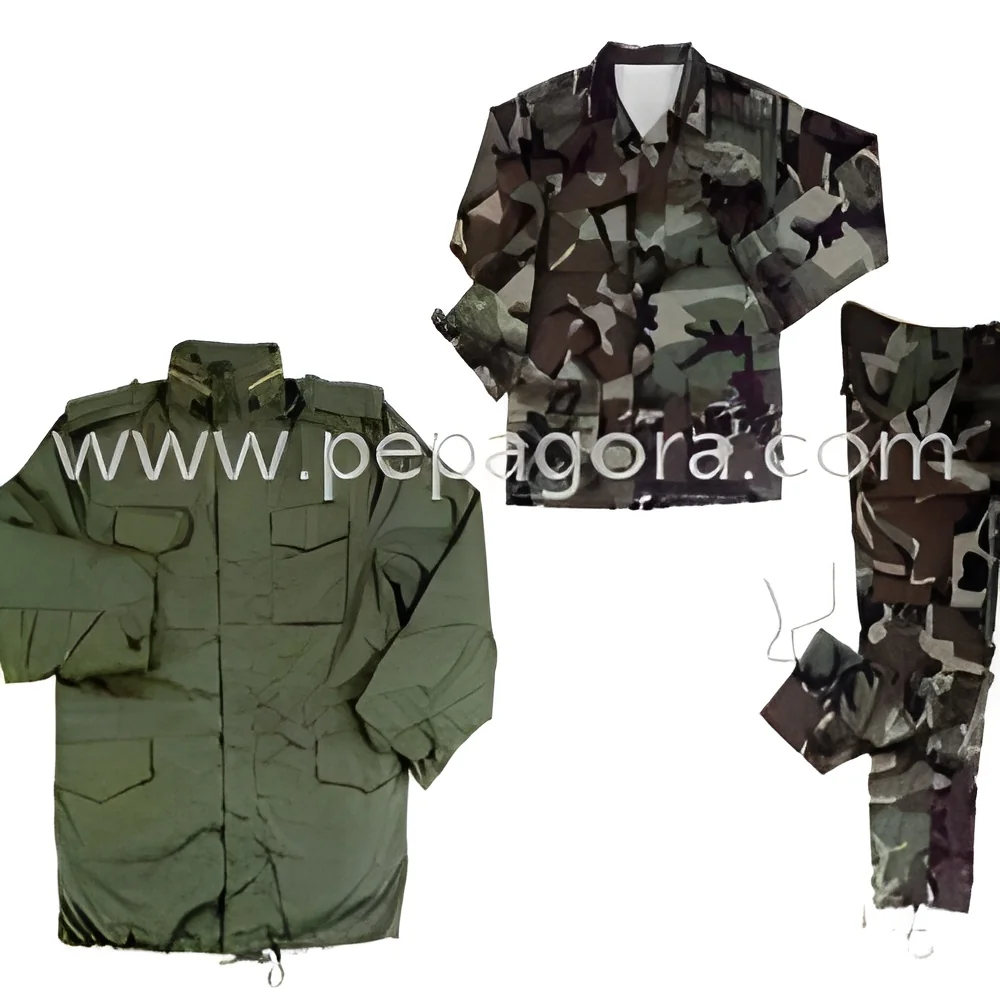
Tactical Uniforms: These are designed for security personnel who may deal with high-risk situations. Tactical uniforms often include reinforced areas, additional pockets, and features that allow for quick movement and responsiveness.
Reflective Uniforms: Reflective uniforms enhance visibility for security staff working in low-light conditions or during night shifts. These uniforms typically incorporate bright colors and reflective materials to ensure they are easily seen.
Benefits and Advantages
Choosing the right hospital security uniforms offers numerous advantages tailored for the healthcare environment.
Key benefits include:
1. Enhanced Safety: High visibility and durable materials contribute to the safety of security personnel in potential emergency situations.
2. Professional Appearance: Uniforms foster a professional image that instills confidence in patients and staff, reinforcing the authority of security personnel.
3. Comfort and Mobility: Well-designed uniforms support the physical demands of the job, allowing staff to move freely while performing their duties.
4. Easy Identification: Uniforms make it easy for patients and staff to identify security personnel, facilitating quicker assistance in emergencies.
5. Customization: The option to customize uniforms with logos or names enhances team cohesion and promotes a sense of belonging among staff.
6. Cost-Effectiveness: Investing in high-quality uniforms can reduce long-term costs related to replacements and maintenance.
Buying Guide for B2B Buyers
When sourcing hospital security uniforms, B2B buyers should consider several key factors to ensure they make informed decisions.
1. Quality Assessment: Evaluate the fabric and construction quality to ensure durability and comfort. Look for features such as moisture-wicking capabilities and reinforced stitching.
2. Supplier Verification: Conduct thorough research to vet suppliers. Check for reviews, references, and certifications to ensure reliability and quality.
3. Pricing and MOQ: Understand the pricing structure and minimum order quantities to budget effectively. Evaluate bulk purchase options for cost savings.
4. Delivery and Lead Times: Discuss logistics and expected delivery times. Timely delivery is critical in ensuring uniforms are available when needed.
5. Compliance Requirements: Ensure that uniforms meet all relevant safety and quality standards, including certifications like CE, to comply with industry regulations.
Compliance and Certifications
Hospital security uniforms must adhere to various quality standards and certifications to ensure their reliability and safety in healthcare settings.
Relevant quality standards such as ISO 9001 ensure that the manufacturing processes meet high-quality benchmarks. This standard focuses on consistent product quality and customer satisfaction, which is crucial in the healthcare industry.
Industry certifications like CE signify that the uniforms meet European health, safety, and environmental protection standards. Compliance with such certifications is vital for ensuring that the uniforms are safe for use in sensitive environments like hospitals.
Safety and testing requirements are also critical. Uniforms should undergo rigorous testing for durability, fabric quality, and protection features to ensure they withstand the demands of the job.
Regional compliance considerations must also be taken into account, as different areas may have specific regulations regarding healthcare and safety apparel. Understanding these regulations is essential for suppliers and buyers alike.
Why Source Hospital Security Uniforms from Pepagora?
Pepagora provides a trusted platform for sourcing hospital security uniforms, offering several key advantages for B2B buyers.
Verified Supplier Network: Pepagora connects buyers with a network of verified suppliers, ensuring that all listed products meet stringent quality standards. This verification process helps buyers find reliable sources for their uniform needs.
Streamlined RFQ Process: The request for quotation (RFQ) process on Pepagora is designed to simplify sourcing. Buyers can easily compare quotes from multiple suppliers, making it easier to find the best solution for their requirements.
Trade Assurance and Support: Pepagora offers trade assurance, providing buyers with protection against potential issues such as delivery delays or quality concerns. This support fosters confidence in the purchasing process.
Regional Coverage: With a presence in India, the GCC, and Southeast Asia, Pepagora offers extensive geographic reach, making it easy for hospitals and healthcare facilities in these regions to source high-quality uniforms that meet their specific needs.

 IN
IN