
 IN
INCompression Socks for Medical Staff
16 products available
What are Compression Socks for Medical Staff?
Key Features and Specifications
Common Applications and Use Cases
Product Variants and Subcategories
Benefits and Advantages
Buying Guide for B2B Buyers
Compliance and Certifications
Why Source Compression Socks for Medical Staff from Pepagora?


Frequently Asked Questions
What are Compression Socks for Medical Staff?
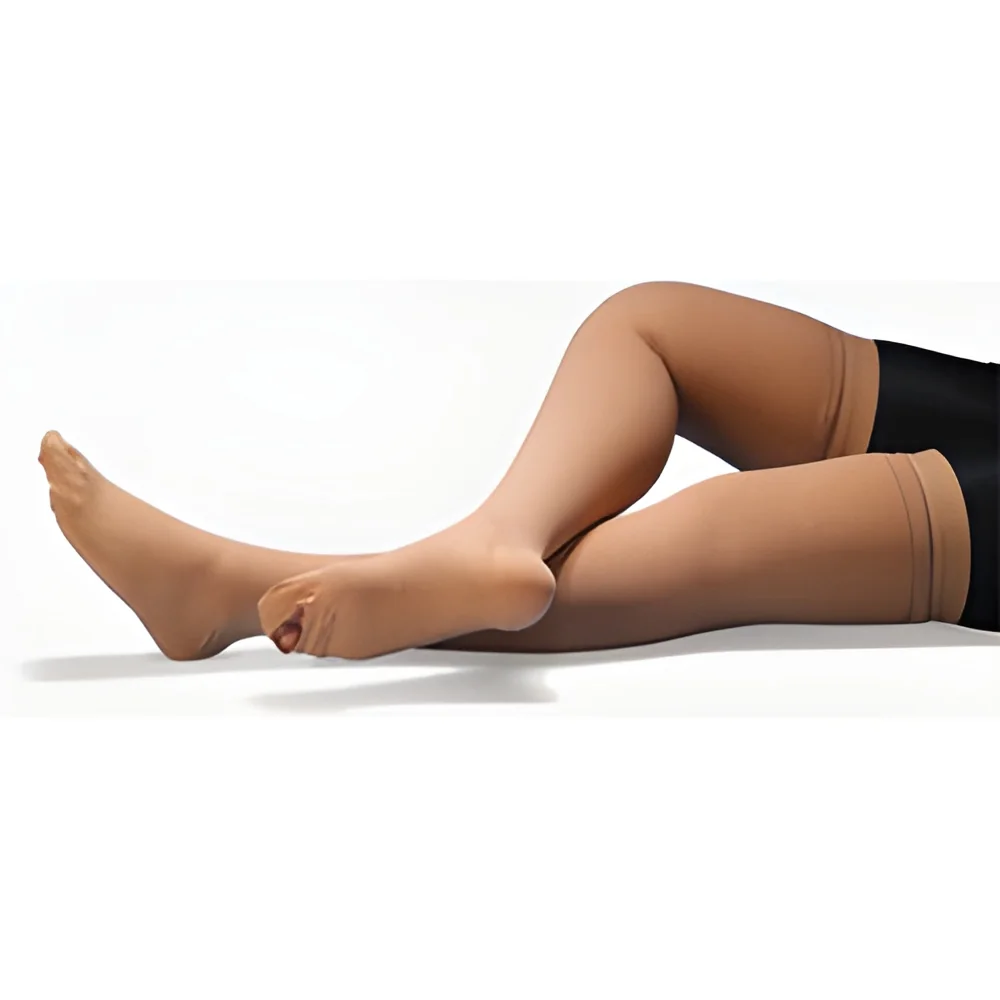
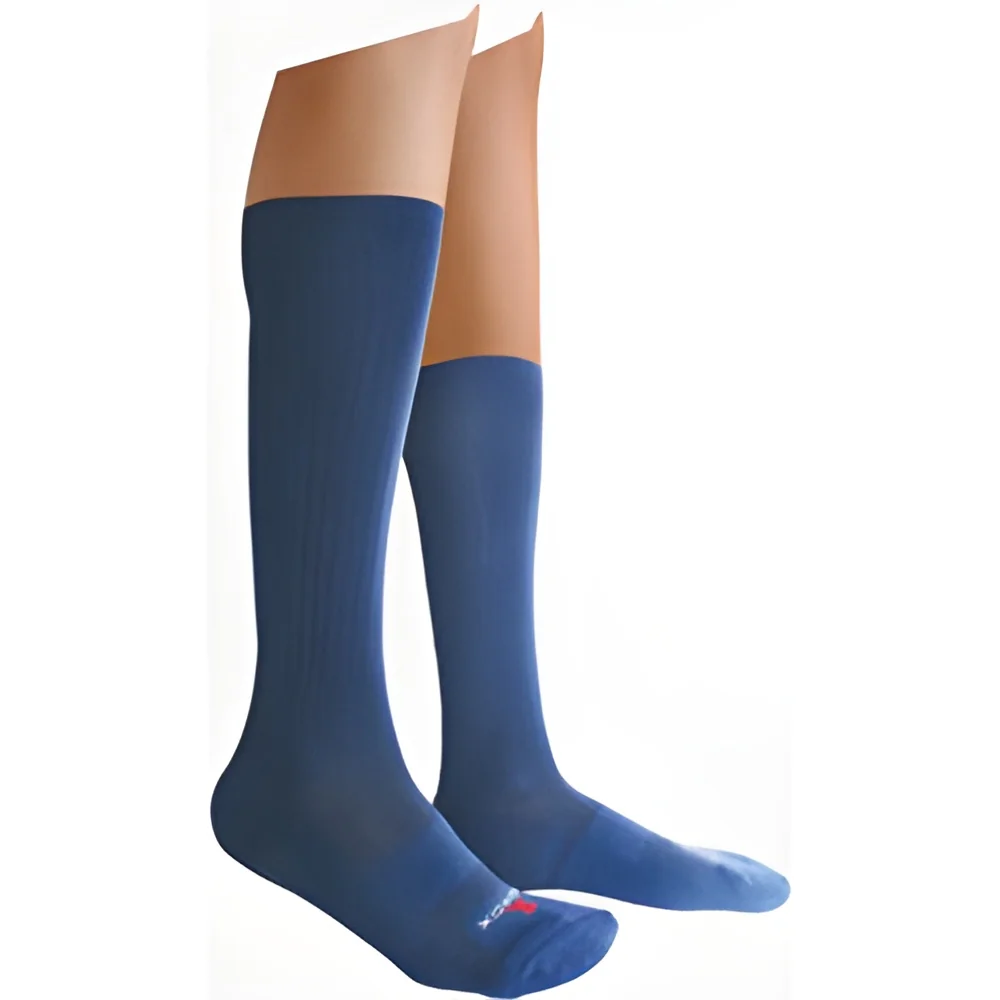
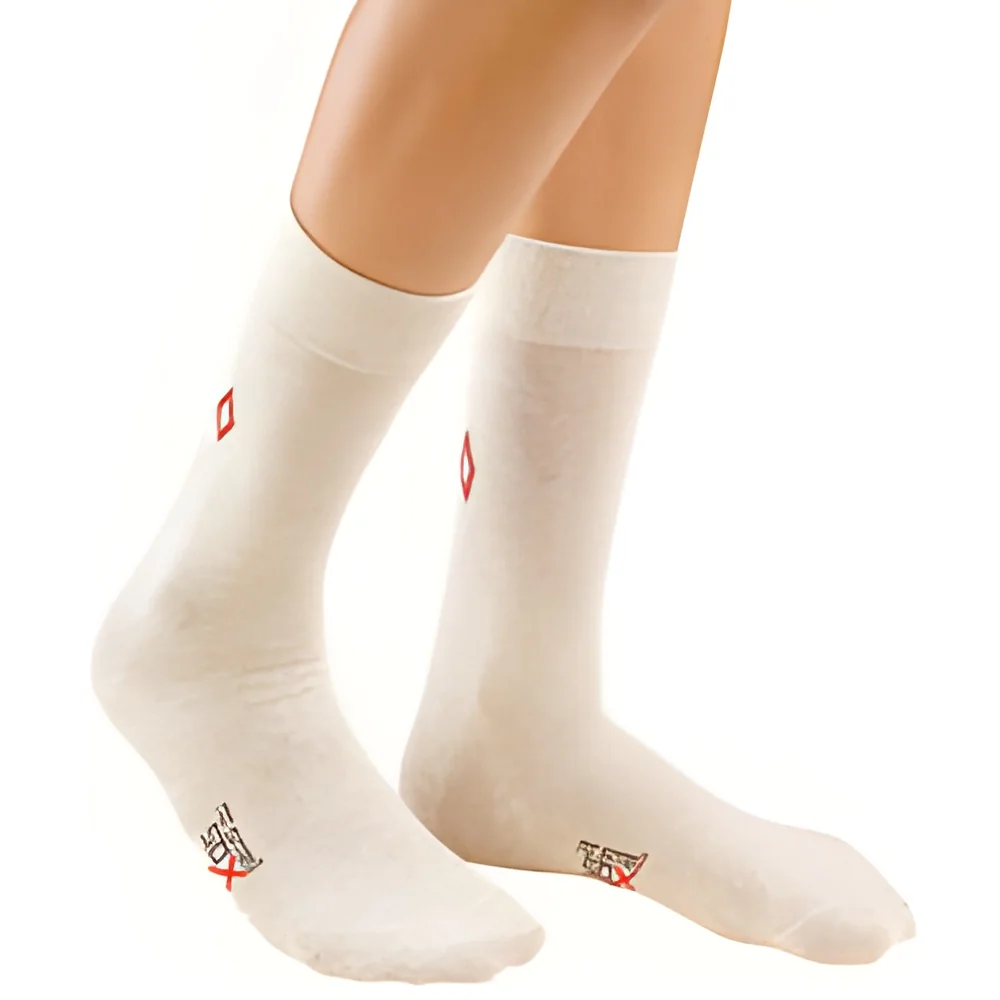
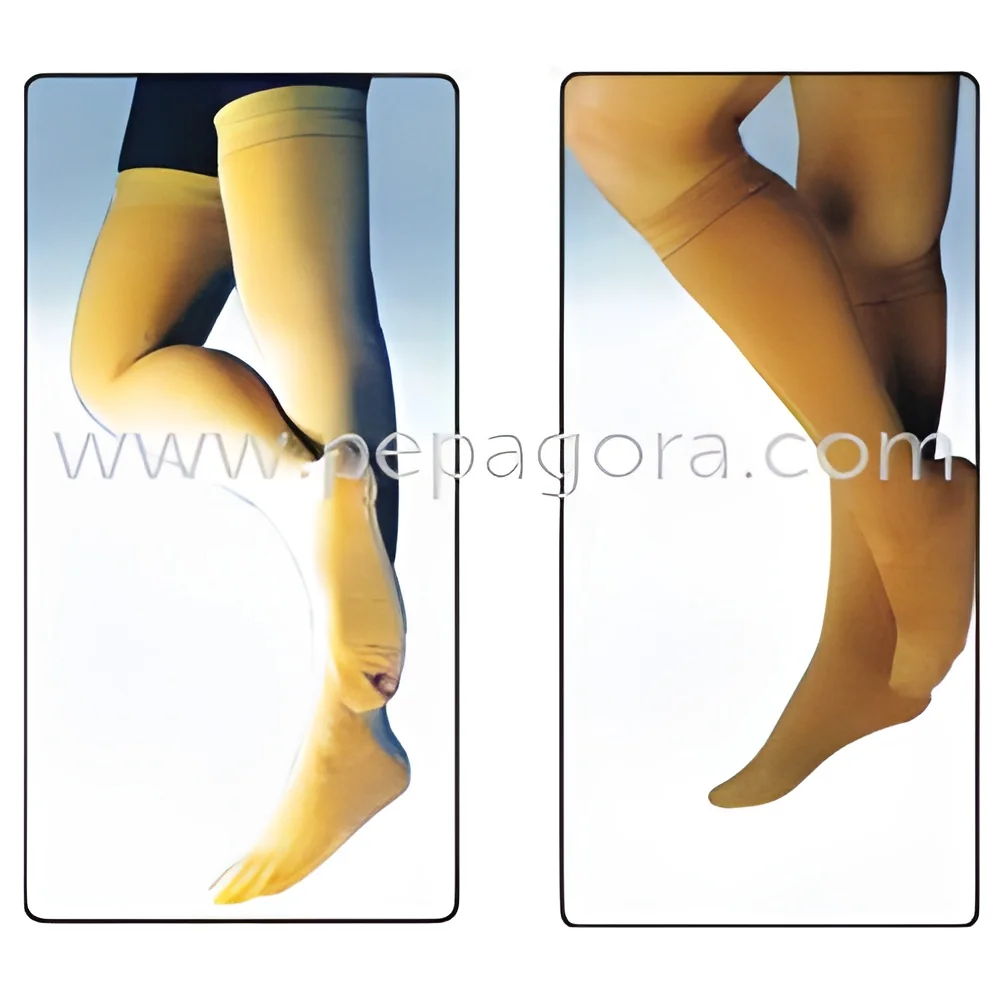
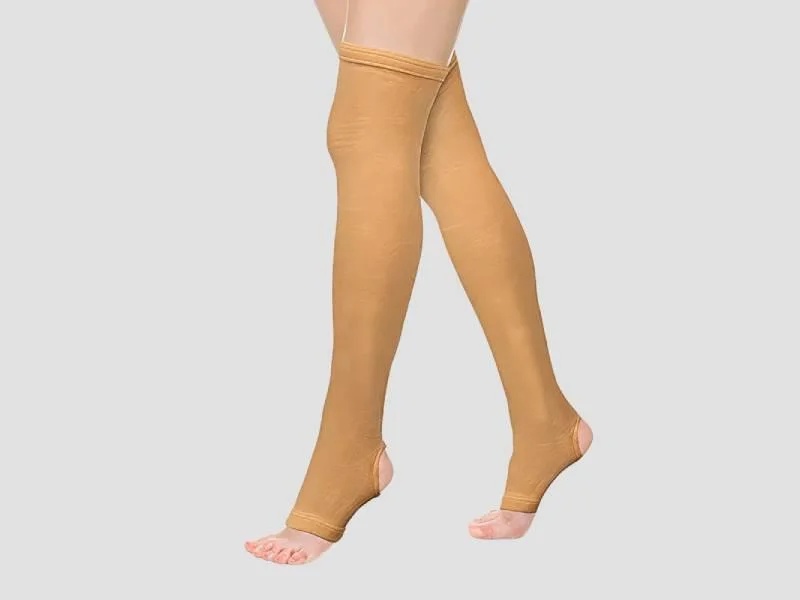
Compression socks for medical staff are specialized hosiery designed to apply gentle pressure to the legs and feet. This compression helps to improve blood circulation, reduce fatigue, and prevent swelling, which is particularly beneficial for medical professionals who spend long hours on their feet.
What are the different types of Compression Socks for Medical Staff?
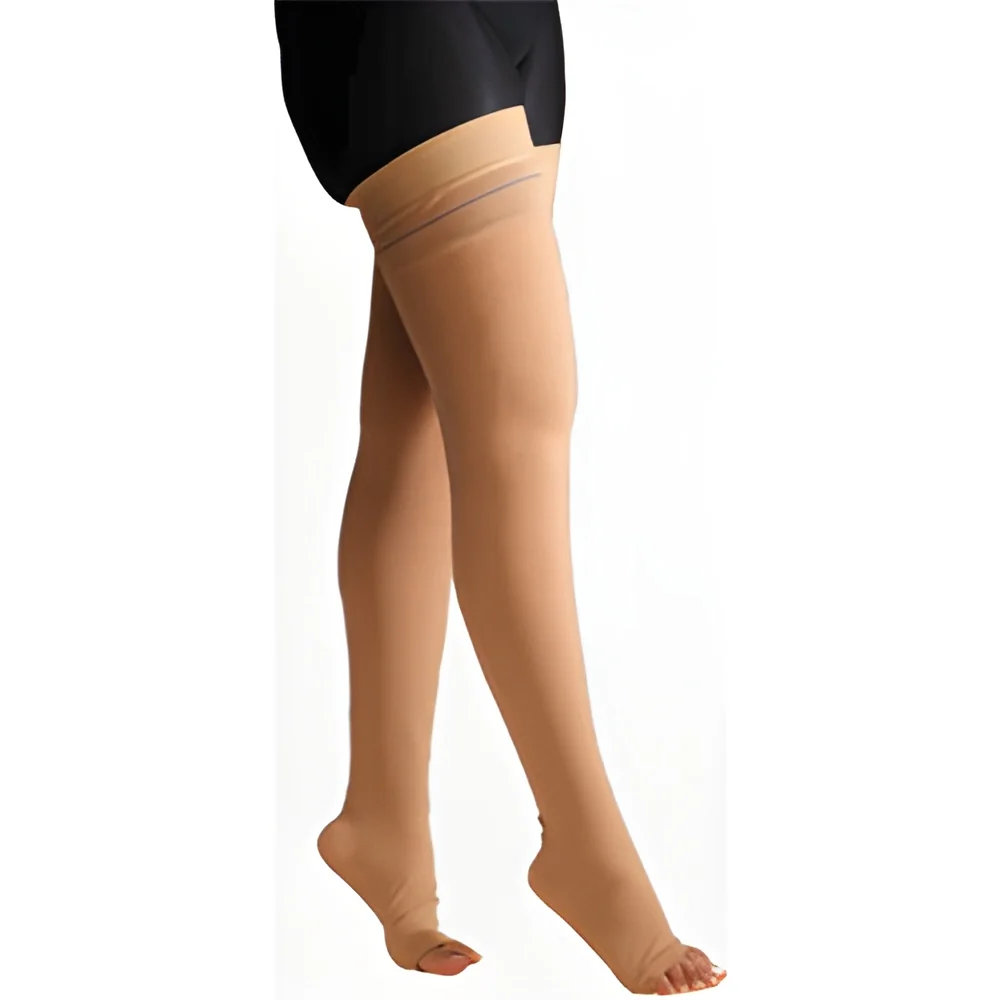
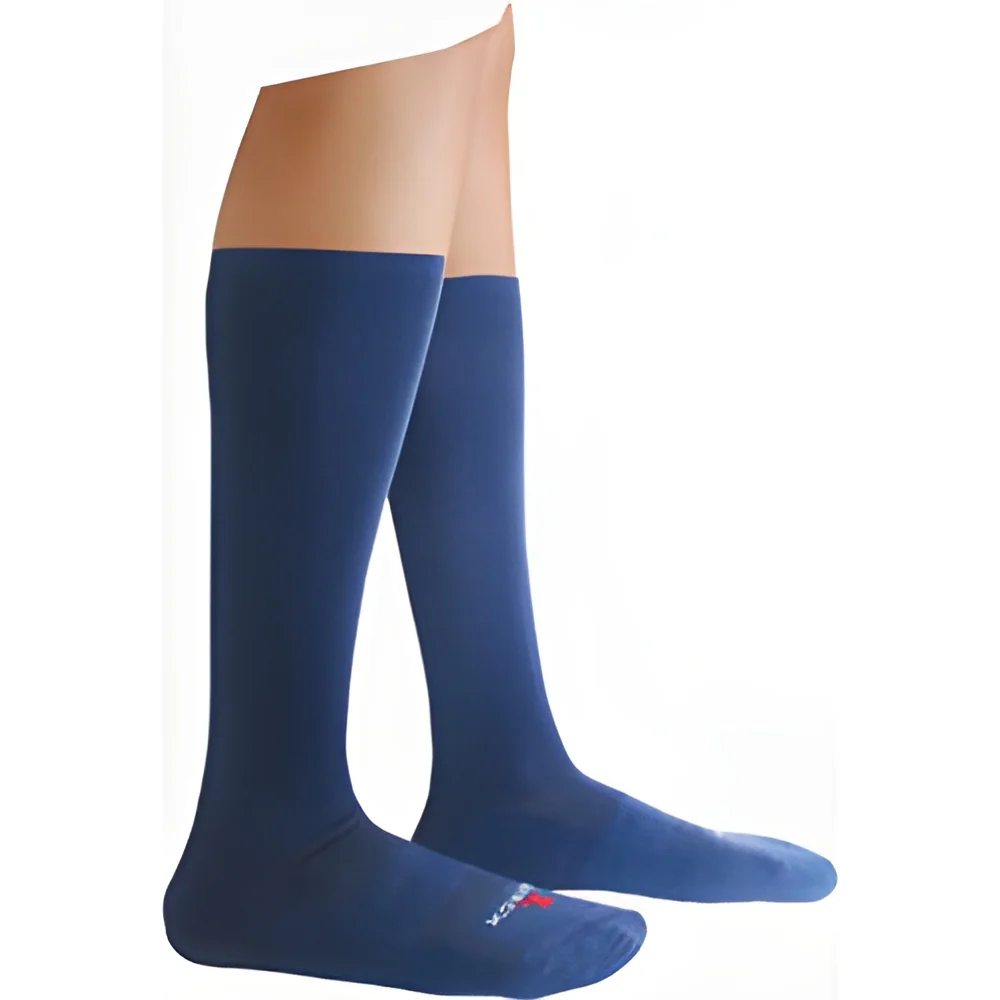
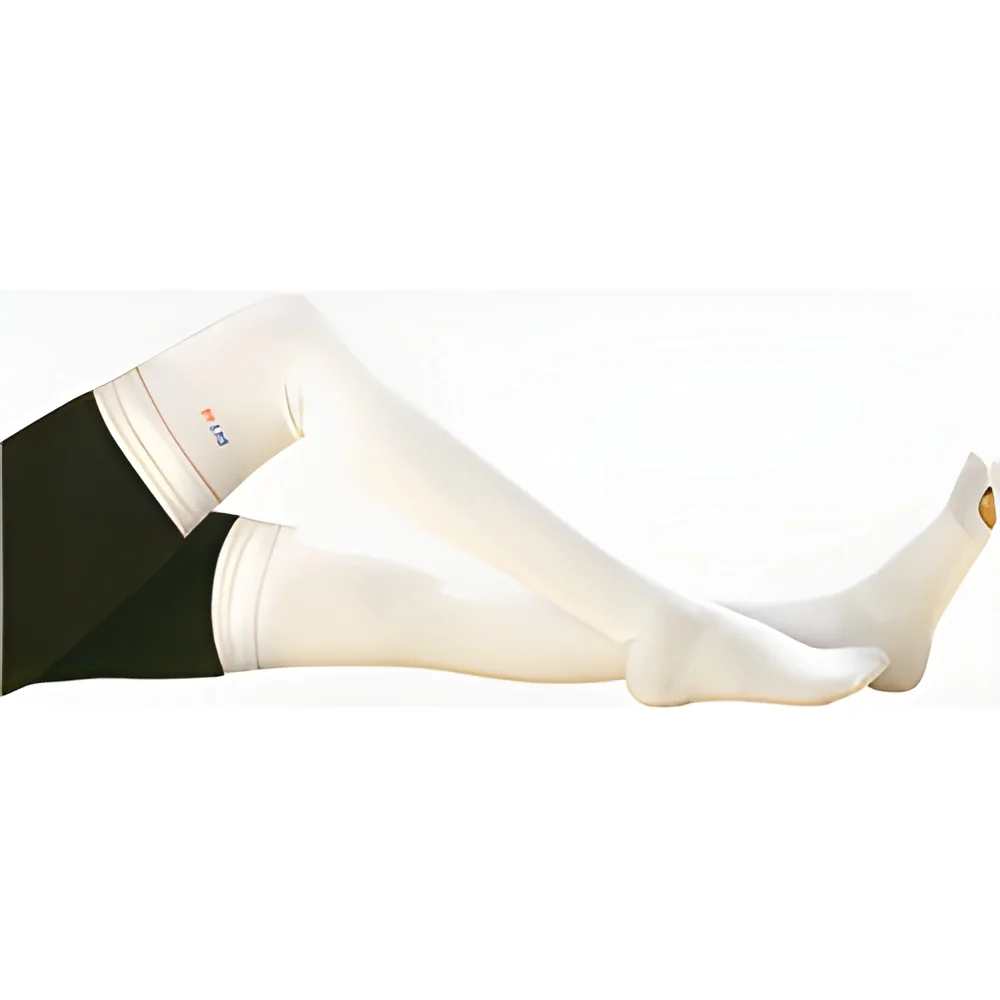
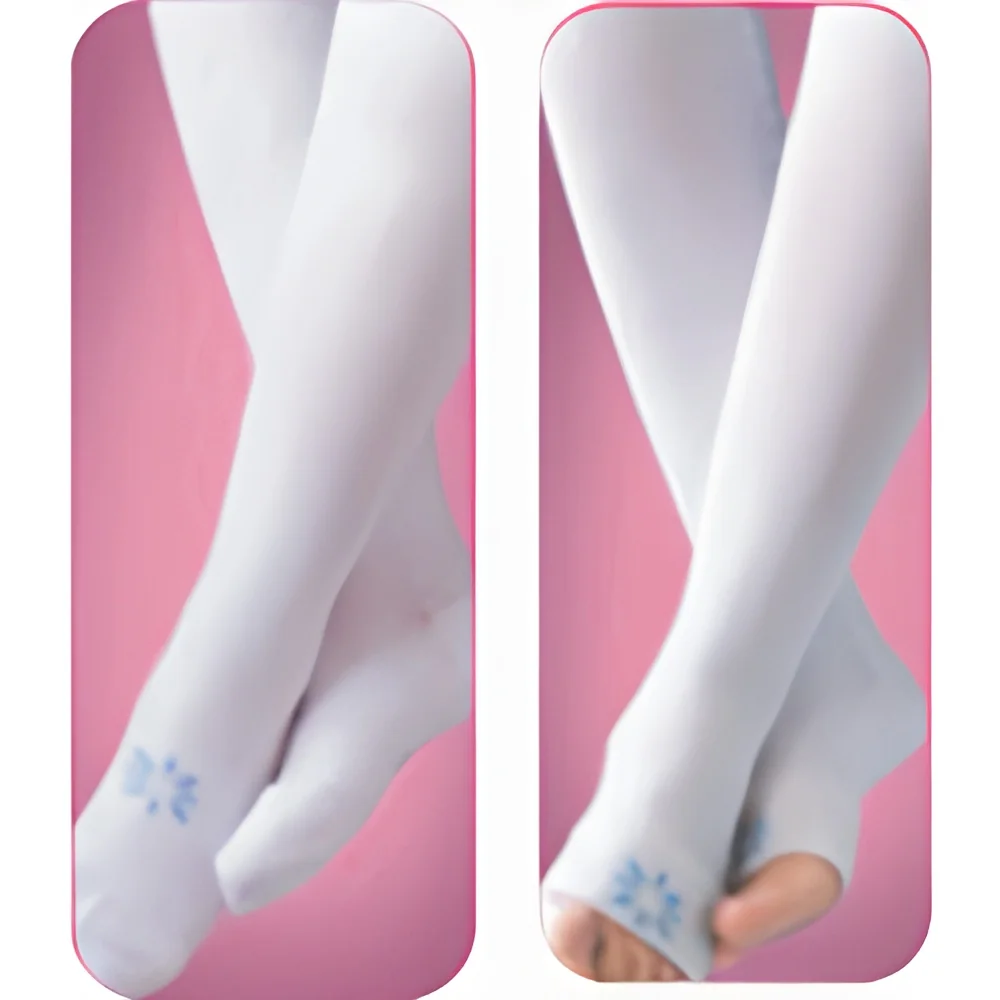
Compression socks for medical staff come in various styles, including knee-high, thigh-high, and full-length options. They are also available in different compression levels, ranging from mild to firm, catering to specific needs and comfort levels.
How do I choose the right Compression Socks for Medical Staff?
To choose the right compression socks for medical staff, consider factors such as the level of compression required, the length of the socks, and the material used. Additionally, it's important to take accurate measurements of your legs to ensure a proper fit for maximum effectiveness.
What are the standard specifications for Compression Socks for Medical Staff?
Standard specifications for compression socks include compression levels measured in mmHg (millimeters of mercury), which typically range from 15-20 mmHg for mild compression to 30-40 mmHg for firm compression. The material should be breathable and moisture-wicking to enhance comfort during long shifts.
What is the price range for Compression Socks for Medical Staff?
The price range for compression socks for medical staff varies depending on the brand, material, and compression level, typically ranging from INR 500 to INR 2000 per pair. Bulk purchasing may offer cost advantages, often providing lower prices per unit.
What quality standards apply to Compression Socks for Medical Staff?
Quality standards for compression socks include compliance with medical-grade specifications, durability, and comfort. Look for products that meet international quality certifications, ensuring they are safe and effective for prolonged use in medical settings.
Where can I find Compression Socks for Medical Staff suppliers in India?
You can find compression socks for medical staff suppliers in India through online B2B marketplaces like Pepagora.com, industry trade shows, and medical supply distributors. It is advisable to research and compare suppliers to ensure quality and reliability.
Can Compression Socks for Medical Staff be customized?
Yes, compression socks for medical staff can often be customized regarding size, color, and branding. Many manufacturers offer customization options to meet specific requirements, such as incorporating logos or choosing specific compression levels.
What is the typical minimum order quantity for Compression Socks for Medical Staff?
The typical minimum order quantity (MOQ) for compression socks for medical staff varies by supplier but generally ranges from 50 to 100 pairs. It's advisable to confirm the MOQ with the supplier before placing an order.
What is the typical lead time for Compression Socks for Medical Staff?
The typical lead time for compression socks for medical staff can vary depending on the supplier and order size, usually ranging from 7 to 30 days. Custom orders may require additional time for production and delivery.
Why Businesses Trust Pepagora
Thousands of companies trust Pepagora to source smarter and sell faster
Expand Your Sales Globally

Source Smarter,Grow Faster
