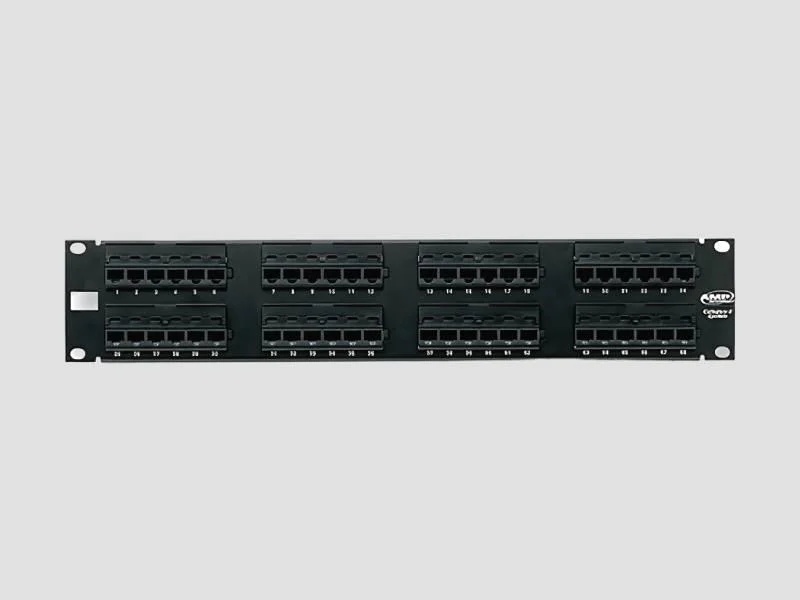
𝗪𝗵𝗮𝘁 𝗮𝗿𝗲 𝗡𝗲𝘁𝘄𝗼𝗿𝗸 𝗖𝗮𝗯𝗹𝗶𝗻𝗴 & 𝗜𝗻𝗳𝗿𝗮𝘀𝘁𝗿𝘂𝗰𝘁𝘂𝗿𝗲 𝗦𝗲𝘁𝘂𝗽?
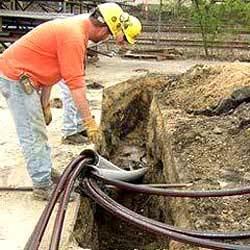
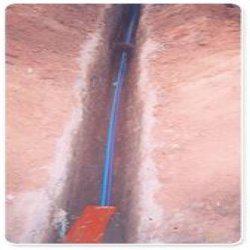
Network cabling and infrastructure setup refer to the systematic installation and arrangement of cabling systems that facilitate communication within a network. This setup is essential for connecting computers, servers, and other devices to enable data transfer, telecommunication, and internet access. Proper installation ensures that the network operates efficiently and securely, supporting the growing demands of modern businesses.
These systems are primarily used in various business applications, including office environments, data centers, and industrial facilities. They support a range of functionalities, such as internet access, internal communications, and data sharing. As businesses increasingly rely on technology, a robust cabling infrastructure is crucial for operational efficiency. In the context of industry relevance, the demand for network cabling is on the rise, driven by the expansion of digital services, cloud computing, and the Internet of Things (IoT).
𝗞𝗲𝘆 𝗙𝗲𝗮𝘁𝘂𝗿𝗲𝘀 𝗮𝗻𝗱 𝗦𝗽𝗲𝗰𝗶𝗳𝗶𝗰𝗮𝘁𝗶𝗼𝗻𝘀
When considering network cabling and infrastructure setup, several key features and specifications are crucial for ensuring optimal performance and reliability. Understanding these specifications helps businesses make informed decisions regarding their networking needs.
Key specifications include:
1. Cable Type
- Different types of cables, such as Cat5e, Cat6, and fiber optic cables, serve various bandwidth and speed requirements.
- The choice impacts data transfer rates, distance limitations, and overall network performance.
2. Transmission Speed
- Varies based on cable type and category, with higher categories supporting faster speeds.
- For example, Cat6 can support speeds up to 10 Gbps over shorter distances.
3. Maximum Length
- The length of the cable run affects signal quality and strength.
- Standard maximum lengths are typically 100 meters for copper cables.
4. Shielding Type
- Shielded cables provide protection against electromagnetic interference, enhancing signal integrity.
- Unshielded cables are often sufficient in low-interference environments.
5. Connector Types
- Various connectors like RJ45 for Ethernet cables and SC or LC for fiber optics determine compatibility with devices.
- The choice of connectors can impact installation and maintenance.
6. Installation Environment
- Indoor vs. outdoor installations require different cabling materials and protections against environmental factors.
- Considerations include temperature ranges and humidity control.
7. Compliance Standards
- Adhering to industry standards such as CE certification ensures quality and safety.
- Compliance is essential for meeting regulatory requirements.
8. Scalability Options
- Infrastructure should support future growth and expansion of the network.
- Scalable designs allow for easy upgrades without significant overhauls.
In summary, selecting the right features and specifications for network cabling is vital to ensure a reliable, efficient, and scalable infrastructure.
𝗖𝗼𝗺𝗺𝗼𝗻 𝗔𝗽𝗽𝗹𝗶𝗰𝗮𝘁𝗶𝗼𝗻𝘀 𝗮𝗻𝗱 𝗨𝘀𝗲 𝗖𝗮𝘀𝗲𝘀
Network cabling and infrastructure setup find applications across a wide range of industries, each with specific needs and requirements.
1. Telecommunications: In telecommunications, network cabling enables efficient data transfer and communication between various network devices, supporting both voice and internet services.
2. Education: Schools and universities utilize network cabling to connect classrooms, labs, and administrative offices, ensuring reliable access to learning resources and administrative tools.
3. Healthcare: Hospitals rely on robust network infrastructure to facilitate communication between medical devices, patient records, and healthcare management systems, enhancing patient care and operational efficiency.
4. Manufacturing: In manufacturing environments, network cabling connects machinery and equipment for automation, data collection, and real-time monitoring, improving production processes.
5. Retail: Retail businesses implement network cabling for point-of-sale systems, inventory management, and customer engagement technologies, streamlining operations and enhancing customer experience.
6. Financial Services: Banks and financial institutions require secure and reliable cabling infrastructure to support transactions, data processing, and compliance with regulatory standards.
7. Government: Government agencies depend on effective network cabling for communication, data sharing, and secure information management, facilitating public services and operations.
𝗣𝗿𝗼𝗱𝘂𝗰𝘁 𝗩𝗮𝗿𝗶𝗮𝗻𝘁𝘀 𝗮𝗻𝗱 𝗦𝘂𝗯𝗰𝗮𝘁𝗲𝗴𝗼𝗿𝗶𝗲𝘀
Network cabling and infrastructure setups come in various configurations to meet diverse business needs. While specific subcategories may not be available, several variants cater to different applications.
Ethernet Cabling
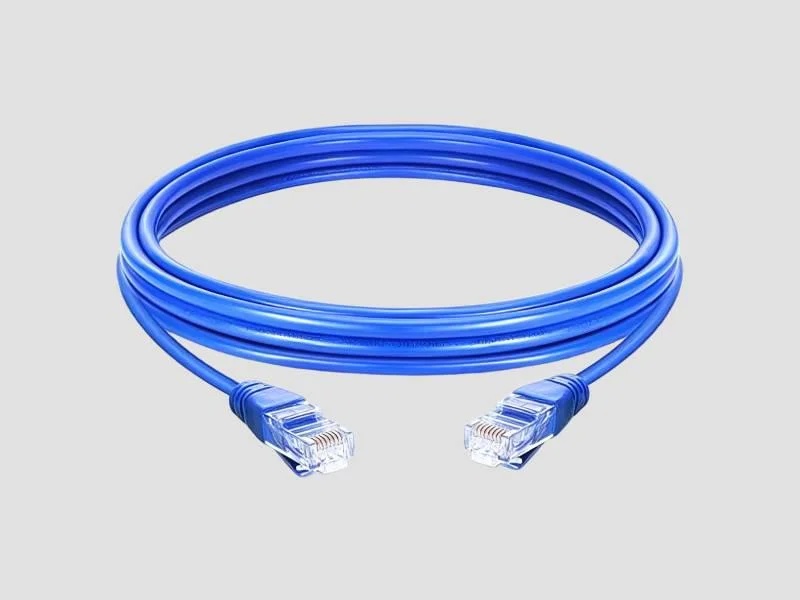
This type of cabling is widely used in office environments for networking devices. Ethernet cables come in different categories, such as Cat5e and Cat6, each offering varying speeds and performance levels suitable for different business applications.
Fiber Optic Cabling
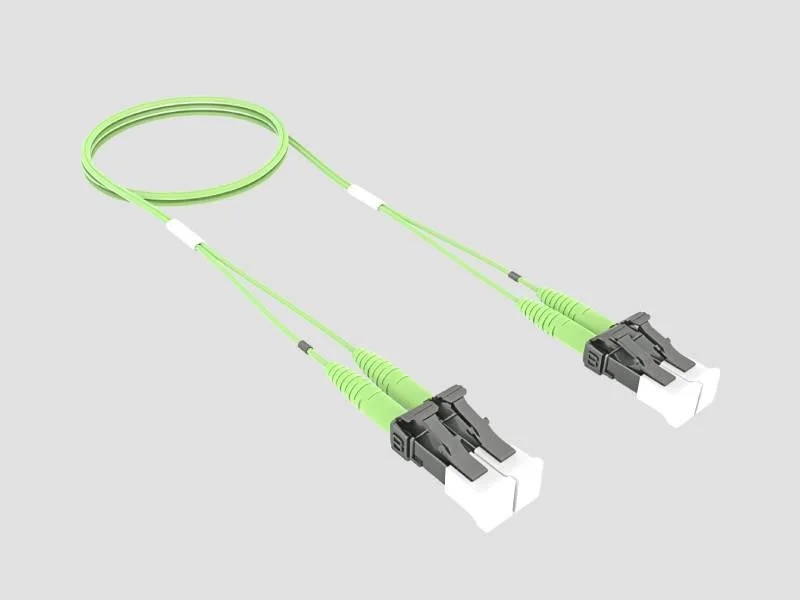
Fiber optic cabling is ideal for high-speed data transmission over long distances. Its ability to support large amounts of data with minimal signal loss makes it suitable for data centers and telecommunications networks.
Copper Cabling
Copper cabling, including twisted pair and coaxial cables, is commonly used for local area networks (LANs). It provides reliable connectivity for office environments and supports various communication protocols.
𝗕𝗲𝗻𝗲𝗳𝗶𝘁𝘀 𝗮𝗻𝗱 𝗔𝗱𝘃𝗮𝗻𝘁𝗮𝗴𝗲𝘀
Investing in network cabling and infrastructure provides numerous benefits for businesses looking to enhance their operations.
1. Improved Performance: High-quality cabling enhances data transfer speeds and network performance, reducing latency and downtime.
2. Scalability: A well-designed cabling infrastructure allows for easy upgrades and expansions, accommodating future business growth without major disruptions.
3. Enhanced Security: Proper cabling setups can include features that enhance network security, such as secure connections and shielding against interference.
4. Cost-Effectiveness: Investing in reliable cabling infrastructure reduces maintenance costs and downtime, leading to long-term savings for businesses.
5. Simplified Troubleshooting: A well-organized cabling system makes it easier to identify and resolve connectivity issues, minimizing disruptions.
6. Future-Proofing: Choosing the right cabling technology ensures compatibility with upcoming advancements, protecting the investment over time.
𝗕𝘂𝘆𝗶𝗻𝗴 𝗚𝘂𝗶𝗱𝗲 𝗳𝗼𝗿 𝗕𝟮𝗕 𝗕𝘂𝘆𝗲𝗿𝘀
When sourcing network cabling and infrastructure setup, B2B buyers should consider several critical factors to ensure they select the right solution for their needs.
1. Quality Assessment: Evaluate the quality of materials and components used in the cabling. Look for certifications and industry standards that indicate reliability and performance.
2. Supplier Verification: Vet suppliers to ensure they have a proven track record in the industry. Check references and reviews from other businesses to assess their reliability.
3. Pricing and MOQ: Understand the pricing structures and minimum order quantities (MOQ) required by suppliers. This information is crucial for budgeting and planning purchases.
4. Delivery and Lead Times: Clarify delivery schedules and lead times to ensure timely installation of the cabling infrastructure. Consider logistics and potential delays.
5. Compliance Requirements: Ensure that the selected cabling solutions comply with relevant regulatory standards and industry certifications. This step is vital for maintaining quality and safety.
𝗖𝗼𝗺𝗽𝗹𝗶𝗮𝗻𝗰𝗲 𝗮𝗻𝗱 𝗖𝗲𝗿𝘁𝗶𝗳𝗶𝗰𝗮𝘁𝗶𝗼𝗻𝘀
Compliance and certifications play a crucial role in network cabling and infrastructure setup, ensuring that products meet industry standards for quality and safety. Common standards include ISO 9001, which outlines quality management systems, and CE certification, indicating conformity with European health, safety, and environmental protection standards.
Additionally, safety and testing requirements are essential to evaluate the performance and reliability of cabling systems. These tests may include assessments for electrical safety, signal integrity, and environmental resilience.
Regional compliance considerations should also be taken into account, as different regions may have specific regulations governing network installations. Adhering to these standards not only protects the business but also ensures that the infrastructure is reliable and future-proof.
𝗪𝗵𝘆 𝗦𝗼𝘂𝗿𝗰𝗲 𝗡𝗲𝘁𝘄𝗼𝗿𝗸 𝗖𝗮𝗯𝗹𝗶𝗻𝗴 & 𝗜𝗻𝗳𝗿𝗮𝘀𝘁𝗿𝘂𝗰𝘁𝘂𝗿𝗲 𝗦𝗲𝘁𝘂𝗽 𝗳𝗿𝗼𝗺 𝗣𝗲𝗽𝗮𝗴𝗼𝗿𝗮?
Pepagora offers a trusted platform for sourcing network cabling and infrastructure setup, providing several key advantages to B2B buyers.
Verified Supplier Network: Pepagora features a network of verified suppliers, ensuring that businesses can find reliable partners for their cabling needs. This verification process helps to build trust and confidence in the purchasing process.
Streamlined RFQ Process: The platform simplifies the request for quotation (RFQ) process, allowing buyers to easily compare offerings from multiple suppliers. This efficiency saves time and helps in making informed purchasing decisions.
Trade Assurance and Support: Pepagora emphasizes buyer protection through trade assurance policies. This support includes assistance with disputes and guarantees on product quality, ensuring a secure purchasing experience.
Regional Coverage: With a focus on geographic regions such as India, the GCC, and Southeast Asia, Pepagora provides access to a wide range of suppliers and products tailored to local market needs. This regional coverage enhances the ability to find customized solutions for diverse business requirements.

 IN
IN

 India
India