IN
IN₹
Apparel & Fashion
Description
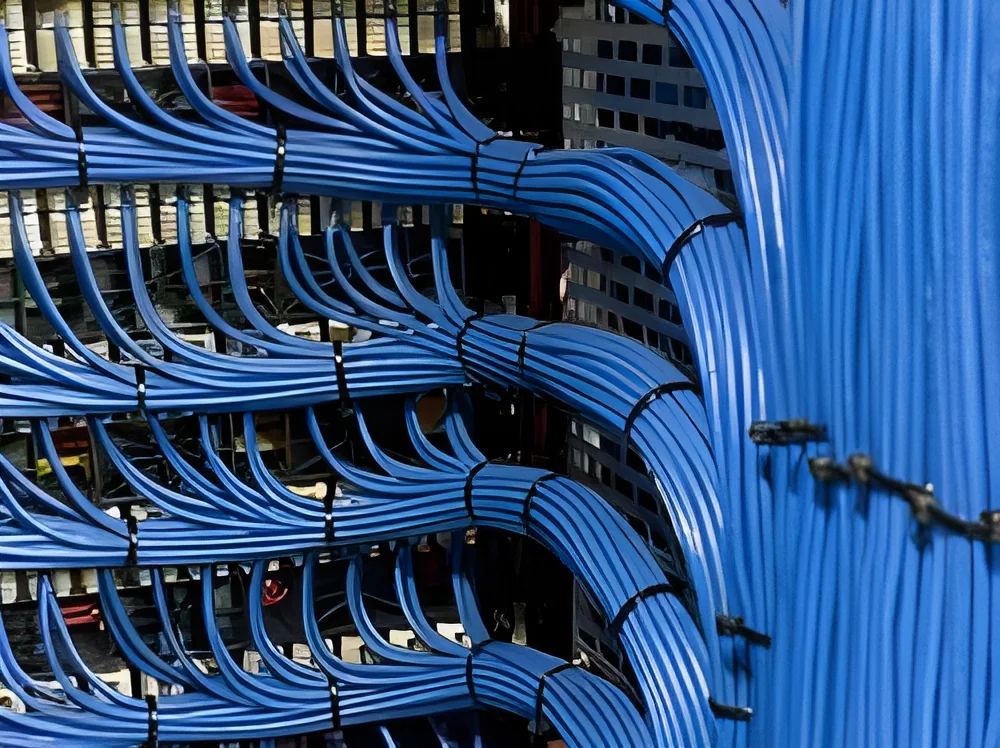
Our Enterprise Structured Cabling Systems provide the essential physical infrastructure for modern organizational connectivity, delivering reliable pathways for data, voice, and video communications across various network environments. Engineered to meet international standards including TIA/EIA and ISO/IEC specifications, these comprehensive solutions incorporate copper and fiber optic cabling, patch panels, racks, cable management systems, and connectivity hardware designed for seamless integration. Each component undergoes rigorous quality testing to guarantee consistent performance and long-term reliability. The modular architecture allows for straightforward expansion and reconfiguration as organizational requirements evolve, making it a strategic long-term investment for growing operations that demand dependable network foundations.

These cabling solutions serve critical functions across diverse industries where uninterrupted connectivity is essential for daily operations. In co...
Our Enterprise Structured Cabling Systems provide the essential physical infrastructure for modern organizational connectivity, delivering reliable pathways for data, voice, and video communications across various network environments. Engineered to meet international standards including TIA/EIA and ISO/IEC specifications, these comprehensive solutions incorporate copper and fiber optic cabling, patch panels, racks, cable management systems, and connectivity hardware designed for seamless integration. Each component undergoes rigorous quality testing to guarantee consistent performance and long-term reliability. The modular architecture allows for straightforward expansion and reconfiguration as organizational requirements evolve, making it a strategic long-term investment for growing operations that demand dependable network foundations.

These cabling solutions serve critical functions across diverse industries where uninterrupted connectivity is essential for daily operations. In corporate environments, they support stable network connections for workstations, servers, and communication systems that drive business productivity. Healthcare facilities depend on structured cabling to connect medical equipment, electronic health records systems, and emergency communication networks that impact patient care. Educational institutions implement these systems to support digital learning environments, administrative functions, and campus-wide connectivity requirements. Data centers utilize high-density cabling for server connectivity, while manufacturing plants rely on industrial-grade solutions for automation and control systems that maintain production efficiency.

The operational value of our structured cabling systems extends beyond basic connectivity to deliver measurable business advantages. Organizations experience reduced network downtime through reliable infrastructure that minimizes failures and streamlines troubleshooting processes. The inherent scalability of these systems eliminates the need for complete infrastructure replacements during network expansions, resulting in substantial cost savings over the system lifecycle. Our solutions are designed for straightforward maintenance and management, reducing demands on technical staff and lowering total cost of ownership. Compliance with international standards ensures compatibility with equipment from multiple vendors, providing flexibility in technology selection. Every installation includes comprehensive documentation and support services, giving organizations confidence in their network infrastructure investment.

Key Features:
- Comprehensive copper and fiber optic cabling solutions meeting TIA/EIA and ISO/IEC standards
- Modular design allowing easy expansion and reconfiguration as network requirements evolve
- High-quality components including patch panels, racks, and cable management systems
- Rigorous quality testing procedures ensuring performance consistency and reliability
- Customization options available for specific environmental conditions and technical requirements

Benefits:
- Reduced network downtime through reliable infrastructure that minimizes failures
- Long-term cost savings from scalable design that eliminates complete infrastructure overhauls
- Lower total cost of ownership through easy maintenance and management systems
- Equipment compatibility with multiple vendors due to international standard compliance
- Future-proof infrastructure supporting emerging technologies and existing equipment
Specifications
| Additional Information | |
|---|---|
| Country of Origin | India |
Application
Structured cabling systems create the fundamental backbone for modern organizational networks, enabling high-speed data transmission, clear voice communications, and seamless video connectivity. These organized infrastructure solutions support daily operations by providing reliable pathways between devices, servers, and external networks while simplifying future expansions and reducing potential downtime through proper installation and management practices.
These versatile systems serve multiple sectors including corporate offices, healthcare facilities, educational institutions, data centers, and industrial complexes. The modular design accommodates specific technical requirements and environmental conditions while maintaining compliance with international standards. Properly implemented structured cabling future-proofs organizations by supporting emerging technologies and maintaining compatibility with existing equipment investments.
- Deploying reliable network infrastructure in corporate office buildings for seamless data and voice communications
- Installing backbone cabling for data centers to support high-density server connectivity and storage networks
- Implementing structured cabling in educational institutions for computer labs, WiFi access points, and administrative systems
- Creating integrated cabling systems for healthcare facilities to connect medical devices and patient records systems
- Deploying industrial-grade cabling in manufacturing plants for automation systems and control networks
Trade Details
| Available Stock | In Stock |
| Sample Availability | No |
Payment Terms
| Payment Terms |
|
Company Profile

Abha Group, Maharashtra
 Maharashtra, India
Maharashtra, IndiaElectronics & Electrical•Trading Company•Importer / Exporter
Factory Details
Factory SizeBelow 1000 sqm
Annual Production Capacity0
Enterprise Structured Cabling Systems For Data Voice Video Networks
Enterprise Structured Cabling Systems deliver reliable data, voice, and video network infrastructure for high-performance connectivity. Engineered for scalability and compliance with industry standards, ideal for corporate installations and data centers.
Min. Order Quantity: 1 unit
Shipping
Shipping fee and delivery date to be negotiated. Contact supplier now for more details.
Abha Group
 Maharashtra, India
Maharashtra, IndiaElectronics & ElectricalTrading Company