
 IN
Network Cabling & Infrastructure Setup
9 products available
What are Network Cabling & Infrastructure Setup?
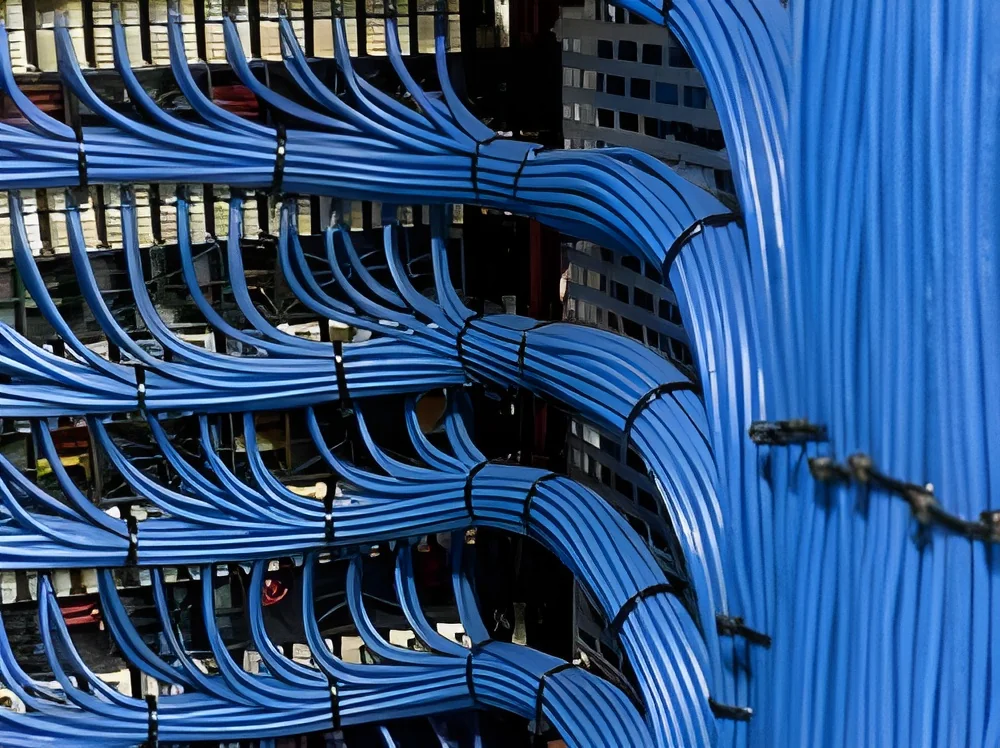
Network cabling and infrastructure setup refer to the systematic installation and arrangement of cabling systems that facilitate communication within a network. This setup is essential for connecting computers, servers, and other devices to enable data transfer, telecommunication, and internet access. Proper installation ensures that the network operates efficiently and securely, supporting the growing demands of modern businesses.
These systems are primarily used in various business applications, including office environments, data centers, and industrial facilities. They support a range of functionalities, such as internet access, internal communications, and data sharing. As businesses increasingly rely on technology, a robust cabling infrastructure is crucial for operational efficiency. In the context of industry relevance, the demand for network cabling is on the rise, driven by the expansion of digital services, cloud computing, and the Internet of Things (IoT).
Key Features and Specifications
When considering network cabling and infrastructure setup, several key features and specifications are crucial for ensuring optimal performance and reliability. Understanding these specifications helps businesses make informed decisions regarding their networking needs.
Key specifications include:
1. Cable Type
- Different types of cables, such as Cat5e, Cat6, and fiber optic cables, serve various bandwidth and speed requirements.
- The choice impacts data transfer rates, distance limitations, and overall network performance.
2. Transmission Speed
- Varies based on cable type and category, with higher categories supporting faster speeds.
- For example, Cat6 can support speeds up to 10 Gbps over shorter distances.
3. Maximum Length
- The length of the cable run affects signal quality and strength.
- Standard maximum lengths are typically 100 meters for copper cables.
4. Shielding Type
- Shielded cables provide protection against electromagnetic interference, enhancing signal integrity.
- Unshielded cables are often sufficient in low-interference environments.
5. Connector Types
- Various connectors like RJ45 for Ethernet cables and SC or LC for fiber optics determine compatibility with devices.
- The choice of connectors can impact installation and maintenance.
6. Installation Environment
- Indoor vs. outdoor installations require different cabling materials and protections against environmental factors.
- Considerations include temperature ranges and humidity control.
7. Compliance Standards
- Adhering to industry standards such as CE certification ensures quality and safety.
- Compliance is essential for meeting regulatory requirements.
8. Scalability Options
- Infrastructure should support future growth and expansion of the network.
- Scalable designs allow for easy upgrades without significant overhauls.
In summary, selecting the right features and specifications for network cabling is vital to ensure a reliable, efficient, and scalable infrastructure.
Common Applications and Use Cases
Network cabling and infrastructure setup find applications across a wide range of industries, each with specific needs and requirements.
1. Telecommunications: In telecommunications, network cabling enables efficient data transfer and communication between various network devices, supporting both voice and internet services.
2. Education: Schools and universities utilize network cabling to connect classrooms, labs, and administrative offices, ensuring reliable access to learning resources and administrative tools.
3. Healthcare: Hospitals rely on robust network infrastructure to facilitate communication between medical devices, patient records, and healthcare management systems, enhancing patient care and operational efficiency.
4. Manufacturing: In manufacturing environments, network cabling connects machinery and equipment for automation, data collection, and real-time monitoring, improving production processes.
5. Retail: Retail businesses implement network cabling for point-of-sale systems, inventory management, and customer engagement technologies, streamlining operations and enhancing customer experience.
6. Financial Services: Banks and financial institutions require secure and reliable cabling infrastructure to support transactions, data processing, and compliance with regulatory standards.
7. Government: Government agencies depend on effective network cabling for communication, data sharing, and secure information management, facilitating public services and operations.
Product Variants and Subcategories
Network cabling and infrastructure setups come in various configurations to meet diverse business needs. While specific subcategories may not be available, several variants cater to different applications.
Ethernet Cabling
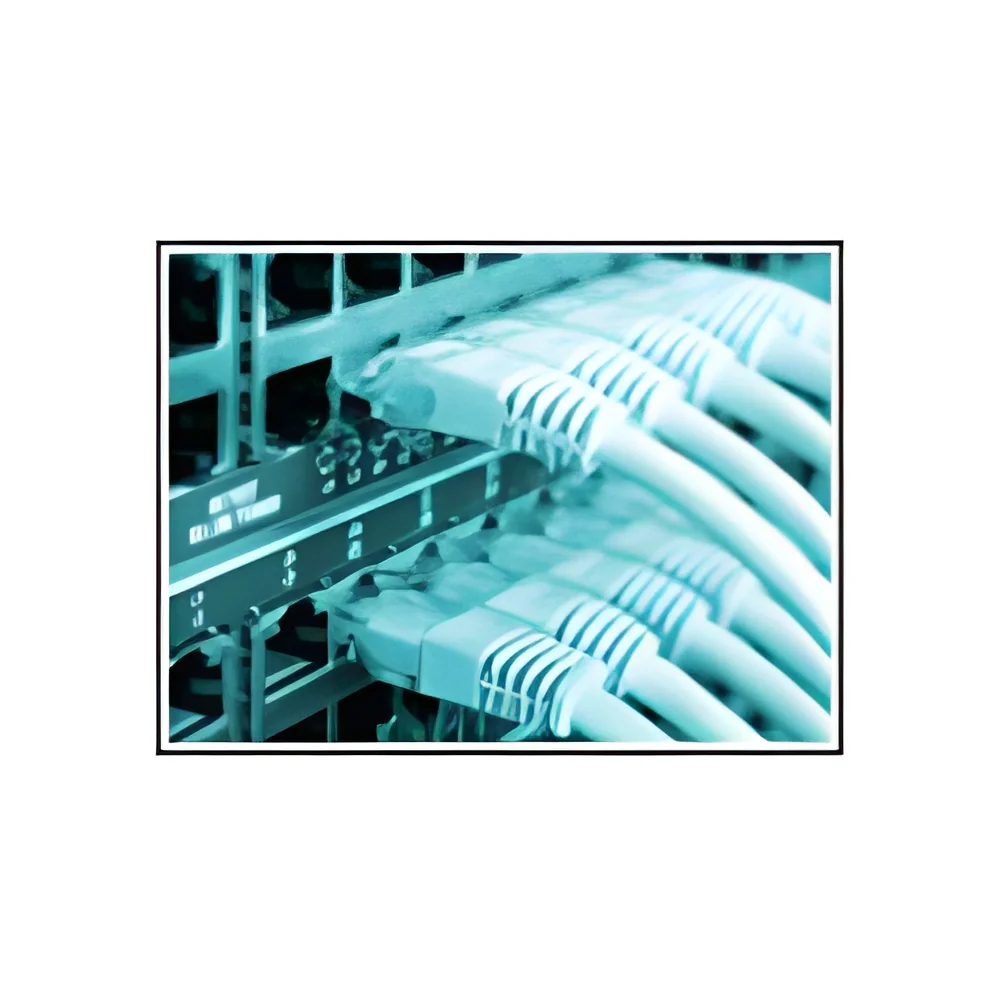
This type of cabling is widely used in office environments for networking devices. Ethernet cables come in different categories, such as Cat5e and Cat6, each offering varying speeds and performance levels suitable for different business applications.
Fiber Optic Cabling
Fiber optic cabling is ideal for high-speed data transmission over long distances. Its ability to support large amounts of data with minimal signal loss makes it suitable for data centers and telecommunications networks.
Copper Cabling
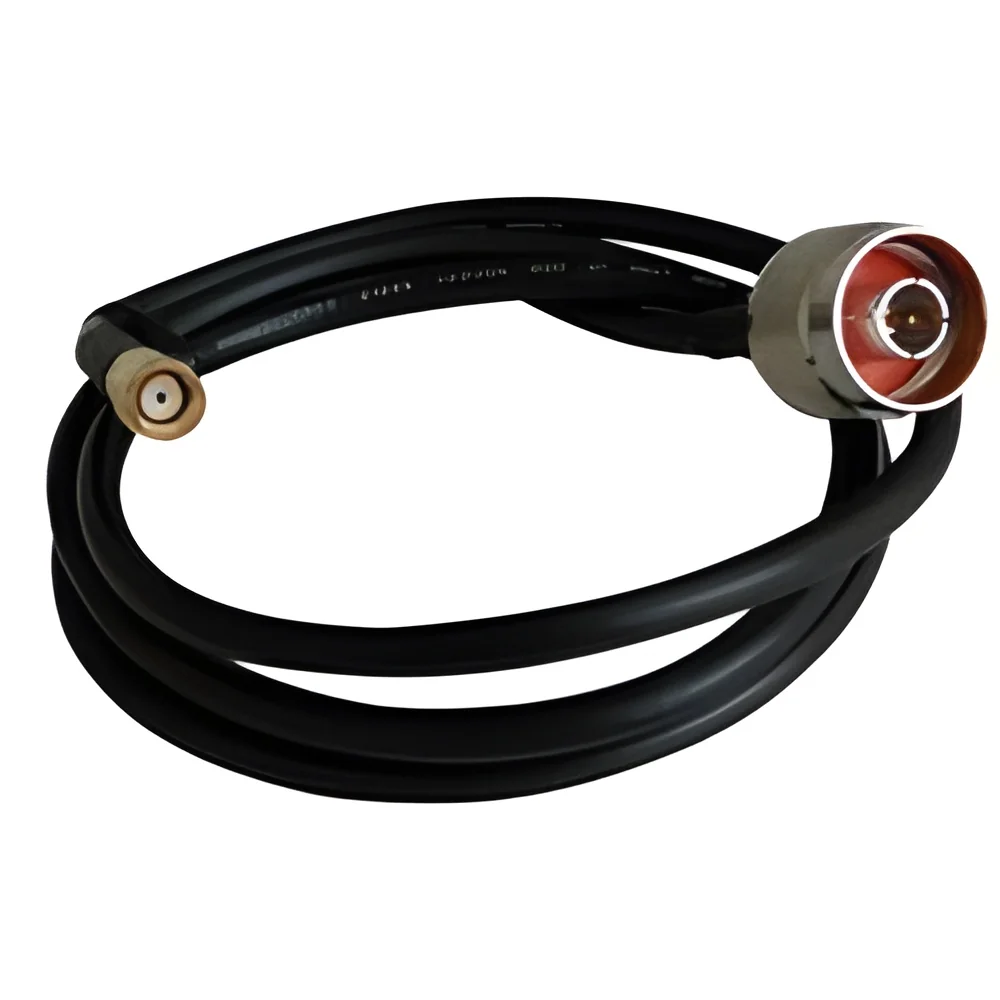
Copper cabling, including twisted pair and coaxial cables, is commonly used for local area networks (LANs). It provides reliable connectivity for office environments and supports various communication protocols.
Benefits and Advantages
Investing in network cabling and infrastructure provides numerous benefits for businesses looking to enhance their operations.
1. Improved Performance: High-quality cabling enhances data transfer speeds and network performance, reducing latency and downtime.
2. Scalability: A well-designed cabling infrastructure allows for easy upgrades and expansions, accommodating future business growth without major disruptions.
3. Enhanced Security: Proper cabling setups can include features that enhance network security, such as secure connections and shielding against interference.
4. Cost-Effectiveness: Investing in reliable cabling infrastructure reduces maintenance costs and downtime, leading to long-term savings for businesses.
5. Simplified Troubleshooting: A well-organized cabling system makes it easier to identify and resolve connectivity issues, minimizing disruptions.
6. Future-Proofing: Choosing the right cabling technology ensures compatibility with upcoming advancements, protecting the investment over time.
Buying Guide for B2B Buyers
When sourcing network cabling and infrastructure setup, B2B buyers should consider several critical factors to ensure they select the right solution for their needs.
1. Quality Assessment: Evaluate the quality of materials and components used in the cabling. Look for certifications and industry standards that indicate reliability and performance.
2. Supplier Verification: Vet suppliers to ensure they have a proven track record in the industry. Check references and reviews from other businesses to assess their reliability.
3. Pricing and MOQ: Understand the pricing structures and minimum order quantities (MOQ) required by suppliers. This information is crucial for budgeting and planning purchases.
4. Delivery and Lead Times: Clarify delivery schedules and lead times to ensure timely installation of the cabling infrastructure. Consider logistics and potential delays.
5. Compliance Requirements: Ensure that the selected cabling solutions comply with relevant regulatory standards and industry certifications. This step is vital for maintaining quality and safety.
Compliance and Certifications
Compliance and certifications play a crucial role in network cabling and infrastructure setup, ensuring that products meet industry standards for quality and safety. Common standards include ISO 9001, which outlines quality management systems, and CE certification, indicating conformity with European health, safety, and environmental protection standards.
Additionally, safety and testing requirements are essential to evaluate the performance and reliability of cabling systems. These tests may include assessments for electrical safety, signal integrity, and environmental resilience.
Regional compliance considerations should also be taken into account, as different regions may have specific regulations governing network installations. Adhering to these standards not only protects the business but also ensures that the infrastructure is reliable and future-proof.
Why Source Network Cabling & Infrastructure Setup from Pepagora?
Pepagora offers a trusted platform for sourcing network cabling and infrastructure setup, providing several key advantages to B2B buyers.
Verified Supplier Network: Pepagora features a network of verified suppliers, ensuring that businesses can find reliable partners for their cabling needs. This verification process helps to build trust and confidence in the purchasing process.
Streamlined RFQ Process: The platform simplifies the request for quotation (RFQ) process, allowing buyers to easily compare offerings from multiple suppliers. This efficiency saves time and helps in making informed purchasing decisions.
Trade Assurance and Support: Pepagora emphasizes buyer protection through trade assurance policies. This support includes assistance with disputes and guarantees on product quality, ensuring a secure purchasing experience.
Regional Coverage: With a focus on geographic regions such as India, the GCC, and Southeast Asia, Pepagora provides access to a wide range of suppliers and products tailored to local market needs. This regional coverage enhances the ability to find customized solutions for diverse business requirements.



Frequently Asked Questions
What are Network Cabling & Infrastructure Setup?
Network Cabling & Infrastructure Setup refers to the structured cabling systems that provide the foundation for data communication in businesses. This includes the physical cabling, connectors, and accessories needed to create a reliable and efficient network infrastructure.
What are the different types of Network Cabling & Infrastructure Setup?
There are several types of network cabling, including twisted pair (such as Cat5e, Cat6), coaxial, and fiber optic cables. Each type serves different purposes based on the network requirements, including speed, distance, and bandwidth.
How do I choose the right Network Cabling & Infrastructure Setup?
Choosing the right network cabling involves assessing your specific network needs, including data speed, distance, and the environment in which the cabling will be installed. Additionally, consider factors like future scalability and compatibility with existing infrastructure.
What are the standard specifications for Network Cabling & Infrastructure Setup?
Standard specifications for network cabling include performance standards set by organizations such as ANSI/TIA and ISO/IEC. These specifications cover parameters like bandwidth, data transmission rates, and environmental ratings, ensuring reliable communication.
What is the price range for Network Cabling & Infrastructure Setup?
The price range for Network Cabling & Infrastructure Setup can vary widely based on the type of cable, length, and additional accessories. Generally, costs can range from a few hundred to several thousand Indian Rupees, depending on the specifications and brand.
What quality standards apply to Network Cabling & Infrastructure Setup?
Quality standards for network cabling include certifications such as UL, CE, and RoHS compliance. These standards ensure that the cabling products meet safety, performance, and environmental regulations.
Where can I find Network Cabling & Infrastructure Setup suppliers in India?
You can find Network Cabling & Infrastructure Setup suppliers in India through B2B marketplaces like Pepagora. Additionally, manufacturers and distributors often have dedicated websites and can be located through industry trade shows and networking events.
Can Network Cabling & Infrastructure Setup be customized?
Yes, Network Cabling & Infrastructure Setup can often be customized to meet specific requirements such as length, color, and connector types. Many suppliers offer custom solutions to cater to unique business needs.
What is the typical minimum order quantity for Network Cabling & Infrastructure Setup?
The typical minimum order quantity (MOQ) for Network Cabling & Infrastructure Setup can vary by supplier but often ranges from 100 meters to 1000 meters, depending on the type of cabling and the manufacturer's policies.
What is the typical lead time for Network Cabling & Infrastructure Setup?
The typical lead time for Network Cabling & Infrastructure Setup orders can range from a few days to several weeks, depending on the supplier, the complexity of the order, and availability of materials. It is advisable to check with your supplier for specific timelines.
Why Businesses Trust Pepagora
Thousands of companies trust Pepagora to source smarter and sell faster
Expand Your Sales Globally

Source Smarter,Grow Faster
