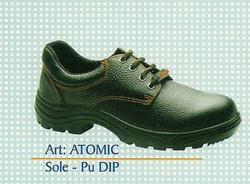
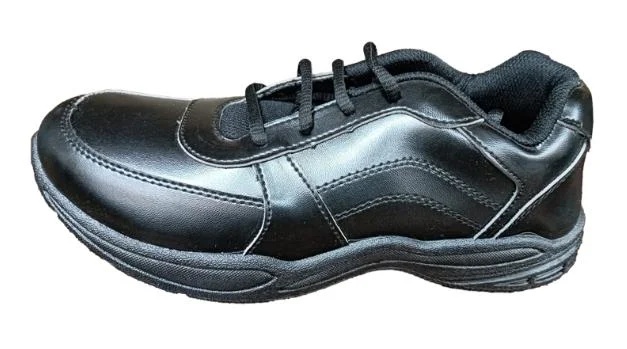
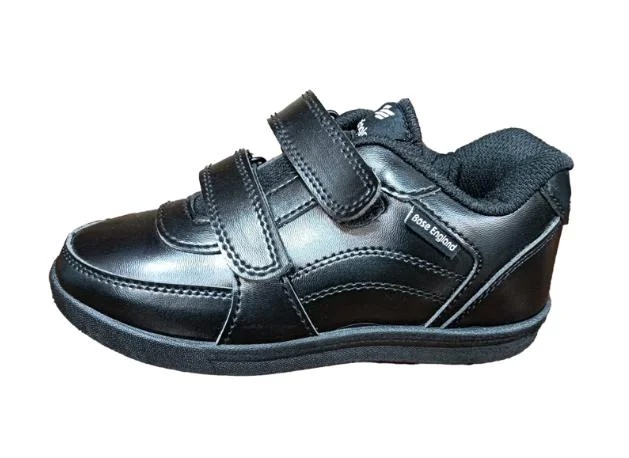
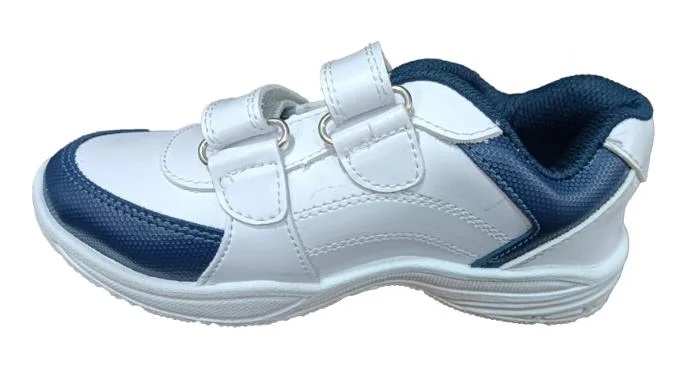
𝗪𝗵𝗮𝘁 𝗮𝗿𝗲 𝗠𝗲𝗻’𝘀 𝗙𝗼𝗿𝗺𝗮𝗹 𝗦𝗵𝗼𝗲 𝗠𝗮𝗻𝘂𝗳𝗮𝗰𝘁𝘂𝗿𝗲𝗿𝘀?
Men’s Formal Shoe Manufacturers are specialized producers focused on creating high-quality footwear designed for formal occasions. These manufacturers typically emphasize craftsmanship, material selection, and design aesthetics to deliver shoes that meet the demands of professional and formal settings. The production process often involves skilled labor, advanced techniques, and adherence to strict quality standards, ensuring that the final products are both stylish and durable.
The primary uses of men’s formal shoes include business meetings, corporate events, weddings, and other formal gatherings. Businesses often procure these shoes in bulk for their employees or as part of a uniform. The shoes are crafted to provide comfort and support while maintaining a polished appearance. As a result, men’s formal shoe manufacturers play a vital role in various industries, including corporate sectors, hospitality, and retail.
In the current market context, the demand for men’s formal shoes remains steady, driven by the need for professional attire in the workplace. With evolving fashion trends, manufacturers must adapt to meet consumer preferences while maintaining the integrity of traditional craftsmanship. This balance is crucial for remaining competitive in the global footwear industry.
𝗞𝗲𝘆 𝗙𝗲𝗮𝘁𝘂𝗿𝗲𝘀 𝗮𝗻𝗱 𝗦𝗽𝗲𝗰𝗶𝗳𝗶𝗰𝗮𝘁𝗶𝗼𝗻𝘀
Men’s formal shoes are characterized by several key features that distinguish them from casual footwear. These specifications ensure that the shoes meet the aesthetic and functional demands of formal occasions.
Key specifications include:
1. Material Quality
- High-grade leather or synthetic alternatives
- Durability and comfort attributes
2. Sole Construction
- Leather or rubber soles for traction and style
- Options for cushioned insoles for comfort
3. Design Styles
- Oxfords, brogues, and loafers as popular styles
- Variety in toe shapes and finishes
4. Size Range
- Availability in standard and wide sizes
- Custom sizing options may be offered
5. Color Options
- Traditional colors such as black, brown, and burgundy
- Seasonal color variations for fashion alignment
6. Closure Types
- Lace-up and slip-on styles for convenience
- Velcro options for ease of wear
7. Embellishments
- Stitching, brogue detailing, and polished finishes
- Custom branding options for bulk orders
8. Weight
- Lightweight designs for ease of movement
- Sturdy options for longevity
These specifications contribute to the overall performance and style of men’s formal shoes, making them suitable for various formal settings.
𝗖𝗼𝗺𝗺𝗼𝗻 𝗔𝗽𝗽𝗹𝗶𝗰𝗮𝘁𝗶𝗼𝗻𝘀 𝗮𝗻𝗱 𝗨𝘀𝗲 𝗖𝗮𝘀𝗲𝘀
Men’s formal shoes serve various industries and applications, each with specific demands and preferences.
1. Corporate Sector: Employees in corporate environments often wear formal shoes as part of their business attire. The shoes help create a professional appearance that aligns with company standards.
2. Hospitality Industry: Staff in hotels and fine dining establishments typically require formal shoes that are both stylish and comfortable. These shoes support long hours on their feet while maintaining an elegant look.
3. Event Management: Formal shoes are essential for event planners and staff working at weddings, galas, and corporate events. They need footwear that complements formal attire and provides comfort during extended events.
4. Retail: Sales representatives in upscale retail settings often wear formal shoes to reflect the brand's image. Quality footwear is crucial for customer interactions and overall presentation.
5. Education Sector: In certain educational institutions, formal shoes may be part of the dress code for faculty and staff. This requirement reinforces professionalism within the academic environment.
𝗣𝗿𝗼𝗱𝘂𝗰𝘁 𝗩𝗮𝗿𝗶𝗮𝗻𝘁𝘀 𝗮𝗻𝗱 𝗦𝘂𝗯𝗰𝗮𝘁𝗲𝗴𝗼𝗿𝗶𝗲𝘀
The diversity of men’s formal shoes allows manufacturers to cater to various tastes and occasions.
Oxford Shoes: These classic lace-up shoes are characterized by their closed lacing and sleek design. They are suitable for business formal attire and can be worn with suits for a polished appearance.
Brogue Shoes: Known for their decorative perforations, brogues add a stylish touch to formal wear. They can be worn in both casual and semi-formal settings, making them versatile options.
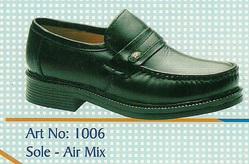
Loafers: Slip-on loafers offer convenience and comfort. They are ideal for both formal and smart-casual occasions, appealing to individuals seeking a blend of style and ease.
Derby Shoes: With open lacing, derby shoes provide a more relaxed fit compared to oxfords. They are suitable for business casual environments and offer flexibility in styling.
𝗕𝗲𝗻𝗲𝗳𝗶𝘁𝘀 𝗮𝗻𝗱 𝗔𝗱𝘃𝗮𝗻𝘁𝗮𝗴𝗲𝘀
Choosing men’s formal shoes from reputable manufacturers offers several key benefits that enhance their value.
1. Quality Craftsmanship: High-quality materials and skilled craftsmanship ensure that the shoes are durable and long-lasting, providing good value for investment.
2. Comfort: Many manufacturers prioritize comfort features, such as cushioned insoles and ergonomic designs, which are essential for all-day wear.
3. Professional Appearance: Formal shoes contribute to a polished and professional look, which is crucial in business settings and formal events.
4. Versatility: With various styles available, men’s formal shoes can serve multiple purposes, from business meetings to social gatherings.
5. Customization Options: Many manufacturers offer customization, allowing businesses to brand their shoes or select specific features to meet their needs.
𝗕𝘂𝘆𝗶𝗻𝗴 𝗚𝘂𝗶𝗱𝗲 𝗳𝗼𝗿 𝗕𝟮𝗕 𝗕𝘂𝘆𝗲𝗿𝘀
When sourcing men’s formal shoe manufacturers, it is essential to consider several factors to ensure a successful partnership.
1. Quality Assessment: Evaluate the quality of materials and craftsmanship. Request samples to verify that the shoes meet your standards and expectations.
2. Supplier Verification: Vet potential suppliers by checking their credentials and reputation in the industry. Look for reviews and testimonials from other businesses.
3. Pricing and MOQ: Understand the pricing structure and minimum order quantities. This information is crucial for budgeting and ensuring that you can meet your supply needs.
4. Delivery and Lead Times: Discuss logistics and lead times for order fulfillment. Timely delivery is essential for maintaining inventory and meeting customer demands.
5. Compliance Requirements: Ensure that the manufacturer adheres to relevant industry standards and compliance requirements, such as safety regulations and quality certifications.
𝗖𝗼𝗺𝗽𝗹𝗶𝗮𝗻𝗰𝗲 𝗮𝗻𝗱 𝗖𝗲𝗿𝘁𝗶𝗳𝗶𝗰𝗮𝘁𝗶𝗼𝗻𝘀
Compliance and certifications are vital aspects of the manufacturing process for men’s formal shoes. Adhering to relevant quality standards, such as ISO 9001, helps ensure that manufacturers maintain consistent quality in their products. This standard outlines requirements for quality management systems and processes.
Additionally, manufacturers may seek industry certifications, such as CE marking, which indicates compliance with European health, safety, and environmental protection standards. These certifications can enhance the credibility of the manufacturer's products in the market.
Safety and testing requirements are also critical, especially in regions with stringent regulations. Manufacturers must ensure that their products meet safety standards to protect consumers and minimize liability risks.
Regional compliance considerations vary, with different countries or regions imposing specific requirements for footwear production. Understanding these regulations is essential for manufacturers looking to operate in international markets.
𝗪𝗵𝘆 𝗦𝗼𝘂𝗿𝗰𝗲 𝗠𝗲𝗻’𝘀 𝗙𝗼𝗿𝗺𝗮𝗹 𝗦𝗵𝗼𝗲 𝗠𝗮𝗻𝘂𝗳𝗮𝗰𝘁𝘂𝗿𝗲𝗿𝘀 𝗳𝗿𝗼𝗺 𝗣𝗲𝗽𝗮𝗴𝗼𝗿𝗮?
Pepagora provides a trusted platform for sourcing men’s formal shoe manufacturers, offering several key advantages that set it apart in the marketplace.
Verified Supplier Network: Pepagora maintains a network of verified suppliers, ensuring that buyers can connect with reputable manufacturers. This verification process helps mitigate risks associated with sourcing.
Streamlined RFQ Process: The platform simplifies the request for quotation process, allowing buyers to receive competitive offers from multiple suppliers efficiently. This feature saves time and enhances decision-making.
Trade Assurance and Support: Buyers benefit from trade assurance initiatives that protect their investments. Pepagora provides support throughout the sourcing process, ensuring that buyers receive the products they ordered.
Regional Coverage: With a strong presence in India, the GCC, and Southeast Asia, Pepagora offers extensive regional coverage for sourcing needs. This geographic reach enables buyers to find local manufacturers that meet their specific requirements.

 IN
IN
 India
India