
 IN
Melange Blend Fabrics
1 products available
What are Melange Blend Fabrics?
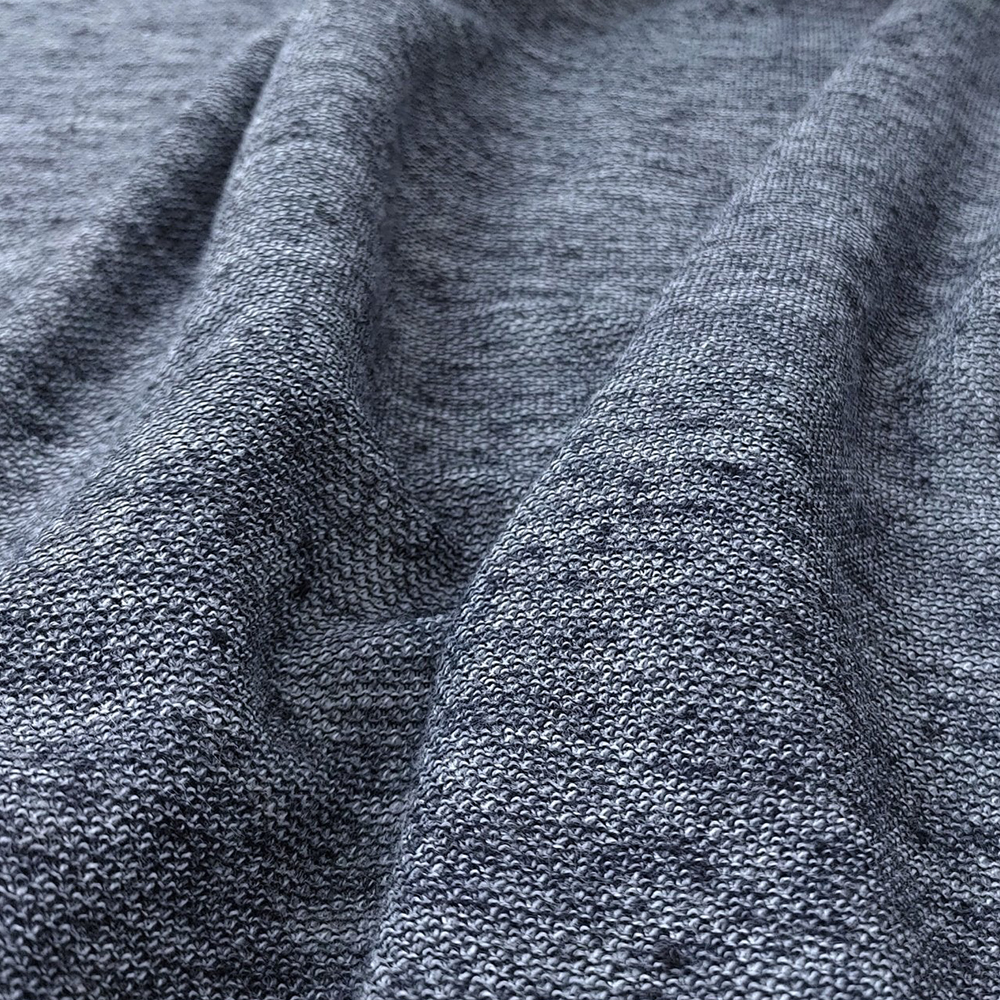
Melange blend fabrics are textiles created by combining different fibers or yarns to achieve unique colors, textures, and patterns. This fabric type is characterized by its speckled appearance, which results from mixing various dye colors during the yarn production process. The blend can include natural and synthetic fibers, offering a versatile and appealing fabric option for various applications.
These fabrics are widely used in the apparel industry, particularly for making garments such as t-shirts, sweaters, and activewear. They also find applications in home textiles, such as upholstery and curtains, due to their aesthetic appeal and durability. Melange blend fabrics are relevant in the textile market as they meet the rising demand for fashionable yet functional materials that can cater to diverse consumer preferences.
The market for melange blend fabrics is influenced by trends in fashion, sustainability, and innovation in textile manufacturing. As businesses seek to differentiate their products, melange fabrics serve as a valuable option for enhancing product offerings, meeting quality standards, and responding to customer demands for unique and stylish textiles.
Key Features and Specifications
Melange blend fabrics boast several key features that make them desirable in various applications. Their unique visual appeal combined with functional qualities makes them suitable for a range of industries.
Key specifications include:
1. Fiber Composition
- Typically made from a blend of cotton, polyester, and other fibers.
- The composition can vary to achieve desired properties such as breathability, durability, and stretch.
2. Color Variation
- The mixing of different colored fibers creates a unique marled effect.
- This feature allows for a wide range of color combinations and styles.
3. Texture
- Melange fabrics can exhibit various textures depending on the fiber blend.
- Options may include smooth, soft, or coarse textures to suit different applications.
4. Weight
- Available in various weights, from lightweight for summer wear to heavier options for winter garments.
- Weight impacts the draping and overall feel of the fabric.
5. Durability
- Generally resistant to wear and tear due to the blended fiber composition.
- Suitable for everyday use in clothing and home textiles.
6. Care Instructions
- Typically machine washable and easy to maintain.
- Specific care requirements can vary depending on the fiber blend used.
7. Breathability
- Often designed to be breathable, making them ideal for activewear and casual clothing.
- Proper ventilation contributes to comfort in various environments.
8. Stretchability
- Some melange fabrics include elastic fibers to provide stretch.
- This property enhances comfort and fit in garments.
In summary, melange blend fabrics offer a combination of aesthetic appeal and functional benefits, making them a versatile choice for a variety of industries.
Common Applications and Use Cases
Melange blend fabrics are utilized across several industries due to their unique properties and visual appeal.
1. Apparel Industry: Melange fabrics are widely used for creating casual wear, including t-shirts, sweatshirts, and activewear. The blend of fibers provides comfort and style, making these garments popular among consumers.
2. Home Textiles: These fabrics are also found in home furnishings such as curtains, upholstery, and decorative pillows. Their ability to withstand wear while offering aesthetic appeal makes them suitable for interior design.
3. Sportswear: The breathable and stretchable qualities of melange fabrics make them ideal for sportswear and active clothing. They provide comfort and freedom of movement during physical activities.
4. Fashion Accessories: Melange fabrics are commonly used in scarves, hats, and bags. The unique visual texture adds a fashionable element to these accessories.
5. Industrial Textiles: Certain melange blends are utilized in industrial applications where durability and specific performance characteristics are required.
6. Children's Clothing: The soft texture and durability of melange fabrics make them suitable for children's apparel, where comfort and ease of maintenance are essential.
7. Uniforms: Companies utilize melange fabrics for uniforms, offering a professional appearance combined with comfort and wear resistance.
Product Variants and Subcategories
Melange blend fabrics come in various forms, catering to different needs and applications.
Cotton-Polyester Blend
This variant combines the natural comfort of cotton with the durability of polyester. It is widely used in casual wear and home textiles, providing a soft feel and easy maintenance.
Wool-Polyester Blend
This variant offers warmth and insulation while maintaining lightweight characteristics. It is ideal for winter wear and outdoor garments, blending the benefits of wool and synthetic fibers.
Viscose Blend
Viscose melange fabrics combine the softness of viscose with other fibers, providing a luxurious drape and sheen. This variant is popular in fashion apparel and high-end textiles.
Recycled Fiber Blend
In response to sustainability trends, this variant includes recycled fibers in the blend. It caters to eco-conscious consumers while maintaining the aesthetic and functional qualities of traditional melange fabrics.
Benefits and Advantages
Melange blend fabrics offer numerous advantages that make them a preferred choice in various applications.
Key benefits include:
1. Aesthetic Appeal: The unique color variations and textures provide an attractive look, making garments and textiles visually appealing.
2. Versatility: Melange fabrics can be used in various applications, from clothing to home textiles, catering to diverse industry needs.
3. Comfort: The combination of fibers often results in a soft and comfortable feel, enhancing the wearer's experience.
4. Durability: The blend of fibers typically enhances the fabric's resistance to wear and tear, ensuring long-lasting products.
5. Easy Maintenance: Most melange fabrics are machine washable and easy to care for, making them practical for everyday use.
6. Fashion Trends: The unique appearance of melange fabrics aligns well with contemporary fashion trends, allowing businesses to stay relevant in the market.
Buying Guide for B2B Buyers
When sourcing melange blend fabrics, there are several important factors to consider to ensure a successful purchase.
1. Quality Assessment: Evaluate the quality of the fabric by checking the fiber composition and feel. Conduct tests for durability and colorfastness to ensure it meets industry standards.
2. Supplier Verification: Vet potential suppliers by reviewing their certifications and customer reviews. Ensure they have a track record of delivering high-quality fabrics.
3. Pricing and MOQ: Consider the pricing structure and minimum order quantities. Compare costs among different suppliers to find competitive pricing that fits your budget.
4. Delivery and Lead Times: Discuss logistics and delivery timelines with suppliers. Ensure they can meet your deadlines for production schedules.
5. Compliance Requirements: Understand any regulatory needs related to the fabrics, such as safety and environmental standards. Ensure your supplier complies with relevant regulations.
Compliance and Certifications
Melange blend fabrics must adhere to various quality standards and certifications to ensure safety and performance.
Relevant quality standards include ISO 9001, which focuses on quality management systems, ensuring that suppliers maintain high-quality manufacturing processes. Compliance with HACCP (Hazard Analysis Critical Control Point) may also apply to specific textile applications that require safety in production.
Industry certifications such as CE mark compliance demonstrate that the fabrics meet European health, safety, and environmental protection standards. It is crucial for suppliers to provide documentation confirming these certifications.
Safety and testing requirements may include evaluations for flammability, colorfastness, and other performance characteristics. Additionally, regional compliance considerations may vary based on local regulations, requiring buyers to verify standards specific to their markets.
Why Source Melange Blend Fabrics from Pepagora?
Pepagora is a trusted platform for sourcing melange blend fabrics, offering several key advantages for businesses.
Verified Supplier Network: Pepagora connects buyers with a network of verified suppliers, ensuring that companies can source high-quality fabrics from reputable manufacturers. This verification process helps mitigate risks associated with sourcing.
Streamlined RFQ Process: The platform simplifies the request for quotation process, allowing buyers to easily compare offers from multiple suppliers. This efficiency enables businesses to make informed decisions quickly.
Trade Assurance and Support: With trade assurance mechanisms, Pepagora protects buyers, providing support and dispute resolution services. This assurance fosters confidence in the purchasing process.
Regional Coverage: Pepagora has a strong presence in key markets including India, the GCC, and Southeast Asia. This geographic reach ensures that businesses can source melange blend fabrics from reliable suppliers in their regions.


 India
Frequently Asked Questions
What are Melange Blend Fabrics?
Melange Blend Fabrics are textiles made from a combination of different colored fibers, resulting in a unique and visually appealing pattern. These fabrics often blend cotton, polyester, and other materials to enhance durability and comfort.
What are the different types of Melange Blend Fabrics?
The different types of Melange Blend Fabrics include cotton-polyester blends, wool blends, and synthetic blends. Each type offers distinct characteristics, such as breathability, warmth, and moisture-wicking properties, catering to various applications in the textile industry.
How do I choose the right Melange Blend Fabrics?
To choose the right Melange Blend Fabrics, consider factors like the intended use, fabric weight, and desired texture. Additionally, evaluating the color combinations and the blend of fibers can help ensure the fabric meets your specific requirements.
What are the standard specifications for Melange Blend Fabrics?
Standard specifications for Melange Blend Fabrics typically include fabric weight, thread count, and fiber composition. Common weights range from lightweight for casual wear to heavier options suited for outerwear, and fiber compositions can vary depending on the desired performance characteristics.
What is the price range for Melange Blend Fabrics?
The price range for Melange Blend Fabrics varies based on the quality, fiber content, and supplier. Generally, prices can start from INR 150 per meter and can go up to INR 1000 or more, depending on the specifications and customization options.
What quality standards apply to Melange Blend Fabrics?
Quality standards for Melange Blend Fabrics often include compliance with industry benchmarks such as ISO certifications and testing for colorfastness, shrinkage, and tensile strength. Manufacturers may also adhere to specific textile regulations to ensure safety and performance.
Where can I find Melange Blend Fabrics suppliers in India?
Melange Blend Fabrics suppliers in India can be found on B2B marketplaces like Pepagora.com, textile trade shows, and industry directories. Additionally, contacting local textile manufacturers and wholesalers can provide options for sourcing these fabrics.
Can Melange Blend Fabrics be customized?
Yes, Melange Blend Fabrics can often be customized based on color, weight, and pattern to meet specific customer requirements. Many manufacturers offer customization services, allowing businesses to create unique fabric designs for their products.
What is the typical minimum order quantity for Melange Blend Fabrics?
The typical minimum order quantity (MOQ) for Melange Blend Fabrics can vary by supplier, but it generally ranges from 50 to 100 meters. It's advisable to check with individual suppliers for their specific MOQ policies.
What is the typical lead time for Melange Blend Fabrics?
The typical lead time for Melange Blend Fabrics depends on the order size and customization requirements, usually ranging from 2 to 6 weeks. Factors such as production capacity and availability of raw materials can also influence delivery times.
Why Businesses Trust Pepagora
Thousands of companies trust Pepagora to source smarter and sell faster
Expand Your Sales Globally

Source Smarter,Grow Faster
