
 IN
Maternity Pads
7 products available
What are Maternity Pads?
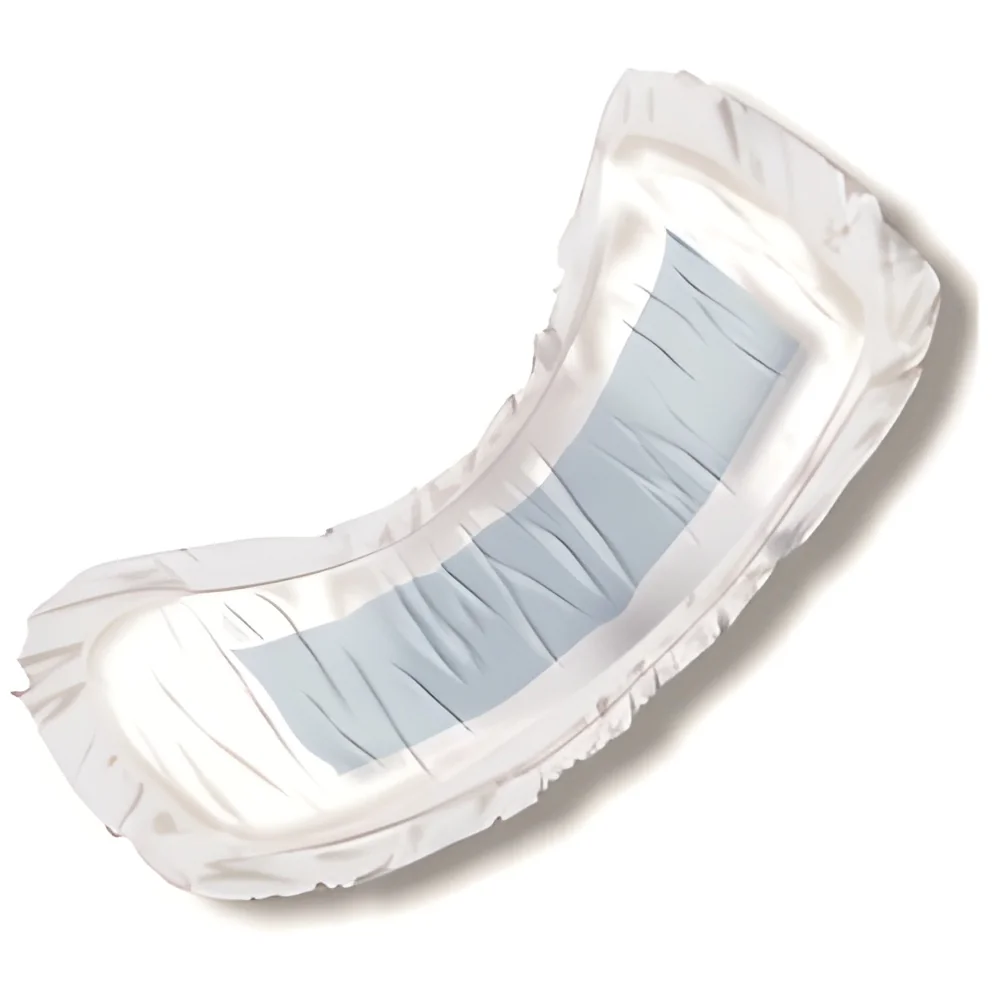
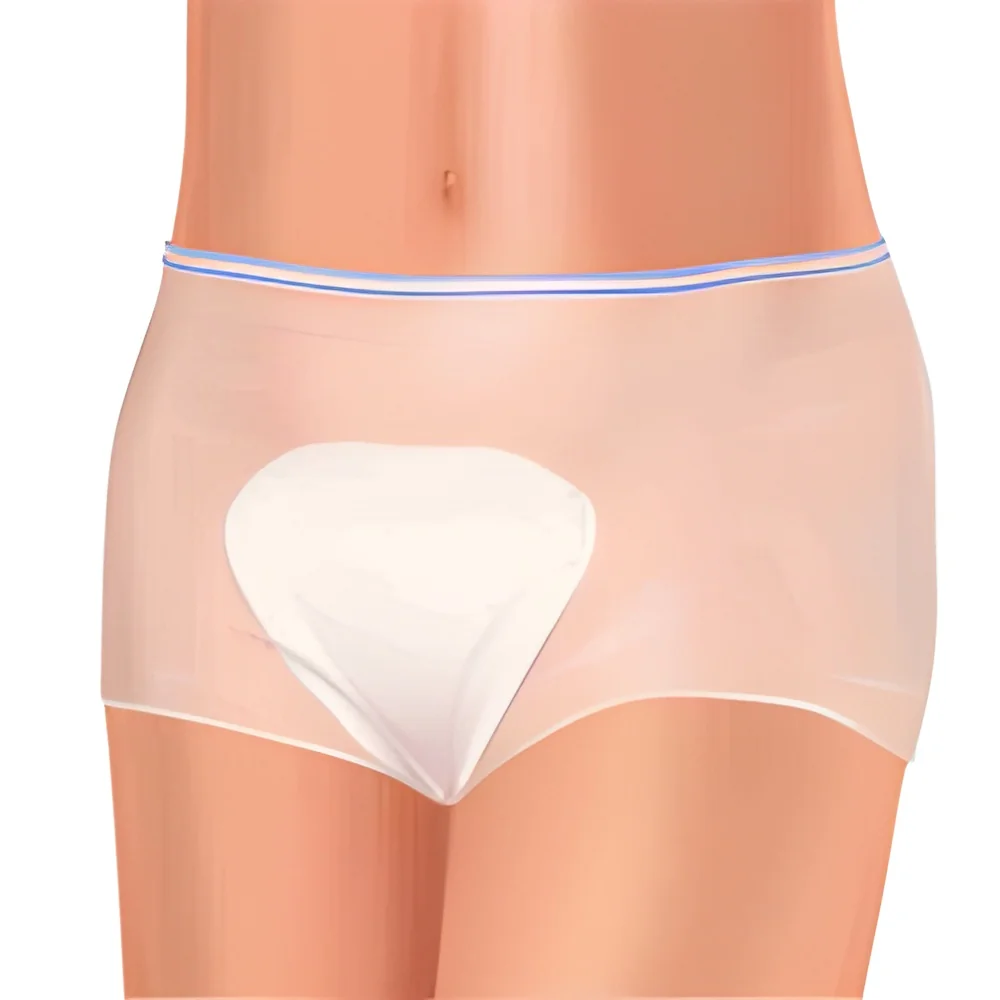
Maternity pads are specialized absorbent products designed for postpartum use. They are larger and more absorbent than standard sanitary pads, catering specifically to the needs of new mothers during the recovery phase after childbirth. Maternity pads are engineered to provide comfort, protection, and security while addressing the increased flow that often accompanies post-delivery recovery.
These pads are essential for managing postpartum bleeding, which can vary in intensity and duration. Maternity pads are commonly used in hospitals, clinics, and by individuals at home. Their design often includes features to enhance comfort, such as soft materials and breathable layers. In the context of the healthcare industry, the demand for maternity pads reflects the larger trends in maternal health and wellness, underscoring their importance in feminine hygiene products.
Key Features and Specifications
Maternity pads are characterized by several key features that distinguish them from regular pads. Understanding these specifications is crucial for businesses looking to procure quality products for their clients.
Key specifications include:
1. Absorbency Level
- Designed to handle light to heavy postpartum flow.
- Typically rated based on the volume of fluid absorbed.
2. Material Composition
- Made from soft, breathable materials to prevent irritation.
- Many pads feature a cotton top layer for added comfort.
3. Size Dimensions
- Usually larger than standard pads to provide maximum coverage.
- Common sizes range from 10 to 14 inches in length.
4. Adhesive Quality
- Equipped with strong adhesives to ensure the pad stays in place.
- Allows for comfortable movement without shifting.
5. Length of Use
- Intended for extended use, providing protection for several hours.
- Some variants designed for overnight use for added security.
6. Packaging
- Often packaged in bulk for cost efficiency in healthcare settings.
- Individual packaging may be available for personal use.
7. Environmental Considerations
- Some pads are made from biodegradable materials.
- Options available for eco-conscious consumers.
In summary, the specific features and specifications of maternity pads make them a vital product for postpartum care, ensuring comfort and reliability for new mothers.
Common Applications and Use Cases
Maternity pads serve a variety of industries, each with specific applications that highlight their importance.
1. Healthcare Facilities: Hospitals and clinics utilize maternity pads as essential supplies for postpartum care, ensuring new mothers have access to quality hygiene products during their recovery.
2. Maternity Centers: Specialized maternity care centers provide maternity pads as part of their services, ensuring comfort for mothers during their stay.
3. Home Care: Many new mothers purchase maternity pads for personal use at home, facilitating their recovery and providing necessary hygiene during the early days after childbirth.
4. Nursing Homes: Facilities that care for elderly women may also stock maternity pads for residents who may experience similar needs.
5. Retail Pharmacies: Pharmacies often carry maternity pads as part of their feminine hygiene offerings, catering to consumer demand.
Product Variants and Subcategories
Maternity pads are available in various product variants to meet the diverse needs of users.
Regular Maternity Pads
These are the standard variety, designed for everyday postpartum use. They provide moderate absorbency and are suitable for typical daily activities.
Overnight Maternity Pads
Engineered for extended use, these pads feature enhanced absorbency to provide protection throughout the night. They are longer and thicker to ensure comfort and security during sleep.
Ultra-Thin Maternity Pads
These pads are designed for those seeking a discreet option. Despite their slim profile, they maintain high absorbency levels, making them ideal for active new mothers.
Benefits and Advantages
Maternity pads offer several key benefits that make them essential for postpartum care.
1. Enhanced Absorbency: These pads can manage heavier flows, providing peace of mind for new mothers.
2. Comfort and Softness: Made from soft materials, maternity pads reduce the risk of irritation during sensitive recovery periods.
3. Secure Fit: The strong adhesive backing ensures that the pads stay in place, allowing mothers to move freely without concern.
4. Convenient Packaging: Available in bulk or individual packs, maternity pads can be easily purchased and stored as needed.
5. Support for Recovery: Proper hygiene management during the postpartum period promotes healing and overall wellness.
6. Variety of Options: The availability of different sizes and absorbency levels allows mothers to choose products that best fit their needs.
Buying Guide for B2B Buyers
When sourcing maternity pads for business purposes, several key factors should be considered to ensure quality and reliability.
1. Quality Assessment: It is crucial to evaluate the materials and absorbency levels of maternity pads. Look for products that have undergone rigorous testing to meet quality standards.
2. Supplier Verification: Vet potential suppliers to ensure they have a proven track record of delivering high-quality products. This may include checking their certifications and customer reviews.
3. Pricing and MOQ: Understand the pricing structure and minimum order quantities (MOQ) for maternity pads. This will help in budgeting and inventory management.
4. Delivery and Lead Times: Establish clear expectations regarding delivery times and logistics. Ensure suppliers can meet your operational needs without delays.
5. Compliance Requirements: Be aware of any regulatory requirements specific to maternity pads, including safety standards and certifications. This ensures the products are safe and suitable for use.
Compliance and Certifications
Maternity pads must adhere to relevant quality standards and certifications to ensure safety and efficacy. Key standards include ISO 9001, which focuses on quality management systems and ensuring consistent product quality. Additionally, certifications like CE indicate that the product meets European health, safety, and environmental protection standards.
Manufacturers should also consider safety and testing requirements during production. This may involve rigorous testing for absorbency, leakage, and skin irritation to ensure the pads are safe for use. It is essential to stay informed about regional compliance considerations, as regulations may vary based on geographic location.
Why Source Maternity Pads from Pepagora?
Pepagora provides a trusted platform for sourcing maternity pads, offering several key advantages for B2B buyers.
Verified Supplier Network: Pepagora has a robust network of verified suppliers, ensuring that buyers can find high-quality maternity pads from reputable manufacturers. This verification process helps mitigate risks associated with sourcing.
Streamlined RFQ Process: The platform offers a streamlined request for quotation (RFQ) process, making it easy for buyers to obtain multiple quotes from different suppliers. This feature helps in making informed purchasing decisions.
Trade Assurance and Support: Pepagora offers trade assurance, providing buyers with protection during transactions. This includes support for dispute resolution and ensuring that products meet agreed-upon specifications.
Regional Coverage: With a strong presence in markets across India, the GCC, and Southeast Asia, Pepagora facilitates access to maternity pads tailored to diverse regional needs. This geographic reach ensures that buyers can source products that meet local preferences and regulations.


 India
 India
 India
 India
Frequently Asked Questions
What are Maternity Pads?
Maternity pads are specialized absorbent products designed for postpartum use. They provide comfort and protection for women during the recovery period after childbirth.
What are the different types of Maternity Pads?
There are various types of maternity pads, including disposable and reusable options. Additionally, they may vary in absorbency levels, sizes, and materials, catering to different needs during the postpartum period.
How do I choose the right Maternity Pads?
Selecting the right maternity pads involves considering the level of absorbency needed, the length and thickness of the pad, and any personal comfort preferences. It is also advisable to look for pads made from breathable materials to enhance comfort.
What are the standard specifications for Maternity Pads?
Standard specifications for maternity pads typically include absorbency capacity, thickness, length, and material composition. Most pads are designed to be hypoallergenic and free from harmful chemicals to ensure safety for new mothers.
What is the price range for Maternity Pads?
The price range for maternity pads can vary significantly based on brand, material, and absorbency level. Generally, prices can range from affordable options around INR 100 to premium products that may cost up to INR 500 or more.
What quality standards apply to Maternity Pads?
Maternity pads must adhere to quality standards set by health authorities, which include safety, absorbency, and material safety. Manufacturers often follow guidelines to ensure that pads are free from toxic substances and are suitable for sensitive skin.
Where can I find Maternity Pads suppliers in India?
You can find maternity pads suppliers in India through online B2B marketplaces like Pepagora. These platforms connect buyers with reputable manufacturers and suppliers, making it easier to find suitable products.
Can Maternity Pads be customized?
Yes, maternity pads can often be customized to meet specific requirements such as size, absorbency, and branding. Many manufacturers offer customization options to cater to the diverse needs of consumers.
What is the typical minimum order quantity for Maternity Pads?
The typical minimum order quantity (MOQ) for maternity pads can vary by supplier but often ranges from 500 to 1000 units. It is advisable to check with specific manufacturers for their MOQ policies.
What is the typical lead time for Maternity Pads?
The typical lead time for maternity pads can range from 2 to 4 weeks, depending on the manufacturer and order size. Factors such as customization and production schedules may also affect delivery timelines.
Why Businesses Trust Pepagora
Thousands of companies trust Pepagora to source smarter and sell faster
Expand Your Sales Globally

Source Smarter,Grow Faster
