
 IN
IN₹
Sanitary Products & Feminine Hygiene
68 products available
𝗪𝗵𝗮𝘁 𝗮𝗿𝗲 𝗦𝗮𝗻𝗶𝘁𝗮𝗿𝘆 𝗣𝗿𝗼𝗱𝘂𝗰𝘁𝘀 & 𝗙𝗲𝗺𝗶𝗻𝗶𝗻𝗲 𝗛𝘆𝗴𝗶𝗲𝗻𝗲?
Sanitary products and feminine hygiene items are essential goods designed to maintain personal cleanliness and comfort during menstruation and other female health needs. These products include sanitary pads, tampons, menstrual cups, panty liners, and wipes, all formulated to provide convenience, hygiene, and security for users. They are used to absorb menstrual flow, prevent leaks, and manage odor, ensuring that women can carry on with their daily activities with confidence.
The primary use of these products spans various personal and professional contexts. In the consumer market, these items are vital for individual health and hygiene. In the B2B environment, businesses such as hospitals, clinics, educational institutions, and retailers are key players in distributing these products. The industry is relevant not only for its role in health and wellness but also for its significant economic impact. As awareness of personal hygiene grows, the demand for sanitary products is projected to increase, creating opportunities for businesses to cater to a more informed consumer base.
𝗞𝗲𝘆 𝗙𝗲𝗮𝘁𝘂𝗿𝗲𝘀 𝗮𝗻𝗱 𝗦𝗽𝗲𝗰𝗶𝗳𝗶𝗰𝗮𝘁𝗶𝗼𝗻𝘀
Sanitary products and feminine hygiene items are designed with specific features and specifications to meet diverse consumer needs. Quality and effectiveness are paramount, influencing product choice and brand loyalty.
Key specifications include:
1. Material Composition
- Made from absorbent and breathable materials.
- Common materials include cotton, rayon, and biodegradable options.
2. Absorbency Levels
- Products available in various absorbency levels to suit different flow rates.
- Options range from light to super absorbent.
3. Size and Design
- Various sizes to accommodate different body types and preferences.
- Ergonomic designs for comfort and ease of use.
4. Eco-Friendliness
- Biodegradable and organic options available to reduce environmental impact.
- Focus on sustainable materials and packaging.
5. Dermatological Safety
- Products tested for skin sensitivity and irritation.
- Hypoallergenic options for sensitive skin.
6. Odor Control Technology
- Incorporation of odor-neutralizing agents.
- Designed to provide freshness throughout the day.
7. Packaging
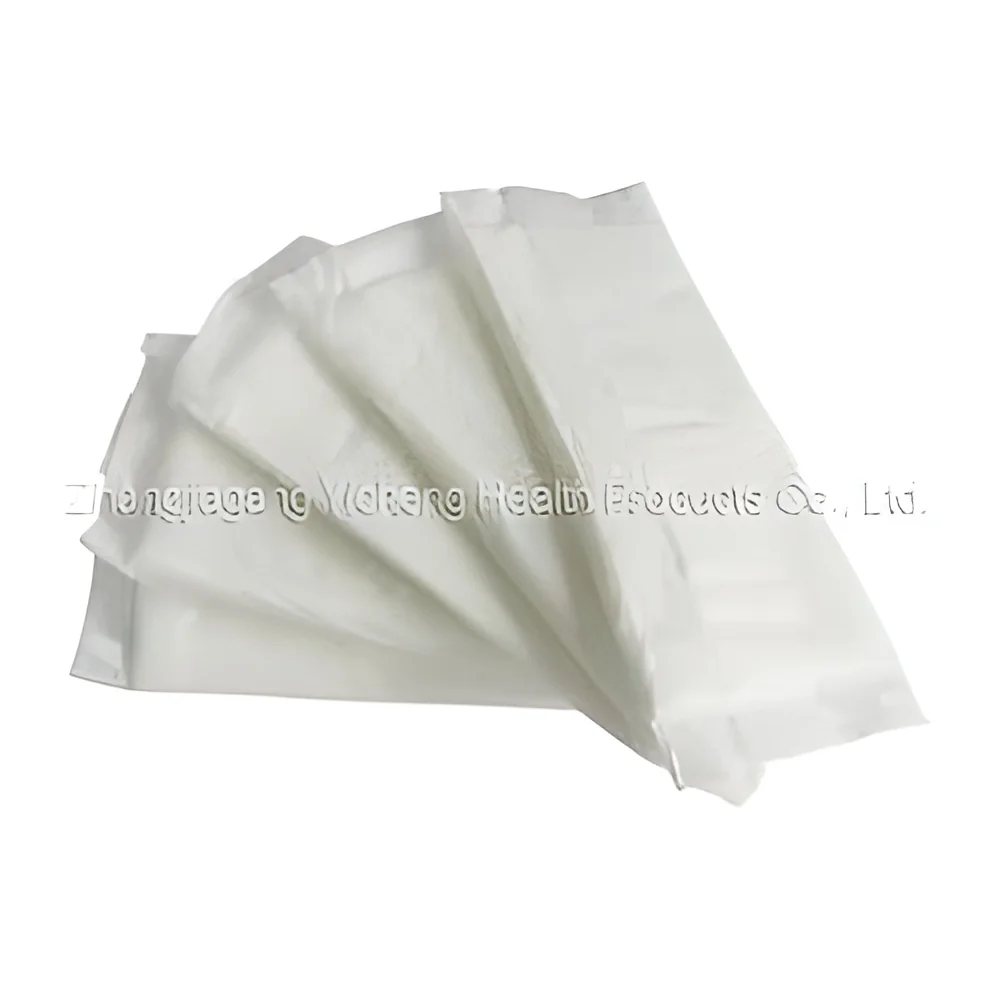
- Individual packaging for hygiene and convenience.
- Discreet designs for personal use.
In summary, the specifications of sanitary products and feminine hygiene items are tailored to ensure comfort, safety, and convenience for users, making them vital for personal hygiene.
𝗖𝗼𝗺𝗺𝗼𝗻 𝗔𝗽𝗽𝗹𝗶𝗰𝗮𝘁𝗶𝗼𝗻𝘀 𝗮𝗻𝗱 𝗨𝘀𝗲 𝗖𝗮𝘀𝗲𝘀
Sanitary products and feminine hygiene items serve various industries, each with specific applications.
1. Healthcare: Hospitals and clinics utilize these products for patient care, ensuring hygiene for women during visits and procedures.
2. Education: Schools and universities provide access to sanitary products for students, promoting health and hygiene education.
3. Retail: Supermarkets and pharmacies stock a range of feminine hygiene products, responding to consumer demand for convenience and availability.
4. Hospitality: Hotels and resorts offer these products as part of their amenities, enhancing guest comfort.
5. Sports: Athletic facilities and teams offer sanitary products to support female athletes during sporting events.
6. Non-Profit Organizations: Charities and NGOs distribute hygiene products to underserved communities, addressing health disparities.
7. Workplaces: Corporations may provide sanitary products in restrooms, promoting employee well-being and support.
𝗣𝗿𝗼𝗱𝘂𝗰𝘁 𝗩𝗮𝗿𝗶𝗮𝗻𝘁𝘀 𝗮𝗻𝗱 𝗦𝘂𝗯𝗰𝗮𝘁𝗲𝗴𝗼𝗿𝗶𝗲𝘀
The market for sanitary products and feminine hygiene is diverse, offering a variety of options to meet different consumer needs.
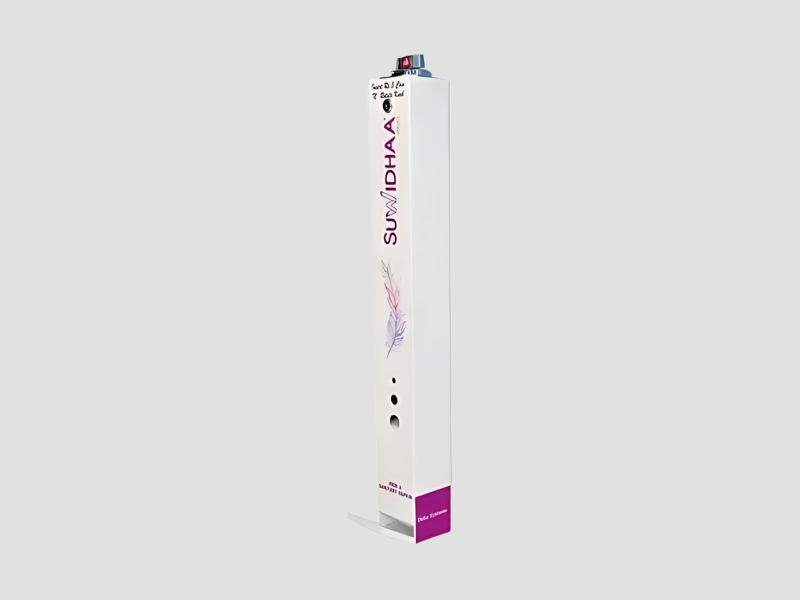
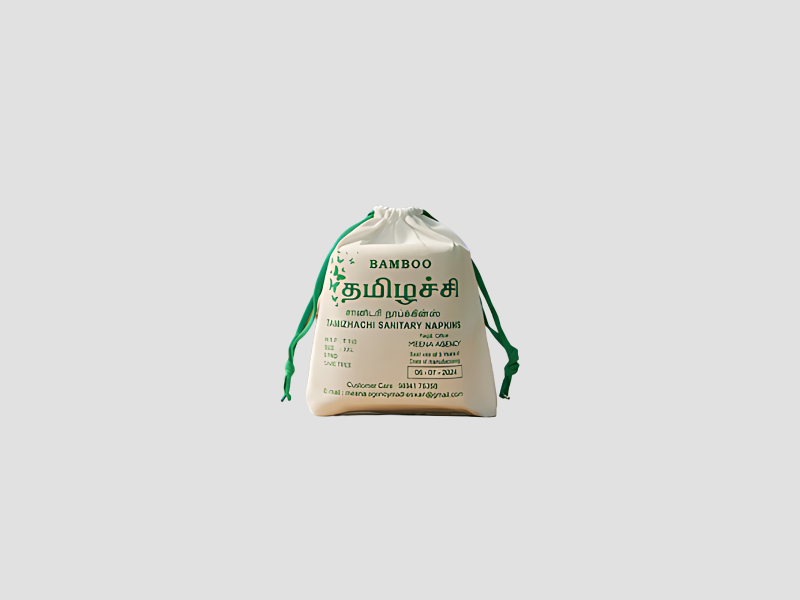
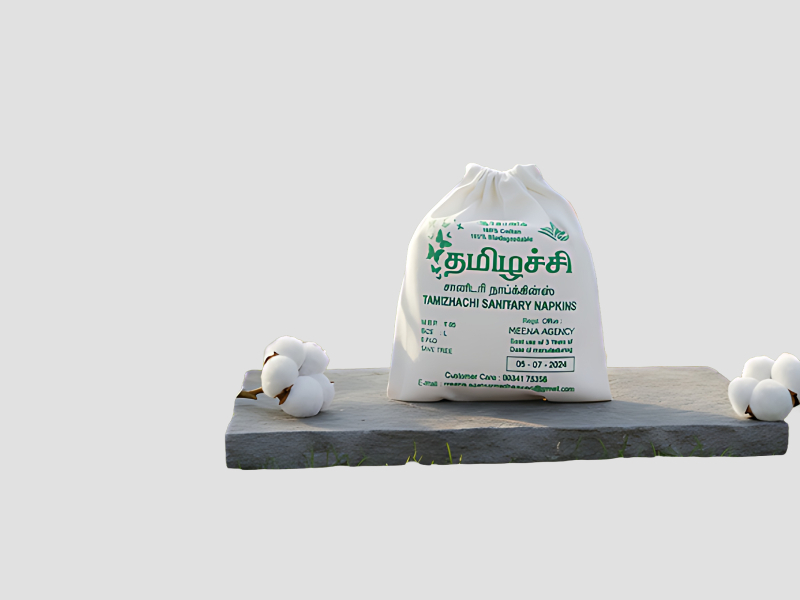
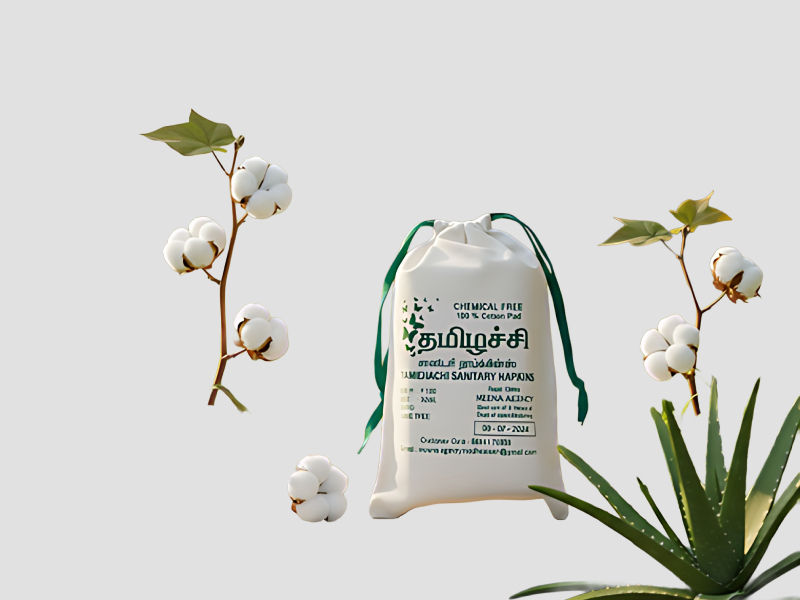
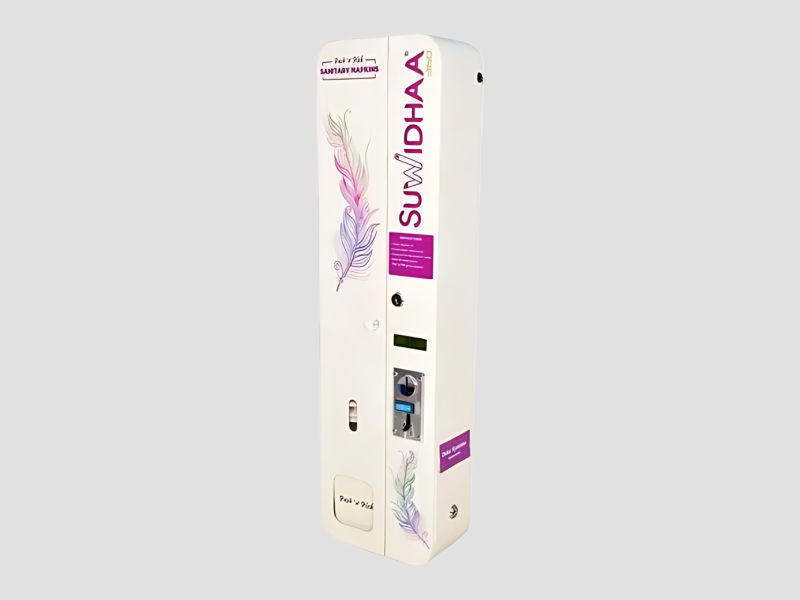
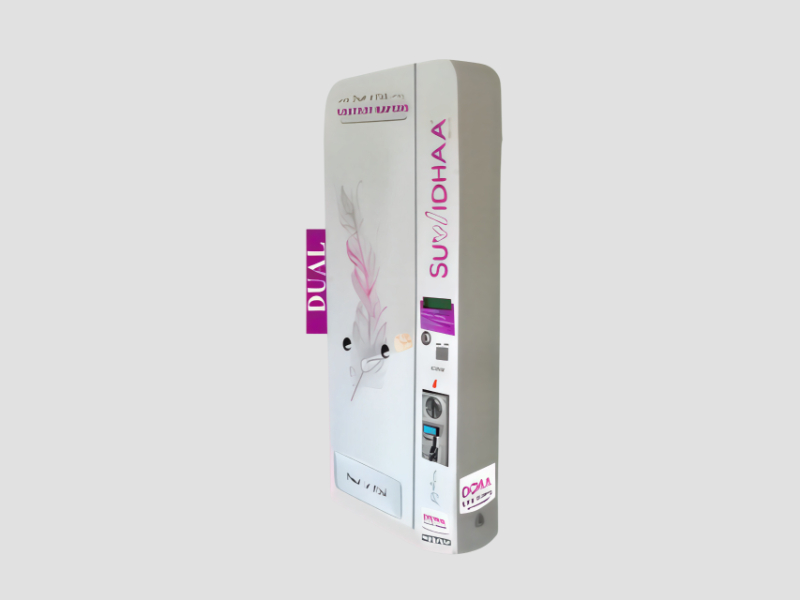
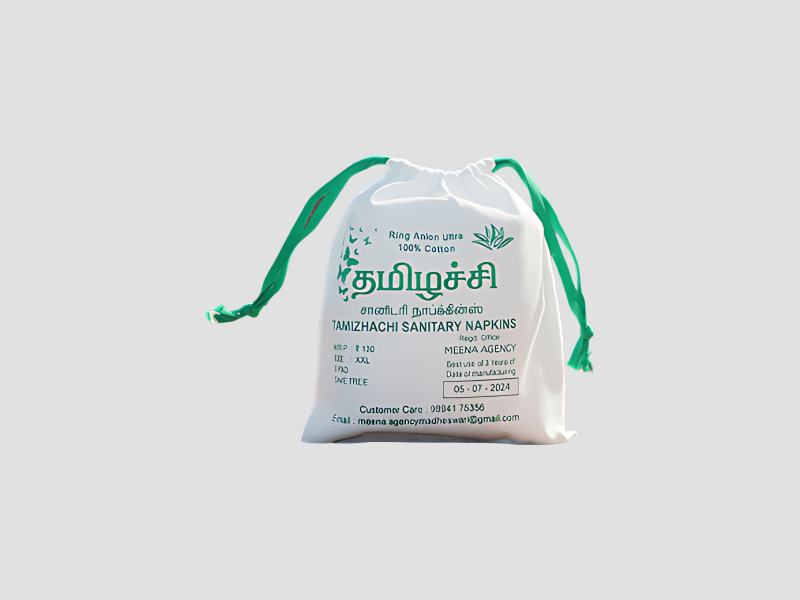
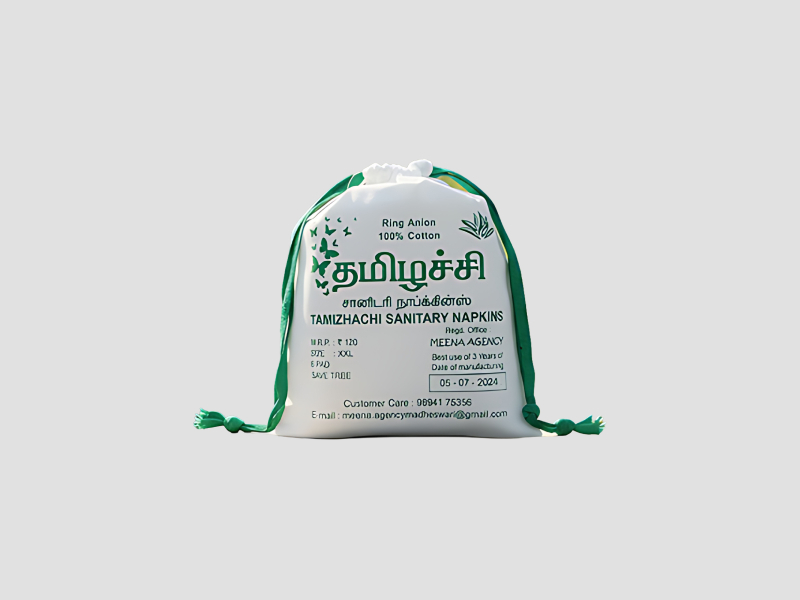
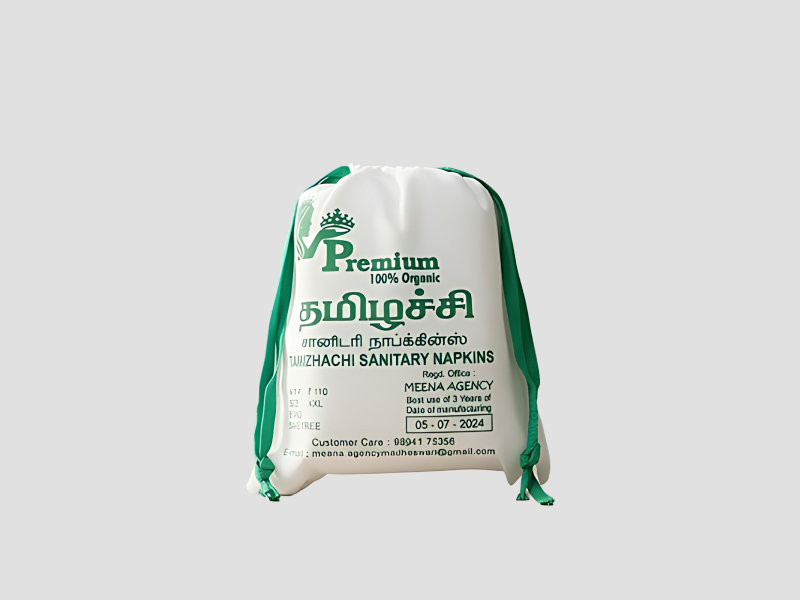
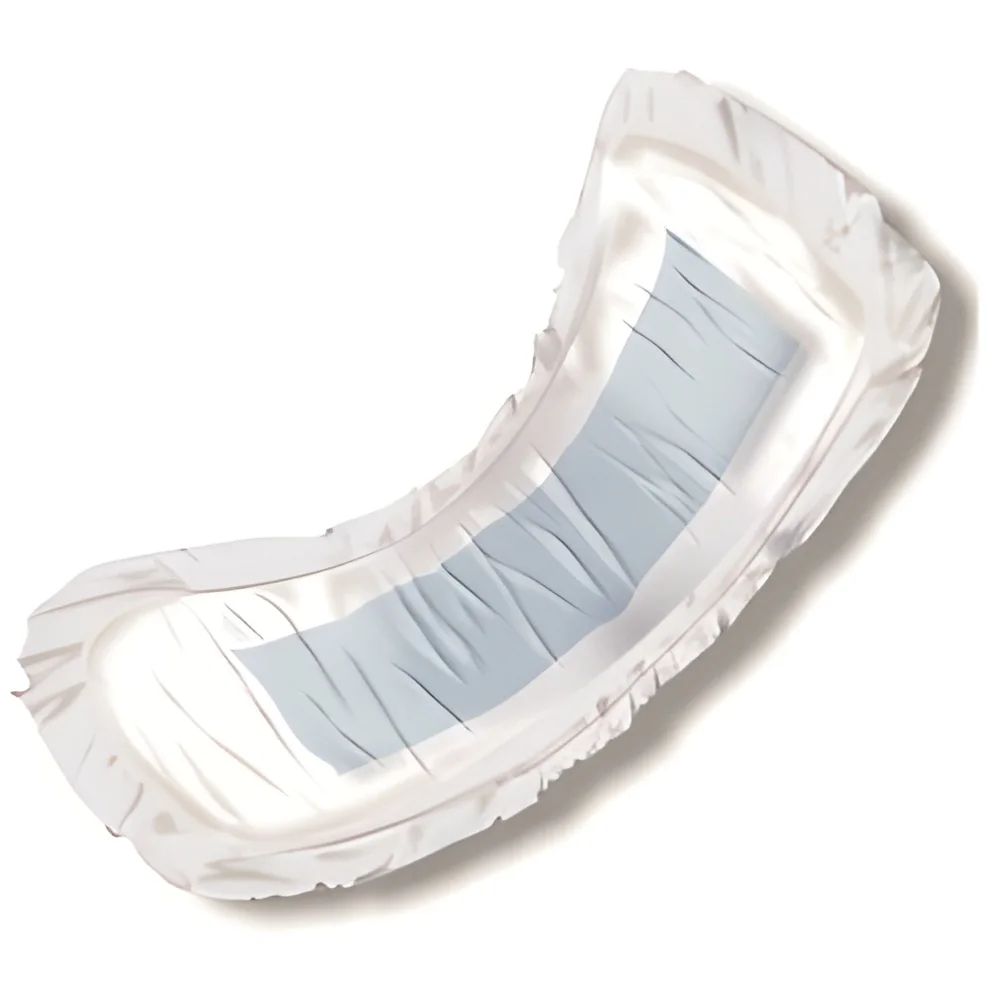
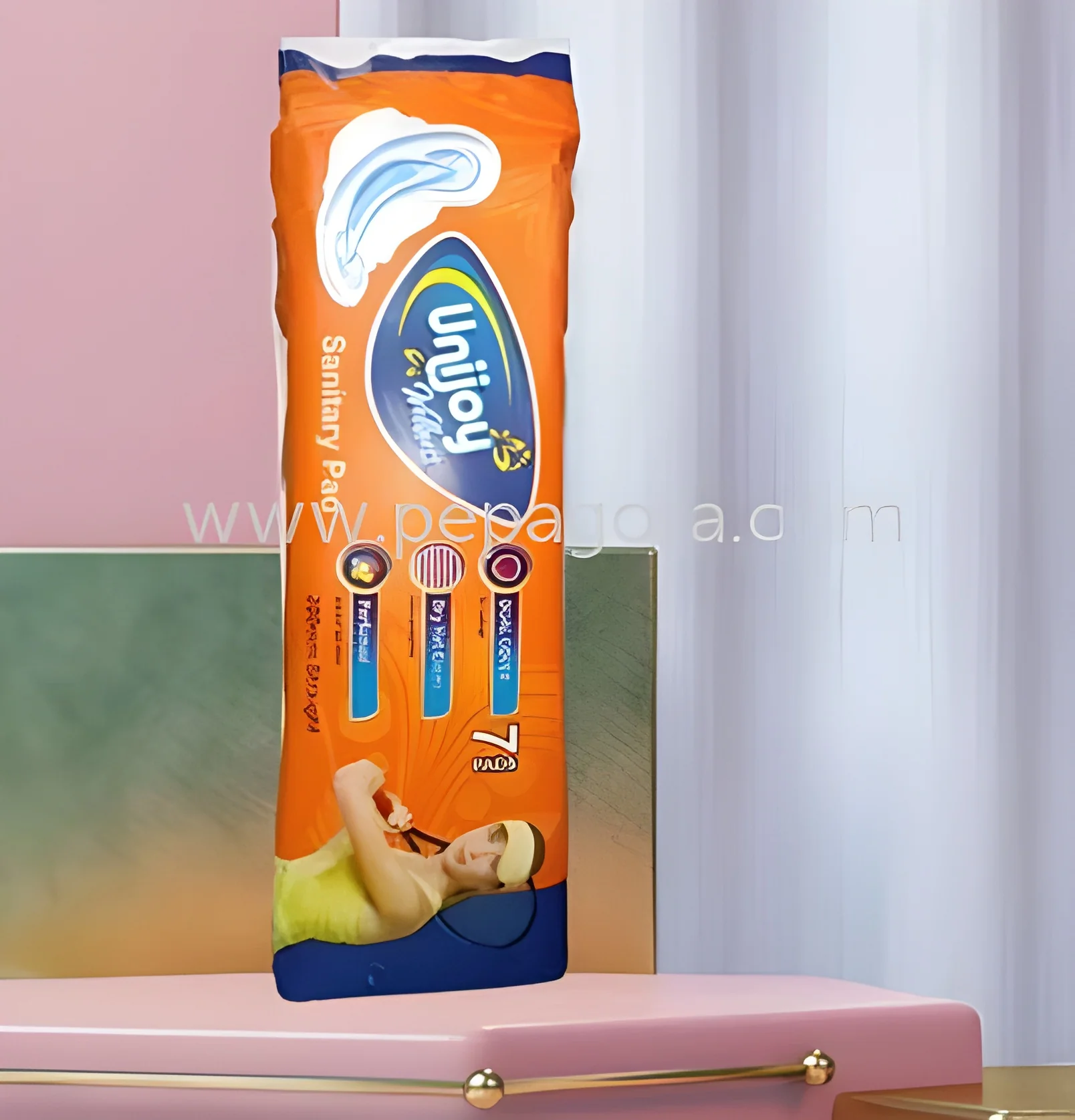
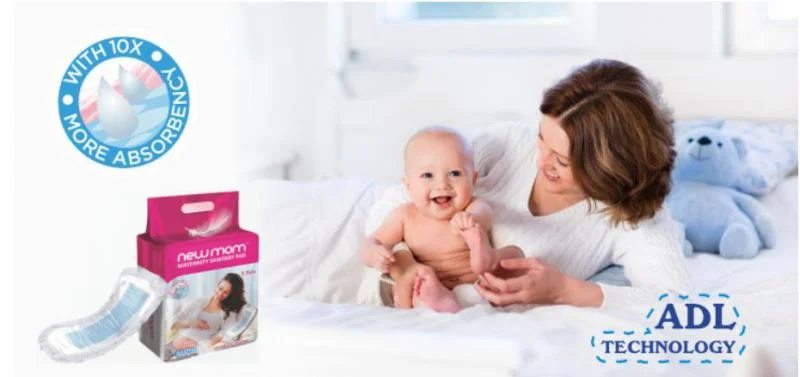
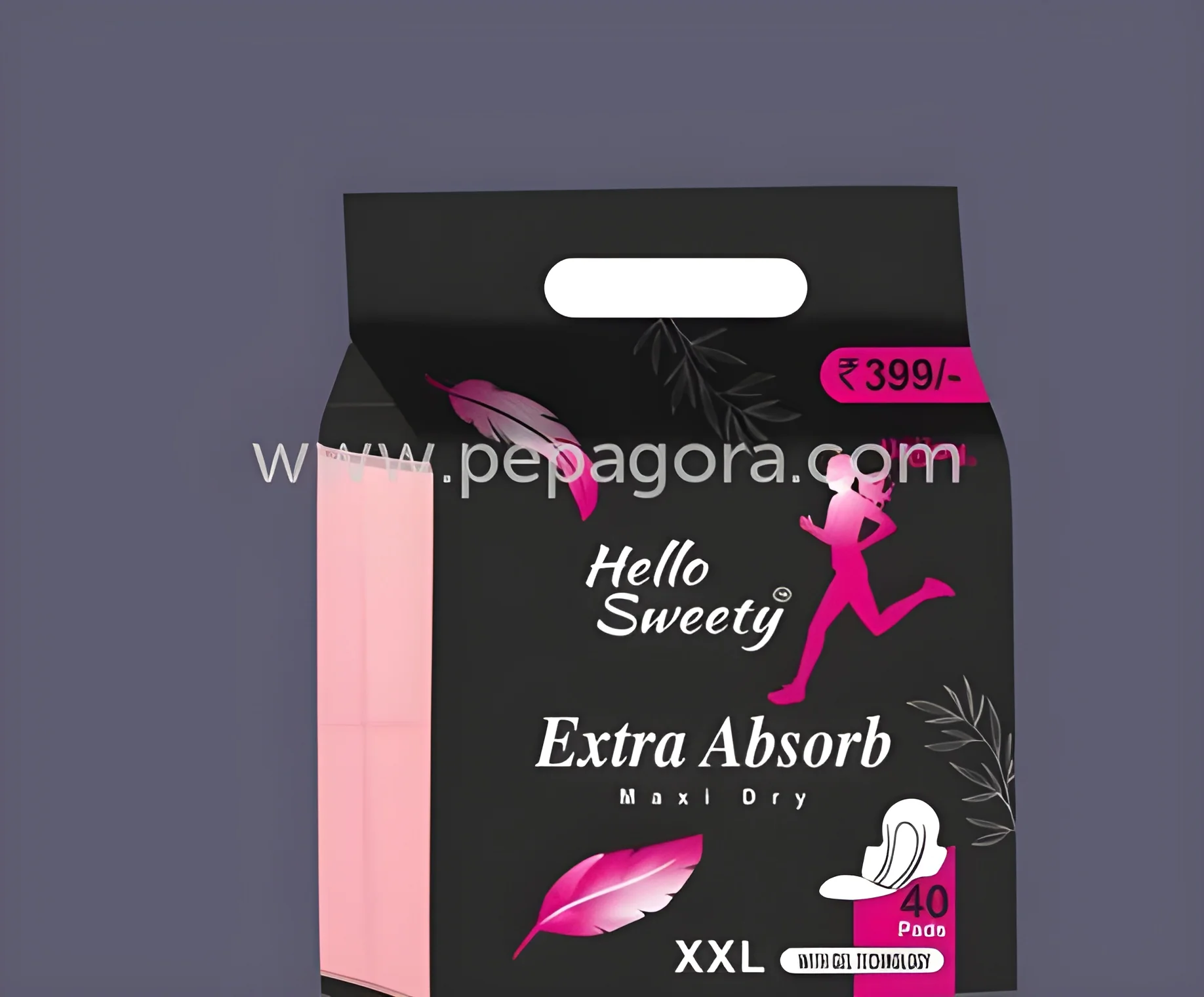
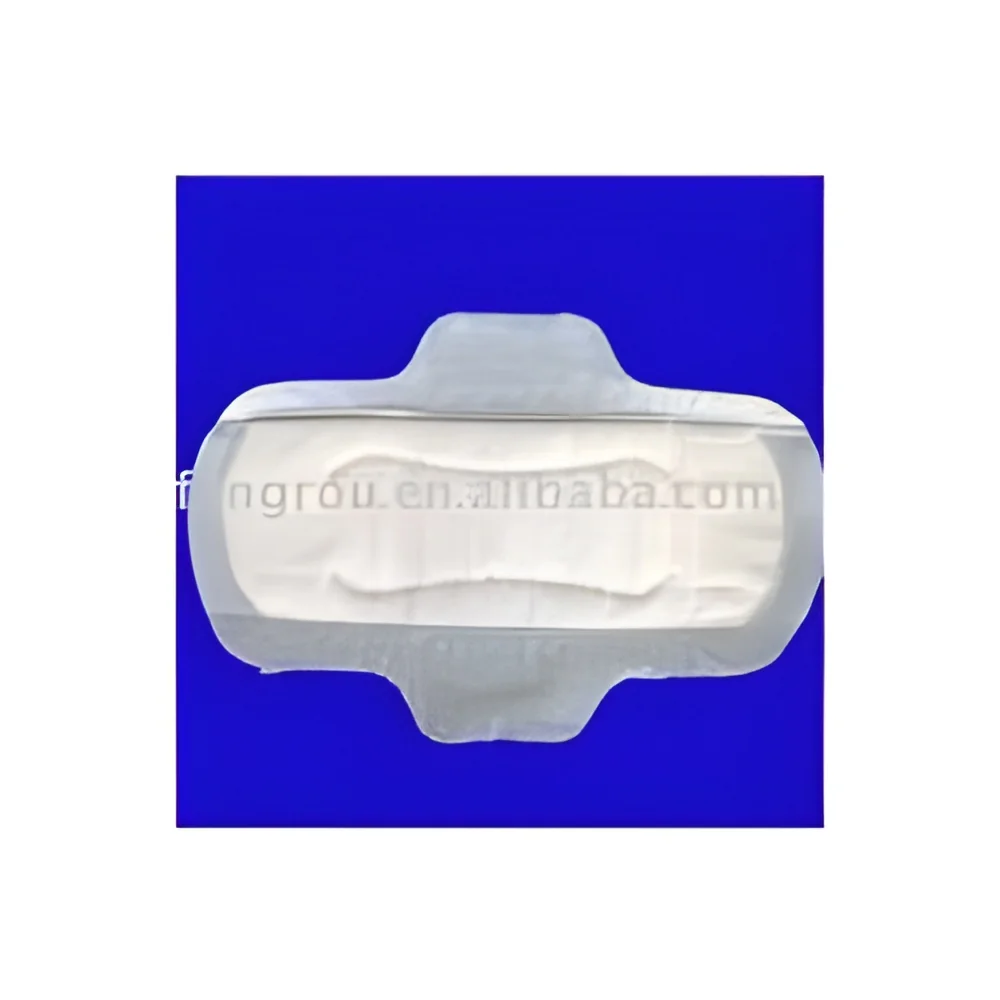
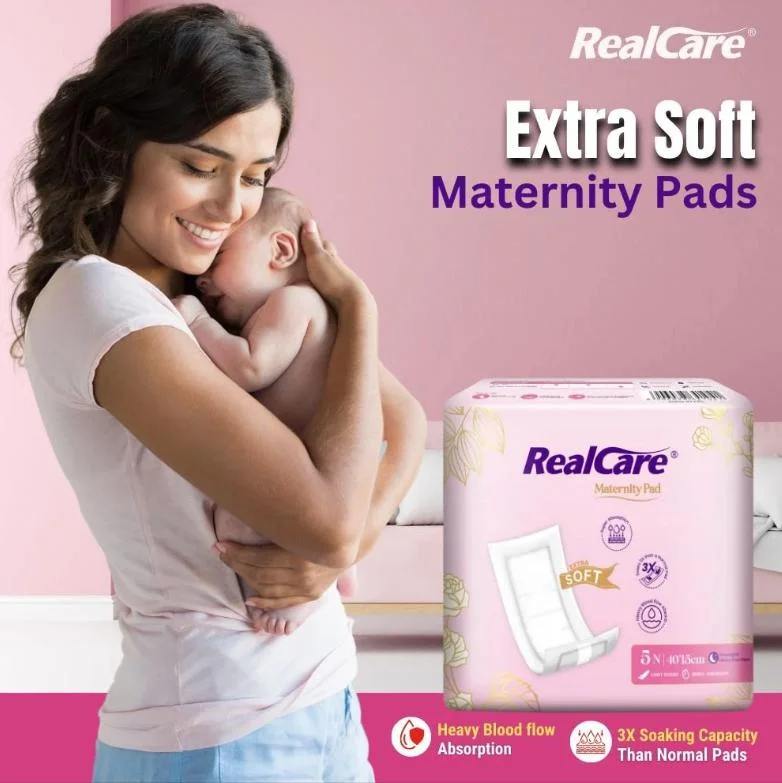
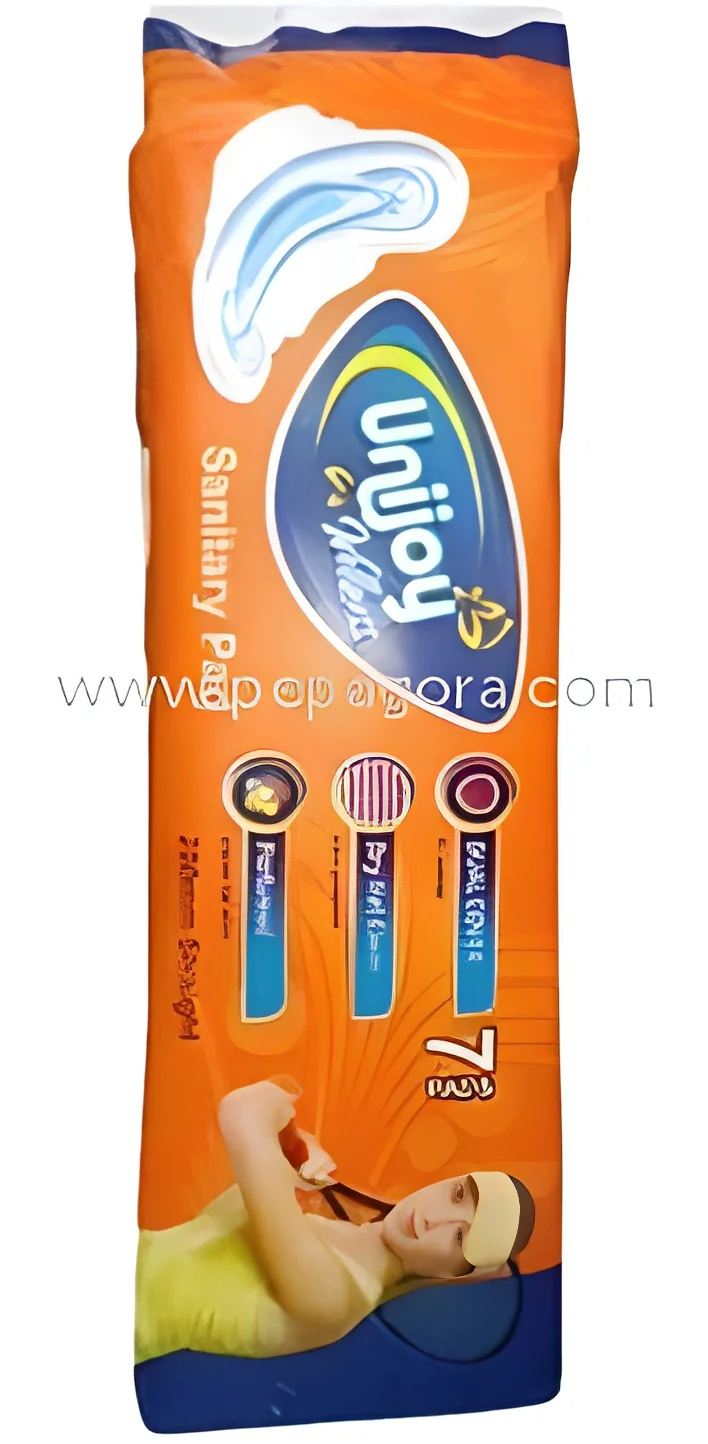
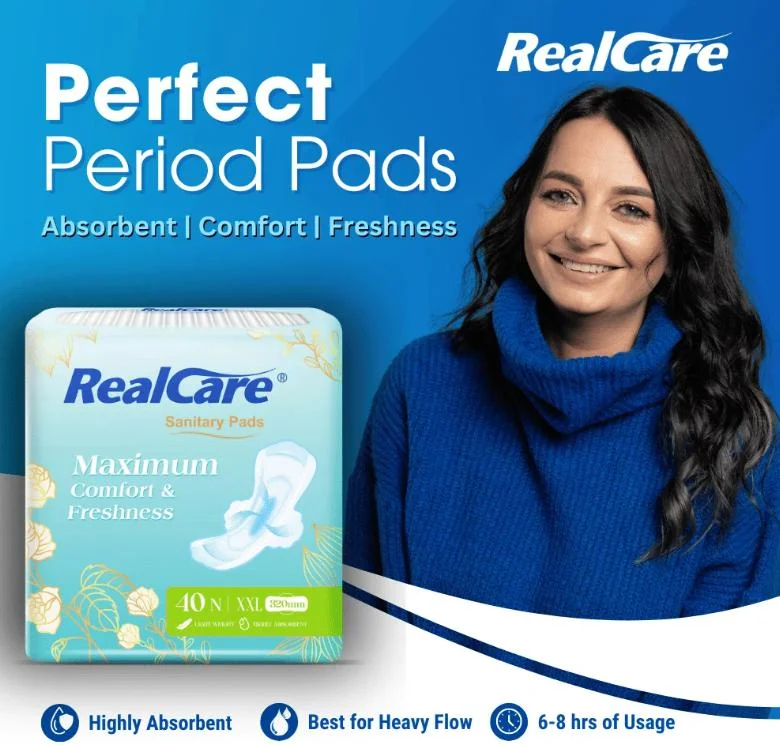
Sanitary Pads: These are available in various sizes and absorbencies, designed for day and night use. They feature adhesive backing for secure placement and are often made from breathable materials.
Tampons: Insertable products that come in multiple absorbency levels. Tampons are designed for discretion and comfort, allowing for active lifestyles.
Menstrual Cups: Reusable silicone or rubber cups that collect menstrual fluid. They are eco-friendly and provide a sustainable alternative to disposable products.
Panty Liners: Thinner and smaller than pads, panty liners are used for light flow days or as added protection. They offer comfort and are available in various sizes.
Wipes: Feminine hygiene wipes are used for cleansing during menstruation. They are formulated to be gentle on the skin and often include soothing ingredients.
𝗕𝗲𝗻𝗲𝗳𝗶𝘁𝘀 𝗮𝗻𝗱 𝗔𝗱𝘃𝗮𝗻𝘁𝗮𝗴𝗲𝘀
Sanitary products and feminine hygiene items offer numerous benefits that enhance user experience and satisfaction.
1. Convenience: These products are easy to use and widely available, ensuring that users can manage their menstrual needs seamlessly.
2. Comfort: Designed with user comfort in mind, these products come in various shapes and sizes to suit individual preferences.
3. Health and Hygiene: Maintaining cleanliness during menstruation helps prevent infections and promotes overall health.
4. Confidence: Reliable products provide peace of mind, allowing users to engage in their daily activities without worry.
5. Environmental Options: Eco-friendly products cater to conscious consumers looking to reduce their environmental footprint.
6. Variety: The wide range of products available ensures that users can find the perfect option that fits their lifestyle and needs.
𝗕𝘂𝘆𝗶𝗻𝗴 𝗚𝘂𝗶𝗱𝗲 𝗳𝗼𝗿 𝗕𝟮𝗕 𝗕𝘂𝘆𝗲𝗿𝘀
When sourcing sanitary products and feminine hygiene items, it is crucial for businesses to consider several factors to ensure they make informed purchasing decisions.
1. Quality Assessment: Evaluate the quality of the products by reviewing certifications such as UL and any relevant industry standards. This ensures that products meet safety and performance criteria.
2. Supplier Verification: Vet suppliers for reliability and reputation. Look for established companies with a proven track record in the industry to ensure product consistency.
3. Pricing and MOQ: Understand the pricing structure and minimum order quantities (MOQ) from suppliers. This helps in budgeting and ensuring that the purchase aligns with business needs.
4. Delivery and Lead Times: Consider the logistics of delivery times and shipping options. Timely delivery is essential to maintain inventory levels and meet customer demand.
5. Compliance Requirements: Be aware of any regulatory requirements specific to the region or industry. This includes understanding local laws regarding product safety and distribution.
𝗖𝗼𝗺𝗽𝗹𝗶𝗮𝗻𝗰𝗲 𝗮𝗻𝗱 𝗖𝗲𝗿𝘁𝗶𝗳𝗶𝗰𝗮𝘁𝗶𝗼𝗻𝘀
Compliance and certifications play a crucial role in the sanitary products and feminine hygiene industry. Adhering to relevant quality standards ensures that products are safe for consumers and effective in their use.
Key quality standards include ISO 9001 for quality management systems, which ensures consistent production and quality control. HACCP (Hazard Analysis and Critical Control Points) is also important in ensuring that products are safe and free from contamination.
Industry certifications such as UL validate the safety of products and instill confidence in consumers and businesses alike. Safety and testing requirements are critical, as they ensure that products meet established guidelines for absorbency, material safety, and user comfort.
Additionally, regional compliance considerations can vary, necessitating thorough knowledge of local regulations governing the production and sale of sanitary products. This helps businesses navigate legal requirements effectively and maintain compliance in their operations.
𝗪𝗵𝘆 𝗦𝗼𝘂𝗿𝗰𝗲 𝗦𝗮𝗻𝗶𝘁𝗮𝗿𝘆 𝗣𝗿𝗼𝗱𝘂𝗰𝘁𝘀 & 𝗙𝗲𝗺𝗶𝗻𝗶𝗻𝗲 𝗛𝘆𝗴𝗶𝗲𝗻𝗲 𝗳𝗿𝗼𝗺 𝗣𝗲𝗽𝗮𝗴𝗼𝗿𝗮?
Pepagora provides a trusted platform for sourcing sanitary products and feminine hygiene items, offering several key advantages to B2B buyers.
Verified Supplier Network: Pepagora connects buyers with a vetted network of suppliers, ensuring that each partner meets stringent quality and reliability standards. This reduces the risk of subpar products and enhances buyer confidence.
Streamlined RFQ Process: The request for quotation (RFQ) process is straightforward, allowing buyers to quickly and easily obtain quotes from multiple suppliers. This efficiency enables informed decision-making and competitive pricing.
Trade Assurance and Support: Pepagora offers trade assurance, giving buyers peace of mind with buyer protection policies. This support fosters trust and reliability in transactions, ensuring a safe purchasing environment.
Regional Coverage: With a broad geographic reach that includes India, the Gulf Cooperation Council (GCC), and Southeast Asia, Pepagora facilitates access to a diverse market. This regional focus allows businesses to tap into various consumer bases and adapt to local preferences.
By choosing Pepagora, businesses can confidently source sanitary products and feminine hygiene items that meet their operational needs while ensuring quality and compliance.
Newly Added


















Frequently Asked Questions
1
How do I find suppliers for Sanitary Products & Feminine Hygiene?
Use Pepagora's search and filter options to find verified suppliers.
2
Can I request a quote for Sanitary Products & Feminine Hygiene?
Yes, use the RFQ feature to request quotes from multiple suppliers.
3
Is Sanitary Products & Feminine Hygiene available in multiple languages?
Pepagora supports multilingual catalogs for global buyers.
4
What trust signals are available for Sanitary Products & Feminine Hygiene?
Look for TruBadge, RFQ, and multilingual support on supplier profiles.
Why Businesses Trust Pepagora
Thousands of companies trust Pepagora to source smarter and sell faster
Expand Your Sales Globally
25000+Products listed.Get discovered by global buyers
Tools to boost visibility
Build your own catalog

Source Smarter,Grow Faster
4000+Active RFQs
100+ Countries served
Easy Sourcing Tools
