What are Sanitary Pads (Regular, Ultra-thin, Overnight)?
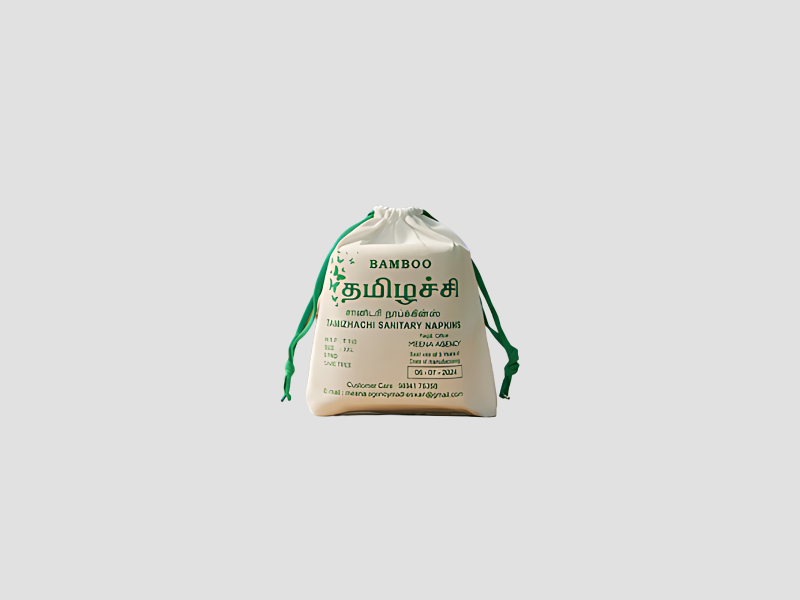
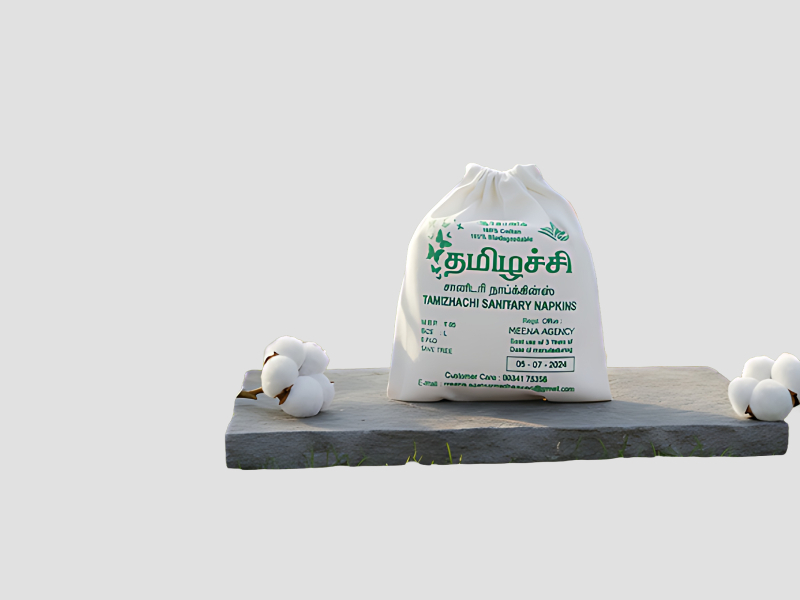
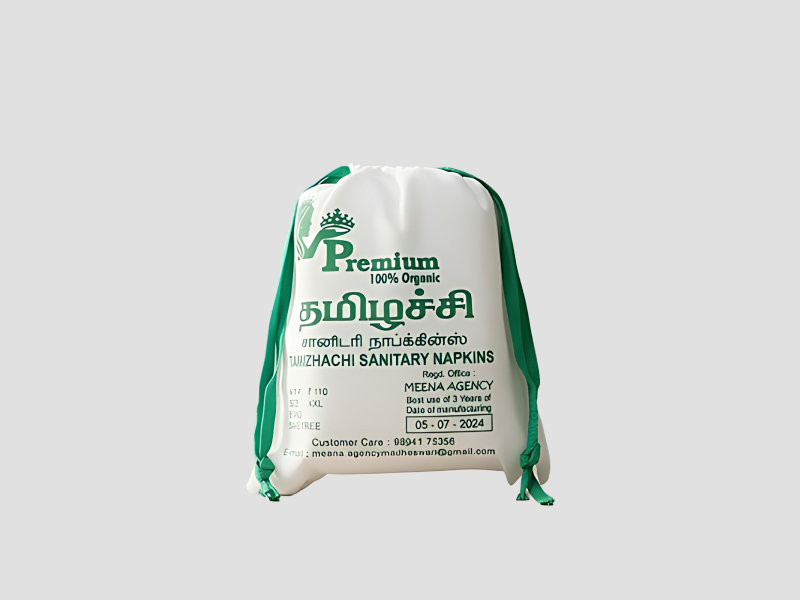
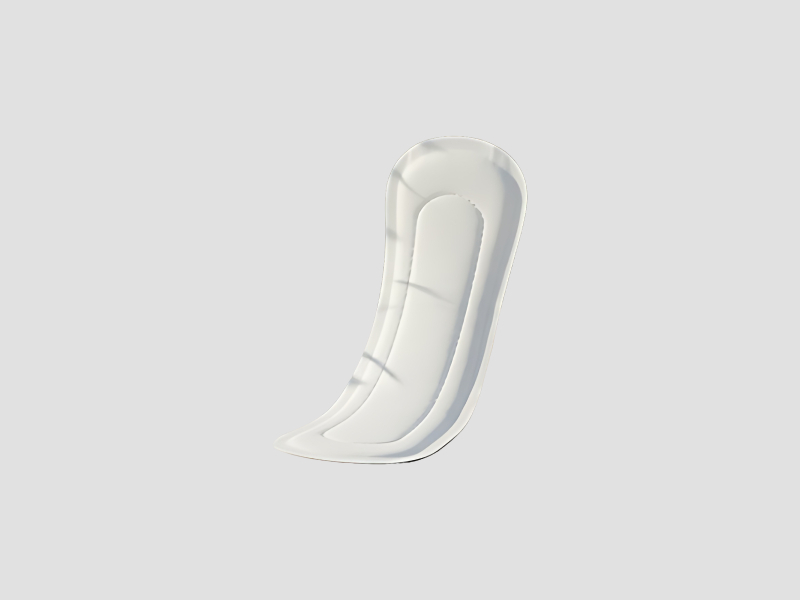
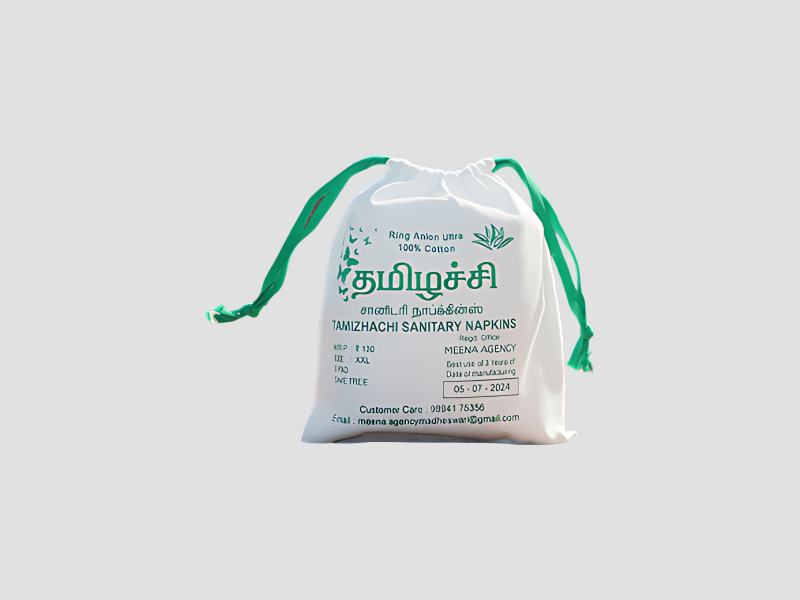
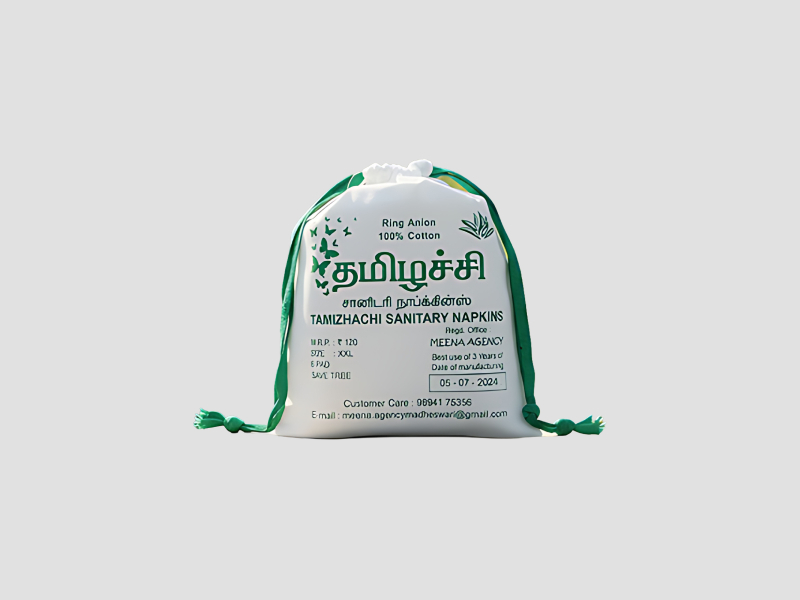
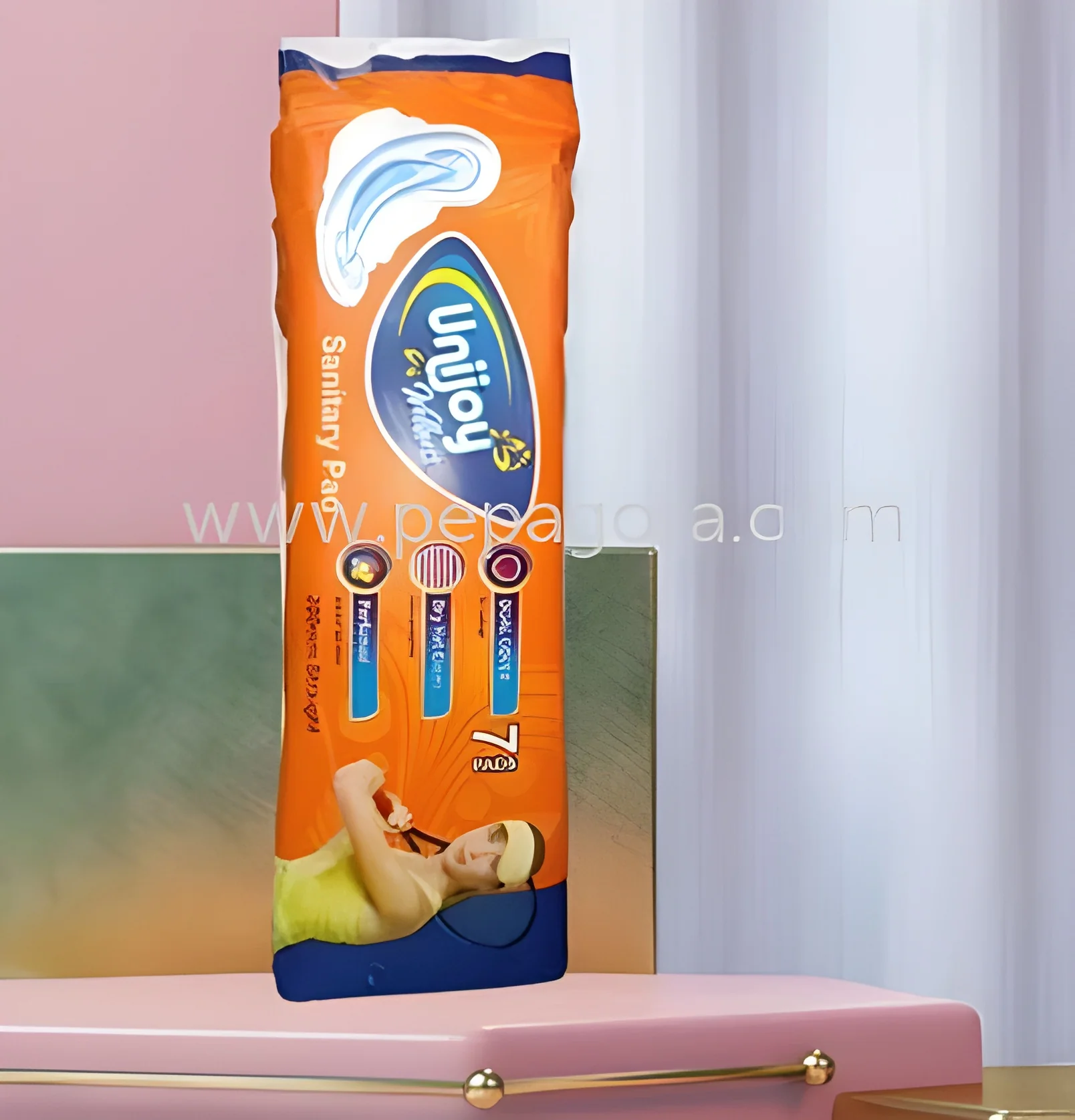
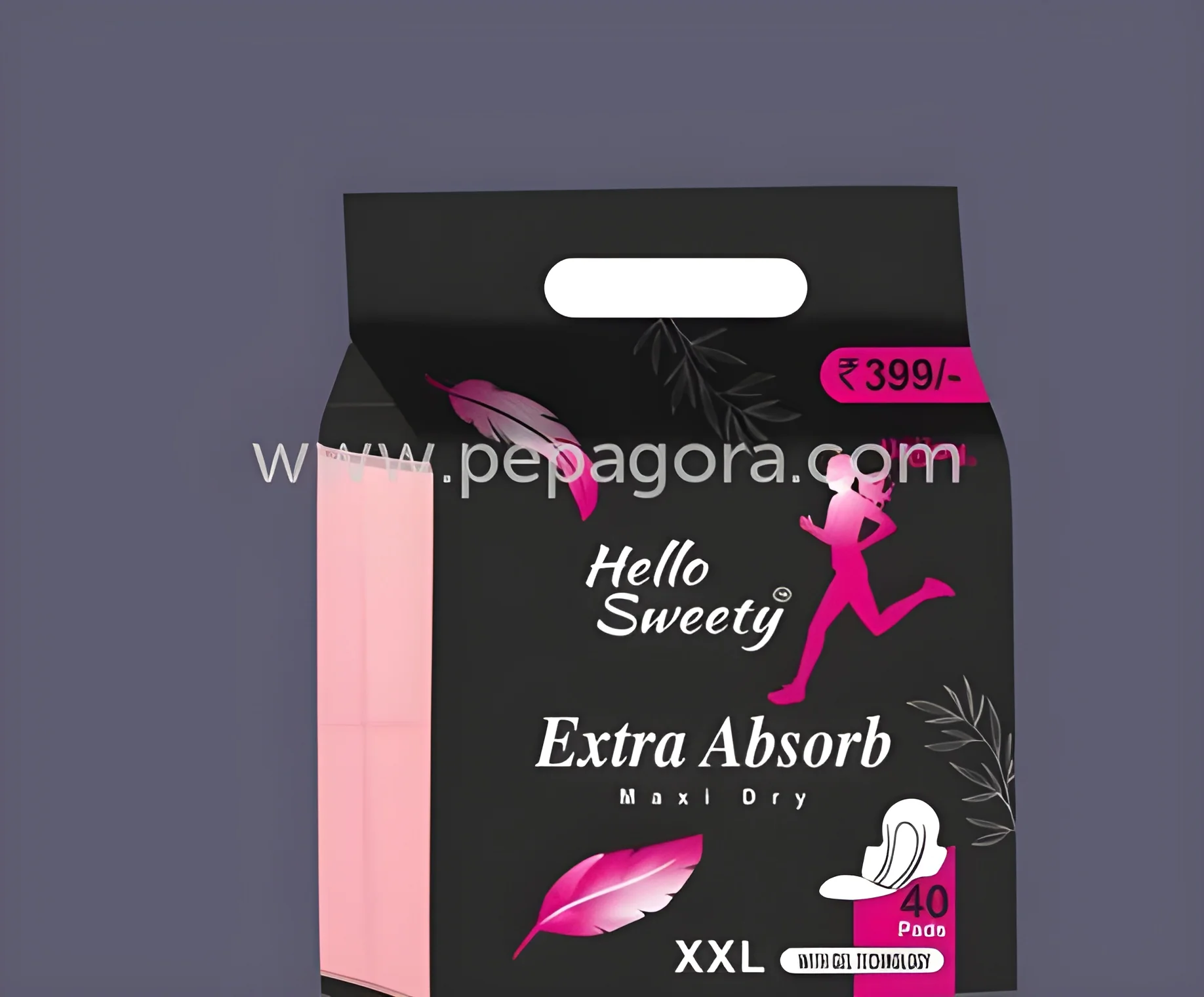
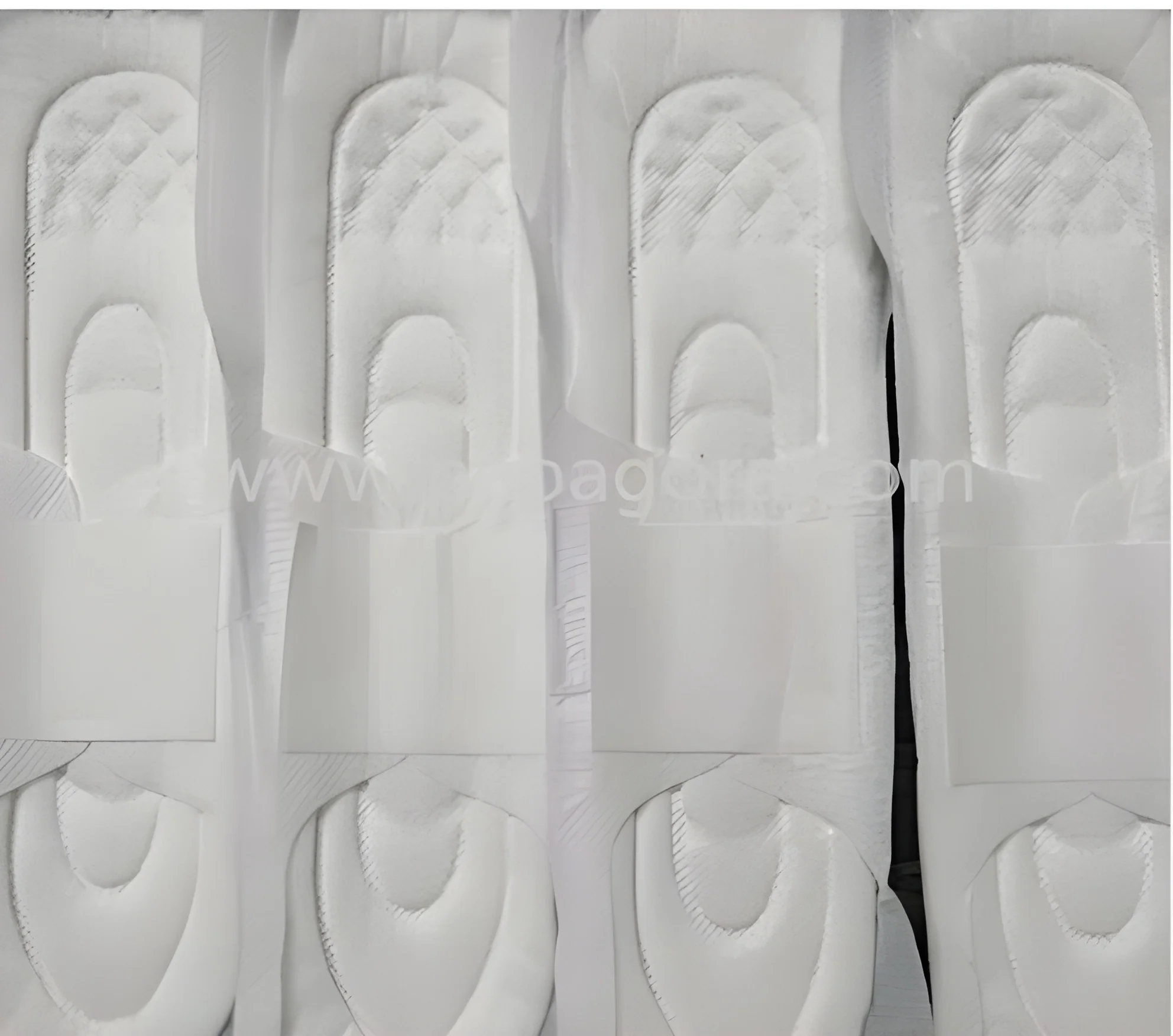
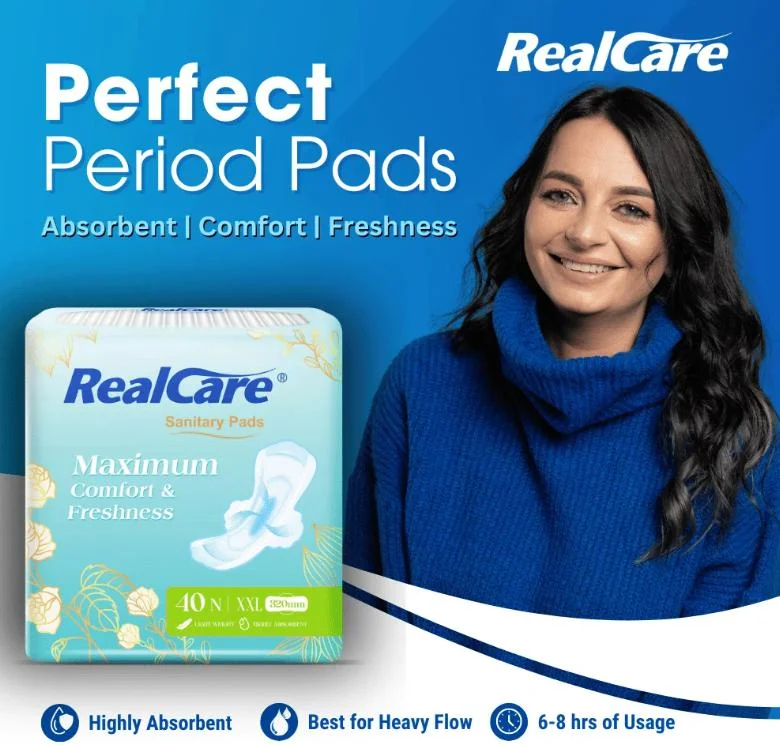
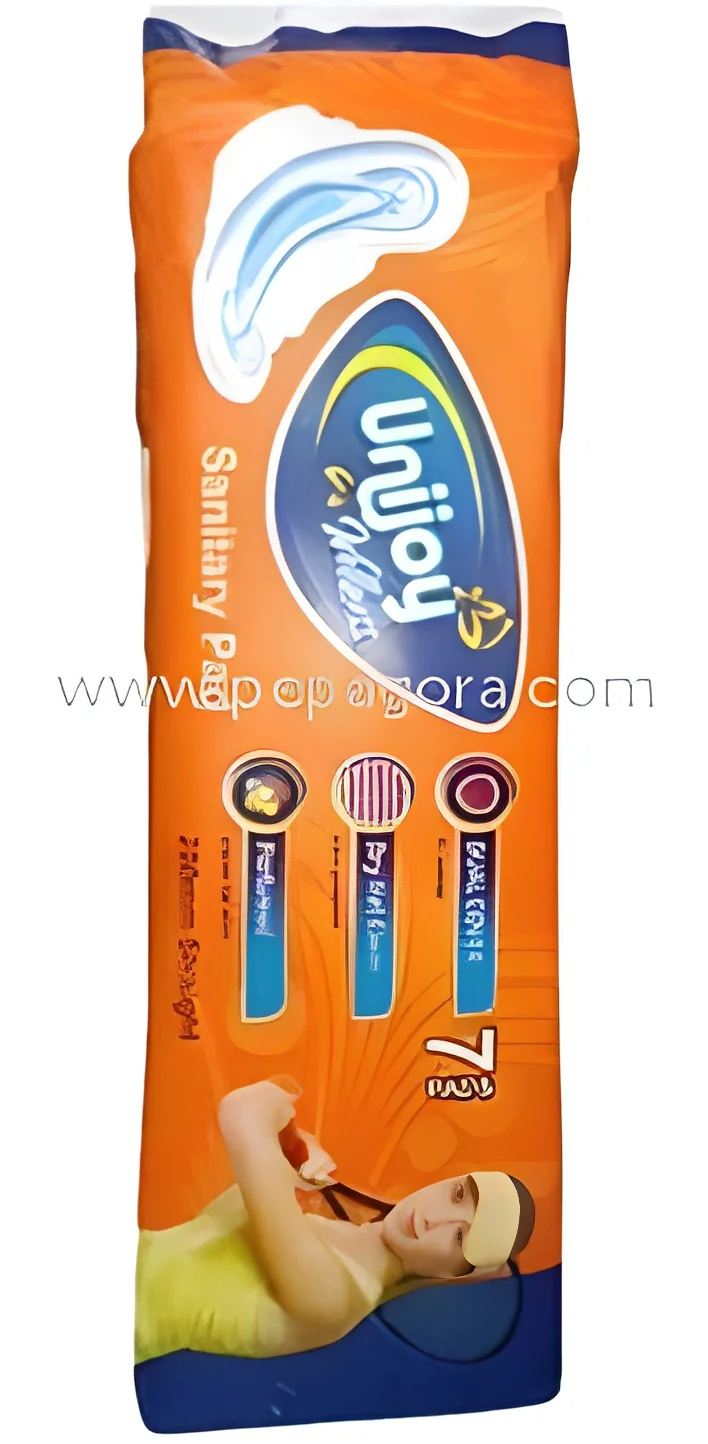
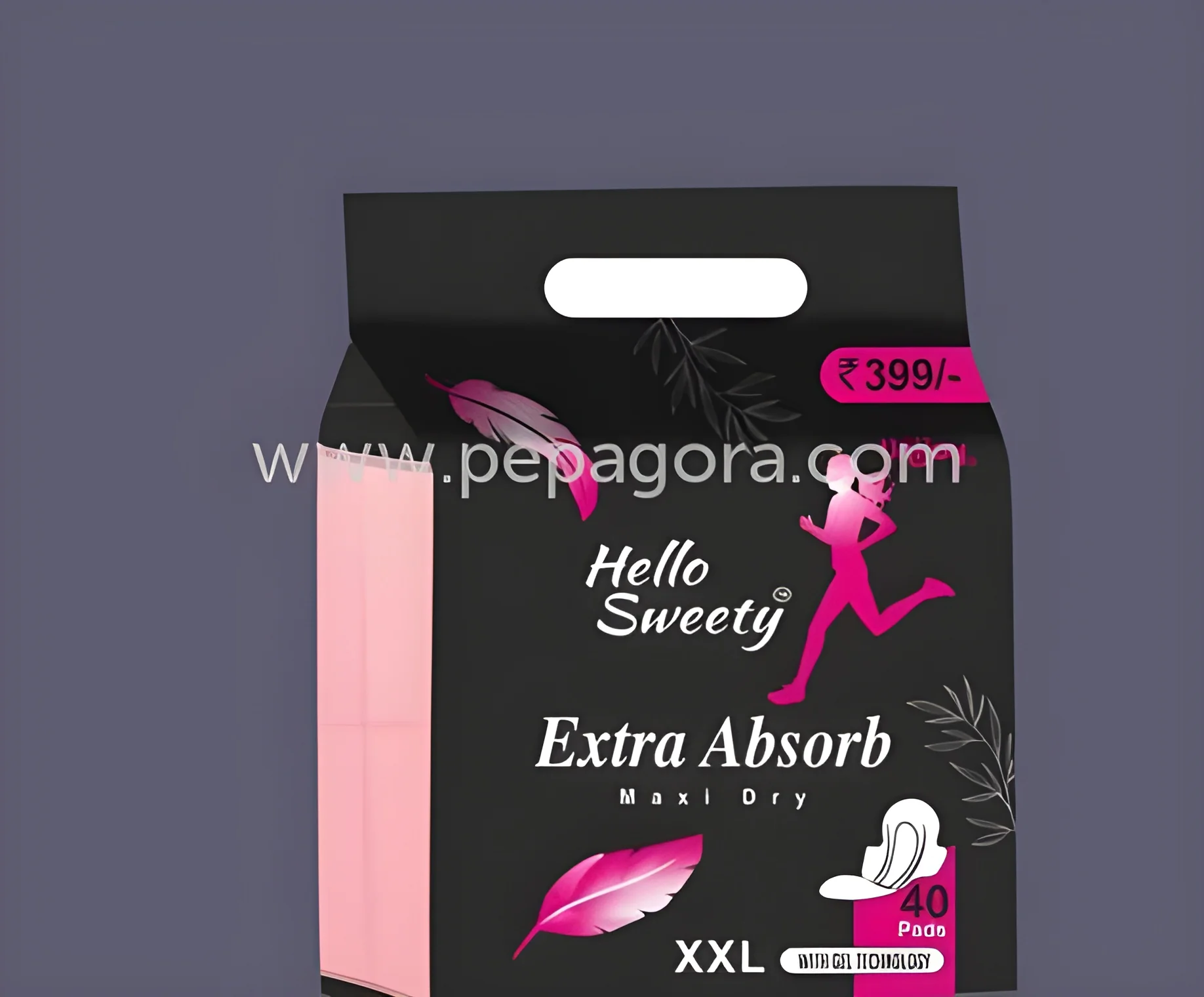
Sanitary pads are absorbent products designed to be worn by individuals during menstruation, postpartum bleeding, or other forms of vaginal discharge. These pads come in various types, including regular, ultra-thin, and overnight options, each tailored to meet different needs and preferences. Regular pads typically offer a balance of absorbency and comfort, while ultra-thin pads provide a discreet solution with a slim profile. Overnight pads are designed for extended use, featuring enhanced absorbency to prevent leakage during the night.
The primary use of sanitary pads is to manage menstrual flow effectively. Businesses across various industries, including healthcare, retail, and personal care, rely on these products to cater to consumer needs. In the B2B context, suppliers of sanitary pads play a crucial role in ensuring availability in pharmacies, supermarkets, and online marketplaces. The market for sanitary pads continues to grow, driven by increasing awareness of menstrual hygiene and the demand for high-quality personal care products.
In terms of industry relevance, the sanitary pad market is influenced by factors such as consumer preferences, environmental considerations, and regulatory requirements. Companies are increasingly focusing on sustainability, leading to the development of eco-friendly options. The competitive landscape is marked by both established brands and new entrants, each striving to innovate and capture market share.
𝗞𝗲𝘆 𝗙𝗲𝗮𝘁𝘂𝗿𝗲𝘀 𝗮𝗻𝗱 𝗦𝗽𝗲𝗰𝗶𝗳𝗶𝗰𝗮𝘁𝗶𝗼𝗻𝘀
Sanitary pads (Regular, Ultra-thin, Overnight) come with various features that address consumer needs for comfort, absorbency, and safety. Understanding these specifications is essential for B2B buyers when selecting products for resale or distribution.
Key specifications include:
1. Absorbency Level
- Varies based on pad type
- Regular pads typically absorb 6-8 grams, ultra-thin pads 4-6 grams, and overnight pads 8-10 grams
2. Size and Dimensions
- Available in various lengths and widths
- Standard sizes range from 240mm to 300mm in length
3. Material Composition
- Made from cotton, non-woven fabric, or a combination of materials
- Softness and breathability are key considerations
4. Adhesive Type
- Features a strong adhesive backing for secure placement
- Options for hypoallergenic adhesives available
5. Packaging
- Often comes in individual wrappers for hygiene
- Bulk packaging options for retailers
6. Shelf Life
- Typically ranges from 2 to 3 years
- Important for inventory management
7. Environmental Impact
- Options for biodegradable or eco-friendly materials
- Increasing demand for sustainable products
8. Certification
- Must meet industry standards such as CE and UL
- Ensures safety and quality compliance
In summary, these specifications play a critical role in determining the suitability of sanitary pads for different consumer needs. Buyers should carefully evaluate these features to ensure they meet market demands.
𝗖𝗼𝗺𝗺𝗼𝗻 𝗔𝗽𝗽𝗹𝗶𝗰𝗮𝘁𝗶𝗼𝗻𝘀 𝗮𝗻𝗱 𝗨𝘀𝗲 𝗖𝗮𝘀𝗲𝘀
Sanitary pads find applications in various sectors, serving a wide array of consumer needs.
1. Healthcare: Hospitals and clinics use sanitary pads for patients requiring menstrual care or postpartum support. The focus is on comfort and hygiene.
2. Retail: Supermarkets and convenience stores stock a range of sanitary pads to cater to diverse consumer preferences, often offering various brands and types.
3. Education: Schools and universities provide sanitary pads in health programs to promote menstrual hygiene awareness among students.
4. Personal Care: Beauty and wellness retailers include sanitary pads in their product lines, emphasizing comfort and eco-friendly options.
5. E-commerce: Online platforms offer a wide selection of sanitary pads, allowing consumers to choose based on reviews, ratings, and personal preferences.
6. NGO and Community Programs: Non-profit organizations distribute sanitary pads as part of health initiatives aimed at improving menstrual hygiene in underserved communities.
7. Travel and Hospitality: Hotels and resorts may provide sanitary pads in their guest amenities, ensuring comfort for travelers.
𝗣𝗿𝗼𝗱𝘂𝗰𝘁 𝗩𝗮𝗿𝗶𝗮𝗻𝘁𝘀 𝗮𝗻𝗱 𝗦𝘂𝗯𝗰𝗮𝘁𝗲𝗴𝗼𝗿𝗶𝗲𝘀
Sanitary pads are available in several variants, each designed to meet specific consumer needs and preferences.
Regular Pads: These pads offer a balanced absorbency and comfort, suitable for everyday use. They are designed to provide reliable protection during menstruation.
Ultra-thin Pads: Known for their discreet design, ultra-thin pads are ideal for users who prefer a lightweight option. They offer good absorbency while ensuring comfort and flexibility.
Overnight Pads: Designed for extended use, overnight pads feature enhanced absorbency and longer lengths to prevent leaks during the night. They are perfect for users who require extra protection while sleeping.
𝗕𝗲𝗻𝗲𝗳𝗶𝘁𝘀 𝗮𝗻𝗱 𝗔𝗱𝘃𝗮𝗻𝘁𝗮𝗴𝗲𝘀
Sanitary pads offer numerous benefits that contribute to their popularity among consumers.
1. Comfort: Made from soft materials, sanitary pads provide a comfortable wearing experience, allowing users to go about their daily activities with ease.
2. Convenience: Available in various sizes and absorbencies, sanitary pads can be easily carried and used as needed, making them a practical choice for many.
3. Hygiene: Sanitary pads are designed to promote menstrual hygiene, helping to prevent infections and maintain cleanliness during menstruation.
4. Variety: With options like regular, ultra-thin, and overnight pads, consumers can choose products that best suit their flow and lifestyle.
5. Discreetness: Ultra-thin pads are particularly discreet, allowing users to feel confident and secure without bulkiness.
6. Safety: High-quality sanitary pads meet industry standards, ensuring safety and reliability for consumers.
𝗕𝘂𝘆𝗶𝗻𝗴 𝗚𝘂𝗶𝗱𝗲 𝗳𝗼𝗿 𝗕𝟮𝗕 𝗕𝘂𝘆𝗲𝗿𝘀
When sourcing sanitary pads (Regular, Ultra-thin, Overnight), B2B buyers should consider several key factors to make informed purchasing decisions.
1. Quality Assessment: Evaluate the quality of the materials used in the pads. Look for certifications such as CE and UL to ensure compliance with safety standards.
2. Supplier Verification: Research potential suppliers to verify their reputation, production capabilities, and adherence to industry standards. Consider requesting samples for evaluation.
3. Pricing and MOQ: Understand the pricing structure and minimum order quantities required by suppliers. Compare prices to ensure competitive sourcing.
4. Delivery and Lead Times: Inquire about delivery schedules and lead times to ensure timely replenishment of stock. Logistics considerations are essential for maintaining inventory levels.
5. Compliance Requirements: Be aware of any regional compliance requirements related to sanitary products. This includes understanding local regulations and safety standards.
𝗖𝗼𝗺𝗽𝗹𝗶𝗮𝗻𝗰𝗲 𝗮𝗻𝗱 𝗖𝗲𝗿𝘁𝗶𝗳𝗶𝗰𝗮𝘁𝗶𝗼𝗻𝘀
Sanitary pads must adhere to several relevant quality standards to ensure safety and reliability in the market. Common standards include ISO 9001, which outlines quality management systems, and HACCP, focusing on food safety management, relevant for manufacturing processes.
Industry certifications such as CE and UL are critical for verifying that products meet safety and performance criteria. These certifications help establish trust with consumers and retailers alike.
Additionally, sanitary pads are subject to safety and testing requirements that ensure they are free from harmful substances. Manufacturers should conduct regular testing to comply with these standards.
Regional compliance considerations may vary, so it is important for suppliers to understand the specific regulations applicable to their target markets.
Why Source Sanitary Pads (Regular, Ultra-thin, Overnight) from Pepagora?
Pepagora offers a trusted platform for sourcing sanitary pads (Regular, Ultra-thin, Overnight) with several key advantages to B2B buyers.
Verified Supplier Network: Pepagora has a rigorous supplier verification process that ensures all vendors meet high standards for quality and reliability. This reduces the risk associated with sourcing products.
Streamlined RFQ Process: The request for quotation (RFQ) system on Pepagora simplifies the procurement process. Buyers can easily compare quotes from multiple suppliers to find the best value.
Trade Assurance and Support: Buyers benefit from trade assurance policies that protect their investments. Pepagora provides support throughout the sourcing process, ensuring a smooth transaction.
Regional Coverage: Pepagora's geographic reach spans India, the GCC, and Southeast Asia, providing access to a diverse range of suppliers and products. This broad coverage enables buyers to find suitable sanitary pad options tailored to their local markets.

 IN
IN