What are Inventory Management Software?
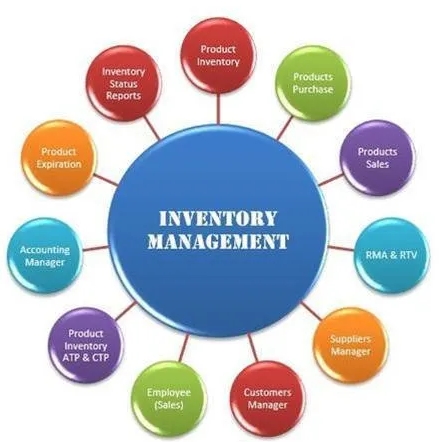
Inventory Management Software refers to the tools and systems designed to track and manage inventory levels, orders, sales, and deliveries. These software solutions enable businesses to efficiently maintain their stock and streamline their operations. By utilizing advanced algorithms and data analytics, inventory management software helps organizations minimize costs, reduce waste, and improve overall productivity.
This software is primarily used across various industries to optimize inventory processes. Businesses can manage stock levels, forecast demand, and automate reorder processes. The applications of inventory management software range from retail and e-commerce to manufacturing and logistics. These tools are crucial for ensuring that companies have the right amount of stock on hand while avoiding overstock situations.
In the current market, the relevance of inventory management software has increased significantly due to the growing need for efficiency and accuracy in supply chain management. As companies expand their operations and product offerings, the demand for sophisticated inventory solutions continues to rise. This trend is particularly evident in industries that require real-time tracking and data-driven decision-making.
Key Features and Specifications
Inventory Management Software comes with a variety of features to enhance operational efficiency and accuracy. These features allow businesses to manage their inventory effectively while minimizing errors and maximizing productivity.
Key specifications include:
1. Real-Time Inventory Tracking
- Provides up-to-date information on stock levels
- Enables businesses to monitor inventory in real time
2. Automated Reordering
- Automatically generates purchase orders when stock levels fall below predefined thresholds
- Reduces the risk of stockouts
3. Reporting and Analytics
- Offers detailed insights into inventory performance and trends
- Supports data-driven decision-making
4. Multi-Location Management
- Allows businesses to manage inventory across multiple locations
- Facilitates centralized control of stock levels
5. User-Friendly Interface
- Designed for ease of use with intuitive navigation
- Reduces training time for employees
6. Integration Capabilities
- Compatible with other business systems such as ERP and CRM
- Enhances overall operational efficiency
7. Mobile Access
- Provides access to inventory data via mobile devices
- Supports on-the-go management
8. Barcode Scanning
- Utilizes barcode technology for efficient stock tracking
- Minimizes manual entry errors
In summary, the key features and specifications of inventory management software are designed to optimize inventory control, enhance operational efficiency, and provide valuable insights to businesses.
Common Applications and Use Cases
Inventory Management Software serves various industries by addressing specific inventory challenges and improving overall efficiency.
1. Retail: Retail businesses use inventory management software to track product sales, manage stock levels, and optimize reorder processes. This ensures that stores maintain adequate stock to meet customer demand.
2. E-commerce: Online retailers rely on inventory management software to manage inventory across multiple sales channels. This software helps maintain accurate stock levels and prevents overselling.
3. Manufacturing: Manufacturers use inventory management software to oversee raw material inventory and finished goods. This ensures that production schedules are maintained without interruptions due to stock shortages.
4. Logistics: Logistics companies utilize inventory management software to track shipments and inventory across supply chains. This enhances visibility and facilitates more efficient operations.
5. Food and Beverage: Businesses in the food industry use inventory management software to track perishable items and manage stock rotation. This helps reduce waste and ensures compliance with safety standards.
6. Pharmaceuticals: Pharmaceutical companies rely on inventory management software to manage inventory of medications and ensure compliance with regulatory requirements. This is critical for maintaining safety and efficacy.
7. Automotive: Automotive businesses use inventory management software to track parts and components. This ensures that repair shops have the necessary stock to meet customer needs.
Product Variants and Subcategories
While there are no specific subcategories available for Inventory Management Software, the product diversity is evident in the various types of software solutions available in the market.
Cloud-Based Inventory Management Software: This variant allows businesses to access their inventory data from anywhere with an internet connection. It often includes features like automatic backups and updates.
On-Premise Inventory Management Software: This software is installed locally on company servers. It offers more control over data security but may require more maintenance and IT resources.
Mobile Inventory Management Software: Designed specifically for mobile devices, this software allows users to manage inventory on the go. This is particularly useful for field sales and inventory audits.
Benefits and Advantages
Inventory Management Software provides numerous advantages to businesses looking to streamline their inventory processes.
Key benefits include:
1. Improved Efficiency: Automating inventory processes reduces manual work and saves time for employees, allowing them to focus on more strategic tasks.
2. Cost Reduction: By minimizing stockouts and overstock situations, businesses can lower holding costs and improve cash flow.
3. Enhanced Accuracy: Real-time tracking and automated processes significantly reduce the chances of human error in inventory management.
4. Better Decision-Making: Access to detailed analytics and reporting enables businesses to make informed decisions about inventory levels and purchasing strategies.
5. Increased Customer Satisfaction: Maintaining optimal stock levels ensures that customers can find the products they need, leading to higher satisfaction and loyalty.
6. Scalability: Inventory management software can grow with the business, accommodating increased inventory and additional locations without sacrificing efficiency.
Buying Guide for B2B Buyers
When sourcing Inventory Management Software, consider the following factors to ensure you make the right choice for your business.
1. Quality Assessment: Evaluate the software's features and user reviews to ensure it meets your specific needs. Look for case studies or testimonials from similar businesses.
2. Supplier Verification: Vet suppliers based on their reputation and customer service. Make sure they have a track record of delivering reliable software solutions.
3. Pricing and MOQ: Understand the pricing structure and minimum order quantities. Assess whether the software offers a subscription model or a one-time purchase.
4. Delivery and Lead Times: Inquire about the implementation timeline and any potential delays. Ensure the software can be set up in a timeframe that meets your operational needs.
5. Compliance Requirements: Check for regulatory compliance related to your industry. Ensure the software adheres to relevant quality standards and certifications.
Compliance and Certifications
Compliance and certifications play a crucial role in ensuring the quality and reliability of Inventory Management Software.
Relevant quality standards such as ISO 9001 demonstrate a commitment to quality management and continuous improvement. These standards ensure that software solutions are designed and developed with a focus on customer satisfaction and operational efficiency.
Industry certifications like CE indicate that the software meets established safety and performance standards. This is particularly important in sectors such as healthcare and food services, where compliance with regulatory requirements is essential.
Safety and testing requirements may vary by industry, but they are critical for ensuring that the software operates reliably and securely. Businesses should also consider regional compliance considerations that may affect software implementation and usage.
Why Source Inventory Management Software from Pepagora?
Pepagora provides a trusted platform for sourcing Inventory Management Software, offering several key advantages for B2B buyers.
Verified Supplier Network: Pepagora ensures that all suppliers in its network are thoroughly vetted, providing buyers with peace of mind when selecting software solutions. This reduces the risk of investing in unreliable products.
Streamlined RFQ Process: The platform features a streamlined Request for Quotation (RFQ) process, allowing buyers to easily request and compare quotes from multiple suppliers. This simplifies the sourcing process and helps buyers find the best value.
Trade Assurance and Support: Pepagora offers trade assurance and dedicated support to buyers. This includes assistance throughout the purchasing process, ensuring that buyers receive the necessary help and guidance.
Regional Coverage: With a focus on markets in India, the GCC, and Southeast Asia, Pepagora provides broad geographic reach. This enables buyers to access a diverse range of inventory management software solutions tailored to their specific regional needs.

 IN
IN