𝗪𝗵𝗮𝘁 𝗮𝗿𝗲 𝗦𝗮𝗮𝗦 & 𝗕𝘂𝘀𝗶𝗻𝗲𝘀𝘀 𝗧𝗼𝗼𝗹𝘀 𝗦𝘂𝗯𝘀𝗰𝗿𝗶𝗽𝘁𝗶𝗼𝗻 𝗦𝗲𝗿𝘃𝗶𝗰𝗲𝘀?
SaaS (Software as a Service) and business tools subscription services provide businesses with access to software applications through the internet. Instead of purchasing software licenses outright, companies pay a recurring fee to use the software provided by third-party vendors. This model allows organizations to access the latest technology without the need for significant upfront investment in hardware or software infrastructure.
These services are primarily used for various business applications, including customer relationship management (CRM), project management, accounting, and collaboration tools. They enable businesses to streamline operations, improve efficiency, and enhance communication among teams. As more companies transition to digital-first strategies, the adoption of SaaS and business tools subscription services has become a crucial aspect of maintaining competitiveness in the market.
The relevance of SaaS and business tools subscription services spans multiple industries, including technology, healthcare, finance, and education. With the growing trend toward remote work and the need for scalable solutions, the demand for these services continues to rise. The market for SaaS solutions is expected to grow significantly, driven by innovation and the increasing shift toward cloud-based solutions.
𝗞𝗲𝘆 𝗙𝗲𝗮𝘁𝘂𝗿𝗲𝘀 𝗮𝗻𝗱 𝗦𝗽𝗲𝗰𝗶𝗳𝗶𝗰𝗮𝘁𝗶𝗼𝗻𝘀
SaaS and business tools subscription services come with several key features that enhance usability and effectiveness for businesses. These features can vary by provider but generally include functionalities that support collaboration, integration, and scalability.
Key specifications include:
1. Cloud Accessibility
- Users can access applications from any location with internet connectivity.
- Supports remote and hybrid work environments.
2. Subscription Model
- Flexible pricing plans based on usage or user count.
- Easy to scale up or down based on organizational needs.
3. Regular Updates
- Automatic software updates without user intervention.
- Ensures access to the latest features and security enhancements.
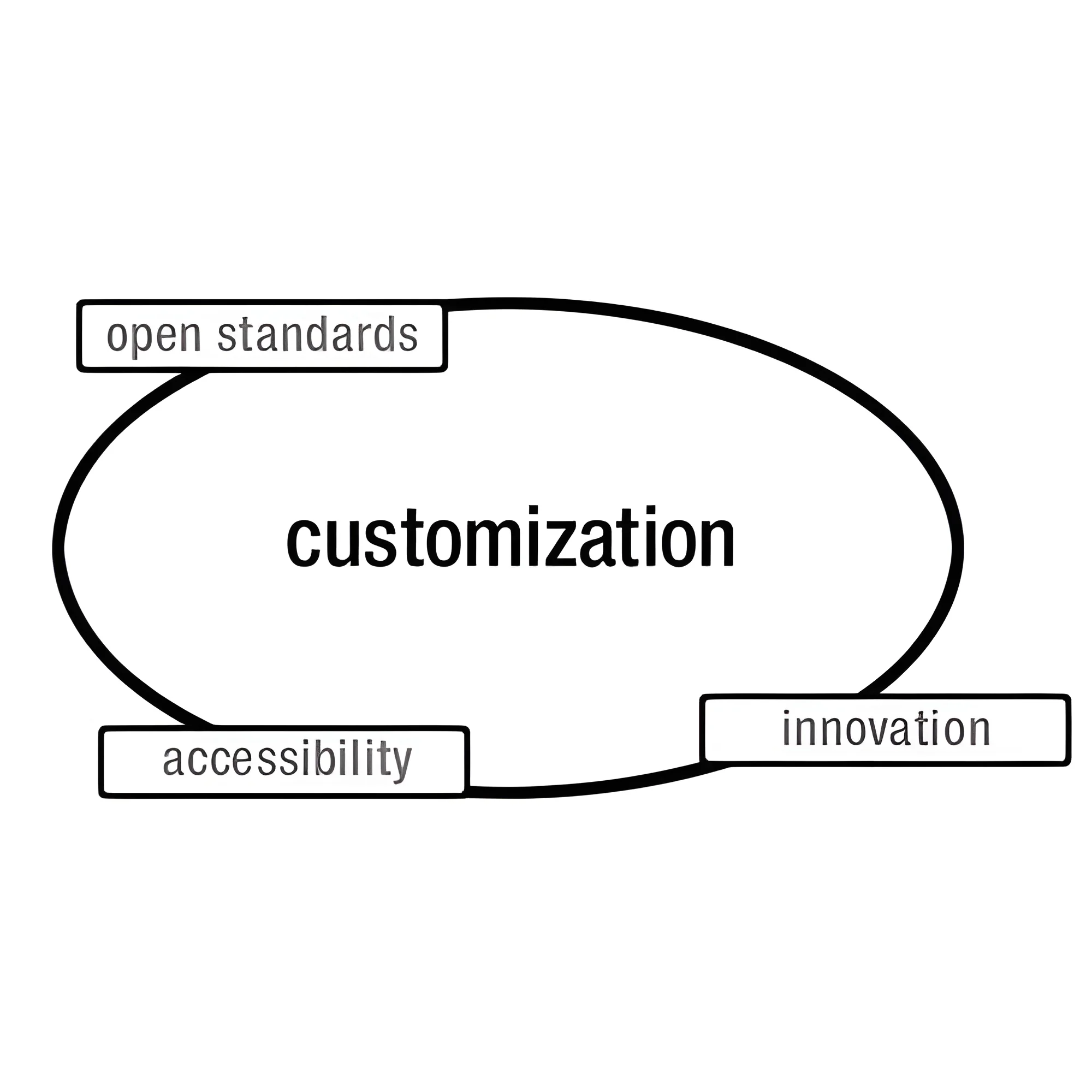
4. Customization Options
- Ability to tailor applications to specific business processes.
- Includes customizable dashboards and reporting tools.
5. Integration Capabilities
- Seamless integration with other business tools and platforms.
- Supports APIs for enhanced functionality.
6. User Management
- Role-based access controls to enhance security.
- Simplified user onboarding and management processes.
7. Data Security
- Encryption and compliance with industry standards to protect sensitive information.
- Regular audits and security assessments.
8. Analytics and Reporting
- Built-in analytics tools to track performance metrics.
- Supports data-driven decision-making for businesses.
SaaS and business tools subscription services provide businesses with a flexible and efficient approach to managing their software needs.
𝗖𝗼𝗺𝗺𝗼𝗻 𝗔𝗽𝗽𝗹𝗶𝗰𝗮𝘁𝗶𝗼𝗻𝘀 𝗮𝗻𝗱 𝗨𝘀𝗲 𝗖𝗮𝘀𝗲𝘀
SaaS and business tools subscription services are versatile and can cater to a wide range of industries.
1. Technology: Many tech companies utilize SaaS for software development, project management, and team collaboration, allowing for seamless communication and project tracking.
2. Healthcare: Healthcare providers use SaaS tools for electronic health records, patient management systems, and telehealth services, improving patient care and operational efficiency.
3. Finance: Financial institutions deploy SaaS solutions for accounting, budgeting, and compliance management, streamlining financial operations and ensuring regulatory adherence.
4. Education: Educational institutions leverage SaaS tools for online learning platforms, student management systems, and administrative functions, enhancing the learning experience for students and educators.
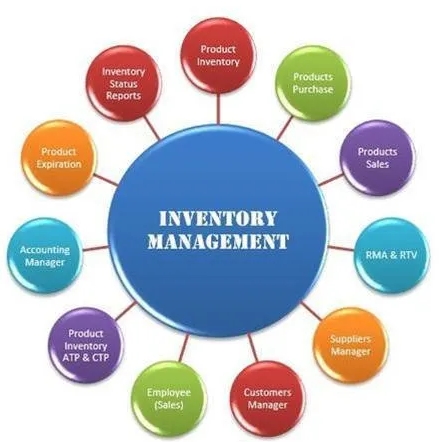
5. Retail: Retailers use SaaS for inventory management, point-of-sale systems, and customer engagement tools, optimizing operations and improving customer service.
6. Marketing: Marketing agencies benefit from SaaS tools for campaign management, social media analytics, and customer relationship management, facilitating effective marketing strategies.
7. Nonprofits: Nonprofit organizations utilize SaaS for fundraising, donor management, and volunteer coordination, maximizing their impact and outreach.
𝗣𝗿𝗼𝗱𝘂𝗰𝘁 𝗩𝗮𝗿𝗶𝗮𝗻𝘁𝘀 𝗮𝗻𝗱 𝗦𝘂𝗯𝗰𝗮𝘁𝗲𝗴𝗼𝗿𝗶𝗲𝘀
The diversity of SaaS and business tools subscription services allows organizations to choose solutions that fit their unique needs.
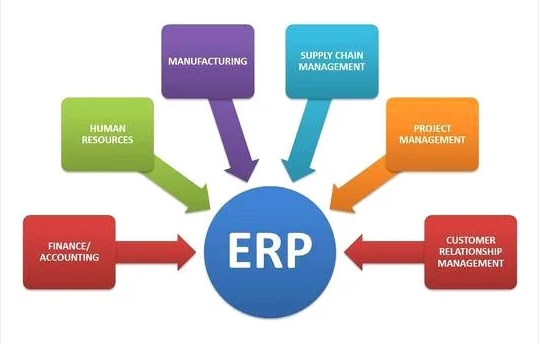
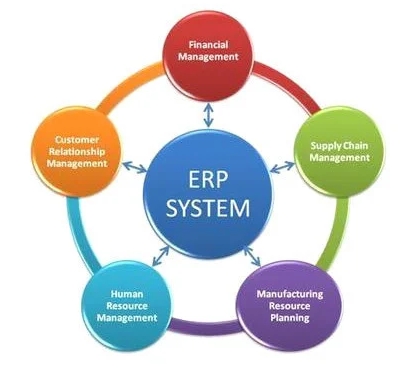
Enterprise Resource Planning (ERP)
ERP solutions integrate various business processes, including finance, HR, and supply chain management, into a unified system. These tools enhance data visibility and streamline operations across departments.
Customer Relationship Management (CRM)
CRM tools focus on managing customer interactions, tracking sales processes, and providing insights into customer behavior. They help businesses improve customer service and drive sales growth.
Project Management Software
These tools facilitate project planning, resource allocation, and team collaboration. They are essential for organizations aiming to manage multiple projects efficiently and meet deadlines.
Collaboration Tools
Collaboration software enables teams to communicate, share files, and work together in real-time. These tools are crucial for remote teams and organizations looking to improve productivity.
𝗕𝗲𝗻𝗲𝗳𝗶𝘁𝘀 𝗮𝗻𝗱 𝗔𝗱𝘃𝗮𝗻𝘁𝗮𝗴𝗲𝘀
SaaS and business tools subscription services offer numerous benefits that can significantly impact a business's efficiency and cost structure.
Key benefits include:
1. Cost-Effectiveness: Businesses can avoid large upfront costs by using a subscription model, allowing for better cash flow management.
2. Scalability: Organizations can easily scale their subscriptions based on growth or changing needs, ensuring they only pay for what they use.
3. Accessibility: Cloud-based solutions enable employees to access necessary tools from anywhere, fostering remote work and collaboration.
4. Quick Deployment: SaaS solutions can be deployed rapidly, minimizing downtime and allowing businesses to start using the software immediately.
5. Enhanced Security: Providers typically offer robust security measures and regular updates, helping to protect sensitive business data.
6. Continuous Improvement: With ongoing updates, businesses benefit from the latest features and improvements without needing to manage upgrades themselves.
𝗕𝘂𝘆𝗶𝗻𝗴 𝗚𝘂𝗶𝗱𝗲 𝗳𝗼𝗿 𝗕𝟮𝗕 𝗕𝘂𝘆𝗲𝗿𝘀
When considering SaaS and business tools subscription services, B2B buyers should evaluate several important factors to make an informed decision.
1. Quality Assessment: Look for service providers that maintain high standards of quality in their offerings. Research customer reviews and case studies to gauge service reliability and performance.
2. Supplier Verification: Vet potential suppliers by checking their credentials, industry reputation, and customer history. Ensure they have a proven track record in delivering high-quality services.
3. Pricing and MOQ: Understand the pricing structure and minimum order quantities (MOQ). Compare different providers to find the best value for your organization's needs.
4. Delivery and Lead Times: Inquire about the timelines for service activation and support response times. Timely delivery is crucial for maintaining operational efficiency.
5. Compliance Requirements: Ensure that the SaaS provider complies with relevant regulations and industry standards that pertain to your business. This may include data protection laws and sector-specific compliance.
𝗖𝗼𝗺𝗽𝗹𝗶𝗮𝗻𝗰𝗲 𝗮𝗻𝗱 𝗖𝗲𝗿𝘁𝗶𝗳𝗶𝗰𝗮𝘁𝗶𝗼𝗻𝘀
SaaS and business tools subscription services are subject to various compliance standards and certifications to ensure quality and safety.
Relevant quality standards such as ISO 9001 focus on establishing effective quality management systems. Organizations that adhere to these standards demonstrate their commitment to quality and continuous improvement.
Industry certifications, like CE, indicate that the software meets European health, safety, and environmental protection standards. This certification is essential for companies operating in regulated markets.
Safety and testing requirements are crucial for ensuring that the software operates without risks to users or data. Regular audits and security assessments help maintain compliance with industry standards.
Regional compliance considerations may vary, and businesses must consider local regulations when selecting SaaS solutions. Understanding these requirements is vital for ensuring that services align with operational standards.
𝗪𝗵𝘆 𝗦𝗼𝘂𝗿𝗰𝗲 𝗦𝗮𝗮𝗦 & 𝗕𝘂𝘀𝗶𝗻𝗲𝘀𝘀 𝗧𝗼𝗼𝗹𝘀 𝗦𝘂𝗯𝘀𝗰𝗿𝗶𝗽𝘁𝗶𝗼𝗻 𝗦𝗲𝗿𝘃𝗶𝗰𝗲𝘀 𝗳𝗿𝗼𝗺 𝗣𝗲𝗽𝗮𝗴𝗼𝗿𝗮?
Pepagora offers a trusted platform for sourcing SaaS and business tools subscription services with several key advantages that enhance the buyer's experience.
Verified Supplier Network: Pepagora connects businesses with a network of verified suppliers who have undergone rigorous vetting processes. This ensures that buyers can trust the quality and reliability of the services offered.
Streamlined RFQ Process: The platform features a streamlined Request for Quotation (RFQ) process that simplifies obtaining quotes from multiple suppliers. This efficiency saves time and enables buyers to compare options easily.
Trade Assurance and Support: Pepagora provides trade assurance and support, which protects buyers throughout the purchasing process. This includes assistance in resolving disputes and ensuring that transactions are secure.
Regional Coverage: With a focus on markets in India, the GCC, and Southeast Asia, Pepagora offers extensive regional coverage. This makes it easier for businesses to find relevant suppliers and services that cater to their specific geographic needs.
By choosing Pepagora, businesses can navigate the complex landscape of SaaS and business tools subscription services with confidence and ease.

 IN
IN