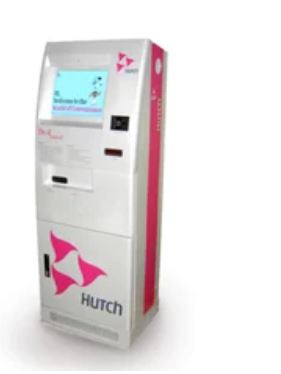
What are Point of Sale (POS) Systems?
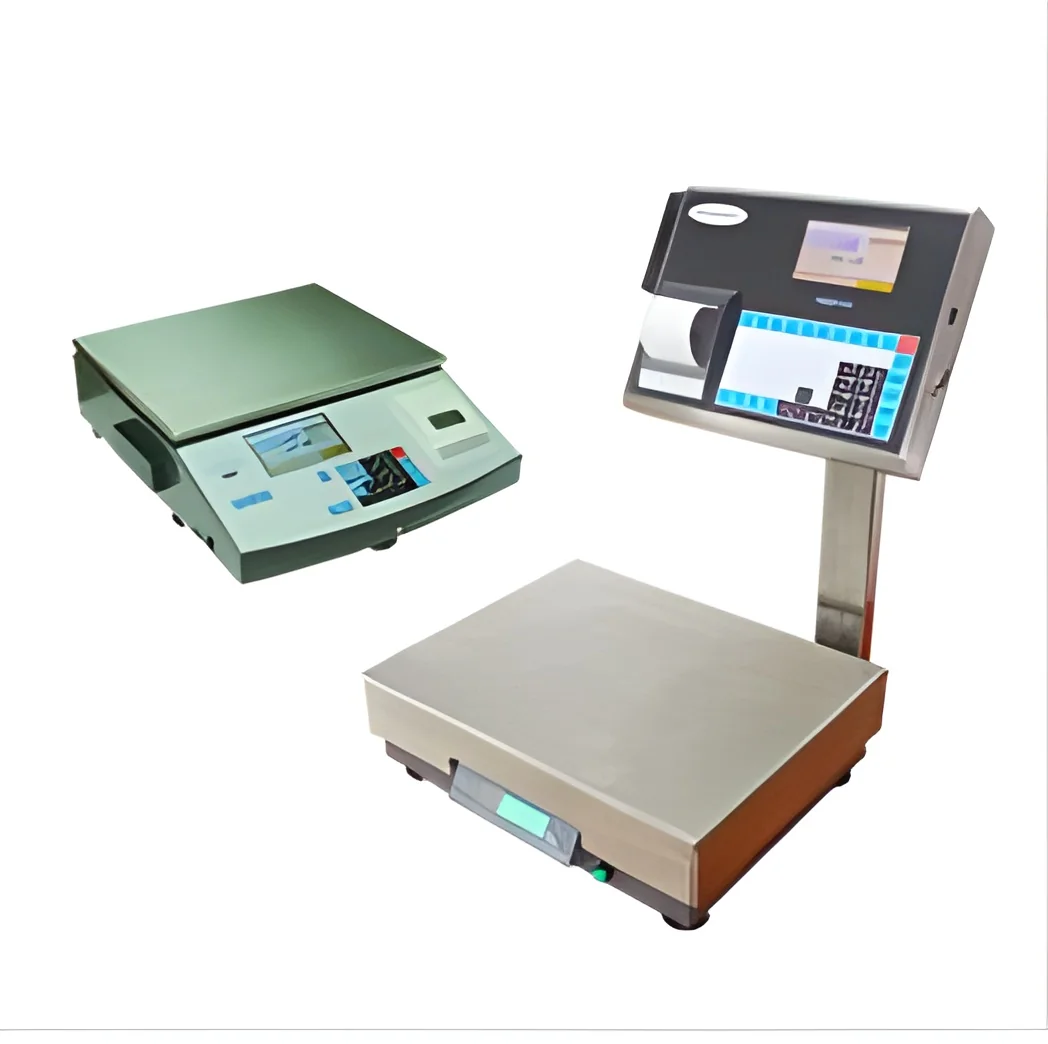
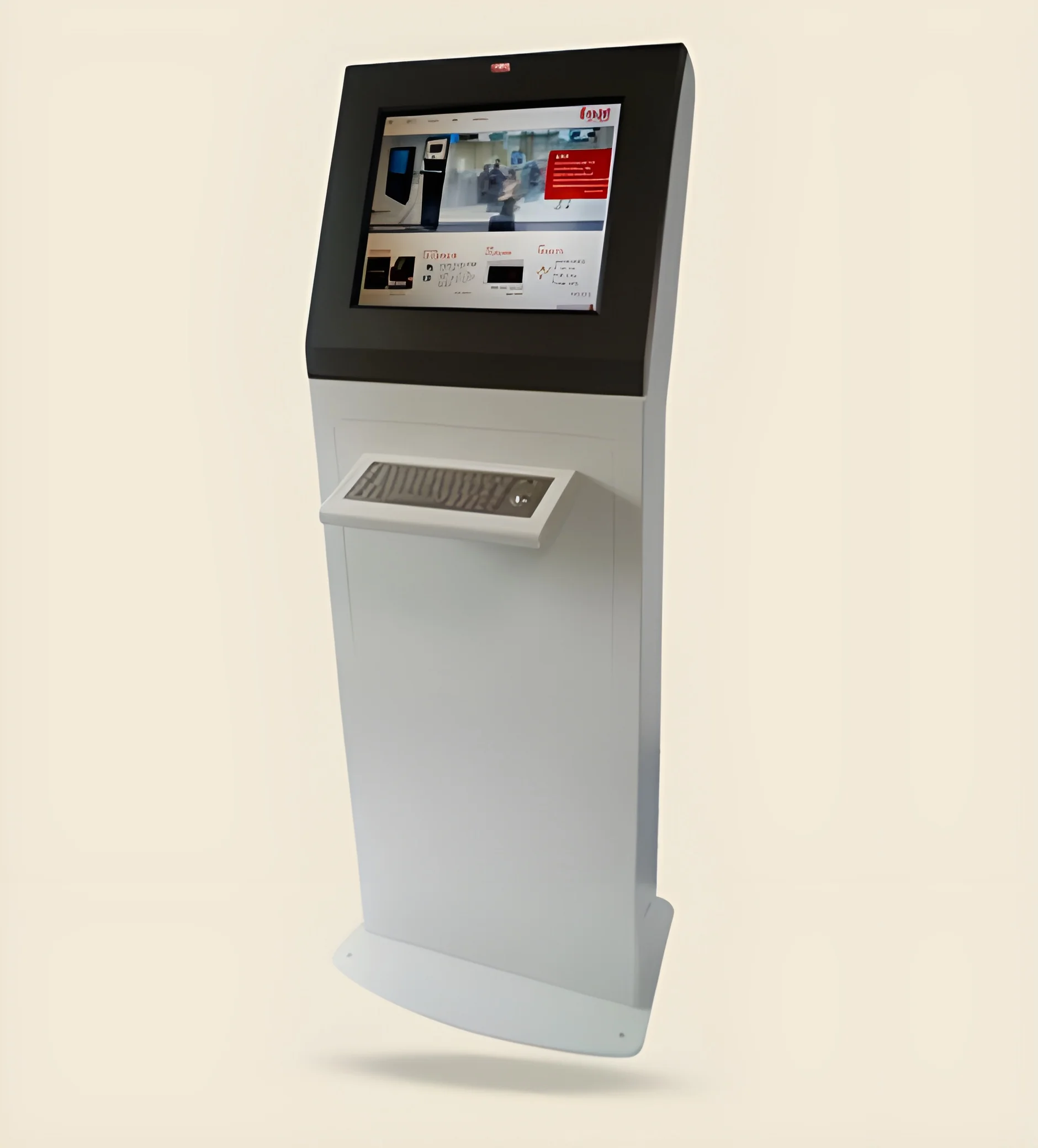
Point of Sale (POS) Systems are integrated hardware and software solutions that facilitate transactions at retail locations and service businesses. They allow businesses to process sales, manage inventory, and collect customer data efficiently. A POS system typically includes a combination of a cash register, card payment terminals, and software that tracks sales and inventory in real time.
These systems are widely used across various industries, including retail, restaurants, and service-oriented businesses. They streamline the payment process, enabling quick transactions while providing valuable insights into sales trends and customer preferences. With the evolution of technology, modern POS systems now offer features such as mobile payment processing, loyalty program management, and cloud-based reporting.
In today's competitive market, POS systems play a crucial role in enhancing customer experience and operational efficiency. Their versatility makes them relevant across multiple sectors, helping businesses adapt to changing consumer behaviors and trends. As the demand for seamless transactions continues to grow, the POS industry is expanding, offering innovative solutions that cater to diverse business needs.
𝗞𝗲𝘆 𝗙𝗲𝗮𝘁𝘂𝗿𝗲𝘀 𝗮𝗻𝗱 𝗦𝗽𝗲𝗰𝗶𝗳𝗶𝗰𝗮𝘁𝗶𝗼𝗻𝘀
Point of Sale systems come equipped with a variety of features that enhance their functionality and usability. The specifications can vary widely based on the type of business and specific needs of the users.
Key specifications include:
1. User Interface
- Features an intuitive touchscreen interface for easy navigation.
- Customizable layouts to accommodate specific business needs.
2. Payment Processing
- Supports multiple payment methods including credit cards, debit cards, and mobile wallets.
- Quick and secure transactions to enhance customer satisfaction.
3. Inventory Management
- Real-time tracking of stock levels and automatic alerts for low inventory.
- Integration with e-commerce platforms for seamless inventory updates.
4. Reporting and Analytics
- Provides detailed sales reports and analytics to identify trends.
- Customizable dashboards for visual representation of key metrics.
5. Customer Relationship Management (CRM)
- Stores customer data and purchase history for targeted marketing.
- Loyalty program integration to incentivize repeat business.
6. Hardware Compatibility
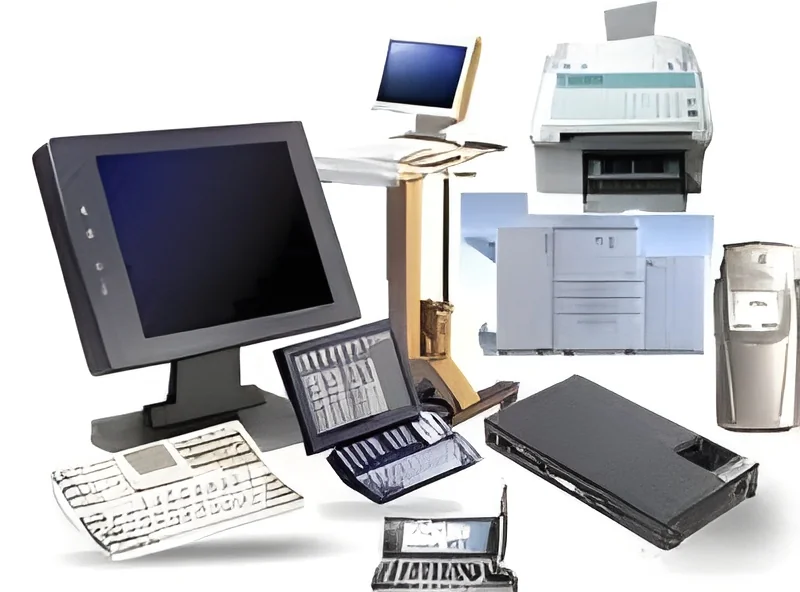
- Compatible with various hardware components such as barcode scanners and receipt printers.
- Options for mobile POS systems to facilitate sales on the go.
7. Security Features
- Advanced encryption and compliance with PCI standards for secure transactions.
- User access controls to safeguard sensitive business data.
8. Cloud-based Solutions
- Enables remote access to sales data and reports from any device.
- Automatic updates and backups to ensure data integrity.
In summary, POS systems offer a comprehensive array of features designed to optimize business operations and enhance customer experiences.
𝗖𝗼𝗺𝗺𝗼𝗻 𝗔𝗽𝗽𝗹𝗶𝗰𝗮𝘁𝗶𝗼𝗻𝘀 𝗮𝗻𝗱 𝗨𝘀𝗲 𝗖𝗮𝘀𝗲𝘀
Point of Sale systems are versatile tools utilized across different industries, each with specific applications.
1. Retail: In retail environments, POS systems streamline the checkout process, manage inventory, and analyze sales data for better stock management and promotional strategies.
2. Restaurants: For restaurants, POS systems facilitate order taking, kitchen communication, and payment processing, improving overall service efficiency and customer satisfaction.
3. Hospitality: In hotels and resorts, POS systems are used for managing front desk operations, billing for services, and tracking guest preferences to enhance their stay.
4. E-commerce: Online businesses leverage POS systems for integrating online and offline sales, managing inventory, and processing payments through various channels.
5. Healthcare: Healthcare providers use specialized POS systems to manage patient billing, track medical supplies, and ensure compliance with healthcare regulations.
6. Wholesale: Wholesalers utilize POS systems for order management, invoicing, and tracking shipments, helping to streamline supply chain operations.
7. Service Providers: Service-oriented businesses employ POS systems to schedule appointments, process payments, and manage customer relationships.
𝗣𝗿𝗼𝗱𝘂𝗰𝘁 𝗩𝗮𝗿𝗶𝗮𝗻𝘁𝘀 𝗮𝗻𝗱 𝗦𝘂𝗯𝗰𝗮𝘁𝗲𝗴𝗼𝗿𝗶𝗲𝘀
Point of Sale systems come in various forms to meet diverse business needs. Each variant offers unique features tailored to specific industries.
Cloud-based POS Systems
These systems operate over the internet, allowing businesses to access their data remotely. They offer automatic updates and are ideal for businesses with multiple locations.
Mobile POS Systems
Mobile POS solutions allow sales to be processed on tablets or smartphones. They are perfect for businesses that require flexibility, such as food trucks or pop-up shops.
Retail POS Systems
Designed specifically for retail environments, these systems often include inventory management features and customer engagement tools to enhance the shopping experience.
Restaurant POS Systems
Tailored for the food service industry, these systems facilitate order management, table tracking, and integrated payment solutions for a seamless dining experience.
𝗕𝗲𝗻𝗲𝗳𝗶𝘁𝘀 𝗮𝗻𝗱 𝗔𝗱𝘃𝗮𝗻𝘁𝗮𝗴𝗲𝘀
Investing in a reliable Point of Sale system offers numerous benefits that can significantly impact business operations.
Key benefits include:
1. Enhanced Efficiency: POS systems streamline the checkout process, reducing wait times and improving customer satisfaction.
2. Accurate Inventory Management: Automated inventory tracking minimizes stockouts and overstock situations, optimizing inventory levels.
3. Improved Customer Insights: The ability to analyze customer data helps businesses tailor their offerings and marketing strategies effectively.
4. Increased Sales: By providing a faster and more convenient payment process, POS systems can lead to higher sales volumes.
5. Simplified Reporting: Detailed sales reports and analytics enable informed decision-making and strategic planning.
6. Better Customer Engagement: Features like loyalty programs and targeted promotions enhance customer relationships and encourage repeat business.
𝗕𝘂𝘆𝗶𝗻𝗴 𝗚𝘂𝗶𝗱𝗲 𝗳𝗼𝗿 𝗕𝟮𝗕 𝗕𝘂𝘆𝗲𝗿𝘀
When sourcing Point of Sale systems, it is essential to consider several critical factors to ensure you select the best solution for your business.
1. Quality Assessment: Evaluate the reliability and performance of different POS systems. Look for user reviews and case studies to gauge customer satisfaction.
2. Supplier Verification: Conduct thorough due diligence on suppliers. Check their reputation, industry experience, and customer support capabilities.
3. Pricing and MOQ: Understand the pricing structure and minimum order quantities. Compare different suppliers to find the best value for your investment.
4. Delivery and Lead Times: Inquire about delivery schedules and lead times to ensure timely implementation. Plan for potential delays in logistics.
5. Compliance Requirements: Be aware of any regulatory standards applicable to your industry. Ensure that the POS system complies with relevant data protection and payment security regulations.
𝗖𝗼𝗺𝗽𝗹𝗶𝗮𝗻𝗰𝗲 𝗮𝗻𝗱 𝗖𝗲𝗿𝘁𝗶𝗳𝗶𝗰𝗮𝘁𝗶𝗼𝗻𝘀
Point of Sale systems are subject to various quality standards and certifications that ensure their reliability and safety.
Relevant quality standards include ISO 9001, which focuses on quality management systems, ensuring that products meet customer and regulatory requirements.
Industry certifications such as CE mark signify that the POS system complies with European health, safety, and environmental protection standards.
Safety and testing requirements are critical, especially for electronic devices. POS systems must undergo rigorous testing to ensure they are safe for consumer use.
Regional compliance considerations may vary based on local regulations. Businesses should ensure that their POS systems meet the requirements specific to their operating regions to avoid legal issues.
Why Source Point of Sale (POS) Systems from Pepagora?
Pepagora provides a trusted platform for sourcing Point of Sale systems, offering several key advantages that benefit B2B buyers.
Verified Supplier Network: Pepagora has a comprehensive network of verified suppliers, ensuring that buyers have access to quality products from reputable manufacturers. This network helps mitigate risks associated with sourcing.
Streamlined RFQ Process: The Request for Quotation (RFQ) process is designed to be user-friendly, allowing buyers to receive competitive quotes from multiple suppliers quickly. This feature saves time and simplifies the sourcing process.
Trade Assurance and Support: Buyers are protected through trade assurance programs that provide security and support throughout the purchasing process. This commitment builds trust between buyers and suppliers.
Regional Coverage: Pepagora's extensive reach across India, the GCC, and Southeast Asia means that businesses can find suitable POS solutions tailored to their specific market needs. This regional expertise further enhances the sourcing experience for buyers.

 IN
IN