
 IN
Indoor Court Shoes
2 products available
What are Indoor Court Shoes?
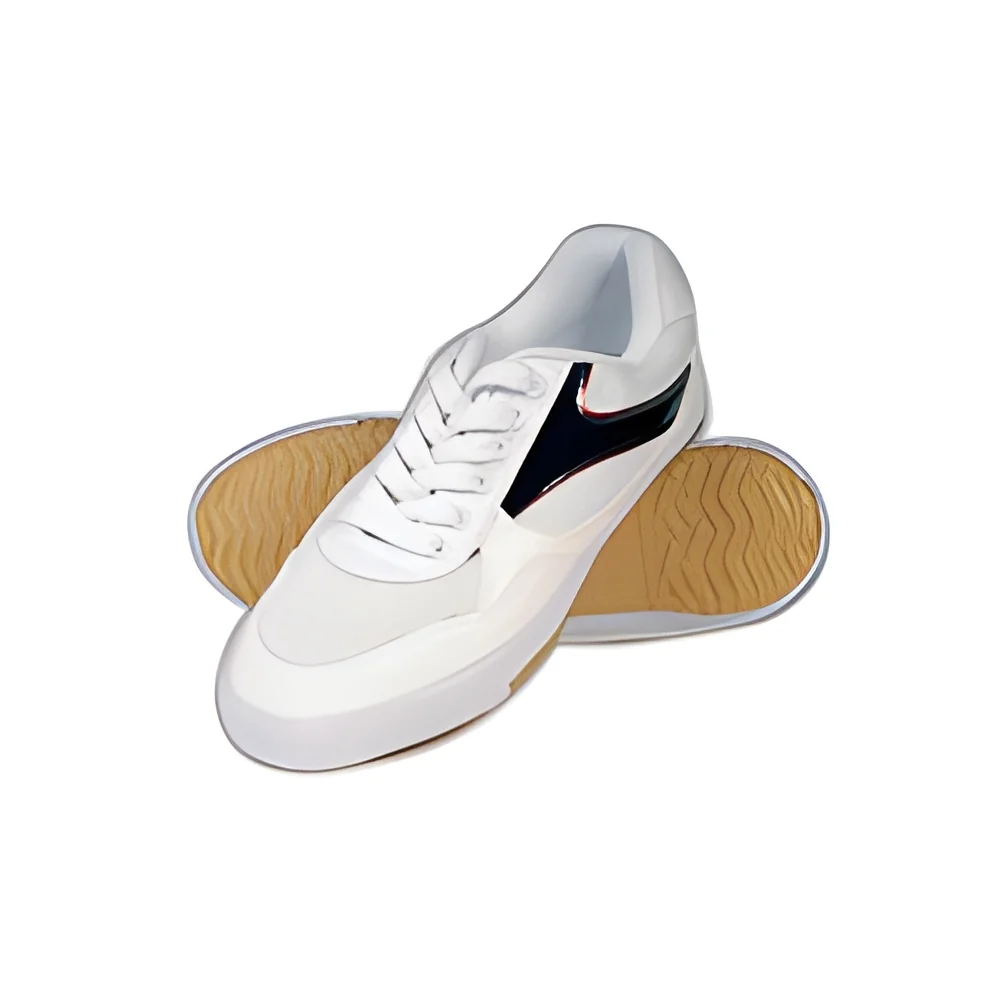
Indoor court shoes are specialized footwear designed for playing various indoor sports on court surfaces. These shoes are engineered to provide optimal grip, support, and comfort during high-intensity activities. The construction typically features a non-marking rubber outsole, cushioning for shock absorption, and breathable materials to keep the feet dry.
The primary uses of indoor court shoes span across sports like basketball, badminton, squash, and volleyball. Athletes and recreational players rely on these shoes to enhance performance and reduce the risk of injury. The shoes are also popular in fitness facilities and schools where indoor sports are played regularly, making them essential for any sporting environment.
In the context of the sports industry, indoor court shoes play a crucial role in athlete performance and safety. The demand for high-quality footwear has been increasing as more people engage in indoor sports. Manufacturers are continuously innovating to improve design and functionality, catering to the growing market of fitness enthusiasts and professional athletes alike.
Key Features and Specifications
Indoor court shoes come with several features that cater to the needs of athletes. These features enhance performance, provide comfort, and ensure safety during play. It is essential to consider these specifications when selecting the right pair for your needs.
Key specifications include:
1. Outsole Material
- Typically made from non-marking rubber
- Designed for optimal traction on indoor surfaces
2. Cushioning Technology
- Incorporates EVA or gel cushioning
- Provides shock absorption for high-impact activities
3. Breathability
- Features mesh or synthetic upper materials
- Allows for airflow to keep feet cool and dry
4. Ankle Support
- Some models offer high-top designs
- Provides additional support to the ankle during lateral movements
5. Fit and Comfort
- Available in various widths and sizes
- Designed for a snug yet comfortable fit
6. Weight
- Lightweight construction for agility
- Reduces fatigue during extended play
7. Durability
- Reinforced stitching and high-quality materials
- Built to withstand rigorous use
8. Design Options
- Available in various colors and styles
- Allows customization to team colors or personal preference
In summary, the right indoor court shoes should combine durability, comfort, and performance features tailored to the sport and player preferences.
Common Applications and Use Cases
Indoor court shoes serve a variety of industries and applications, making them versatile footwear for numerous activities.
1. Sports Facilities: Indoor court shoes are essential in gyms and sports complexes for basketball, badminton, and volleyball games. They provide the necessary grip and support on court surfaces.
2. Schools: Many educational institutions require students to wear indoor court shoes for physical education classes. This helps to ensure safety and comfort while engaging in sports activities.
3. Fitness Centers: Many fitness enthusiasts wear indoor court shoes during group classes or indoor training sessions, benefiting from their supportive features.
4. Community Centers: Local community centers often host indoor sports leagues, making indoor court shoes a necessity for participants.
5. Professional Teams: Athletic teams in various sports invest in high-quality indoor court shoes to enhance performance and prevent injuries during training and competitions.
Product Variants and Subcategories
Indoor court shoes come in various styles and designs to meet different athletic needs.
Basketball Court Shoes: These shoes are designed with extra ankle support and cushioning to handle the demands of basketball playing, providing stability during quick movements and jumps.
Badminton Court Shoes: Lightweight with excellent grip, badminton shoes focus on lateral support and quick changes in direction, enhancing agility on the court.
Volleyball Court Shoes: Designed with a focus on cushioning and stability, volleyball shoes provide the necessary support for jumping and landing, ensuring player safety.
Squash Court Shoes: These shoes are built for speed and agility, featuring a lightweight design and excellent traction to support swift movements on the squash court.
Benefits and Advantages
Choosing the right indoor court shoes offers numerous benefits to athletes and fitness enthusiasts.
1. Enhanced Performance: The right footwear improves agility and speed, allowing athletes to perform better in their respective sports.
2. Injury Prevention: Proper support and cushioning reduce the risk of injuries, such as sprains and strains, during high-impact activities.
3. Comfort: High-quality materials and design provide comfort, allowing players to focus on their game without distractions.
4. Versatility: Indoor court shoes can be used across multiple sports, making them a practical investment for athletes.
5. Improved Traction: Specialized outsoles ensure optimal grip on indoor surfaces, enhancing stability during play.
6. Aesthetic Appeal: With various designs available, athletes can choose shoes that reflect their personal style or team branding.
Buying Guide for B2B Buyers
When sourcing indoor court shoes for your organization or team, consider several key factors to ensure you make the right choice.
1. Quality Assessment: Look for shoes made from high-quality materials that offer durability and performance. Consider brands with a strong reputation in the sports footwear market.
2. Supplier Verification: Vet suppliers by checking references and product reviews. Ensure they have a history of reliability and good customer service.
3. Pricing and MOQ: Understand the pricing structure and minimum order quantities. Balance quality with cost-effectiveness to maximize your budget.
4. Delivery and Lead Times: Discuss logistics with suppliers to ensure timely delivery. Consider lead times to align with your needs, especially for events or sports seasons.
5. Compliance Requirements: Verify that the shoes comply with industry standards and safety regulations. This is crucial for ensuring athlete safety and product reliability.
Compliance and Certifications
Indoor court shoes must adhere to specific quality standards and certifications to ensure safety and performance.
Relevant quality standards, such as ISO 9001, ensure that manufacturers maintain consistent quality management systems. These standards help to guarantee that products meet customer expectations and regulatory requirements.
Industry certifications, such as CE marking, indicate that the shoes comply with European health, safety, and environmental protection standards. This certification is crucial for products sold in European markets.
Safety and testing requirements often include assessments for durability and performance under various conditions. Manufacturers may conduct rigorous testing to verify that their shoes provide the necessary support and traction.
Regional compliance considerations can vary, especially in different markets. Being aware of local regulations and standards is essential for manufacturers and suppliers operating internationally.
Why Source Indoor Court Shoes from Pepagora?
Pepagora offers a reliable platform for sourcing indoor court shoes, providing several advantages for B2B buyers.
Verified Supplier Network: Pepagora features a network of verified suppliers, ensuring that buyers have access to quality products from reputable manufacturers. This verification process builds trust and confidence in sourcing decisions.
Streamlined RFQ Process: The request for quotation system allows buyers to easily compare prices and features from multiple suppliers. This streamlined process saves time and helps buyers make informed decisions.
Trade Assurance and Support: Pepagora provides trade assurance, protecting buyers from potential risks. Their support team is available to assist with any issues that may arise during the sourcing process.
Regional Coverage: With a strong presence in India, GCC, and Southeast Asia, Pepagora connects buyers with suppliers across these regions. This geographic reach ensures that buyers can find suitable products that meet their specific needs.


Frequently Asked Questions
What are Indoor Court Shoes?
Indoor court shoes are specifically designed footwear intended for use on indoor sports surfaces such as gym floors, hardwood, and synthetic courts. They provide the necessary traction and support for sports like badminton, basketball, and volleyball.
What are the different types of Indoor Court Shoes?
There are various types of indoor court shoes tailored to specific sports, including badminton shoes, basketball shoes, and squash shoes. Each type is designed to offer sport-specific features like traction patterns, cushioning, and ankle support.
How do I choose the right Indoor Court Shoes?
When selecting indoor court shoes, consider factors such as the type of sport you will play, your foot shape, and any specific support needs. It's also essential to try on shoes for comfort and fit before making a purchase.
What are the standard specifications for Indoor Court Shoes?
Standard specifications for indoor court shoes include a non-marking rubber outsole for grip, a lightweight upper for breathability, and adequate cushioning for shock absorption. The shoes should also provide lateral support to prevent injuries during movement.
What is the price range for Indoor Court Shoes?
The price range for indoor court shoes can vary widely based on brand, materials, and technology used. Generally, prices can range from INR 1,500 to INR 10,000 or more, depending on the specific features and quality.
What quality standards apply to Indoor Court Shoes?
Quality standards for indoor court shoes typically include durability, comfort, and performance criteria that meet the demands of indoor sports. Manufacturers may adhere to industry standards such as ISO for quality assurance in their production processes.
Where can I find Indoor Court Shoes suppliers in India?
To find indoor court shoes suppliers in India, you can explore B2B marketplaces like Pepagora.com, or attend sports trade shows and exhibitions. Additionally, online directories and manufacturer websites can provide valuable contacts.
Can Indoor Court Shoes be customized?
Yes, many manufacturers offer customization options for indoor court shoes, allowing for personalized designs, colors, and sizes. Customization can be beneficial for teams or organizations looking to promote their brand.
What is the typical minimum order quantity for Indoor Court Shoes?
The typical minimum order quantity (MOQ) for indoor court shoes can vary by supplier but generally ranges from 50 to 200 pairs. It's advisable to check with individual suppliers for their specific MOQ requirements.
What is the typical lead time for Indoor Court Shoes?
The typical lead time for indoor court shoes can range from 4 to 8 weeks, depending on the manufacturer's production capacity and order specifications. Custom orders may require additional time for processing.
Why Businesses Trust Pepagora
Thousands of companies trust Pepagora to source smarter and sell faster
Expand Your Sales Globally

Source Smarter,Grow Faster
