𝗪𝗵𝗮𝘁 𝗮𝗿𝗲 𝗛𝗮𝗻𝗱𝗯𝗮𝗴 𝗠𝗮𝗻𝘂𝗳𝗮𝗰𝘁𝘂𝗿𝗲𝗿𝘀?
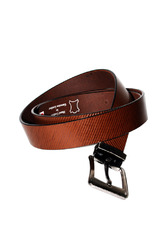
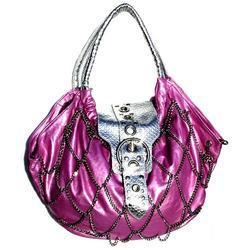
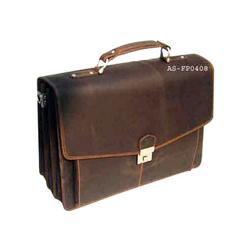
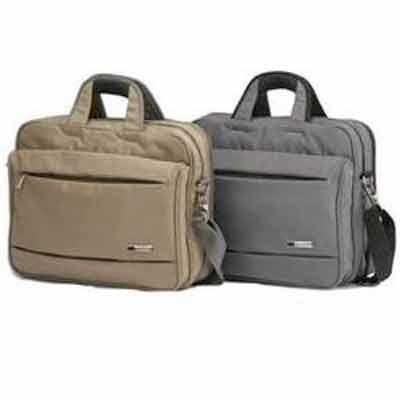
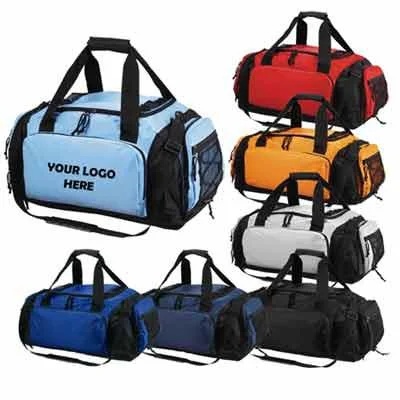
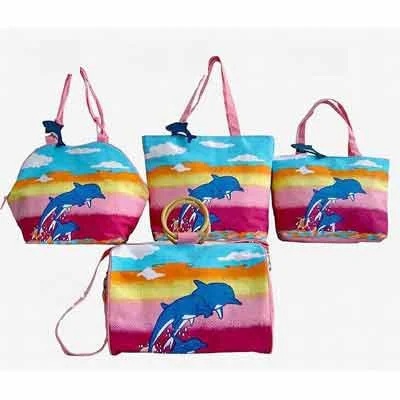
Handbag manufacturers are companies that specialize in producing a wide variety of handbags, ranging from casual purses to luxury bags. These manufacturers utilize various materials, including leather, fabric, and synthetic options, to create products that meet diverse consumer preferences. The production process involves design, material selection, cutting, stitching, and finishing, often requiring skilled labor and sophisticated machinery.
The primary uses of handbags extend beyond mere fashion accessories; they serve functional roles such as carrying personal items and enhancing an outfit's overall aesthetic. Businesses in retail and wholesale sectors often collaborate with handbag manufacturers to create customized products that align with their brand identity. This symbiotic relationship allows retailers to offer unique designs that cater to specific market segments while ensuring quality and craftsmanship.
In today’s competitive market, handbag manufacturers play a crucial role in the fashion industry. With the rise of e-commerce, these manufacturers must adapt to changing consumer demands and trends. They are increasingly focusing on sustainability and ethical practices to appeal to environmentally conscious consumers. Overall, the handbag manufacturing industry is a dynamic sector that contributes significantly to the global economy.
𝗞𝗲𝘆 𝗙𝗲𝗮𝘁𝘂𝗿𝗲𝘀 𝗮𝗻𝗱 𝗦𝗽𝗲𝗰𝗶𝗳𝗶𝗰𝗮𝘁𝗶𝗼𝗻𝘀
Handbag manufacturers offer various features and specifications that cater to different market needs. Understanding these specifications can help buyers make informed decisions when sourcing products.
Key specifications include:
1. Material Quality
- The handbags can be made from various materials such as genuine leather, synthetic leather, canvas, and other fabrics.
- Each material has different durability, texture, and care requirements.
2. Design Options
- Manufacturers provide a range of design options including styles, colors, and sizes to suit various consumer preferences.
- Custom design capabilities may be available to meet specific branding needs.
3. Production Capacity
- Manufacturers typically have different production capacities to accommodate small to large orders.
- Minimum order quantities (MOQs) can vary based on the manufacturer.
4. Customization Features
- Many manufacturers offer customization options including logo placement and unique color schemes.
- This allows businesses to create distinct products that reflect their brand identity.
5. Quality Control Processes
- Established manufacturers implement strict quality control measures throughout the production process.
- This ensures that every handbag meets industry standards and customer expectations.
6. Lead Time
- The time frame from order placement to delivery can vary significantly among manufacturers.
- Buyers should inquire about average lead times to ensure timely delivery.
7. Price Range
- Pricing can vary based on material, design complexity, and order volume.
- It is essential to discuss pricing structures upfront to align with budget expectations.
In summary, understanding these features and specifications can empower businesses to select the right handbag manufacturers that align with their specific needs and market demands.
𝗖𝗼𝗺𝗺𝗼𝗻 𝗔𝗽𝗽𝗹𝗶𝗰𝗮𝘁𝗶𝗼𝗻𝘀 𝗮𝗻𝗱 𝗨𝘀𝗲 𝗖𝗮𝘀𝗲𝘀
Handbags are versatile products that find applications across various industries.
1. Fashion Retail: Handbags are a staple in fashion retail, where they are sold as essential accessories to complement clothing lines. Retailers often collaborate with manufacturers to create exclusive collections that reflect current trends.
2. Corporate Gifting: Many businesses utilize handbags as corporate gifts for clients and employees. Customized handbags can serve as a promotional tool while also being functional gifts.
3. Event Promotions: Handbags are often used as promotional items for events, trade shows, and exhibitions. They can be branded with event logos and serve as practical giveaways.
4. E-commerce: Online retailers are increasingly sourcing handbags from manufacturers to offer a wide range of products to consumers. This channel allows for direct sales without the need for physical storefronts.
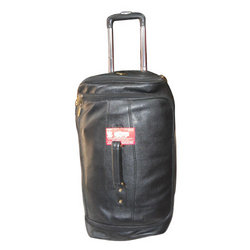
5. Travel and Tourism: Handbags designed for travel purposes, such as totes and backpacks, are in demand in the travel and tourism sector. Manufacturers create durable and stylish options that cater to travelers’ needs.
6. Sustainable Fashion: With the rise of eco-conscious consumerism, some manufacturers specialize in producing sustainable handbags made from recycled or environmentally friendly materials.
7. Specialty Markets: Certain manufacturers focus on niche markets, creating handbags for specific customer segments such as athletes, students, or professionals.
𝗣𝗿𝗼𝗱𝘂𝗰𝘁 𝗩𝗮𝗿𝗶𝗮𝗻𝘁𝘀 𝗮𝗻𝗱 𝗦𝘂𝗯𝗰𝗮𝘁𝗲𝗴𝗼𝗿𝗶𝗲𝘀
The handbag manufacturing industry offers a diverse range of products to meet various consumer needs.
Tote Bags
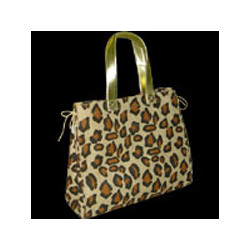
Tote bags are popular for their spacious design and versatility. They are often used for shopping, travel, or everyday use. Manufacturers create tote bags in various materials, sizes, and colors, making them ideal for branding opportunities.
Crossbody Bags
Crossbody bags are designed for convenience and style, allowing users to carry their belongings hands-free. Manufacturers often design these bags with adjustable straps and multiple compartments for functionality.
Clutches
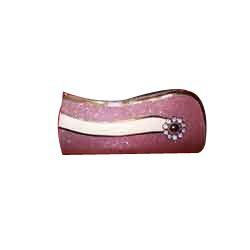
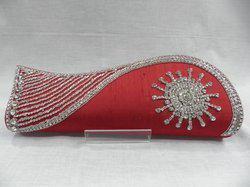
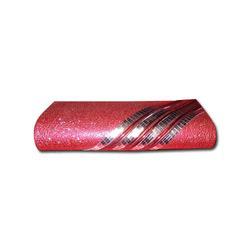
Clutches are elegant handbags typically used for formal occasions. Manufacturers focus on craftsmanship and materials to produce stylish options that appeal to the luxury market.
Backpacks
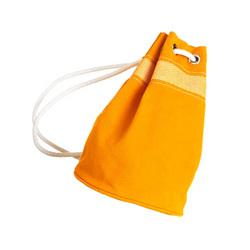
Backpacks are gaining popularity as a functional and fashionable choice. Manufacturers create stylish backpacks suitable for both casual and professional settings.
𝗕𝗲𝗻𝗲𝗳𝗶𝘁𝘀 𝗮𝗻𝗱 𝗔𝗱𝘃𝗮𝗻𝘁𝗮𝗴𝗲𝘀
Sourcing handbags from manufacturers provides numerous advantages for businesses.
Key benefits include:
1. Quality Assurance: Partnering with reputable manufacturers ensures high-quality products that meet customer expectations and industry standards.
2. Customization Options: Many manufacturers offer customization, allowing businesses to create unique products that reflect their brand identity.
3. Competitive Pricing: By sourcing directly from manufacturers, businesses can often benefit from competitive pricing structures, especially with bulk orders.
4. Fast Turnaround: Established manufacturers often have efficient processes in place, resulting in quicker lead times from order placement to delivery.
5. Access to Trends: Manufacturers are often at the forefront of design trends, enabling businesses to offer the latest styles and features to their customers.
6. Scalability: Working with reliable manufacturers allows businesses to easily scale their product offerings based on market demand and seasonal trends.
𝗕𝘂𝘆𝗶𝗻𝗴 𝗚𝘂𝗶𝗱𝗲 𝗳𝗼𝗿 𝗕𝟮𝗕 𝗕𝘂𝘆𝗲𝗿𝘀
When sourcing handbag manufacturers, it is important to evaluate several key factors to ensure a successful partnership.
1. Quality Assessment: Evaluate the quality of materials and craftsmanship by requesting samples. This allows buyers to assess whether the products will meet their standards.
2. Supplier Verification: Conduct thorough research on potential manufacturers. Look for reviews, certifications, and industry reputation to ensure reliability.
3. Pricing and MOQ: Discuss pricing models and minimum order quantities upfront. Understanding these factors will help with budgeting and planning.
4. Delivery and Lead Times: Inquire about typical lead times for production and delivery. This is crucial for meeting market demands and inventory management.
5. Compliance Requirements: Ensure that manufacturers adhere to relevant industry standards and regulations. This includes understanding any certifications required for specific markets.
𝗖𝗼𝗺𝗽𝗹𝗶𝗮𝗻𝗰𝗲 𝗮𝗻𝗱 𝗖𝗲𝗿𝘁𝗶𝗳𝗶𝗰𝗮𝘁𝗶𝗼𝗻𝘀
Compliance and certifications are critical aspects of the handbag manufacturing industry.
Manufacturers are often required to adhere to quality standards such as ISO 9001, which ensures consistent quality management systems. Additionally, compliance with HACCP and GDP guidelines may be necessary for certain materials and production processes.
Many manufacturers also hold certifications like CE, which signifies that their products meet European safety and environmental standards. These certifications not only enhance product credibility but also assure buyers of their commitment to quality and safety.
Safety and testing requirements are essential to ensure that handbags are free from harmful substances and meet durability standards. Manufacturers must stay updated on regional compliance considerations, especially if they operate in multiple markets. This ensures that products are suitable for the intended consumer base while adhering to local regulations.
𝗪𝗵𝘆 𝗦𝗼𝘂𝗿𝗰𝗲 𝗛𝗮𝗻𝗱𝗯𝗮𝗴 𝗠𝗮𝗻𝘂𝗳𝗮𝗰𝘁𝘂𝗿𝗲𝗿𝘀 𝗳𝗿𝗼𝗺 𝗣𝗲𝗽𝗮𝗴𝗼𝗿𝗮?
Pepagora provides a trusted platform for sourcing handbag manufacturers with several key advantages.
Verified Supplier Network: Pepagora ensures that all suppliers in its network are thoroughly vetted for reliability and quality. This gives buyers peace of mind knowing they are working with reputable manufacturers.
Streamlined RFQ Process: The platform features a user-friendly request for quotation process. This allows businesses to quickly obtain quotes from multiple manufacturers, facilitating easier decision-making.
Trade Assurance and Support: Pepagora offers trade assurance to protect buyers throughout the sourcing process. This includes support for dispute resolution, ensuring a smooth transaction experience.
Regional Coverage: Pepagora has a strong presence in regions such as India, the GCC, and Southeast Asia. This broad geographic reach allows businesses to tap into diverse manufacturing capabilities and product offerings.
By choosing Pepagora, businesses can streamline their sourcing process while ensuring they partner with high-quality handbag manufacturers.

 IN
IN
 India
India