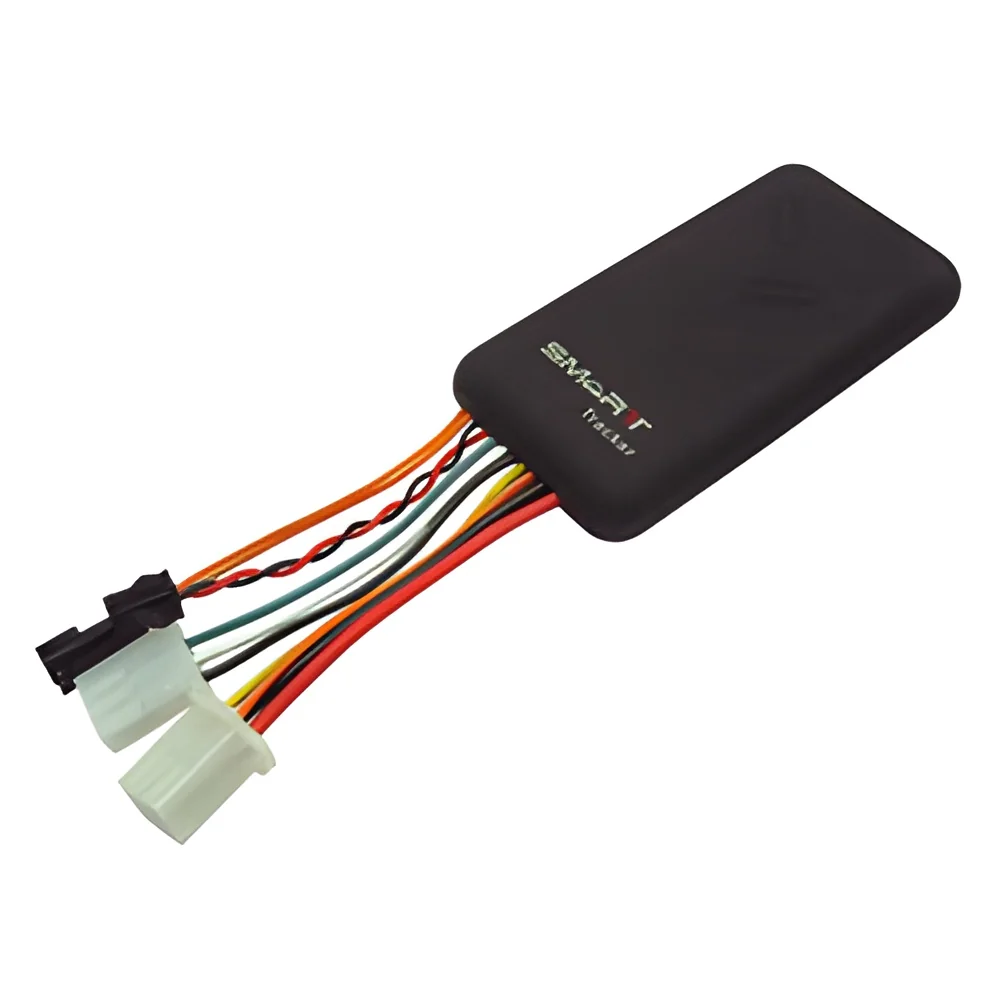
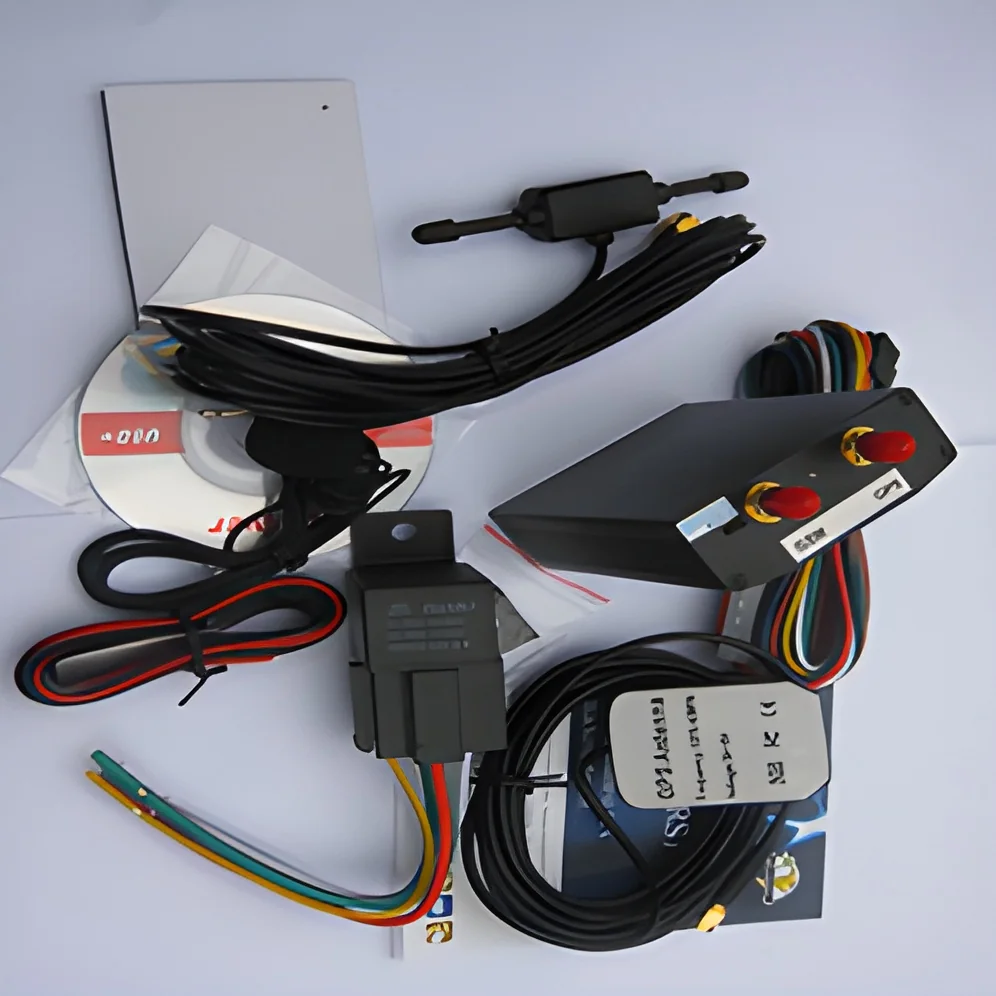
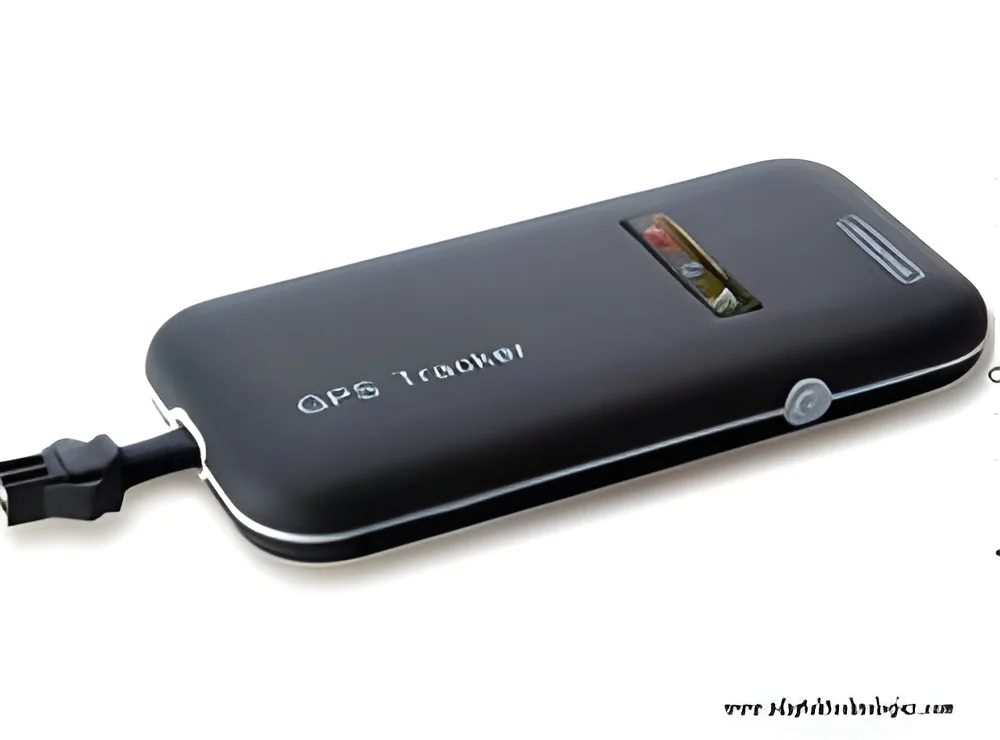
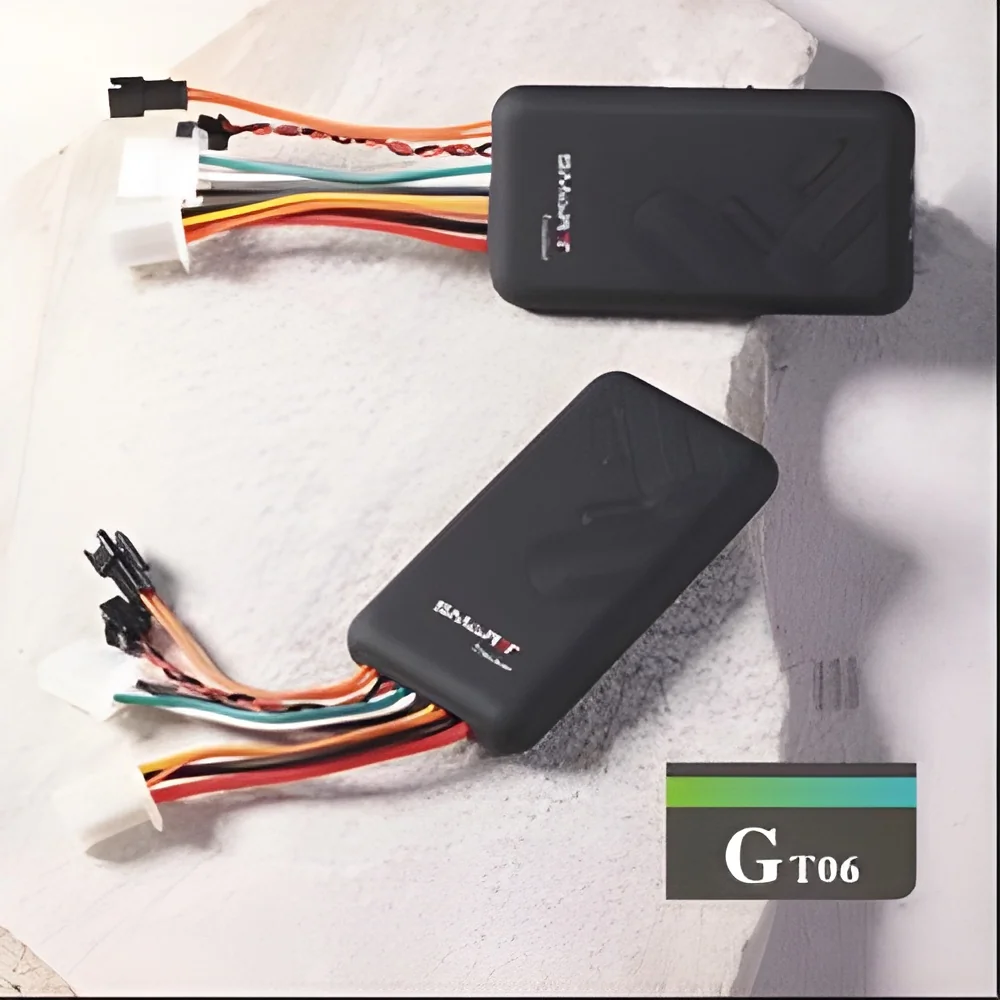
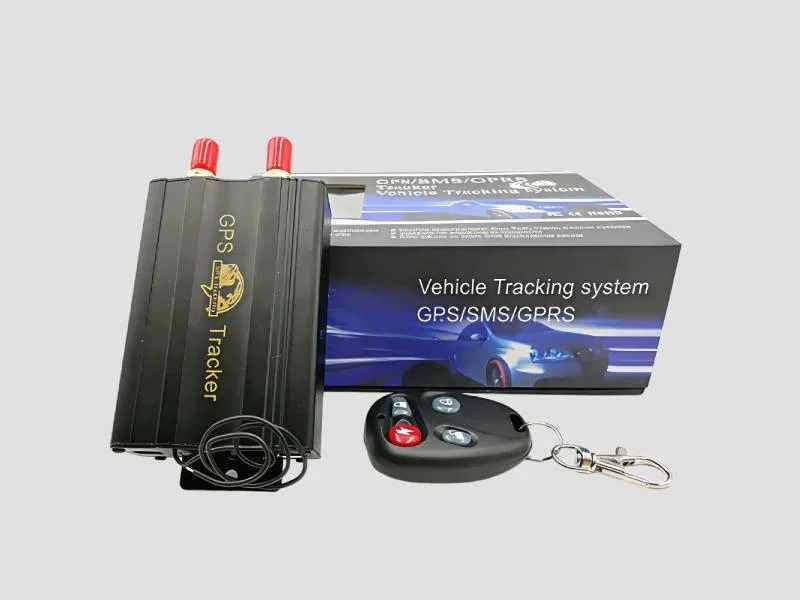
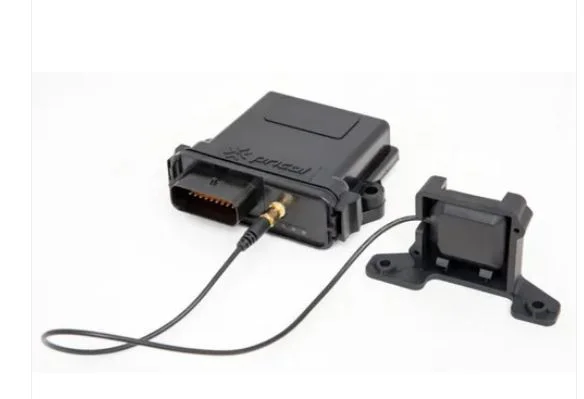
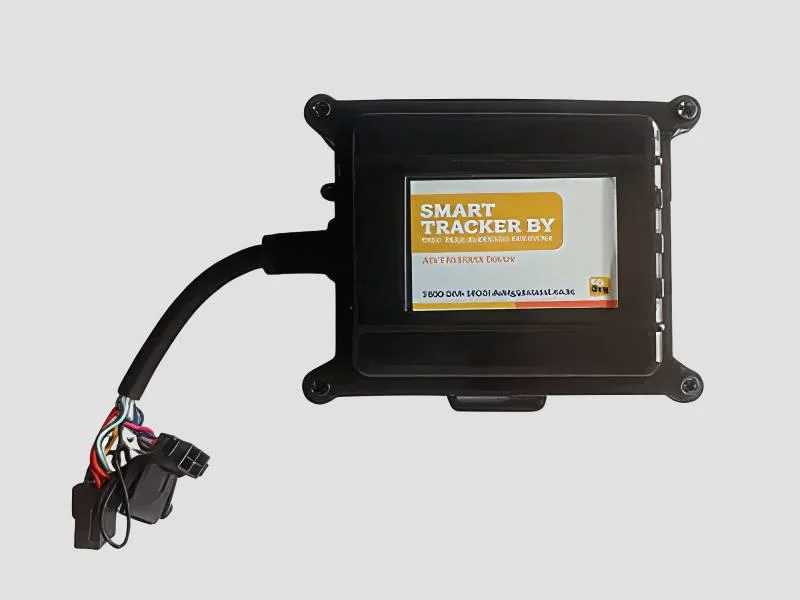
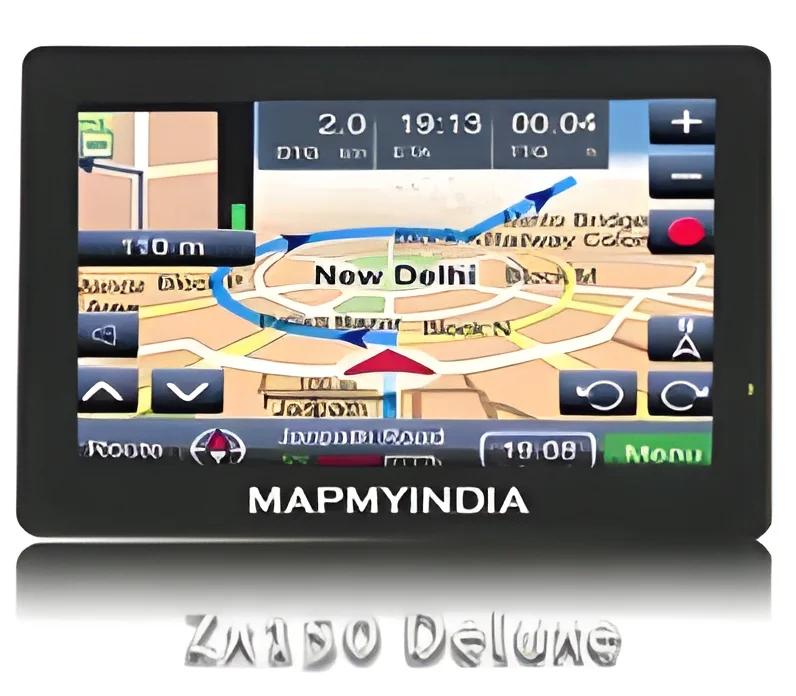
What are GPS-Based Fleet Monitoring?
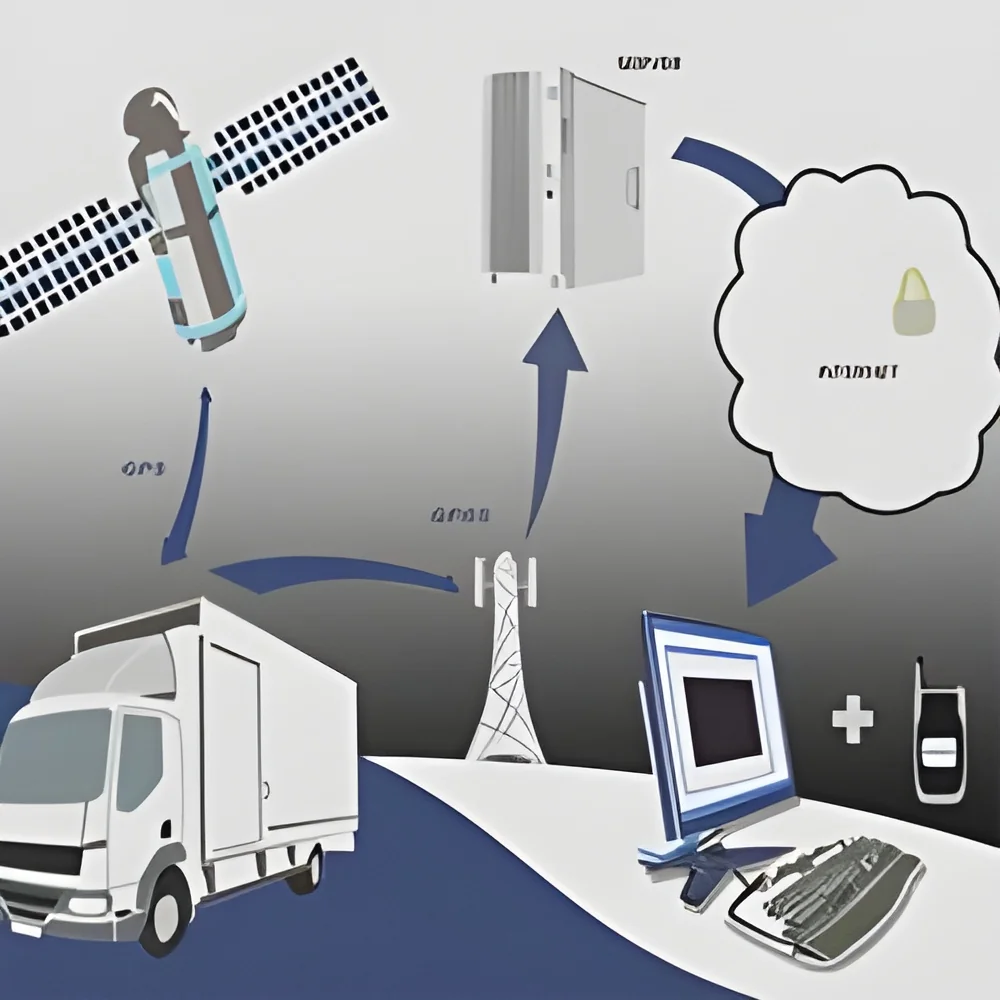
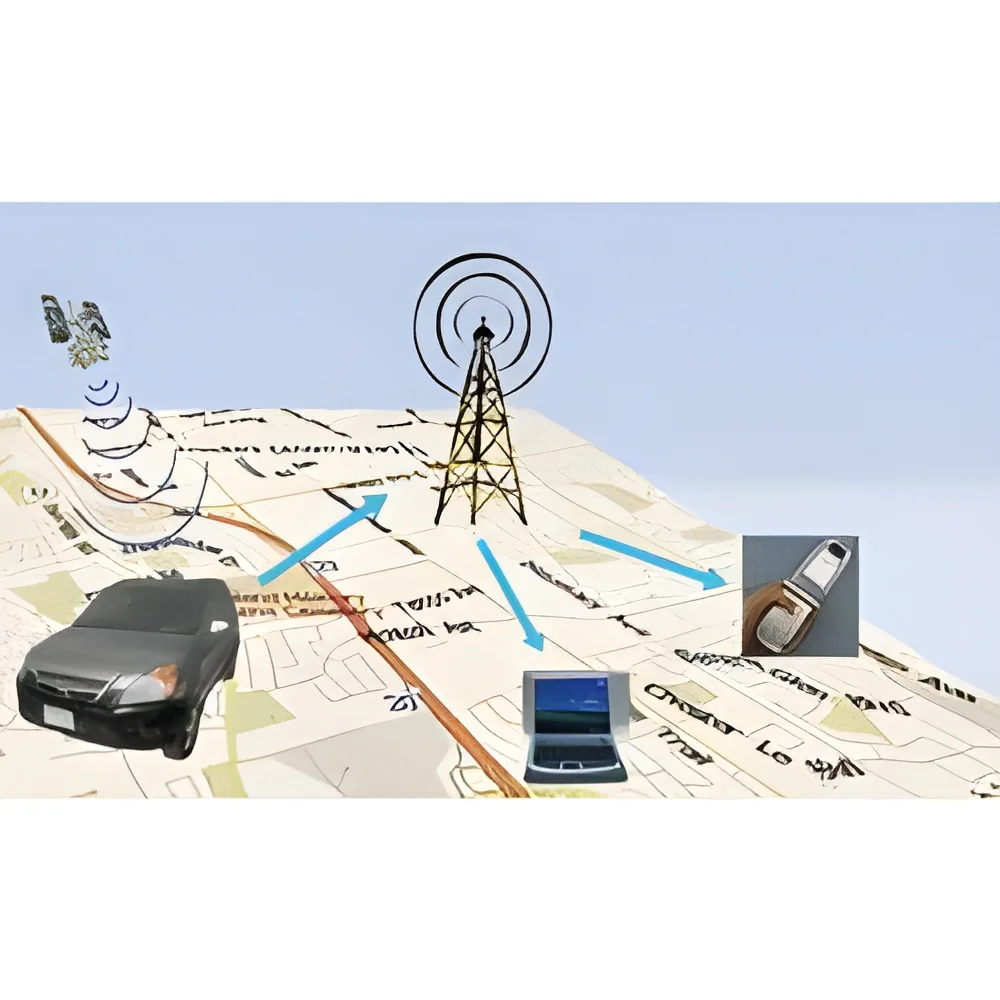
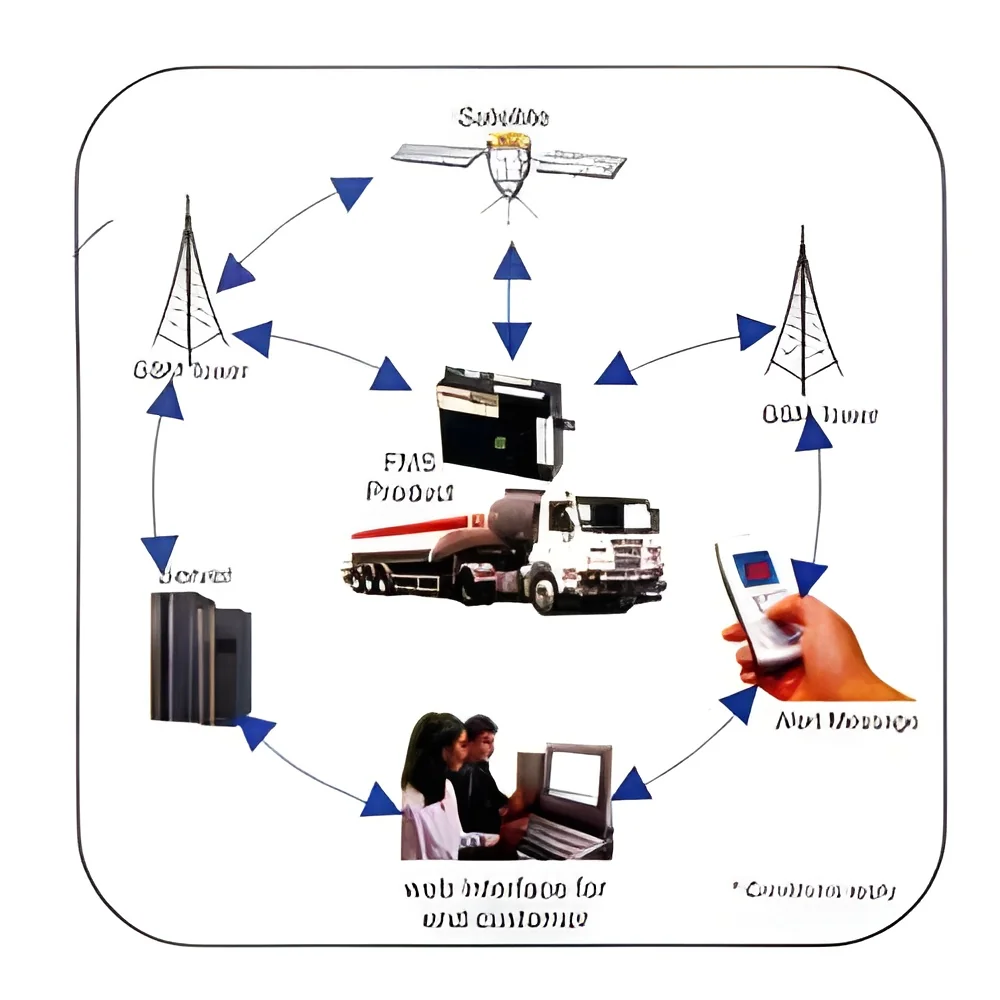
GPS-Based Fleet Monitoring is a technological solution that leverages global positioning system (GPS) technology to track and manage a fleet of vehicles in real-time. This system provides fleet managers with precise location data, enabling them to monitor vehicle movements, optimize routes, and enhance overall operational efficiency. By integrating GPS tracking with fleet management software, businesses can access detailed analytics and reporting, which aids in making informed decisions regarding vehicle utilization and maintenance.
The primary uses of GPS-Based Fleet Monitoring include improving logistics, ensuring timely deliveries, and reducing operational costs. Fleet managers can identify delays, monitor driver behavior, and enhance safety through this technology. Businesses across various sectors, such as transportation, logistics, and service delivery, utilize these systems to streamline their operations. As market demand for efficient fleet management grows, the relevance of GPS tracking technology becomes increasingly apparent, providing a competitive edge in a fast-paced business environment.
Key Features and Specifications
GPS-Based Fleet Monitoring systems come with a range of features that enhance fleet management capabilities. These features are designed to provide comprehensive tracking and management solutions for businesses.
Key specifications include:
1. Real-Time Tracking
- Provides continuous location updates of vehicles
- Enables immediate response to operational changes
2. Route Optimization
- Analyzes traffic patterns and road conditions
- Suggests the most efficient routes for drivers
3. Driver Behavior Monitoring
- Tracks speed, braking, and acceleration patterns
- Helps improve safety and reduce accidents
4. Maintenance Alerts
- Sends notifications for scheduled maintenance
- Aids in prolonging vehicle lifespan and reducing downtime
5. Geofencing Capabilities
- Sets virtual boundaries for vehicles
- Alerts managers when vehicles enter or exit designated areas
6. Historical Data Reports
- Provides insights into vehicle usage over time
- Facilitates better planning and resource allocation
7. Integration with Other Systems
- Compatible with existing fleet management software
- Enhances overall functionality and data sharing
8. User-Friendly Interface
- Simplifies navigation and data access for fleet managers
- Reduces training time for new users
In summary, GPS-Based Fleet Monitoring systems offer a robust set of features and specifications that cater to the diverse needs of businesses managing vehicle fleets.
Common Applications and Use Cases
GPS-Based Fleet Monitoring is utilized across multiple industries, each benefiting from enhanced tracking and management capabilities.
1. Transportation: Companies in this sector use GPS tracking to monitor delivery vehicles, ensuring timely arrivals and optimizing route efficiency.
2. Logistics: Logistics providers employ fleet monitoring to streamline operations, track shipments, and manage warehouse deliveries effectively.
3. Construction: Construction firms utilize GPS technology to track equipment and vehicles, ensuring proper usage and reducing theft.
4. Public Transportation: City transit authorities implement fleet monitoring to provide real-time updates to passengers and improve service reliability.
5. Emergency Services: Ambulance and fire services use GPS tracking to optimize response times and coordinate with dispatch centers.
6. Field Services: Companies that deploy technicians can track their service vehicles to enhance scheduling and improve customer satisfaction.
7. Delivery Services: Last-mile delivery companies rely on GPS monitoring to manage routes and track packages in transit.
Product Variants and Subcategories
GPS-Based Fleet Monitoring solutions come in various forms to meet the specific needs of different businesses.
Standard Tracking Devices
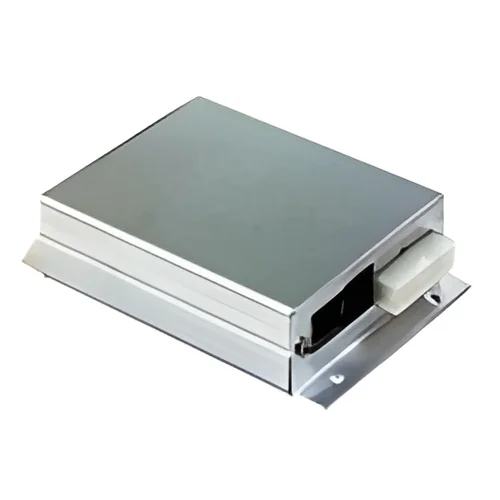
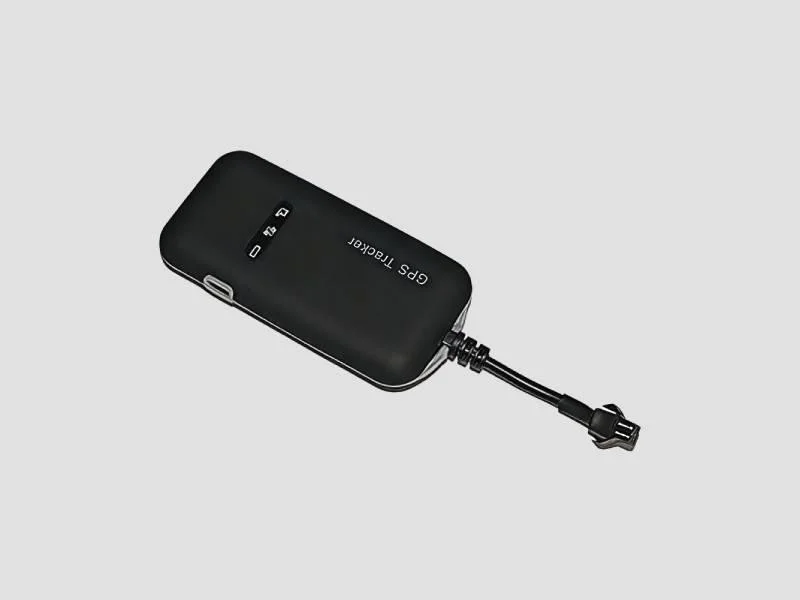
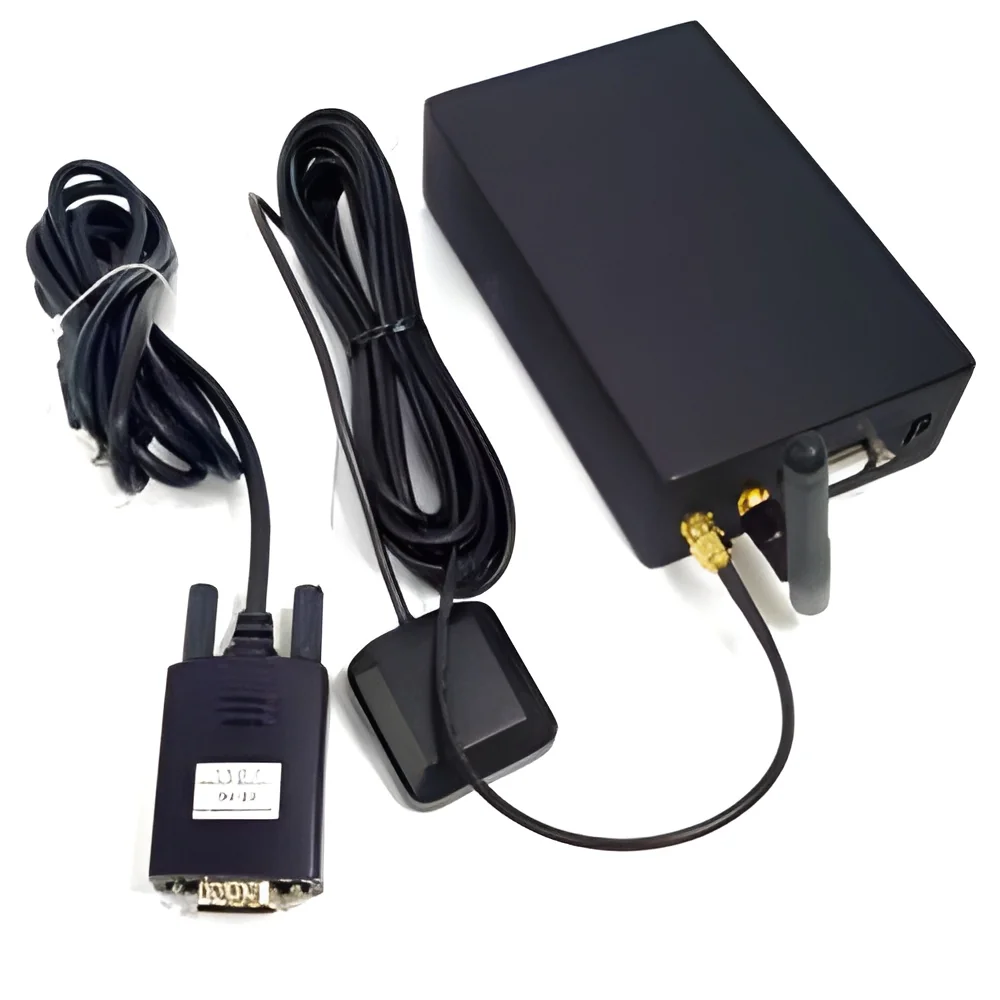
These devices are installed in vehicles to provide real-time tracking capabilities. They often include features for route optimization and driver behavior monitoring.
Advanced Fleet Management Systems
These systems integrate GPS tracking with additional features such as maintenance alerts and reporting tools. They provide a comprehensive solution for larger fleets with complex management needs.
Mobile Applications
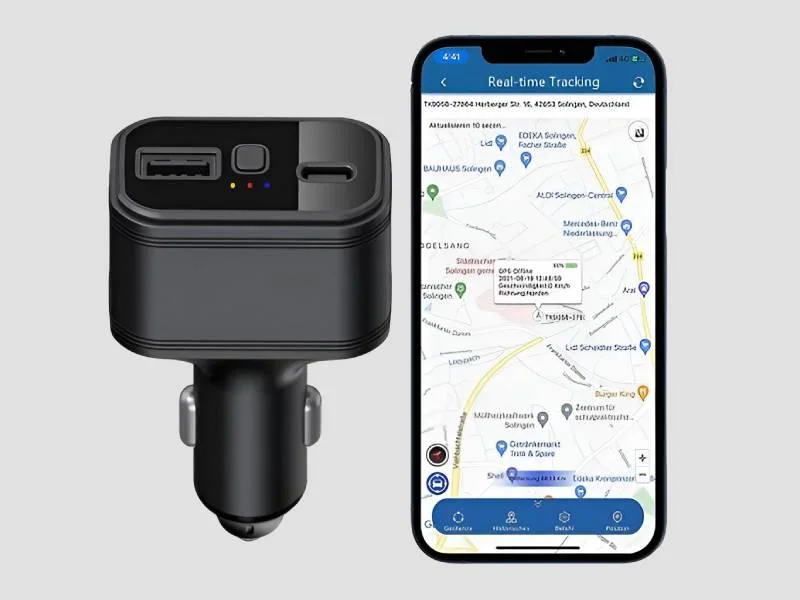
Many GPS fleet monitoring solutions offer mobile applications that allow fleet managers to track vehicles on-the-go. These apps provide access to key features and real-time data from smartphones or tablets.
Benefits and Advantages
GPS-Based Fleet Monitoring provides significant advantages to businesses looking to enhance their fleet operations.
Key benefits include:
1. Increased Efficiency: Real-time tracking and route optimization lead to reduced fuel consumption and improved delivery times.
2. Enhanced Safety: Monitoring driver behavior helps identify risky driving practices, contributing to safer roadways.
3. Cost Savings: Reducing idle time and optimizing routes lowers operational costs, maximizing profit margins.
4. Improved Customer Service: Timely deliveries and accurate tracking information enhance customer satisfaction and loyalty.
5. Better Asset Management: Continuous tracking of vehicles and equipment leads to more effective resource allocation and maintenance planning.
6. Data-Driven Decisions: Access to historical data supports strategic planning and operational improvements.
Buying Guide for B2B Buyers
When sourcing GPS-Based Fleet Monitoring solutions, several factors should be considered to ensure the best fit for business needs.
1. Quality Assessment: Evaluate the quality of the equipment and software. Look for systems that meet industry standards and have a reputation for reliability.
2. Supplier Verification: Research potential suppliers carefully. Verify their credentials, customer reviews, and track record in the industry to ensure they can provide reliable products.
3. Pricing and MOQ: Understand the pricing structure and minimum order quantities. Compare quotes from different suppliers to find the best value without compromising quality.
4. Delivery and Lead Times: Consider logistics and delivery schedules. Ensure that suppliers can meet your timelines for implementation.
5. Compliance Requirements: Be aware of any regulatory compliance needs specific to your industry. Ensure that the GPS devices you choose meet necessary safety and quality standards.
Compliance and Certifications
GPS-Based Fleet Monitoring systems must adhere to various compliance standards to ensure quality and safety. Key relevant quality standards include ISO 9001, which focuses on quality management systems, and CE certification, which indicates conformity with health, safety, and environmental protection standards within the European Economic Area.
Safety and testing requirements are vital for ensuring that the devices perform reliably under various conditions. Compliance with regional regulations is also important, as different areas may have specific requirements for electronic devices and tracking systems. Businesses should ensure that their chosen GPS solutions meet these standards to avoid legal and operational issues.
Why Source GPS-Based Fleet Monitoring from Pepagora?
Pepagora offers a trusted platform for sourcing GPS-Based Fleet Monitoring solutions, providing several key advantages that benefit B2B buyers.
Verified Supplier Network: Pepagora ensures that all suppliers in its network are thoroughly vetted, providing buyers with confidence in their sourcing decisions. This verification process helps businesses avoid unreliable suppliers and guarantees quality.
Streamlined RFQ Process: The Request for Quotation (RFQ) system on Pepagora simplifies the sourcing process. Buyers can easily submit specifications and receive quotes from multiple suppliers, making it easier to compare options and find the best fit.
Trade Assurance and Support: Pepagora provides trade assurance to protect buyers throughout the purchasing process. This support includes assistance with negotiations and addressing any issues that may arise, ensuring a smooth transaction.
Regional Coverage: Pepagora has a broad geographic reach, covering markets in India, the GCC, and Southeast Asia. This extensive network allows businesses to find local suppliers while also accessing international options for GPS-Based Fleet Monitoring solutions.

 IN
IN