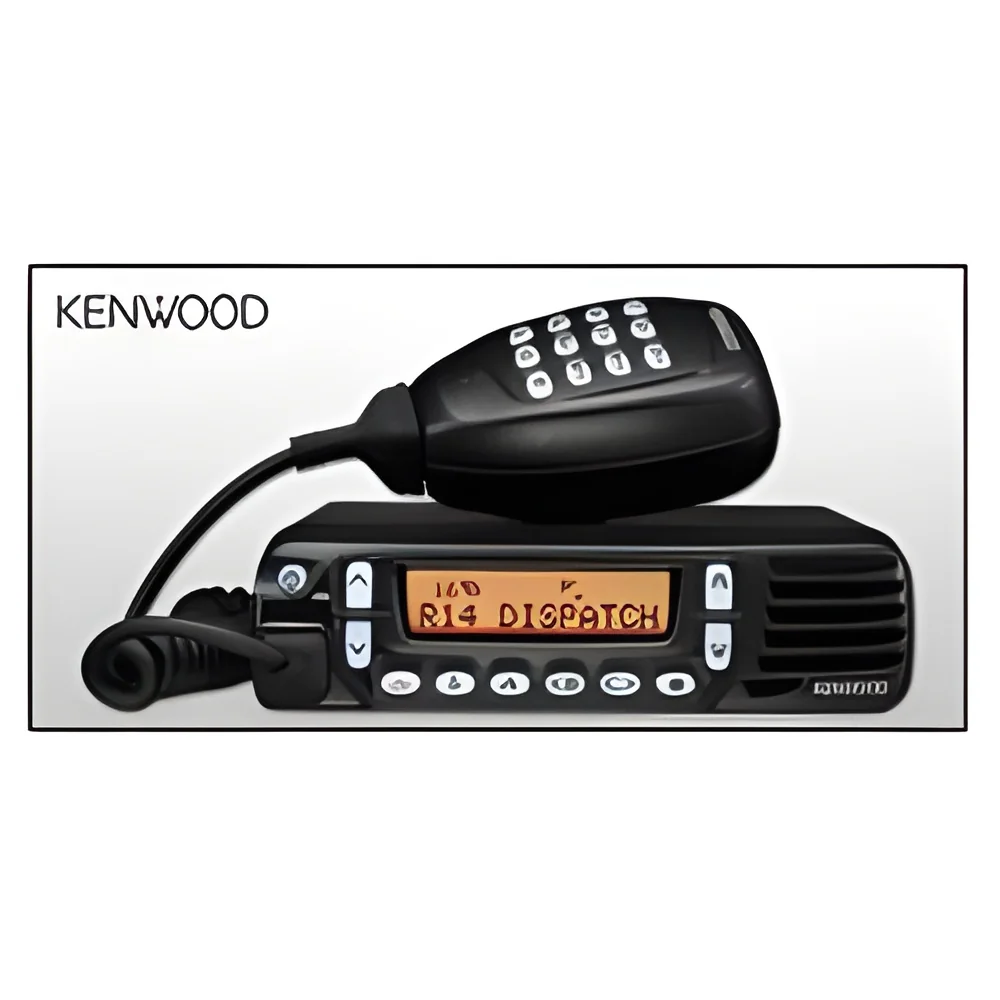
What are Fleet Communication Systems?
Fleet Communication Systems are specialized technologies designed to facilitate communication and data exchange between fleet vehicles and their management teams. These systems enable real-time communication, tracking, and monitoring of vehicles, which is essential for efficient fleet management. By integrating various communication technologies, such as GPS, telematics, and mobile communications, Fleet Communication Systems offer a comprehensive solution for managing transportation logistics.
The primary uses of Fleet Communication Systems include route optimization, vehicle tracking, driver safety monitoring, and maintenance scheduling. Businesses utilize these systems to streamline operations, reduce costs, and improve service delivery. They are particularly valuable in industries such as logistics, transportation, and public services, where managing a fleet of vehicles efficiently is crucial to operational success. As the demand for real-time data and improved fleet efficiency grows, the relevance of these systems continues to expand across various sectors.
In the current market context, Fleet Communication Systems are becoming increasingly vital as companies seek to enhance their operational capabilities. With the rise of technology-driven solutions, businesses are adopting these systems to maintain a competitive edge. The growing emphasis on sustainability and cost reduction further drives the demand for effective fleet management solutions.
Key Features and Specifications
Fleet Communication Systems come equipped with a variety of features that cater to the specific needs of businesses. These features enhance communication, tracking, and overall fleet efficiency. Understanding the specifications of these systems is crucial for selecting the right solution.
Key specifications include:
1. GPS Tracking
- Real-time location tracking of vehicles
- Accuracy typically within 5-10 meters
2. Telematics Integration
- Combines vehicle data with communication systems
- Provides insights on vehicle performance and driver behavior
3. Two-Way Communication
- Enables direct communication between drivers and fleet managers
- Supports voice, text, or data messaging
4. Maintenance Alerts
- Automated notifications for scheduled maintenance
- Reduces the risk of vehicle breakdowns
5. Route Optimization Algorithms
- Analyzes traffic patterns to suggest the best routes
- Minimizes fuel consumption and travel time
6. Driver Safety Monitoring
- Tracks driving behavior and provides feedback
- Aims to reduce accidents and improve safety standards
7. Reporting and Analytics
- Generates reports on fleet performance metrics
- Assists in making informed business decisions
8. User-Friendly Interface
- Simplifies the management of fleet operations
- Accessible through mobile and desktop applications
These features provide a comprehensive approach to fleet management, ensuring that businesses can operate efficiently and effectively.
Common Applications and Use Cases
Fleet Communication Systems find extensive applications across various industries. Their versatility allows businesses to tailor the systems to meet specific operational needs.
1. Transportation and Logistics: Companies in this sector use Fleet Communication Systems for tracking shipments, optimizing delivery routes, and ensuring timely arrivals.
2. Public Transportation: Bus and taxi services leverage these systems to monitor vehicle locations, manage schedules, and communicate with drivers.
3. Construction: Construction firms utilize Fleet Communication Systems to manage equipment and vehicle usage, ensuring that resources are deployed efficiently on job sites.
4. Emergency Services: Ambulance and fire services rely on these systems for rapid communication, dispatching, and real-time tracking of emergency vehicles.
5. Delivery Services: Last-mile delivery companies implement Fleet Communication Systems to enhance customer service by providing real-time updates on delivery statuses.
6. Waste Management: Waste collection services use these systems to optimize routes and improve service efficiency, leading to cost savings and reduced environmental impact.
7. Field Services: Companies providing field services utilize Fleet Communication Systems to coordinate technician schedules and monitor service vehicle locations.
Product Variants and Subcategories
Fleet Communication Systems come in various configurations to meet the diverse needs of businesses. Each variant offers unique features and functionalities designed for specific applications.
Variant 1: Basic Fleet Tracking System
This variant provides essential GPS tracking features, allowing fleet managers to monitor vehicle locations in real time. It is ideal for small businesses looking for cost-effective solutions.
Variant 2: Advanced Telematics System
This system includes comprehensive telematics integration, offering detailed insights into vehicle performance, fuel consumption, and driver behavior. It is suitable for larger fleets that require in-depth analysis.
Variant 3: Comprehensive Fleet Management Platform
This platform combines all aspects of fleet communication and management, including route optimization, maintenance alerts, and driver safety monitoring. It caters to enterprises seeking a robust solution for complex fleet operations.
Benefits and Advantages
Fleet Communication Systems offer numerous benefits that can significantly enhance fleet operations. The advantages provided by these systems contribute to improved efficiency and cost savings.
1. Enhanced Efficiency: Fleet Communication Systems streamline operations, reducing time spent on manual processes and improving overall productivity.
2. Cost Reduction: By optimizing routes and monitoring fuel consumption, businesses can achieve significant savings on operational costs.
3. Improved Safety: These systems provide tools for monitoring driver behavior, leading to safer driving practices and a reduction in accidents.
4. Real-Time Data Access: Fleet managers can access real-time information, empowering them to make informed decisions quickly.
5. Better Customer Service: With accurate tracking and communication capabilities, businesses can keep customers informed about delivery statuses, enhancing customer satisfaction.
6. Regulatory Compliance: Fleet Communication Systems help organizations meet industry regulations by providing necessary reporting and documentation features.
Buying Guide for B2B Buyers
When sourcing Fleet Communication Systems, it is essential for businesses to consider several key factors to ensure they select the right solution for their needs.
1. Quality Assessment: Evaluate the quality of the system by reviewing user feedback, case studies, and technical specifications. Look for systems that meet industry standards and have a proven track record.
2. Supplier Verification: Vet potential suppliers by checking their credentials, certifications, and reputation in the market. Ensure they have a solid history of providing reliable products and support.
3. Pricing and MOQ: Understand the pricing structure, including any minimum order quantities, to ensure the solution fits within your budget. Compare quotes from multiple suppliers to find competitive pricing.
4. Delivery and Lead Times: Consider the lead times for delivery and installation. Ensure the supplier can meet your timeline requirements to avoid delays in deployment.
5. Compliance Requirements: Be aware of any regulatory compliance requirements that may apply to your industry. Ensure that the Fleet Communication System can meet these standards.
Compliance and Certifications
Fleet Communication Systems must adhere to various quality standards and certifications to ensure reliability and safety. Compliance with industry regulations is essential for businesses operating in regulated sectors.
Relevant quality standards include ISO 9001, which ensures quality management systems are in place, and CE certification, indicating that the product meets European safety standards. Compliance with safety and testing requirements is critical, especially in industries such as transportation and emergency services.
Regional compliance considerations also play a role, as different regions may have specific regulations governing fleet operations. Businesses should ensure that their Fleet Communication Systems are compliant with local laws to avoid legal issues.
Why Source Fleet Communication Systems from Pepagora?
Pepagora provides a trusted platform for sourcing Fleet Communication Systems, offering several key advantages that help businesses make informed purchasing decisions.
Verified Supplier Network: Pepagora has a robust network of verified suppliers, ensuring that businesses can find reliable vendors who meet strict quality standards. This verification process helps mitigate risks associated with sourcing.
Streamlined RFQ Process: The platform simplifies the request for quotation process, allowing businesses to quickly compare offers from multiple suppliers. This efficiency saves time and helps buyers find the best deals.
Trade Assurance and Support: Pepagora offers trade assurance to protect buyers, ensuring that they receive quality products as promised. Comprehensive support services are also available to assist with any questions or concerns during the purchasing process.
Regional Coverage: With a strong presence in India, the GCC, and Southeast Asia, Pepagora provides extensive regional coverage. This geographic reach allows businesses to connect with suppliers in their area and facilitates smoother logistics and communication.
By sourcing Fleet Communication Systems through Pepagora, businesses can benefit from a reliable and efficient process that supports their operational goals.

 IN
IN