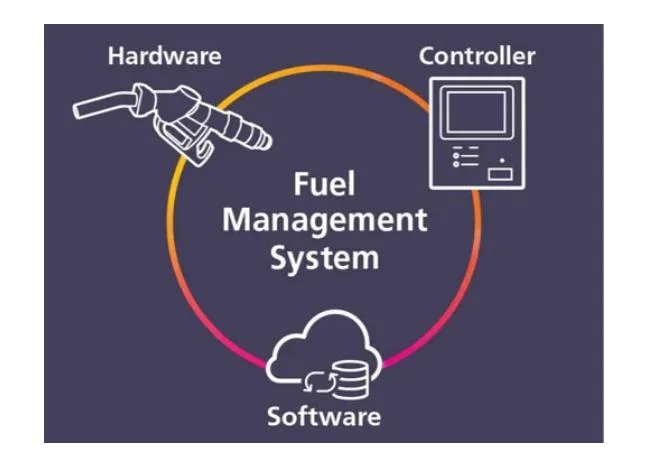
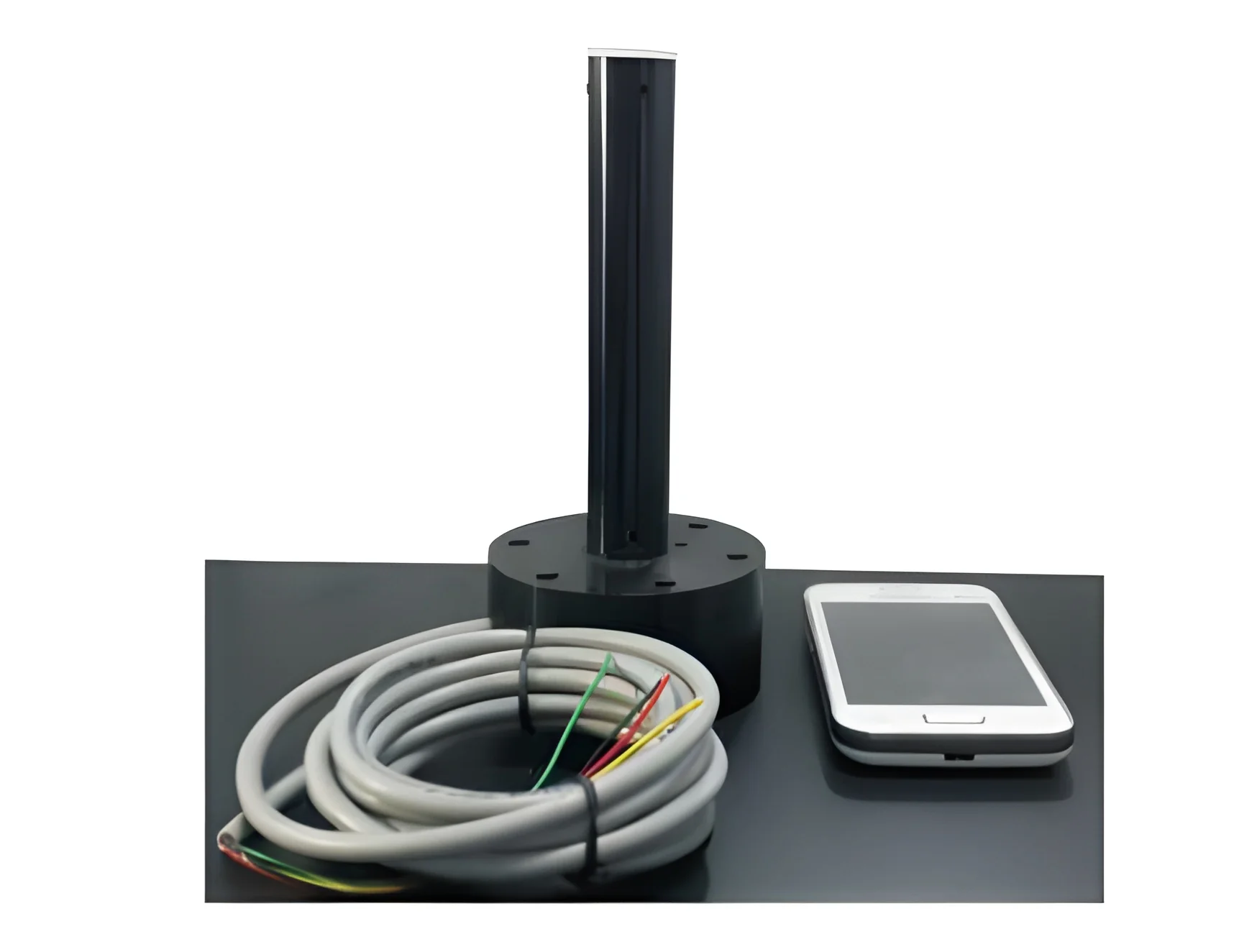
𝗪𝗵𝗮𝘁 𝗮𝗿𝗲 𝗘𝗹𝗲𝗰𝘁𝗿𝗶𝗰 𝗙𝗹𝗲𝗲𝘁 𝗠𝗼𝗻𝗶𝘁𝗼𝗿𝗶𝗻𝗴 𝗦𝘆𝘀𝘁𝗲𝗺𝘀?
Electric Fleet Monitoring Systems are advanced technological solutions designed to oversee and manage electric vehicles within a fleet. These systems employ real-time data collection and analysis to track vehicle performance, location, and energy consumption. By integrating various sensors and communication technologies, fleet operators can optimize vehicle usage and maintenance schedules, ensuring operational efficiency.
The primary uses of Electric Fleet Monitoring Systems include route optimization, energy management, and predictive maintenance. Businesses can leverage these systems to reduce operational costs, improve fleet reliability, and enhance overall service delivery. As electric vehicles become more prevalent, the demand for effective monitoring solutions has surged across various sectors, including logistics, public transportation, and corporate fleets.
In the current market context, the relevance of Electric Fleet Monitoring Systems is underscored by the global shift towards sustainability and reducing carbon emissions. As regulatory pressures increase and consumer preference shifts toward eco-friendly transportation, businesses are investing in these systems to stay competitive and compliant with industry standards.
𝗞𝗲𝘆 𝗙𝗲𝗮𝘁𝘂𝗿𝗲𝘀 𝗮𝗻𝗱 𝗦𝗽𝗲𝗰𝗶𝗳𝗶𝗰𝗮𝘁𝗶𝗼𝗻𝘀
Electric Fleet Monitoring Systems come with a range of features tailored to meet the demands of modern fleet management. These features provide critical insights into vehicle operation and performance, enabling businesses to make informed decisions.
Key specifications include:
1. Real-Time Monitoring
- Continuous tracking of vehicle location and status.
- Ensures timely updates on fleet performance.
2. Energy Consumption Tracking
- Monitors energy usage across the fleet.
- Helps identify inefficiencies and optimize energy utilization.
3. Predictive Maintenance Alerts
- Provides notifications for maintenance needs before issues arise.
- Reduces downtime and extends vehicle lifespan.
4. Route Optimization Algorithms
- Analyzes traffic patterns and vehicle performance to suggest the best routes.
- Minimizes travel time and energy expenditure.
5. Fleet Performance Analytics
- Generates reports on fleet efficiency and utilization metrics.
- Aids in strategic planning and resource allocation.
6. User-Friendly Interface
- Offers an intuitive dashboard for easy navigation and data interpretation.
- Facilitates quick decision-making for fleet managers.
7. Integration Capabilities
- Compatible with existing fleet management software and tools.
- Enhances overall operational workflows.
8. Security Features
- Robust data encryption and access controls to protect sensitive information.
- Ensures compliance with data protection regulations.
These specifications collectively enhance the functionality and effectiveness of Electric Fleet Monitoring Systems, making them an essential investment for businesses operating electric vehicle fleets.
𝗖𝗼𝗺𝗺𝗼𝗻 𝗔𝗽𝗽𝗹𝗶𝗰𝗮𝘁𝗶𝗼𝗻𝘀 𝗮𝗻𝗱 𝗨𝘀𝗲 𝗖𝗮𝘀𝗲𝘀
Electric Fleet Monitoring Systems are versatile solutions applicable across various industries. Their ability to provide real-time insights makes them invaluable for businesses looking to enhance fleet efficiency.
1. Logistics Industry: Electric Fleet Monitoring Systems are used to track delivery vehicles, optimize routes, and monitor energy consumption, leading to increased efficiency and reduced operational costs.
2. Public Transportation: Municipalities utilize these systems to manage electric buses and shuttles, ensuring timely service while minimizing energy use and emissions.
3. Corporate Fleets: Companies with electric vehicles can monitor employee driving patterns, ensuring compliance with company policies and promoting sustainable practices.
4. Healthcare: Ambulance services are employing these systems to track response times and vehicle readiness, improving patient care while managing costs.
5. Construction: Electric vehicles in construction sites are monitored for usage and maintenance, enabling better resource allocation and minimizing downtime.
6. Car Rentals: Electric fleet monitoring aids rental companies in managing their electric vehicle fleets, ensuring availability and optimizing vehicle usage.
7. Delivery Services: E-commerce businesses leverage these systems to monitor their electric delivery vans, improving service delivery and customer satisfaction.
𝗣𝗿𝗼𝗱𝘂𝗰𝘁 𝗩𝗮𝗿𝗶𝗮𝗻𝘁𝘀 𝗮𝗻𝗱 𝗦𝘂𝗯𝗰𝗮𝘁𝗲𝗴𝗼𝗿𝗶𝗲𝘀
Electric Fleet Monitoring Systems offer diversity in features and applications, catering to different business needs. While specific subcategories are not available, various product variants are tailored to specific operational requirements.
Variant 1 Name: Basic Monitoring System
This variant provides essential tracking features such as real-time location monitoring and energy consumption tracking. It is ideal for small fleets looking to gain initial insights into their operations.
Variant 2 Name: Advanced Analytics System
Offering in-depth analytics capabilities, this variant includes predictive maintenance alerts and route optimization tools. It suits larger fleets aiming to enhance operational efficiency and reduce costs through data-driven decision-making.
Variant 3 Name: Comprehensive Fleet Management Suite
This variant combines all features, including advanced security and integration capabilities. It is designed for enterprises with extensive electric vehicle fleets requiring robust management solutions.
𝗕𝗲𝗻𝗲𝗳𝗶𝘁𝘀 𝗮𝗻𝗱 𝗔𝗱𝘃𝗮𝗻𝘁𝗮𝗴𝗲𝘀
Investing in Electric Fleet Monitoring Systems brings numerous advantages that can significantly impact a company's bottom line.
1. Cost Reduction: By optimizing routes and managing energy consumption, businesses can significantly lower fuel and maintenance costs.
2. Enhanced Efficiency: Real-time monitoring ensures that fleet operations run smoothly, reducing downtime and increasing productivity.
3. Improved Sustainability: These systems support businesses in meeting environmental regulations and achieving sustainability goals by minimizing emissions.
4. Data-Driven Insights: Access to detailed analytics allows businesses to make informed decisions, improving overall fleet management strategies.
5. Increased Vehicle Lifespan: Predictive maintenance features help prevent breakdowns, extending the life of electric vehicles.
6. Greater Accountability: Monitoring driver behavior promotes safer driving practices and adherence to company policies.
𝗕𝘂𝘆𝗶𝗻𝗴 𝗚𝘂𝗶𝗱𝗲 𝗳𝗼𝗿 𝗕𝟮𝗕 𝗕𝘂𝘆𝗲𝗿𝘀
When sourcing Electric Fleet Monitoring Systems, there are key factors to consider to ensure the best fit for your business needs.
1. Quality Assessment: Evaluate the quality of the systems by reviewing customer feedback and case studies. Look for systems that have demonstrated reliability and performance in similar applications.
2. Supplier Verification: Vet potential suppliers by checking their certifications, industry reputation, and customer references. A trustworthy supplier will provide comprehensive support and service.
3. Pricing and MOQ: Understand the pricing structure and minimum order quantities. Compare costs among different suppliers to ensure competitive pricing without compromising quality.
4. Delivery and Lead Times: Discuss logistics and delivery timelines with suppliers. Ensure they can meet your operational deadlines to avoid disruptions.
5. Compliance Requirements: Familiarize yourself with any industry-specific regulations and ensure that the systems you consider meet these compliance standards.
𝗖𝗼𝗺𝗽𝗹𝗶𝗮𝗻𝗰𝗲 𝗮𝗻𝗱 𝗖𝗲𝗿𝘁𝗶𝗳𝗶𝗰𝗮𝘁𝗶𝗼𝗻𝘀
Electric Fleet Monitoring Systems must adhere to various compliance and certification standards to ensure safety and reliability.
Relevant quality standards include ISO 9001, which ensures quality management systems are in place, and CE certification, which indicates compliance with European health, safety, and environmental protection standards.
Safety and testing requirements are critical in ensuring that the systems operate effectively and pose no risk to users or the environment. Businesses should also consider regional compliance factors, especially if they operate in multiple jurisdictions with varying regulations.
𝗪𝗵𝘆 𝗦𝗼𝘂𝗿𝗰𝗲 𝗘𝗹𝗲𝗰𝘁𝗿𝗶𝗰 𝗙𝗹𝗲𝗲𝘁 𝗠𝗼𝗻𝗶𝘁𝗼𝗿𝗶𝗻𝗴 𝗦𝘆𝘀𝘁𝗲𝗺𝘀 𝗳𝗿𝗼𝗺 𝗣𝗲𝗽𝗮𝗴𝗼𝗿𝗮?
Pepagora offers a trusted platform for sourcing Electric Fleet Monitoring Systems, providing several key advantages to B2B buyers.
Verified Supplier Network: Pepagora maintains a network of verified suppliers, ensuring that buyers connect with reputable manufacturers. This reduces the risk of sourcing from unreliable sources.
Streamlined RFQ Process: The platform simplifies the request for quotation process, making it easy for buyers to receive competitive bids from multiple suppliers in a timely manner.
Trade Assurance and Support: Pepagora provides buyer protection through its trade assurance program, offering support throughout the procurement process and ensuring satisfaction with the products sourced.
Regional Coverage: With a strong presence in India, the GCC, and Southeast Asia, Pepagora is well-positioned to support businesses in these regions, facilitating access to a wide range of Electric Fleet Monitoring Systems.

 IN
IN