
 IN
Garden Shredders
5 products available
What are Garden Shredders?
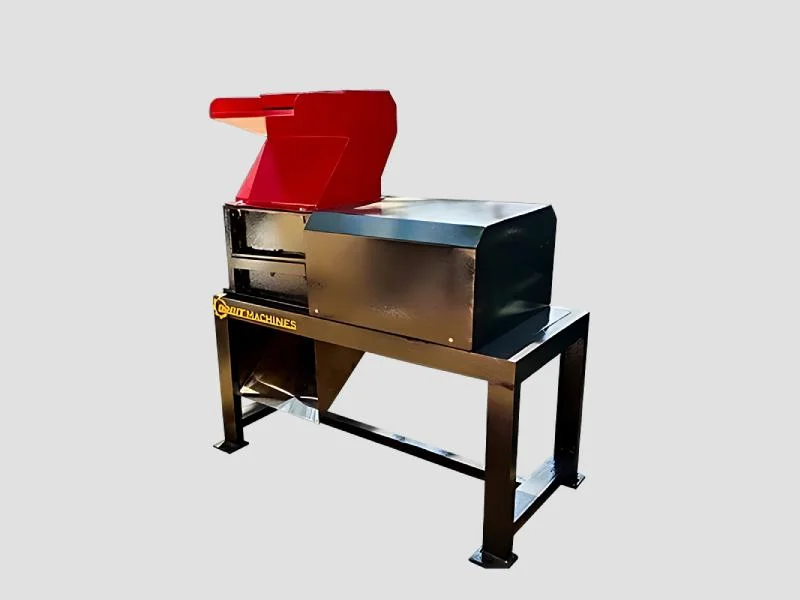
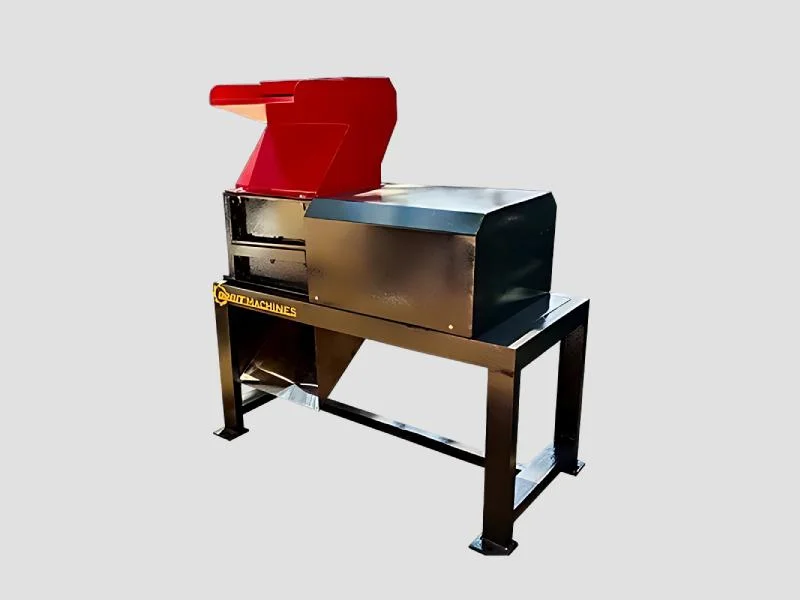
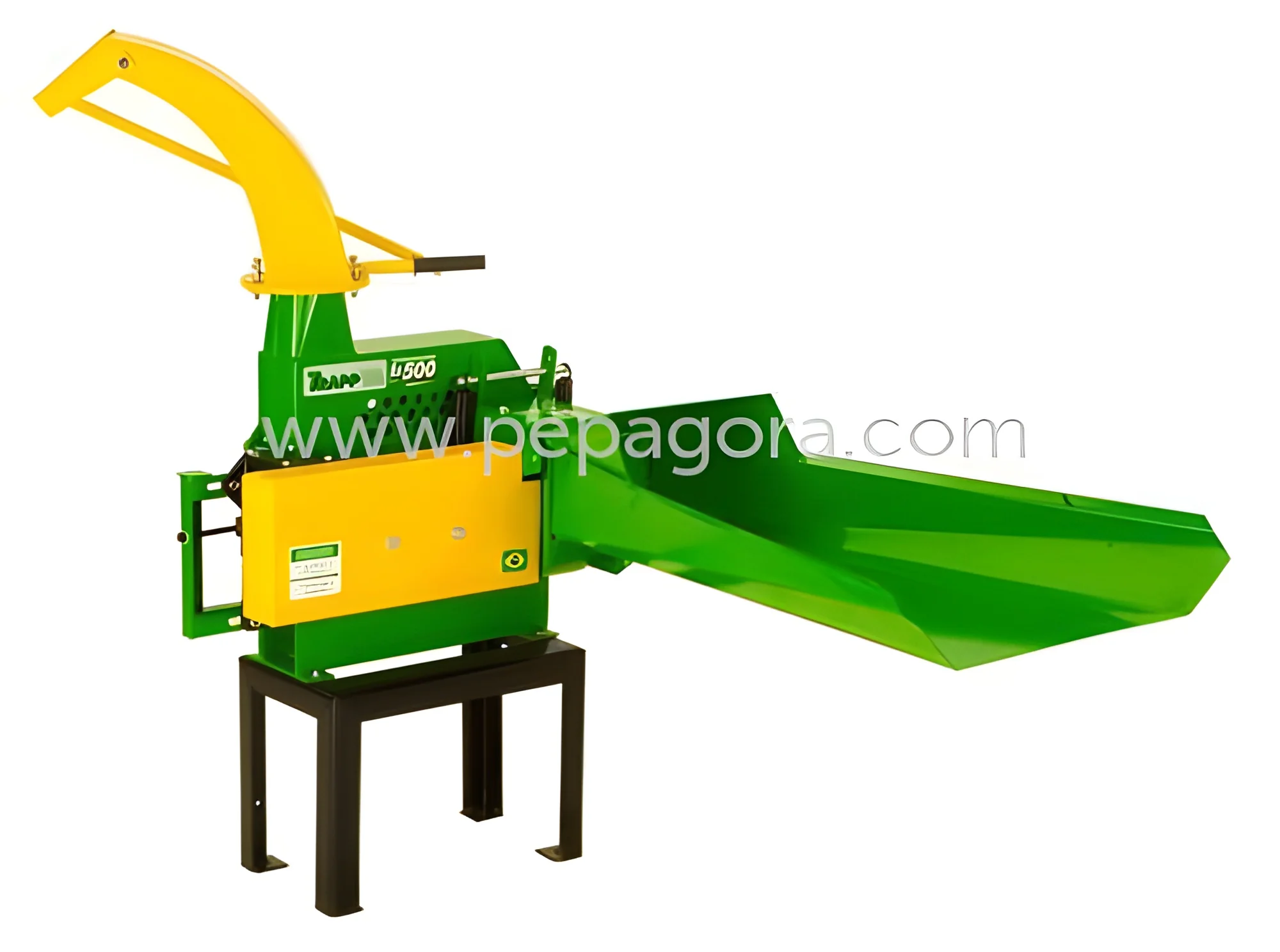
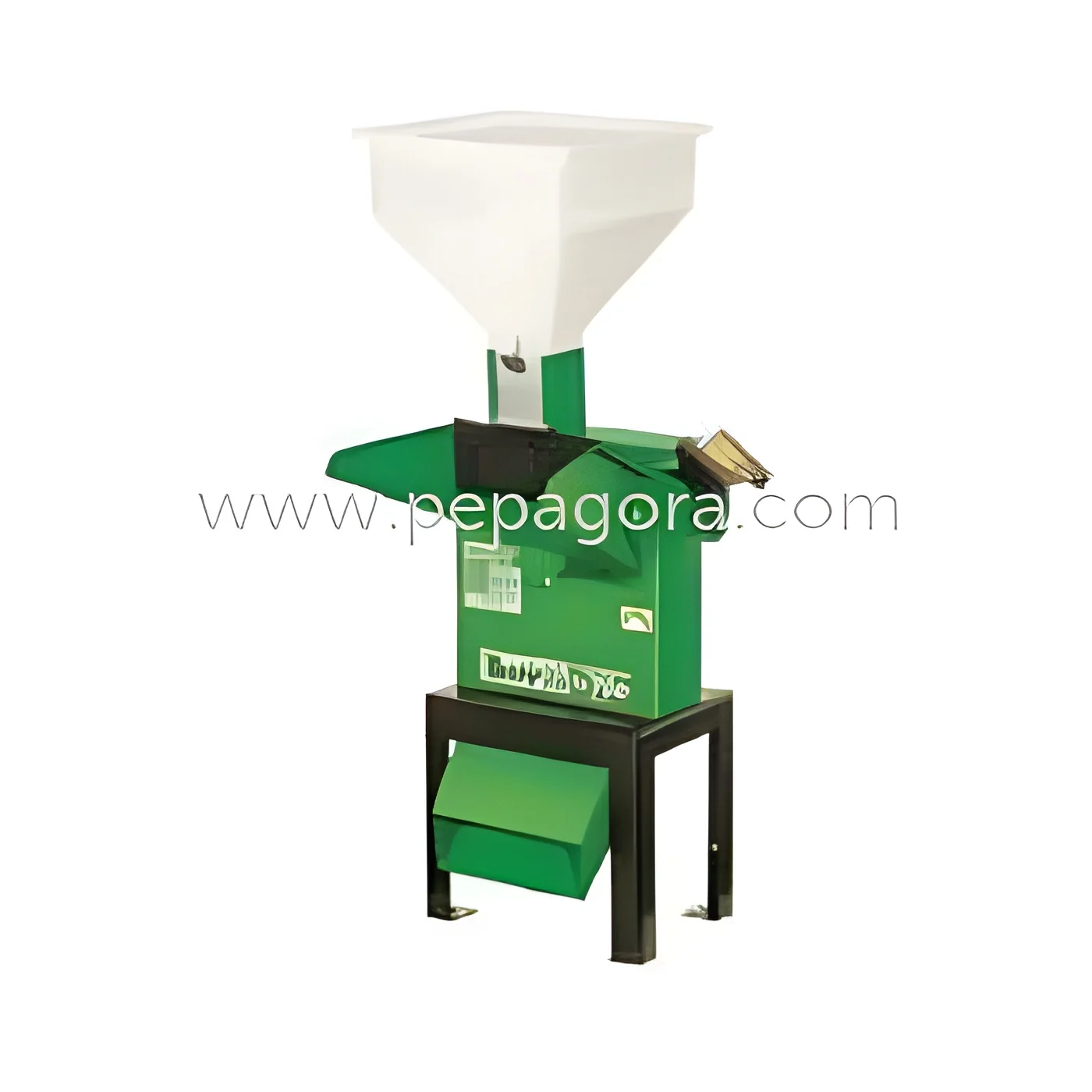
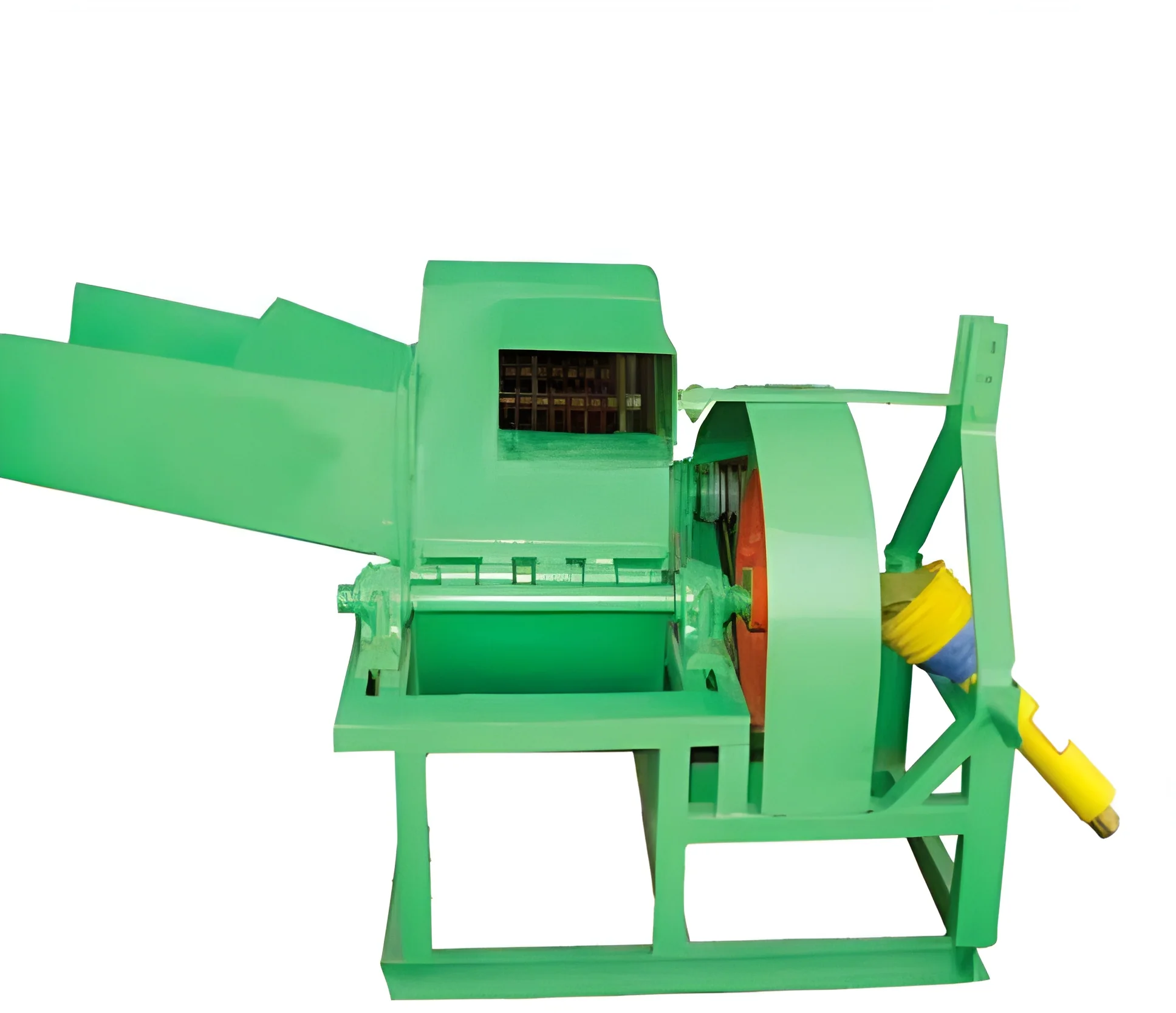
Garden shredders are specialized machines designed to reduce garden waste into smaller, manageable pieces. These machines operate by grinding, cutting, or shredding organic materials such as leaves, branches, and grass clippings. The primary aim is to facilitate composting, improve ground cover, or prepare materials for disposal. Depending on the design and power of the machine, garden shredders can handle various sizes of debris, making them essential tools for both residential and commercial landscaping.
The main applications of garden shredders extend to landscaping services, horticulture, and agricultural businesses. They are invaluable for reducing the volume of organic waste, which can otherwise accumulate quickly. Professionals in these industries use these machines to maintain cleanliness, promote sustainability, and create mulch for soil enrichment. As environmental concerns grow, the importance of efficient waste management solutions like garden shredders has become increasingly relevant in today's market.
Key Features and Specifications
Garden shredders come equipped with various features that enhance their functionality and ease of use. Understanding these specifications is crucial for B2B buyers seeking effective solutions for waste management.
Key specifications include:
1. Power Source
- Electric or petrol-powered options
- Power ratings typically range from 1,500 to 6,000 watts
2. Cutting Mechanism
- Blades or hammers for shredding
- Varying shredding capacities from 40 mm to 80 mm diameter limbs
3. Feed Capacity
- Maximum feed size for branches and other materials
- Typical maximum feed size ranges from 40 mm to 100 mm
4. Weight
- Machine weight for portability considerations
- Common weights range from 15 kg to 50 kg
5. Noise Level
- Operating decibel levels
- Average noise levels range from 85 dB to 110 dB
6. Safety Features
- Emergency shut-off, overload protection
- Compliance with safety standards like CE certification
7. Mobility
- Wheel type and frame design for easy transport
- Some models include collapsible handles for storage
8. Warranty
- Duration and coverage details
- Common warranty periods range from 1 to 3 years
In summary, understanding the features and specifications of garden shredders helps businesses choose the right equipment for their waste management needs.
Common Applications and Use Cases
Garden shredders serve various industries, making them versatile tools for waste management and land maintenance.
1. Landscaping: Landscaping companies use garden shredders to process waste generated during projects. This helps reduce disposal costs and provides mulch for new plantings.
2. Horticulture: Nurseries and greenhouses utilize shredders to manage organic waste, ensuring a clean and productive growing environment. The shredded material can also be used as compost.
3. Agriculture: Farmers employ garden shredders to manage plant debris from crops. This practice promotes soil health and reduces the need for chemical fertilizers.
4. Municipal Services: Local governments use shredders for curbside collection of yard waste. This helps promote recycling and reduces landfill use.
5. Garden Maintenance: Homeowners and gardening services use shredders to maintain residential gardens. They can easily convert garden waste into mulch for landscaping.
6. Environmental Organizations: These organizations employ shredders to manage waste from community clean-up initiatives, promoting sustainability.
7. Tree Services: Arborists utilize shredders to dispose of branches and tree debris efficiently, enhancing their service offerings.
Product Variants and Subcategories
Garden shredders come in various configurations, each tailored to specific needs and applications.
Electric Garden Shredders: These models are suitable for residential use and smaller landscaping projects. They are quieter, more environmentally friendly, and easy to operate.
Petrol Garden Shredders: Designed for heavy-duty applications, petrol models offer greater power and can handle larger branches. They are ideal for professional landscapers and agricultural use.
Compact Shredders: Smaller, lightweight shredders are perfect for home gardeners. They provide ease of use and storage while effectively managing garden waste.
Heavy-Duty Shredders: These robust machines are engineered for extensive commercial use, capable of handling larger volumes of organic material with enhanced durability.
Benefits and Advantages
Using garden shredders presents numerous advantages for businesses and individuals alike.
1. Efficient Waste Reduction: Garden shredders significantly reduce the volume of organic waste, making disposal easier and more cost-effective.
2. Improved Soil Health: Shredded materials can be repurposed as mulch or compost, enriching the soil with nutrients and promoting healthier plant growth.
3. Time-Saving: These machines expedite the process of waste management, allowing users to complete tasks more quickly and efficiently.
4. Eco-Friendly Solution: By recycling garden waste, shredders contribute to sustainability efforts and reduce the need for landfill space.
5. Versatile Applications: Ideal for a range of industries, garden shredders can cater to both residential and commercial needs.
6. Enhanced Aesthetics: Regular use of shredders helps maintain clean and tidy gardens, improving the overall appearance of landscapes.
Buying Guide for B2B Buyers
When sourcing garden shredders, businesses should consider several key factors to make informed purchasing decisions.
1. Quality Assessment: Evaluate the machine's build quality, materials used, and reviews from other users. High-quality shredders are more reliable and have longer lifespans.
2. Supplier Verification: It is essential to vet suppliers for credibility and reliability. Check for customer testimonials and industry certifications to ensure you are dealing with reputable companies.
3. Pricing and MOQ: Understand the pricing structure and minimum order quantities. Comparing prices from multiple suppliers can help in getting the best deal.
4. Delivery and Lead Times: Discuss delivery schedules and lead times with suppliers to ensure timely receipt of equipment. This is crucial for project planning.
5. Compliance Requirements: Ensure that the shredders meet any relevant local or international compliance standards. This may include safety and environmental regulations.
Compliance and Certifications
Garden shredders must meet specific quality and safety standards to ensure reliability and performance. Compliance with ISO 9001 ensures that manufacturers adhere to quality management principles, providing assurance of consistent product quality.
The CE marking is crucial for garden shredders sold in Europe, indicating compliance with health, safety, and environmental protection standards. It signifies that products meet European Union requirements.
Safety and testing requirements typically include comprehensive assessments to ensure that shredders operate safely under various conditions. Manufacturers should conduct thorough testing to meet industry standards.
Regional compliance considerations may vary depending on local laws and regulations. Businesses should stay informed about specific requirements in their area to ensure compliance and avoid potential legal issues.
Why Source Garden Shredders from Pepagora?
Pepagora offers a trusted platform for sourcing garden shredders with several key advantages that benefit B2B buyers.
Verified Supplier Network: Pepagora collaborates with a network of verified suppliers, ensuring that buyers can find high-quality garden shredders. This verification process reduces the risk of purchasing subpar products.
Streamlined RFQ Process: The platform simplifies the request for quotation (RFQ) process, allowing buyers to easily compare options from multiple suppliers. This efficiency saves time and aids in decision-making.
Trade Assurance and Support: Pepagora provides trade assurance, offering protection for buyers during transactions. This support helps foster trust and confidence in the purchasing process.
Regional Coverage: With a strong presence in India, the GCC, and Southeast Asia, Pepagora connects buyers with suppliers across these regions. This geographic reach enhances accessibility to various garden shredder models and options.

 India
 India
Frequently Asked Questions
What are Garden Shredders?
Garden shredders are machines designed to reduce garden waste such as branches, leaves, and other organic materials into smaller pieces. This process helps in composting and recycling garden waste, making it easier to dispose of or repurpose.
What are the different types of Garden Shredders?
There are mainly two types of garden shredders: electric and petrol-powered. Electric shredders are generally quieter and more suitable for smaller gardens, while petrol-powered shredders are more powerful and can handle larger branches and tougher materials.
How do I choose the right Garden Shredders?
When choosing a garden shredder, consider factors such as the size of your garden, the type of waste you'll be shredding, and the machine's capacity. It's also important to look at the power source, weight, and mobility of the shredder to ensure it meets your needs.
What are the standard specifications for Garden Shredders?
Standard specifications for garden shredders often include motor power, shredding capacity (in mm), and weight. Additionally, features like noise levels, feed chute size, and safety mechanisms can also be important specifications to review.
What is the price range for Garden Shredders?
The price of garden shredders can vary widely based on their type and specifications, generally ranging from ₹5,000 to ₹50,000. Factors such as brand reputation, features, and power source also influence the pricing.
What quality standards apply to Garden Shredders?
Garden shredders are expected to meet various quality standards, including safety and performance regulations. Manufacturers often adhere to ISO standards and may have certifications that ensure the durability and reliability of their products.
Where can I find Garden Shredders suppliers in India?
You can find garden shredders suppliers in India through various online B2B marketplaces, industry trade shows, and local distributors. Websites like Pepagora.com are a good starting point to connect with reputable suppliers and manufacturers.
Can Garden Shredders be customized?
Yes, many manufacturers offer customization options for garden shredders, allowing you to tailor features like size, power, and additional functionalities to better suit your specific needs. It's advisable to discuss customization options directly with suppliers.
What is the typical minimum order quantity for Garden Shredders?
The typical minimum order quantity (MOQ) for garden shredders varies by supplier and can range from a single unit to multiple units. It is best to check with individual manufacturers or suppliers for their specific MOQ requirements.
What is the typical lead time for Garden Shredders?
The lead time for garden shredders can vary depending on the supplier, order size, and customization requirements, typically ranging from a few days to several weeks. It is advisable to confirm the expected lead time directly with the supplier before placing an order.
Why Businesses Trust Pepagora
Thousands of companies trust Pepagora to source smarter and sell faster
Expand Your Sales Globally

Source Smarter,Grow Faster
