𝗪𝗵𝗮𝘁 𝗮𝗿𝗲 𝗔𝗴𝗿𝗶𝗰𝘂𝗹𝘁𝘂𝗿𝗮𝗹 & 𝗚𝗮𝗿𝗱𝗲𝗻𝗶𝗻𝗴 𝗧𝗼𝗼𝗹𝘀?
Agricultural and gardening tools are essential implements used for various tasks in farming and horticulture. These tools range from simple hand tools to complex machinery designed to aid in planting, cultivating, and harvesting crops. They are crucial for enhancing productivity and efficiency in agricultural practices, allowing farmers and gardeners to manage their tasks effectively.
These tools are primarily used for soil preparation, planting, irrigation, pest control, and harvesting. Businesses in agriculture, landscaping, horticulture, and gardening rely on these tools for their daily operations. Proper use of agricultural and gardening tools can lead to increased yield and better crop quality, making them indispensable in the industry. The market for these tools is continually evolving, driven by technological advancements and increasing demand for sustainable farming practices.
𝗞𝗲𝘆 𝗙𝗲𝗮𝘁𝘂𝗿𝗲𝘀 𝗮𝗻𝗱 𝗦𝗽𝗲𝗰𝗶𝗳𝗶𝗰𝗮𝘁𝗶𝗼𝗻𝘀
Agricultural and gardening tools come with a variety of features and specifications that enhance their functionality and user experience. These specifications help buyers identify the right tools for their specific needs.
Key specifications include:
1. Material Quality
- Tools are often made from durable materials like stainless steel or high-carbon steel.
- These materials ensure longevity and resistance to rust and wear.
2. Ergonomic Design
- Handles are designed for comfort and ease of use, reducing strain on the user.
- Features may include non-slip grips and adjustable lengths.
3. Weight and Balance
- Tools are engineered to provide optimal weight distribution for ease of use.
- This helps in reducing fatigue during extended use.
4. Types of Tools
- Tools include hoes, shovels, trowels, pruners, and more specialized equipment.
- Each tool is designed for specific tasks within gardening and agriculture.
5. Size Variations
- Tools come in various sizes to cater to different user requirements and environments.
- Smaller tools are often used for detailed gardening tasks, while larger tools are used for extensive agricultural work.
6. Maintenance Requirements
- Many tools are designed for easy cleaning and maintenance.
- Some tools may require regular sharpening or lubrication to function optimally.
7. Compatibility with Accessories
- Many tools can be equipped with various attachments or accessories for added functionality.
- This allows for customization based on specific tasks.
8. Safety Features
- Some tools include safety guards or locking mechanisms to prevent accidents.
- Proper design features help ensure safe operation.
These specifications help businesses select tools that meet their operational demands and enhance overall efficiency.
𝗖𝗼𝗺𝗺𝗼𝗻 𝗔𝗽𝗽𝗹𝗶𝗰𝗮𝘁𝗶𝗼𝗻𝘀 𝗮𝗻𝗱 𝗨𝘀𝗲 𝗖𝗮𝘀𝗲𝘀
Agricultural and gardening tools serve a wide range of industries and applications. Their versatility makes them valuable across various sectors.
1. Agriculture: In farming, these tools are used for soil preparation, planting seeds, and harvesting crops. They increase efficiency and help manage large areas of land effectively.
2. Landscaping: Landscaping professionals use these tools for designing and maintaining outdoor spaces. Tools help in planting, pruning, and maintaining gardens and lawns.
3. Horticulture: Horticulturists use specialized tools for cultivating flowers, vegetables, and ornamental plants. These tools are vital for maintaining plant health and enhancing growth.
4. Urban Gardening: With the rise of urban gardening, tools adapted for small spaces and container gardening have gained popularity, allowing city dwellers to grow their own produce.
5. Forestry: Certain tools are essential for maintaining forest health, including those used for clearing underbrush and managing tree growth.
6. Greenhouses: Tools designed for indoor gardening and greenhouse management are crucial for optimizing plant growth in controlled environments.
7. Educational Institutions: Schools and universities often utilize gardening tools for educational programs in agriculture and environmental science, teaching students about sustainable practices.
𝗣𝗿𝗼𝗱𝘂𝗰𝘁 𝗩𝗮𝗿𝗶𝗮𝗻𝘁𝘀 𝗮𝗻𝗱 𝗦𝘂𝗯𝗰𝗮𝘁𝗲𝗴𝗼𝗿𝗶𝗲𝘀
Agricultural and gardening tools are diverse, catering to various needs and preferences. Although subcategories are not specified, several common variants exist.
Hand Tools
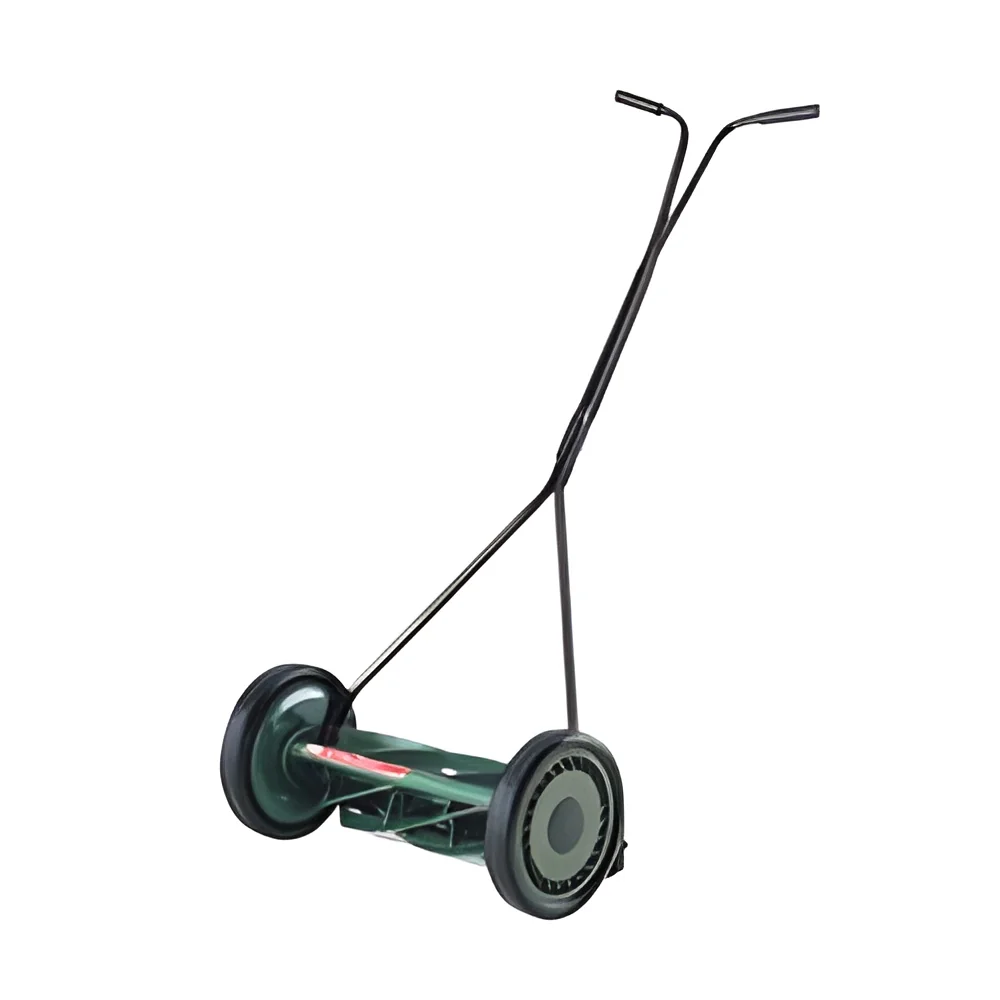
These tools include shovels, hoes, rakes, and trowels. They are designed for manual use, allowing for precision and control in gardening tasks.
Power Tools
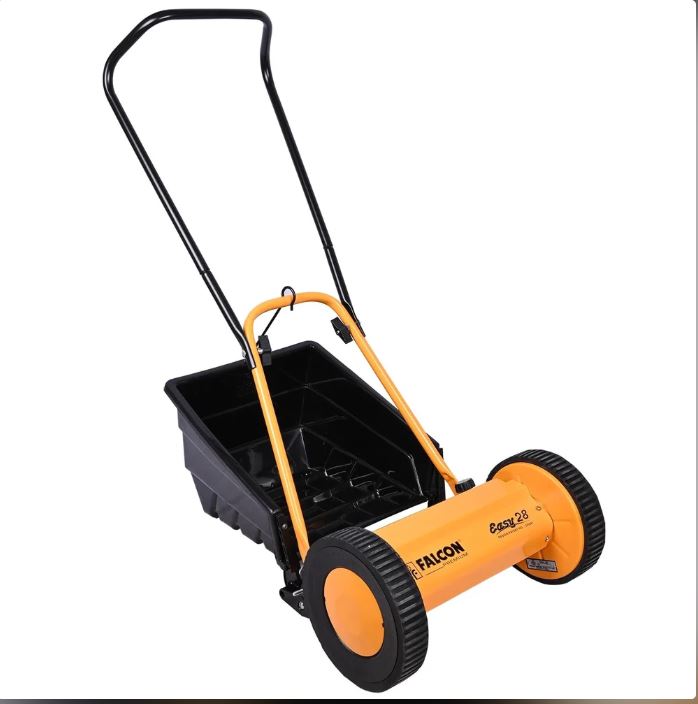
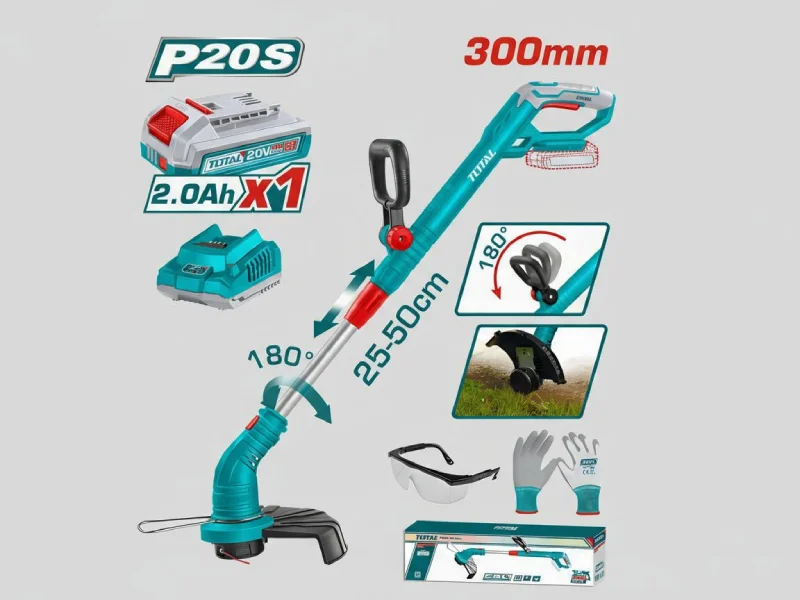
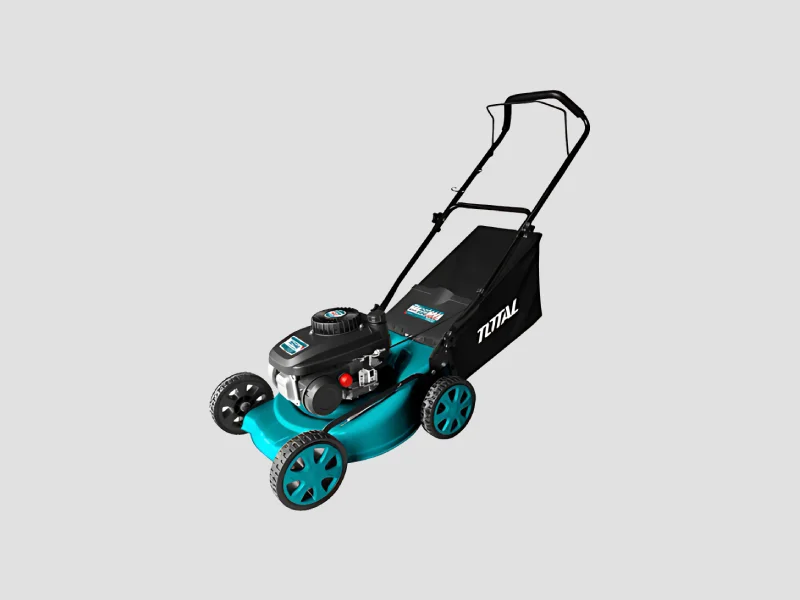
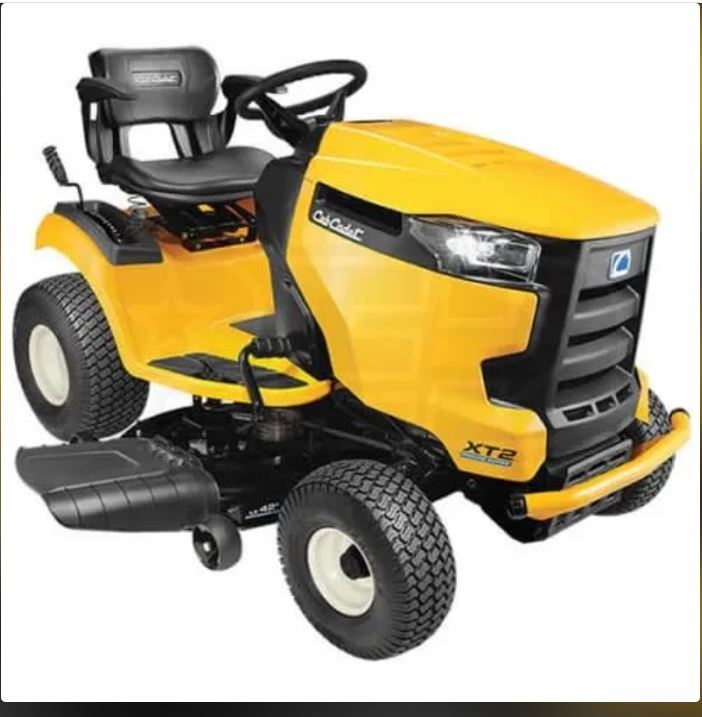
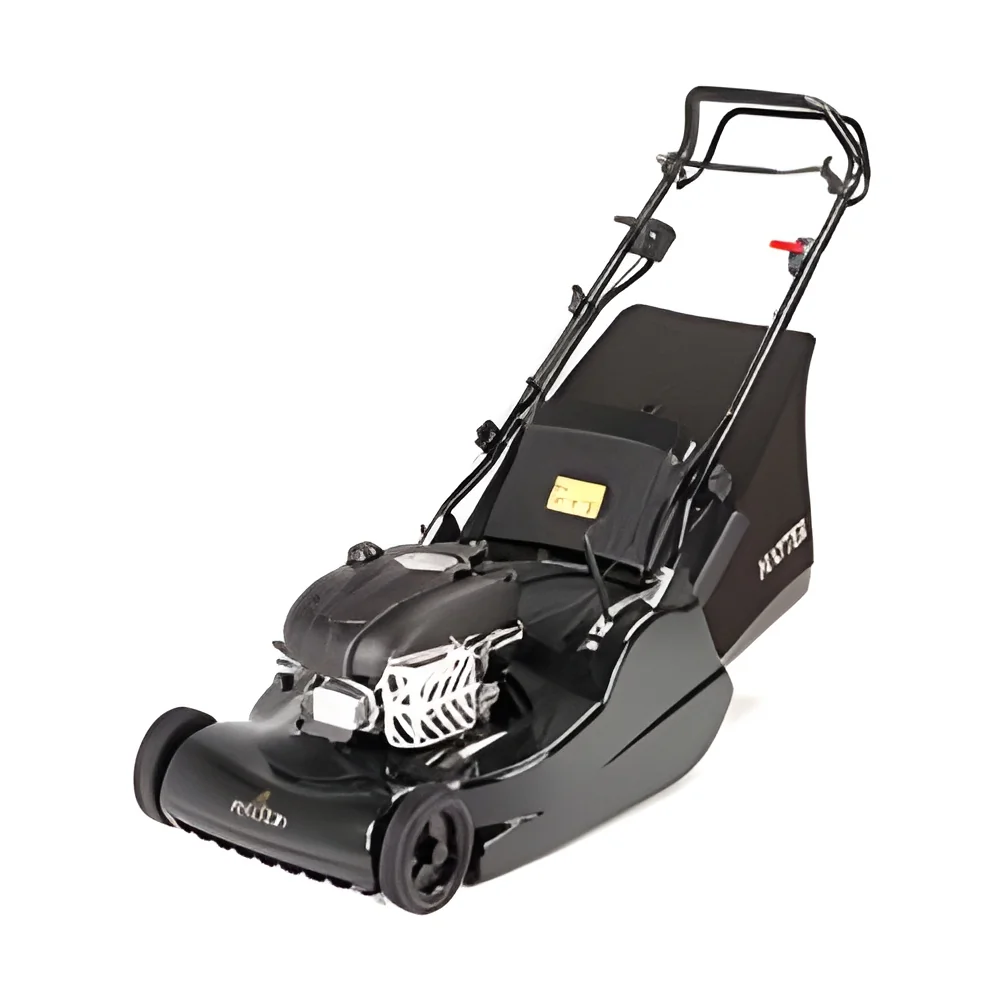
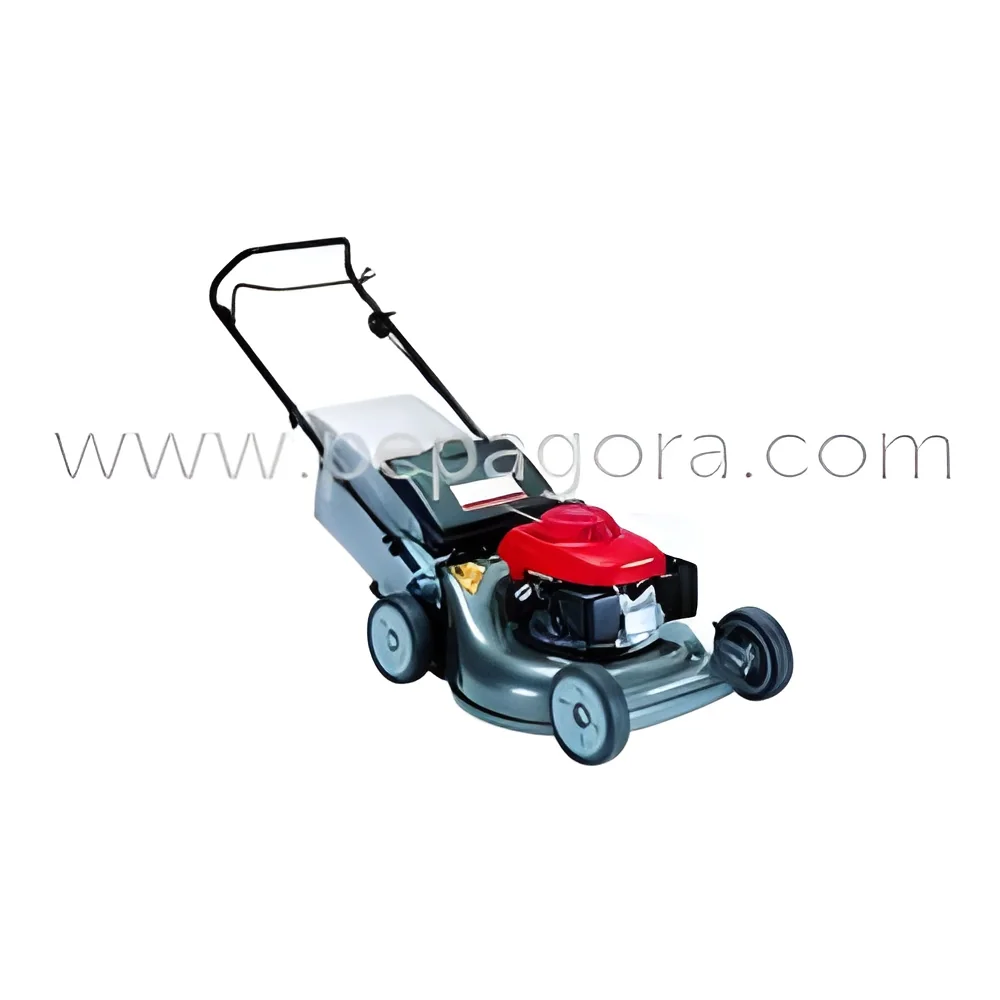
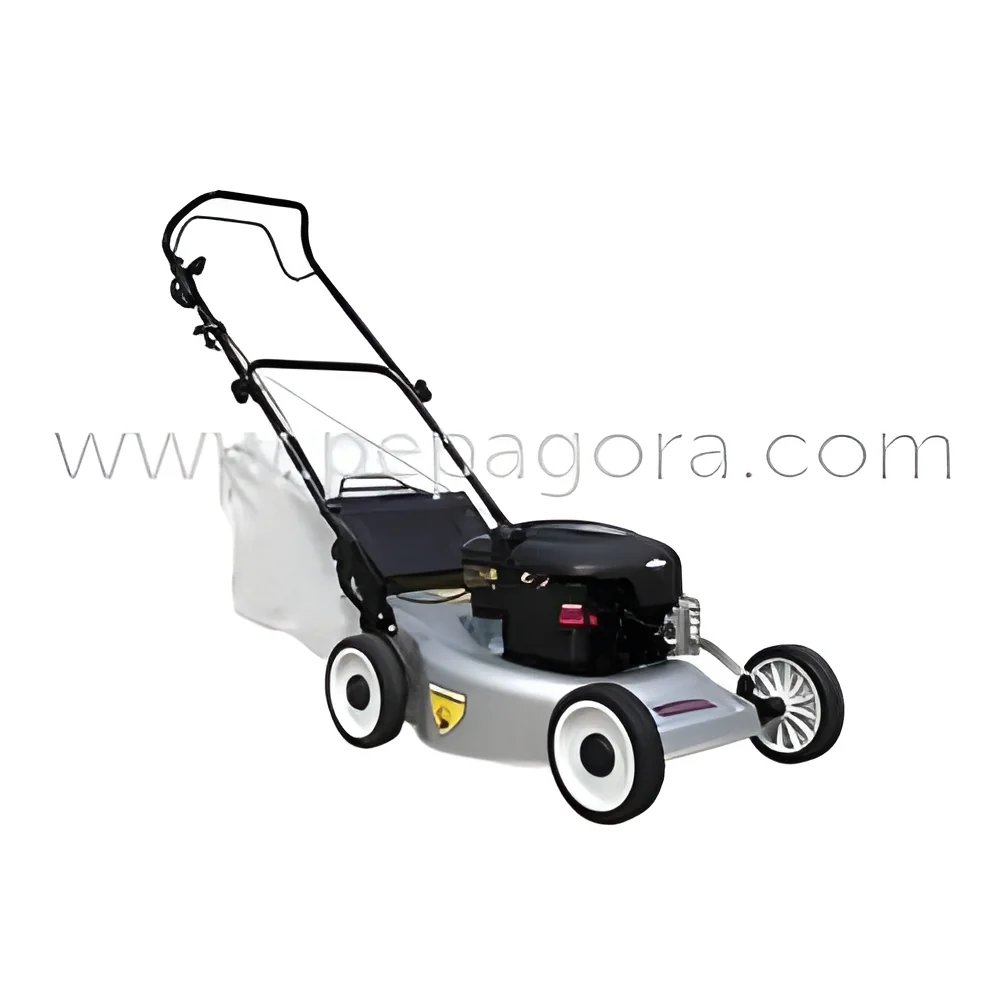
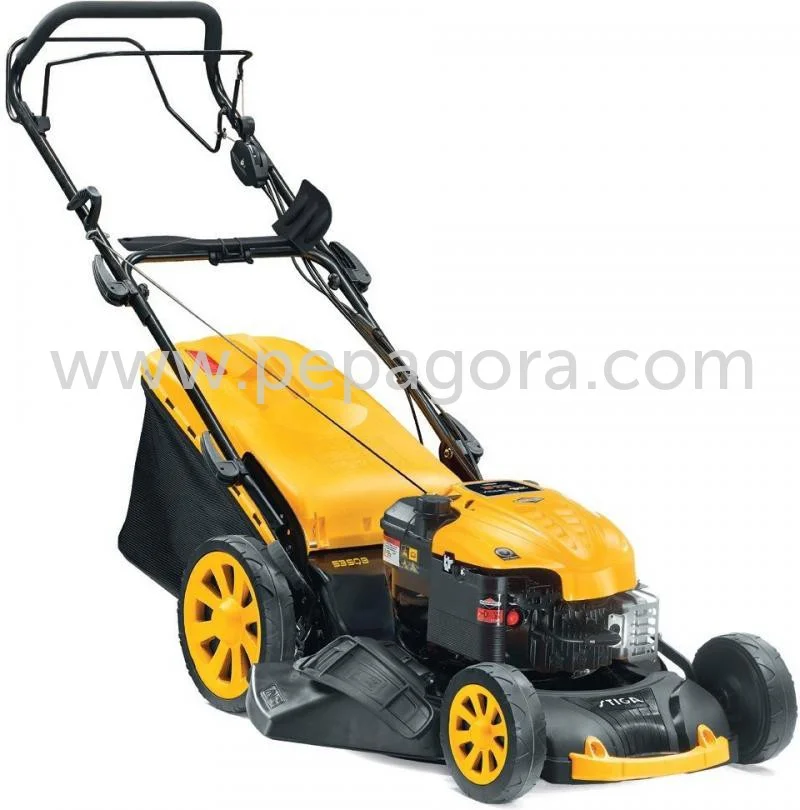
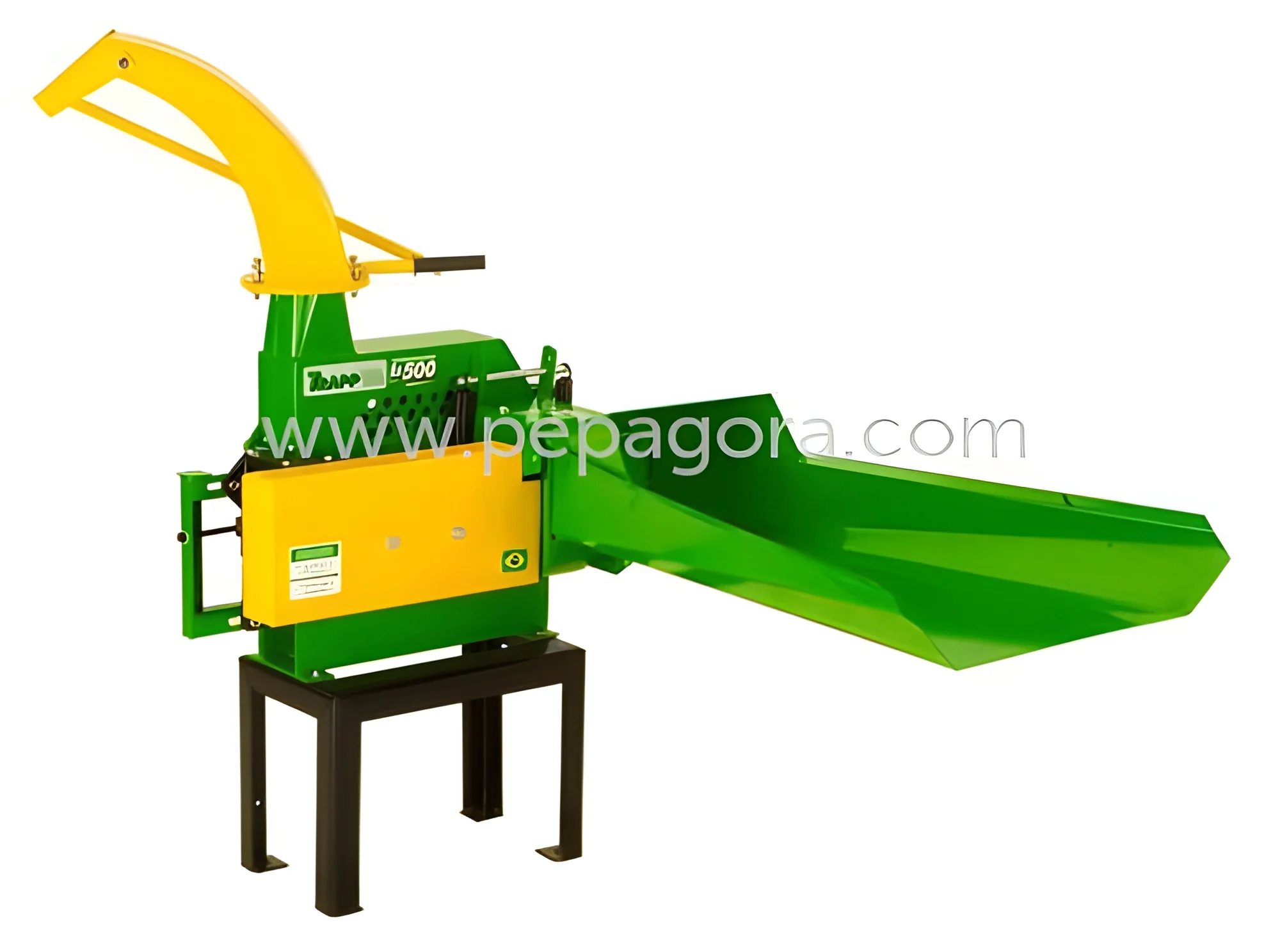
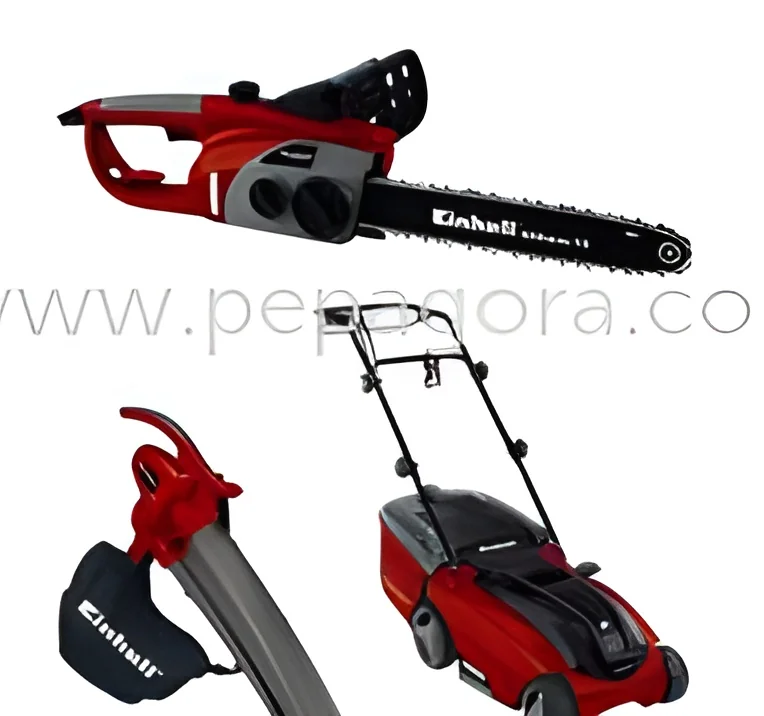
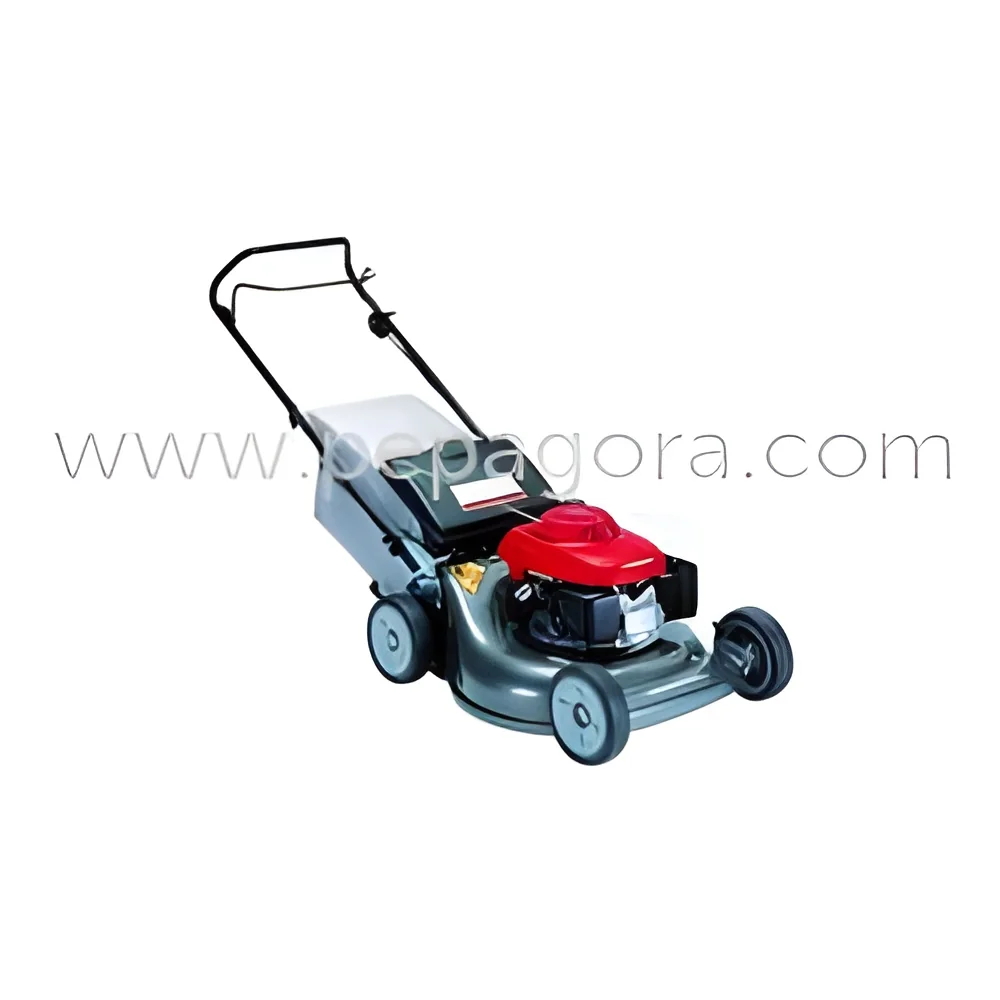
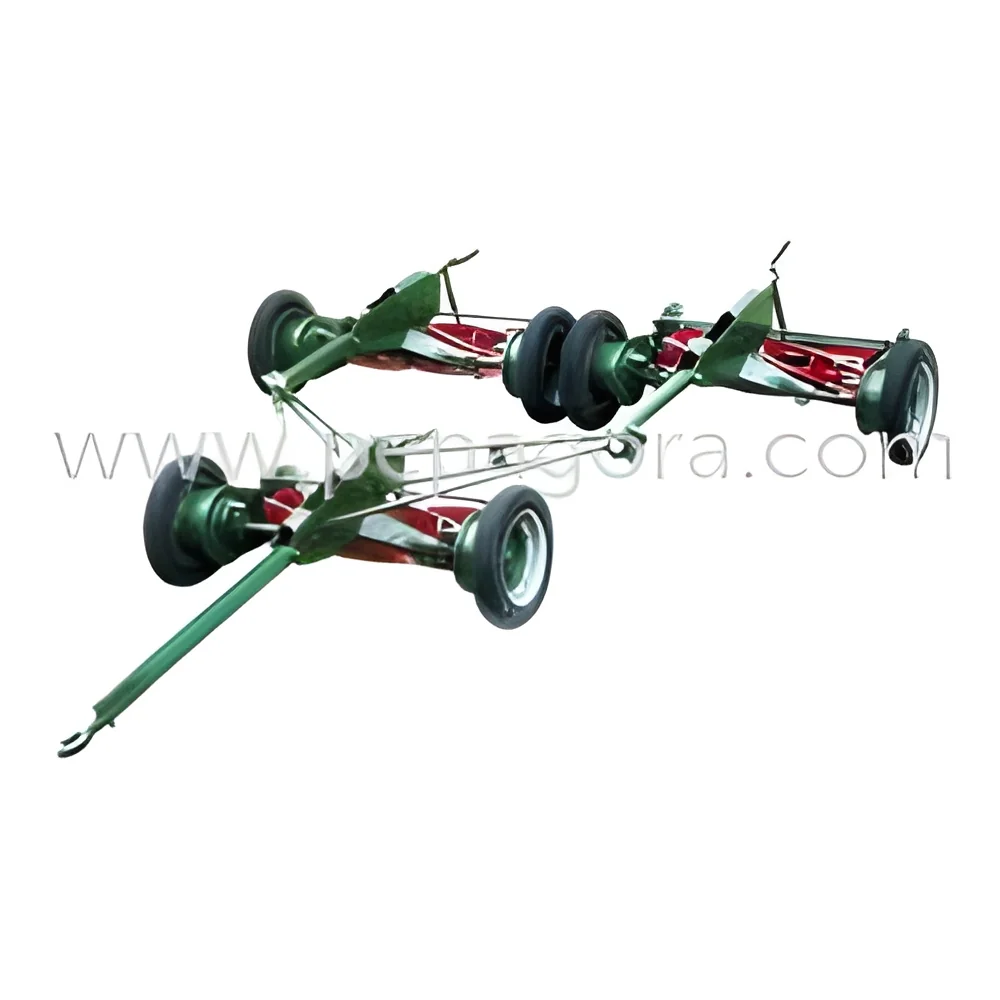
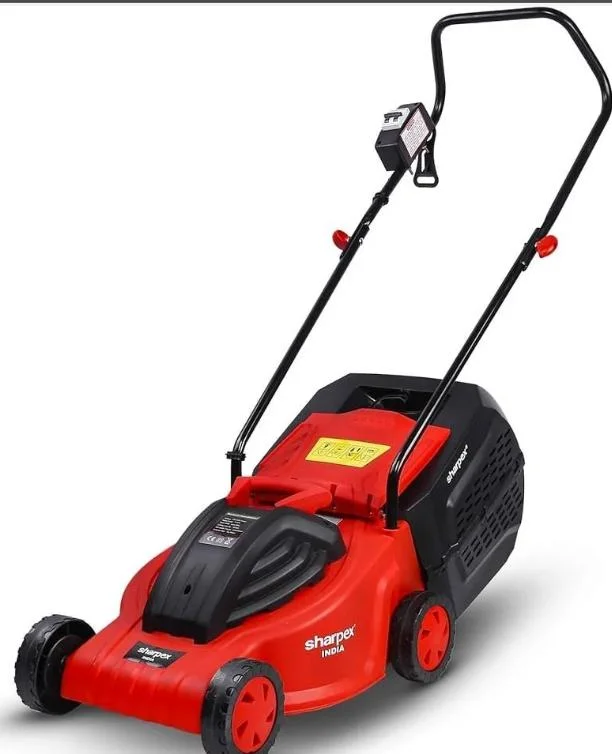
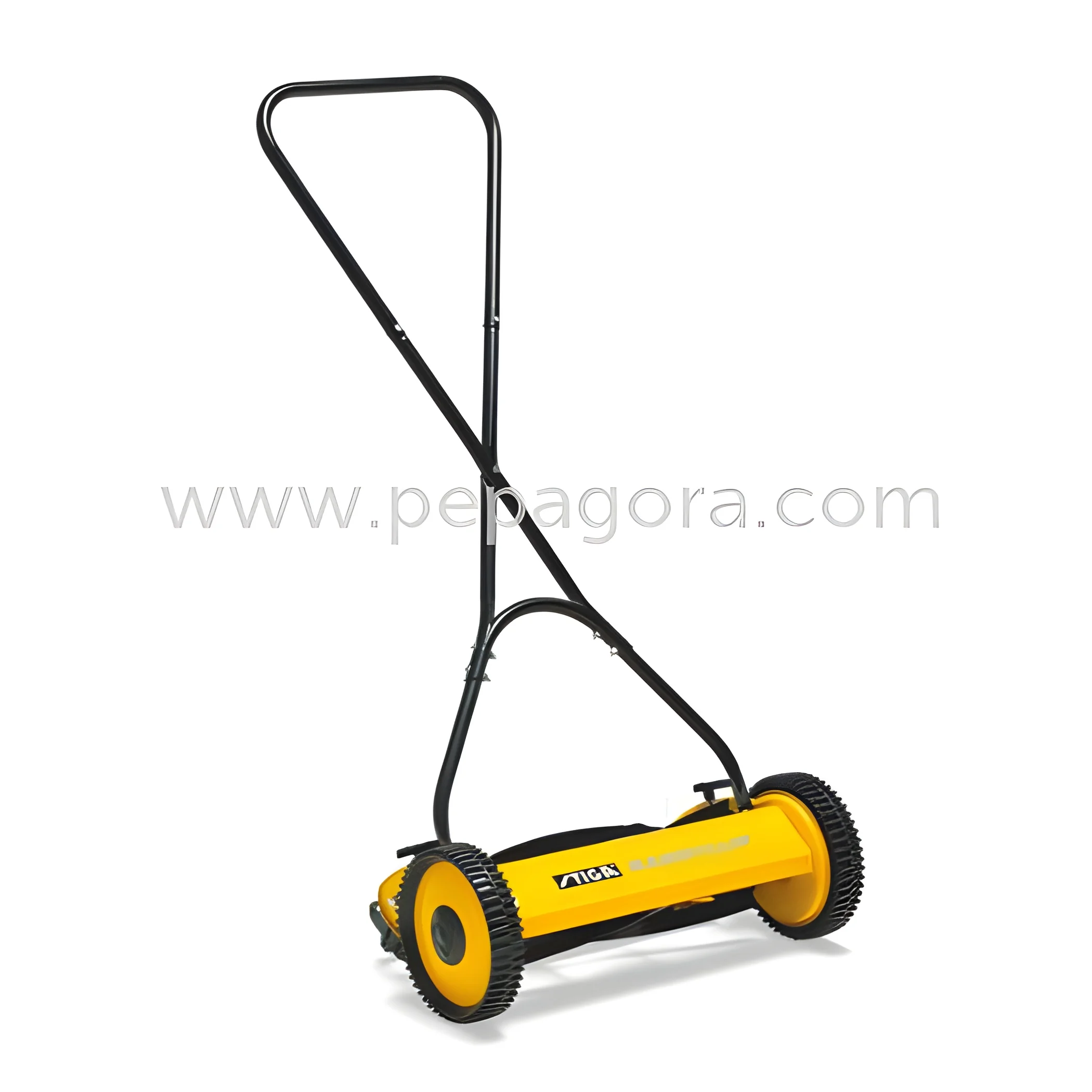
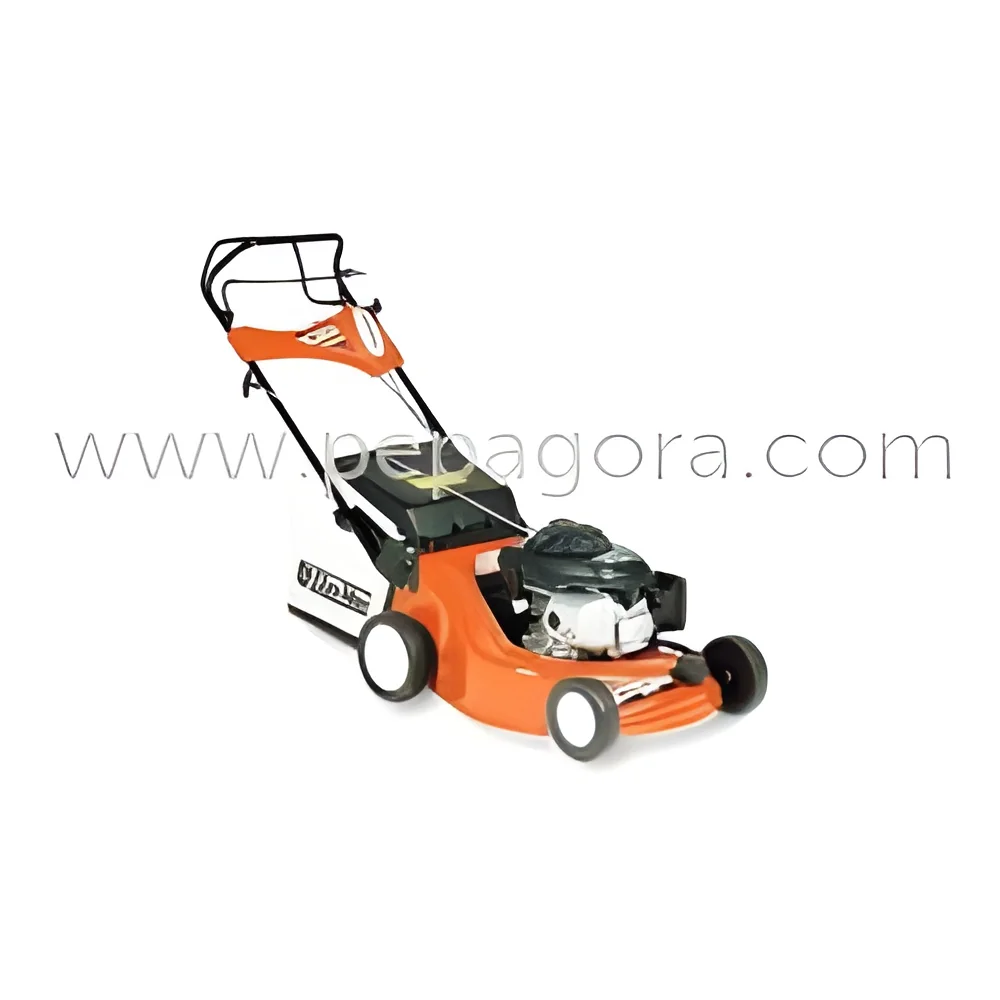
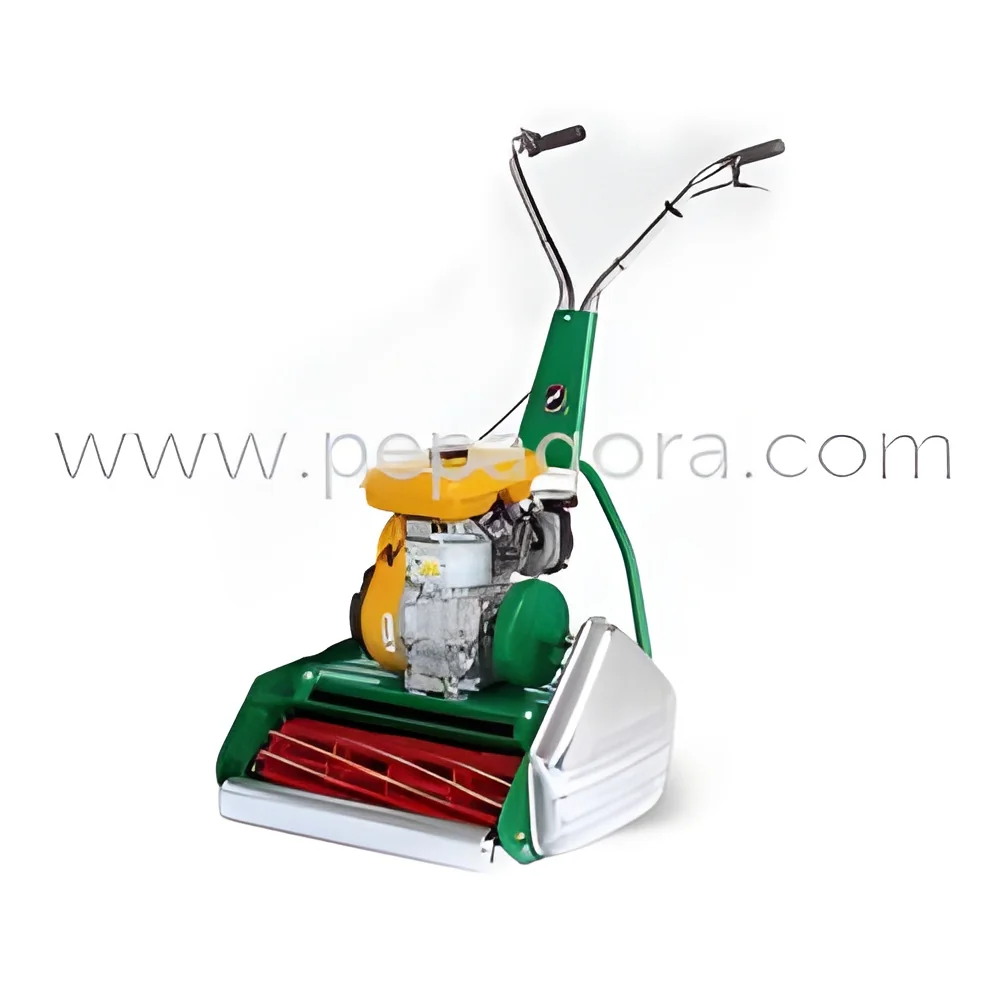
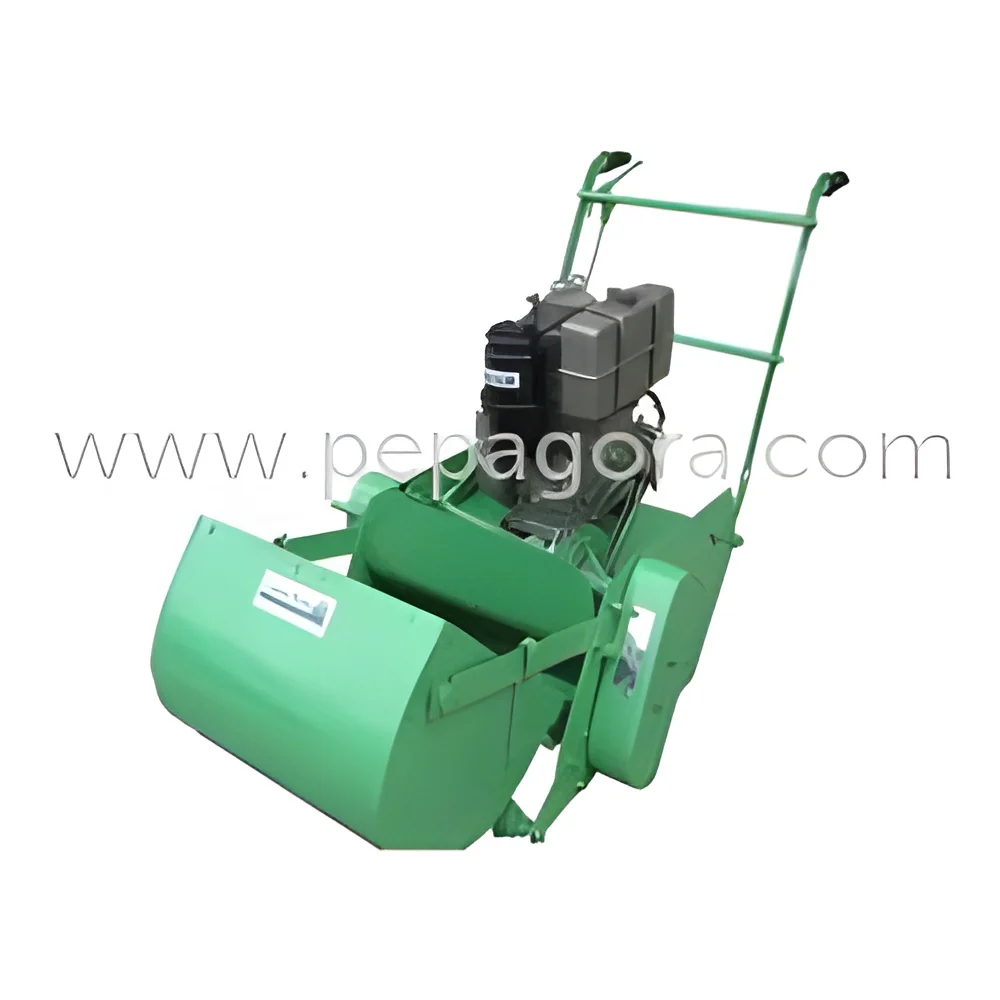
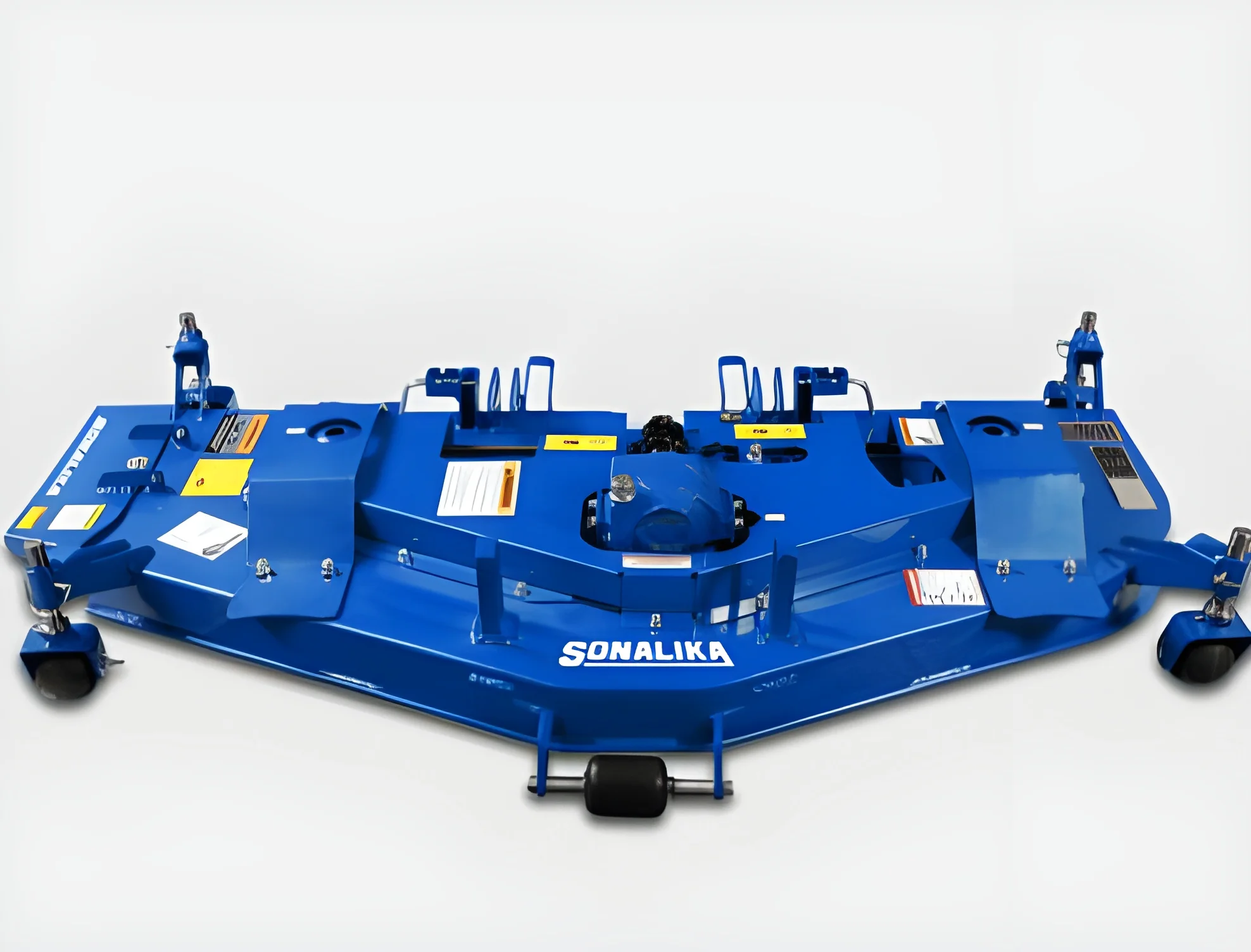
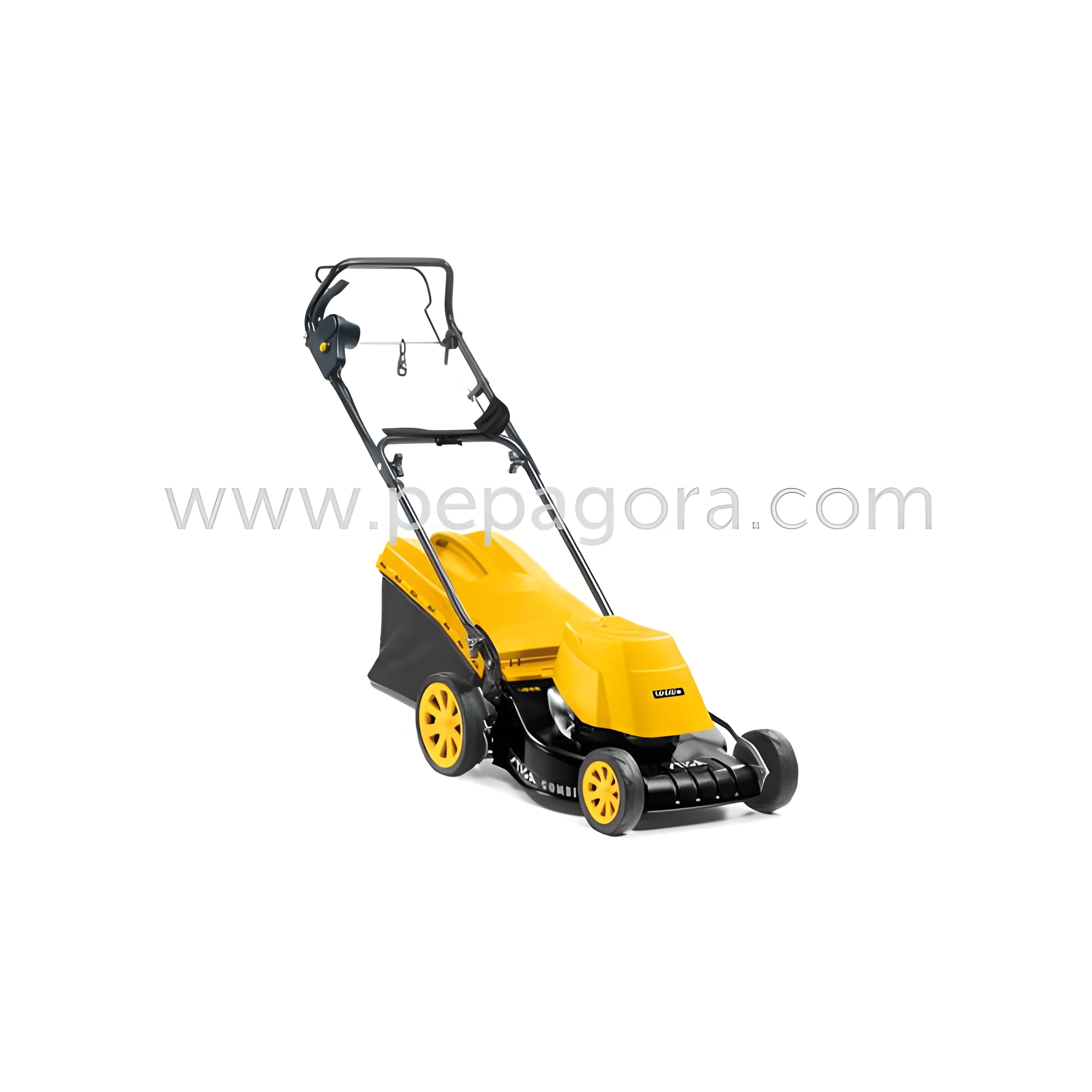
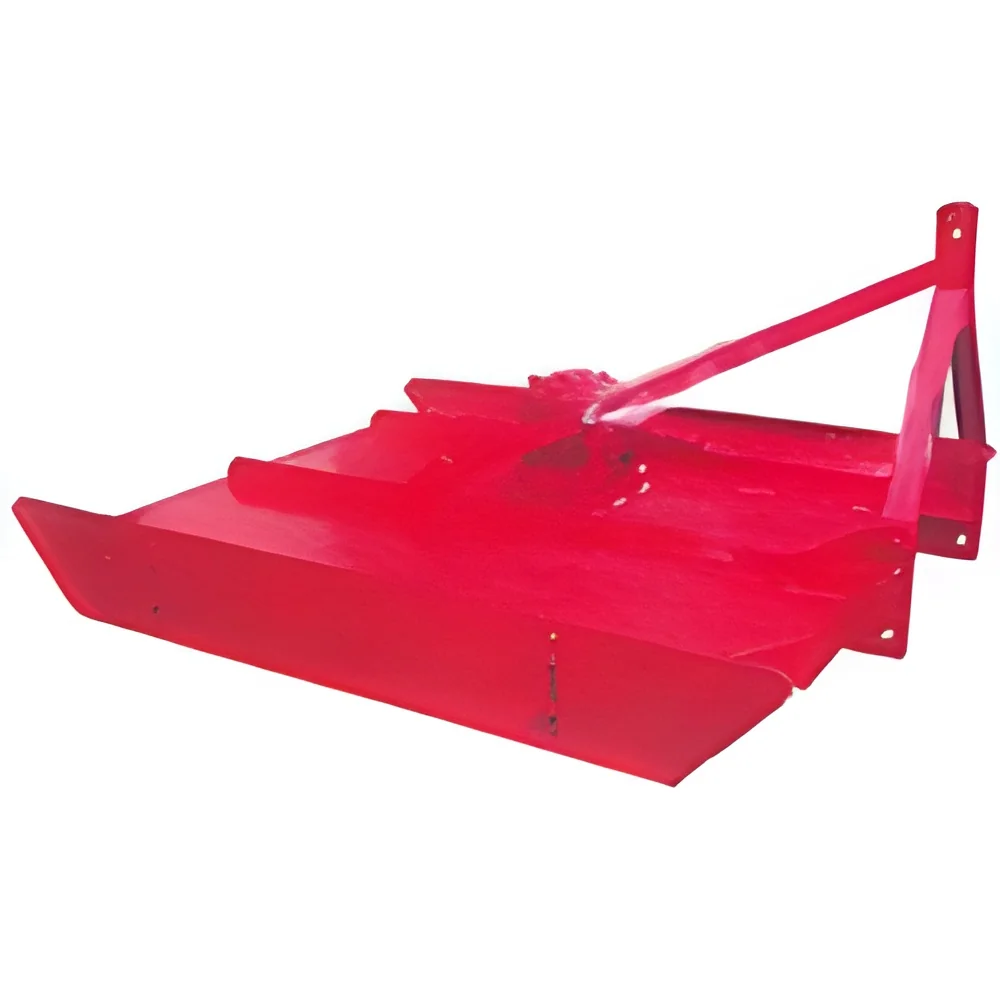
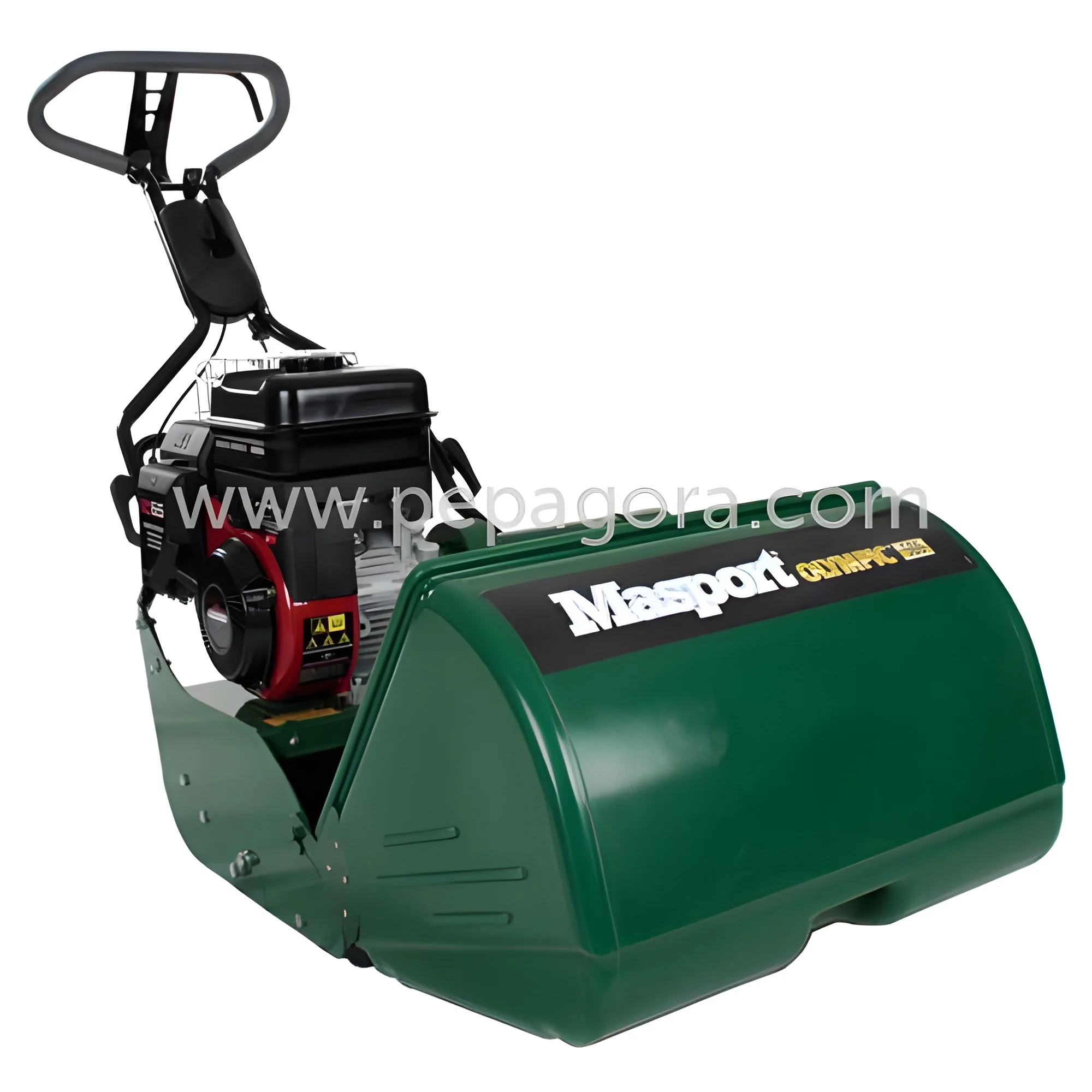
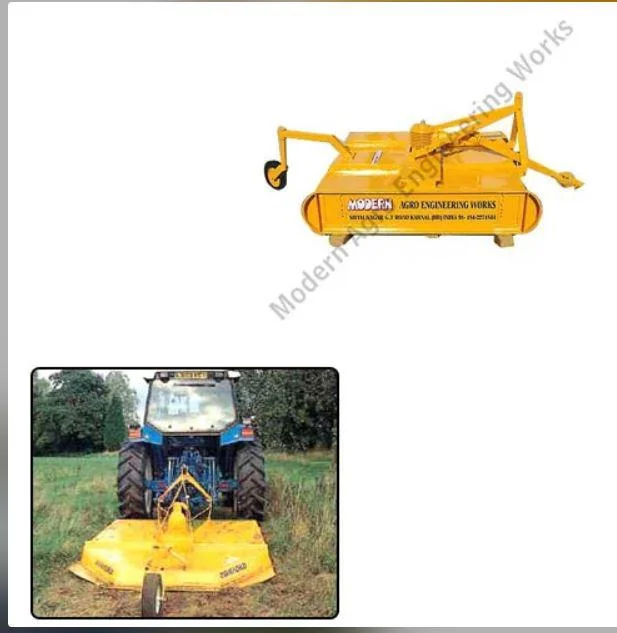
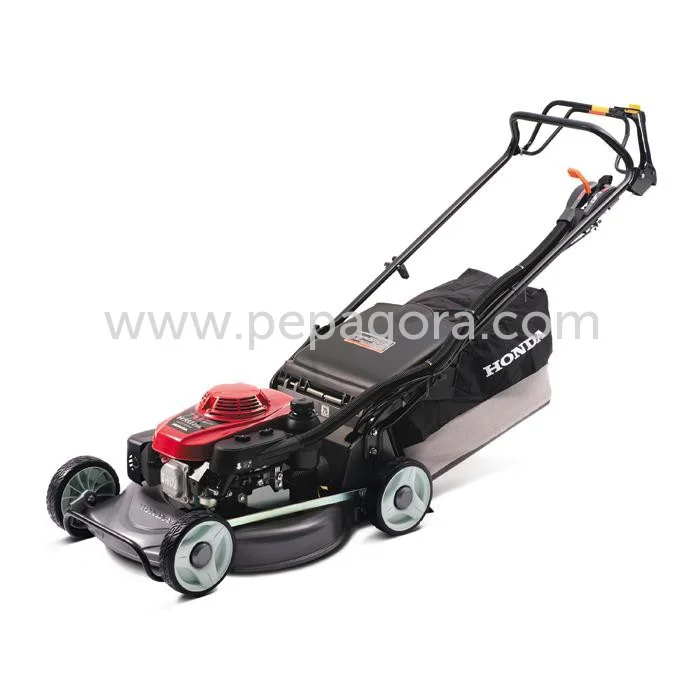
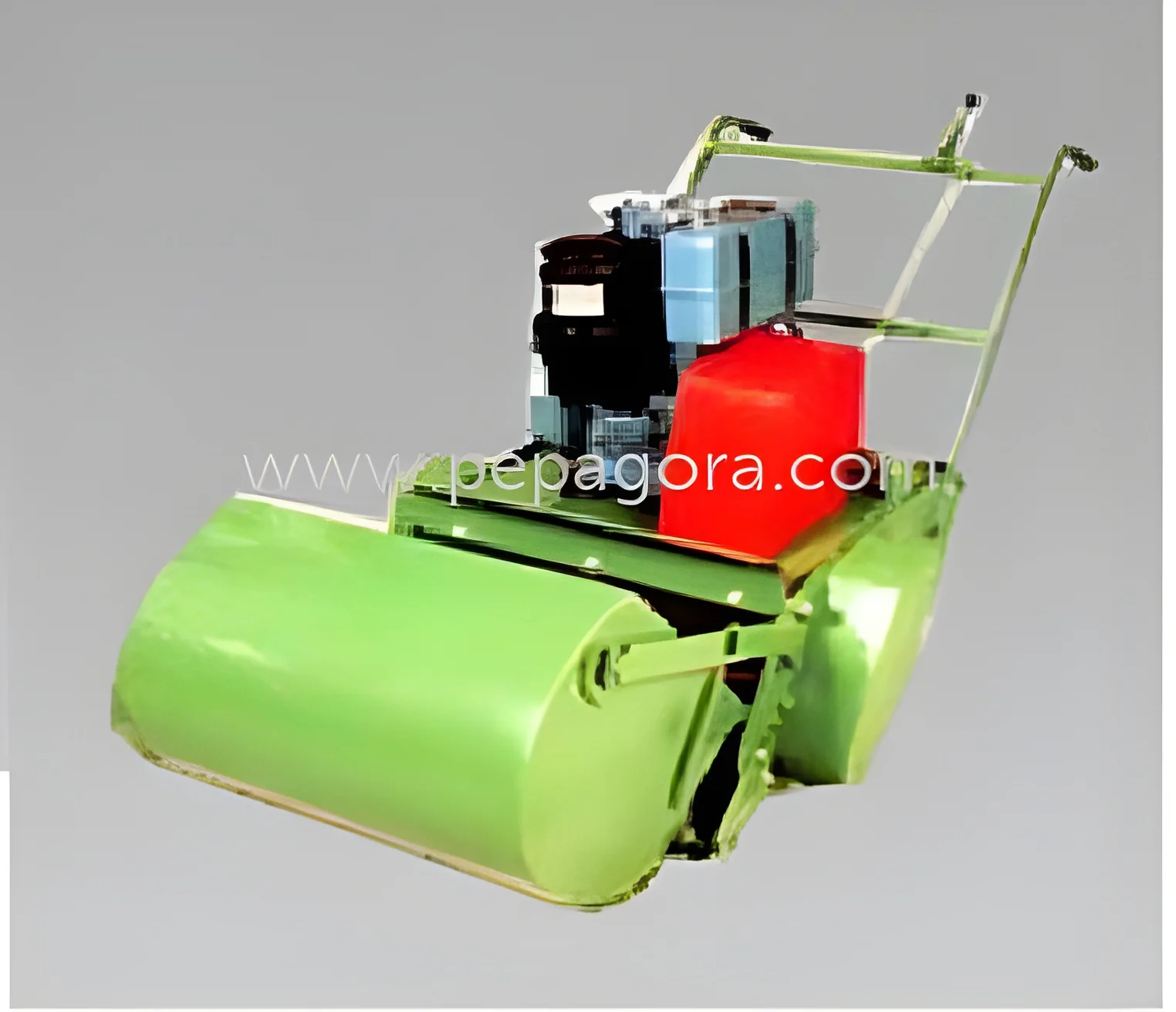
Motorized tools such as tillers and hedge trimmers fall under this category. They significantly reduce labor and increase efficiency in larger gardening and agricultural projects.
Specialized Tools
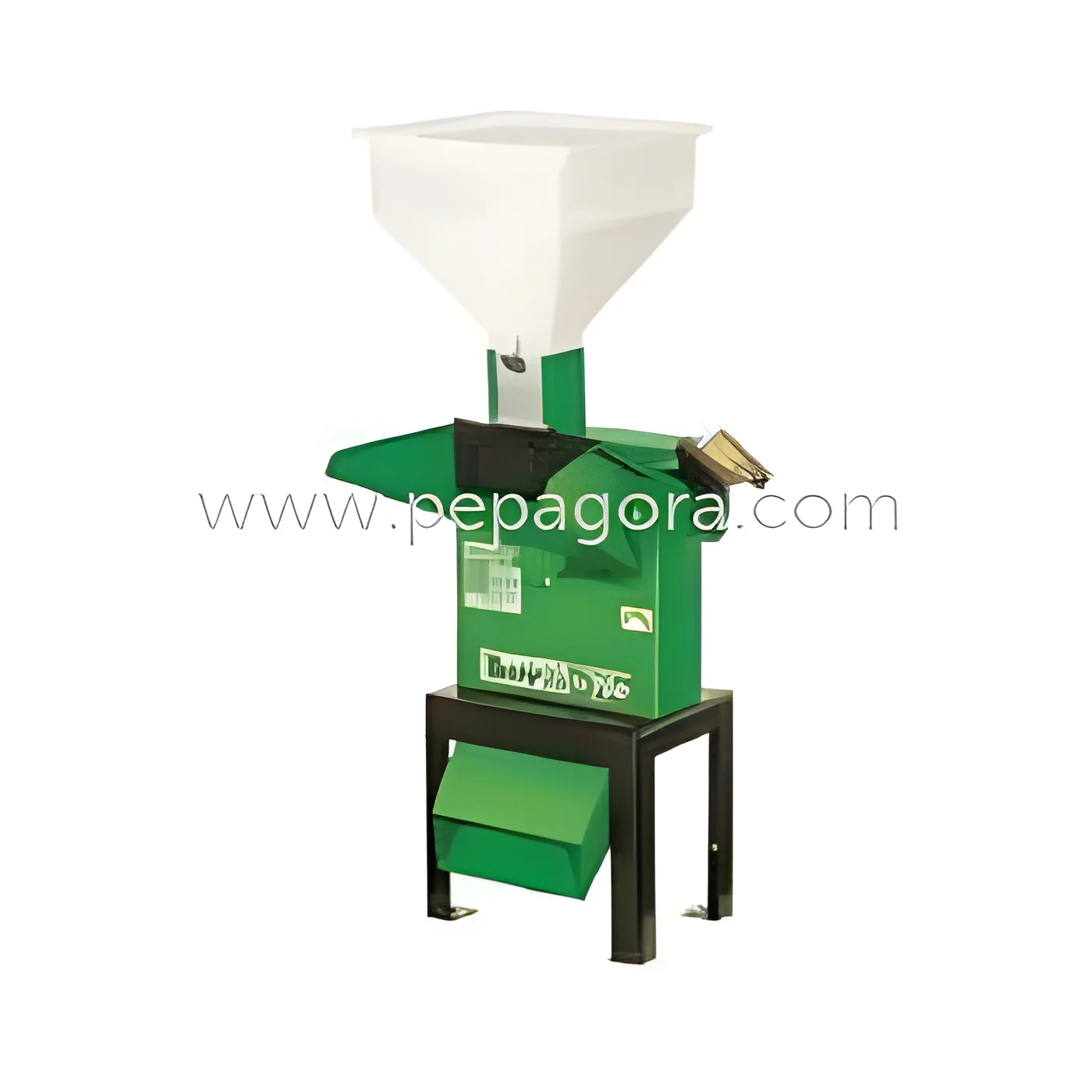
These include tools designed for specific tasks, such as seed drills, pruning shears, and soil testers. Specialized tools enhance productivity and ensure optimal results for particular applications.
𝗕𝗲𝗻𝗲𝗳𝗶𝘁𝘀 𝗮𝗻𝗱 𝗔𝗱𝘃𝗮𝗻𝘁𝗮𝗴𝗲𝘀
Investing in quality agricultural and gardening tools offers numerous advantages for businesses.
1. Increased Efficiency: High-quality tools are designed to perform tasks faster and with less effort, helping to save time and labor costs.
2. Improved Quality of Work: Using the right tools ensures tasks are completed to a higher standard, enhancing the overall quality of crops and gardening projects.
3. Enhanced Durability: Quality materials and construction lead to tools that last longer, reducing the need for frequent replacements.
4. Ergonomic Benefits: Tools designed with ergonomics in mind help reduce physical strain on users, promoting better health and comfort during use.
5. Versatility: Many tools can serve multiple functions or be adapted with accessories, making them suitable for various tasks across different industries.
6. Sustainability: Investing in durable and efficient tools can contribute to more sustainable practices in agriculture and gardening by reducing waste and energy consumption.
𝗕𝘂𝘆𝗶𝗻𝗴 𝗚𝘂𝗶𝗱𝗲 𝗳𝗼𝗿 𝗕𝟮𝗕 𝗕𝘂𝘆𝗲𝗿𝘀
When sourcing agricultural and gardening tools, B2B buyers should consider several important factors to ensure they make informed purchasing decisions.
1. Quality Assessment: Evaluate the quality of tools based on materials used, construction methods, and user reviews. High-quality tools are essential for durability and performance.
2. Supplier Verification: Vet suppliers thoroughly to ensure they are reputable and provide reliable products. Look for certifications and customer feedback to verify their credibility.
3. Pricing and MOQ: Consider pricing structures and minimum order quantities (MOQ) to ensure they align with your budget and needs. Compare options from various suppliers to find the best value.
4. Delivery and Lead Times: Understand the expected delivery times and logistics involved in receiving your order. Timely delivery is crucial for maintaining operational efficiency.
5. Compliance Requirements: Be aware of any regulatory or compliance requirements that apply to the tools being sourced. This includes quality standards and safety regulations that must be adhered to.
𝗖𝗼𝗺𝗽𝗹𝗶𝗮𝗻𝗰𝗲 𝗮𝗻𝗱 𝗖𝗲𝗿𝘁𝗶𝗳𝗶𝗰𝗮𝘁𝗶𝗼𝗻𝘀
Compliance and certifications are critical for ensuring that agricultural and gardening tools meet industry standards and safety requirements.
Relevant quality standards include ISO 9001, which focuses on quality management systems to ensure consistent quality in manufacturing processes. Compliance with HACCP (Hazard Analysis Critical Control Point) and GDP (Good Distribution Practices) may also be relevant for tools used in food production and distribution.
Industry certifications such as UL and CE indicate that products have been tested for safety and performance. These certifications provide assurance to buyers about the reliability and safety of the tools.
Safety and testing requirements vary by region and application, making it essential for buyers to confirm that tools meet local regulations. This ensures that tools are safe for use and compliant with industry standards.
𝗪𝗵𝘆 𝗦𝗼𝘂𝗿𝗰𝗲 𝗔𝗴𝗿𝗶𝗰𝘂𝗹𝘁𝘂𝗿𝗮𝗹 & 𝗚𝗮𝗿𝗱𝗲𝗻𝗶𝗻𝗴 𝗧𝗼𝗼𝗹𝘀 𝗳𝗿𝗼𝗺 𝗣𝗲𝗽𝗮𝗴𝗼𝗿𝗮?
Pepagora provides a trusted platform for sourcing agricultural and gardening tools with several key advantages that set it apart from competitors.
Verified Supplier Network: Pepagora connects buyers with a network of verified suppliers, ensuring that all listed products meet quality and safety standards. This verification process helps businesses make informed decisions when selecting suppliers.
Streamlined RFQ Process: The platform offers a streamlined Request for Quotation (RFQ) process that simplifies the procurement of tools. Buyers can easily compare quotes and options from multiple suppliers, enhancing their purchasing experience.
Trade Assurance and Support: Pepagora prioritizes buyer protection through trade assurance programs. This support helps mitigate risks associated with sourcing, providing peace of mind to businesses.
Regional Coverage: With a strong presence in India, the GCC, and Southeast Asia, Pepagora offers extensive regional coverage, making it easier for businesses to source tools tailored to local markets. This geographic reach ensures that buyers can access a diverse range of products and suppliers suited to their specific needs.

 IN
IN