
 IN
Lawn Mowers
30 products available
What are Lawn Mowers?
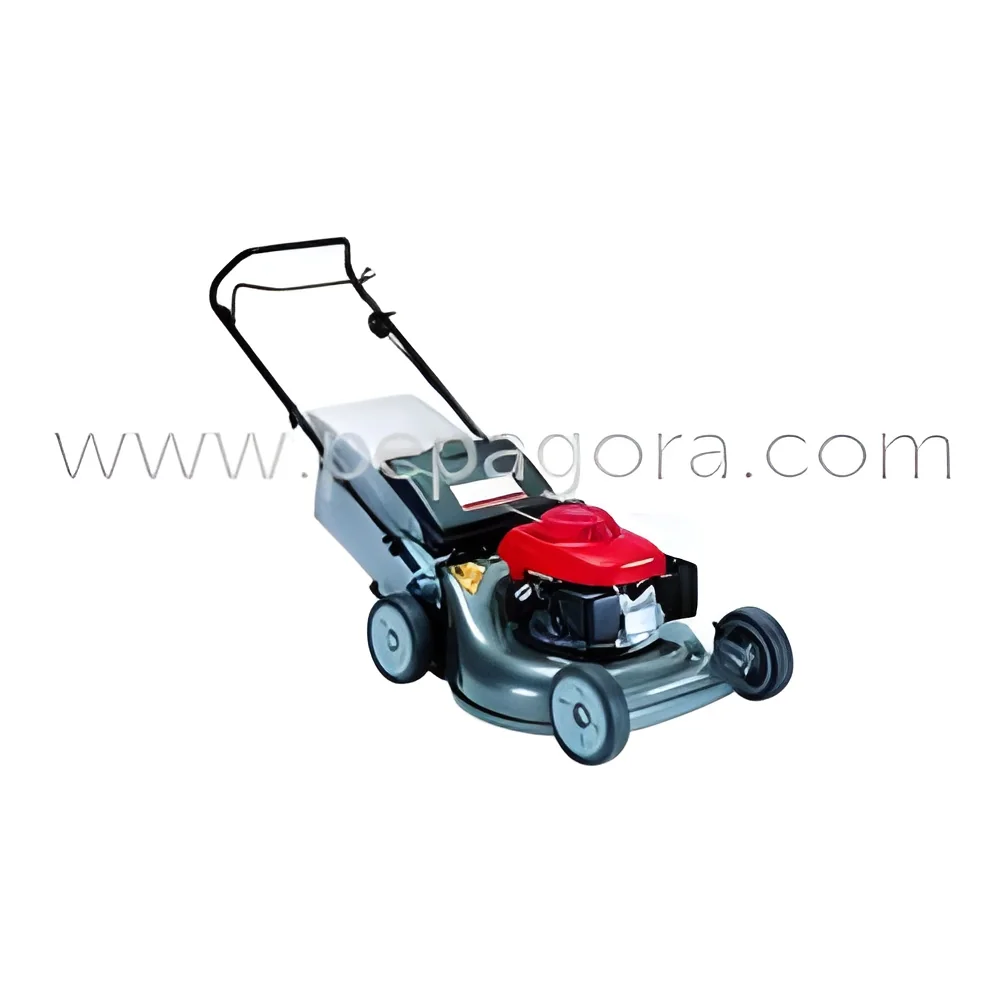
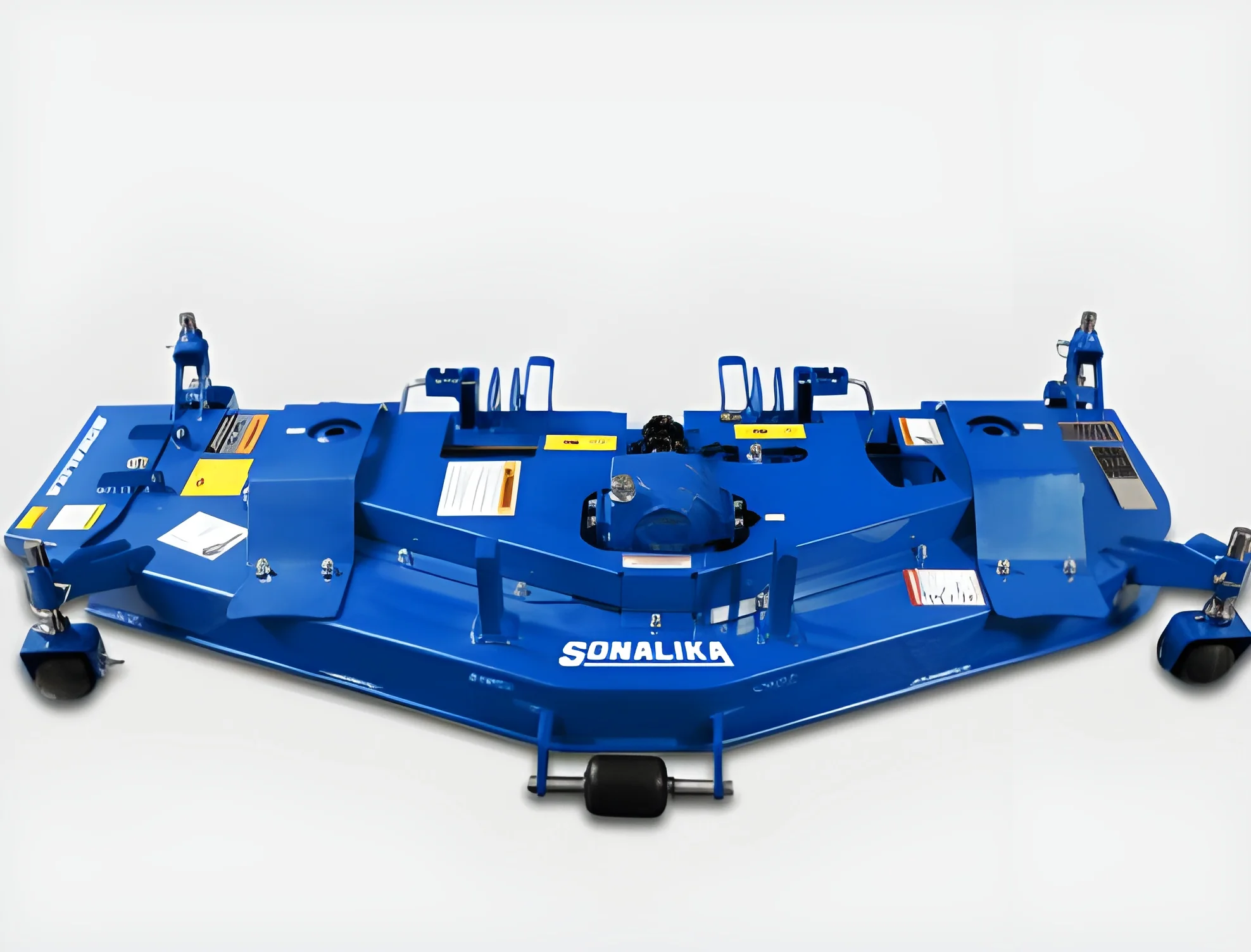
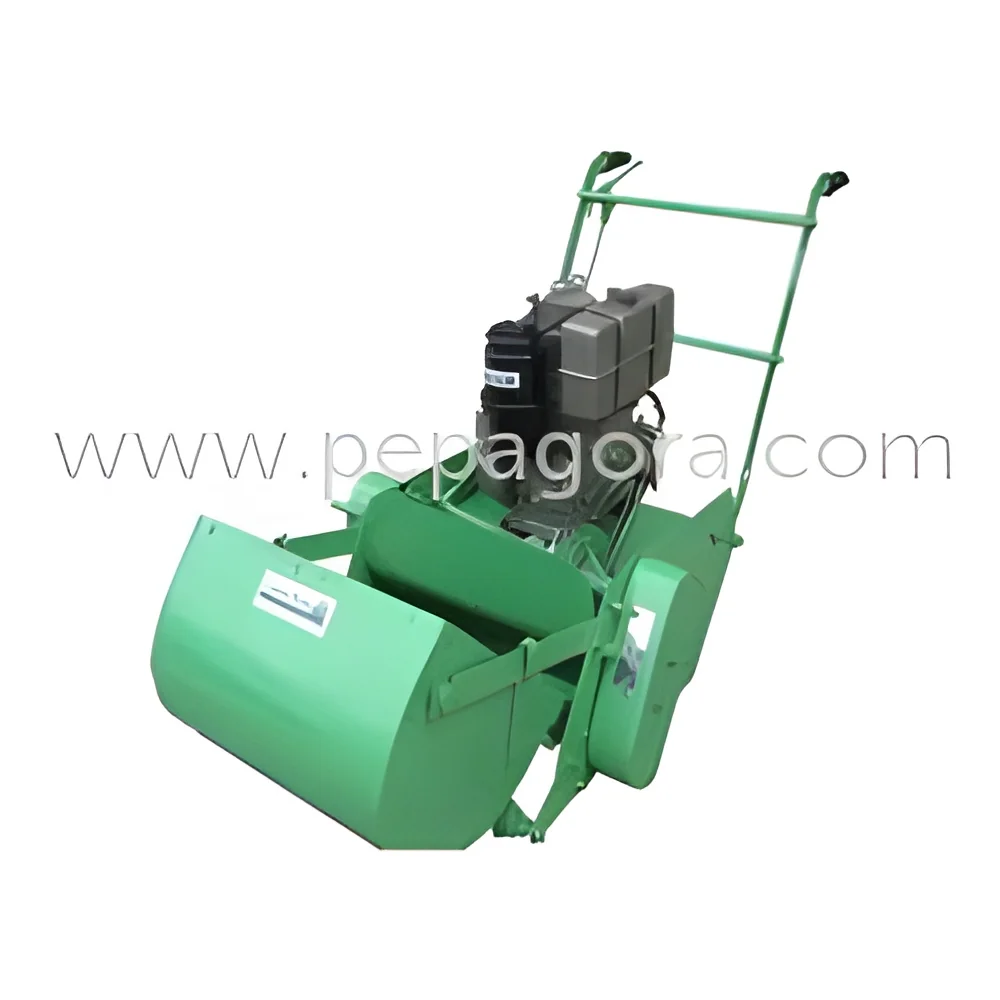
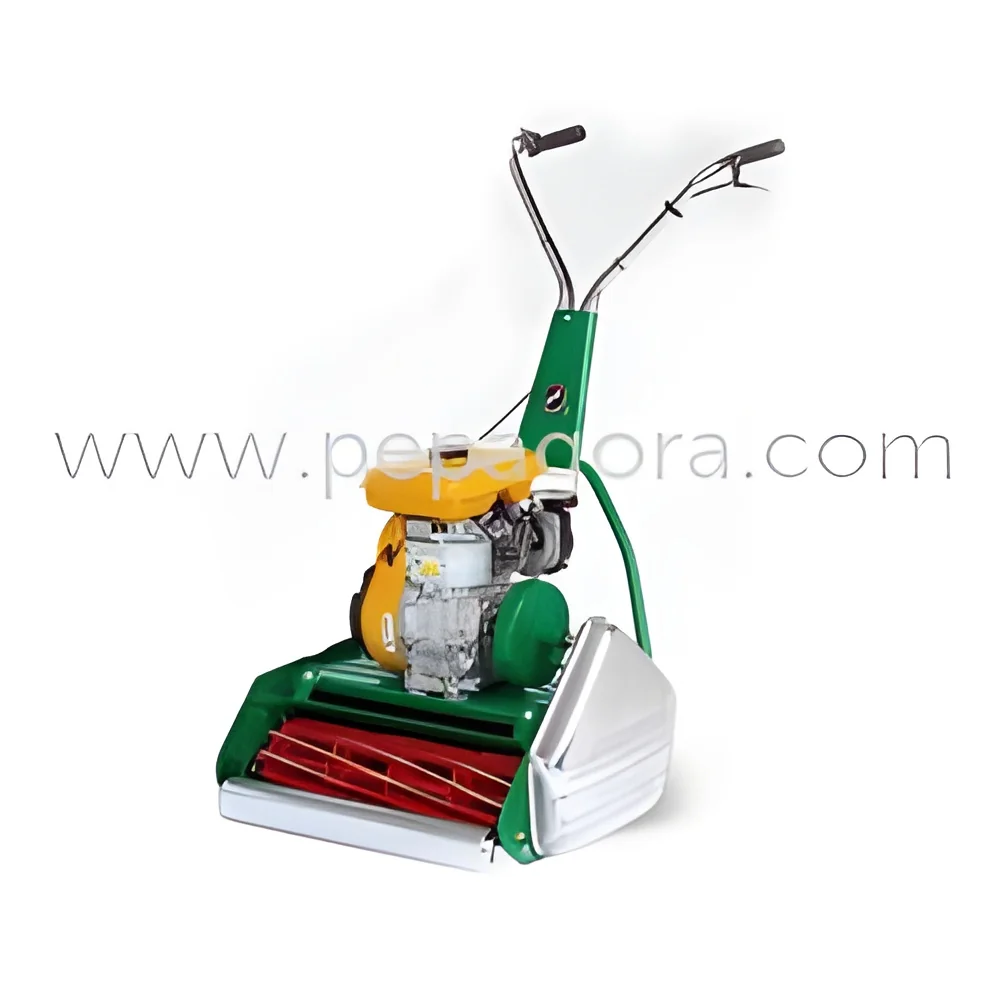
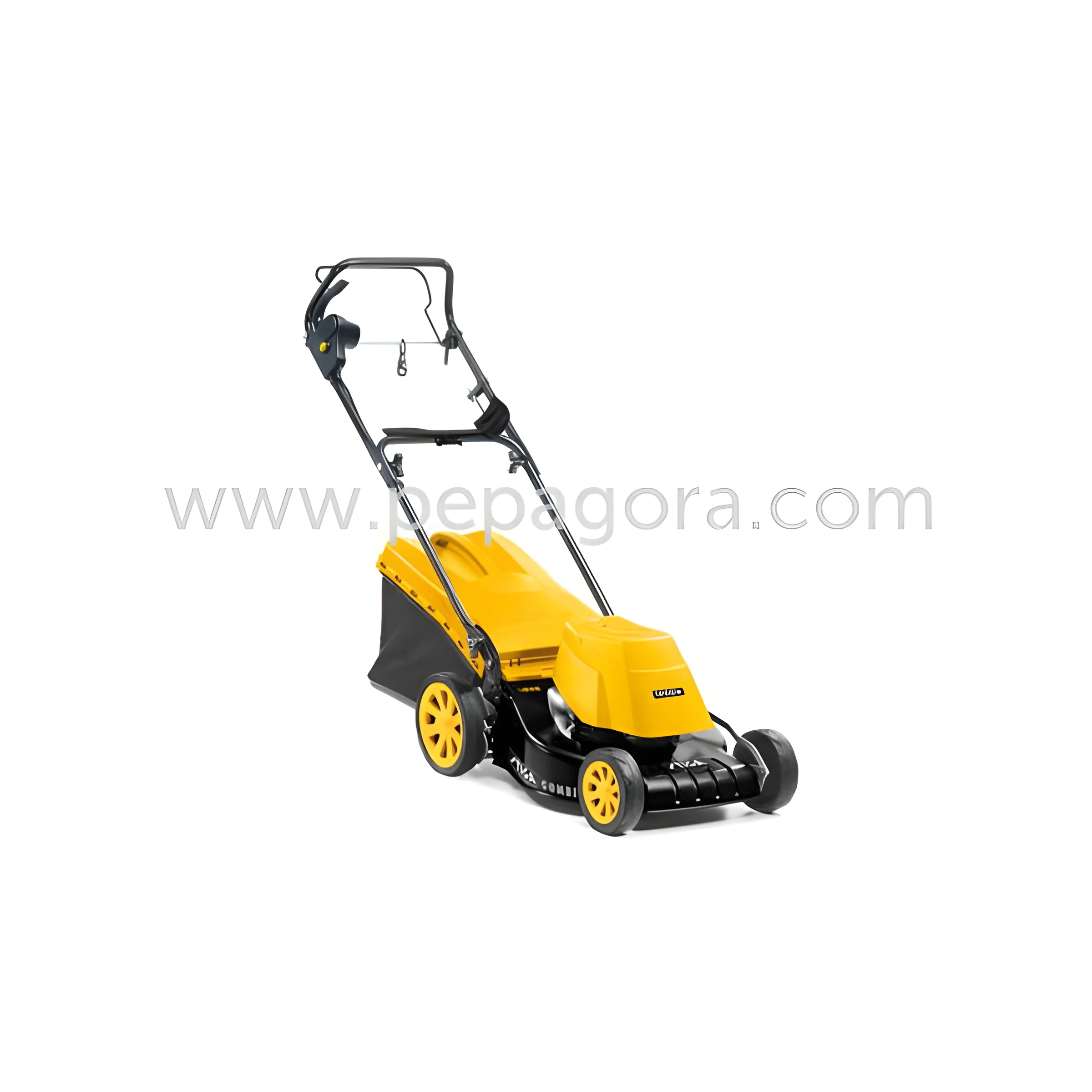
Lawn mowers are essential landscaping tools designed to cut grass and maintain lawns at a desired height. These machines come in various types, including push mowers, riding mowers, and robotic mowers, each catering to different user needs and lawn sizes. The fundamental operation of a lawn mower involves a rotating blade or series of blades that trim the grass efficiently.
Primarily, lawn mowers are used in residential, commercial, and industrial settings to ensure well-manicured lawns and green spaces. They play a crucial role in landscaping businesses, property management, and municipal upkeep of parks and recreational areas. The demand for lawn mowers has increased with the growing emphasis on maintaining aesthetic outdoor spaces, making them a significant product in the landscaping and gardening industry.
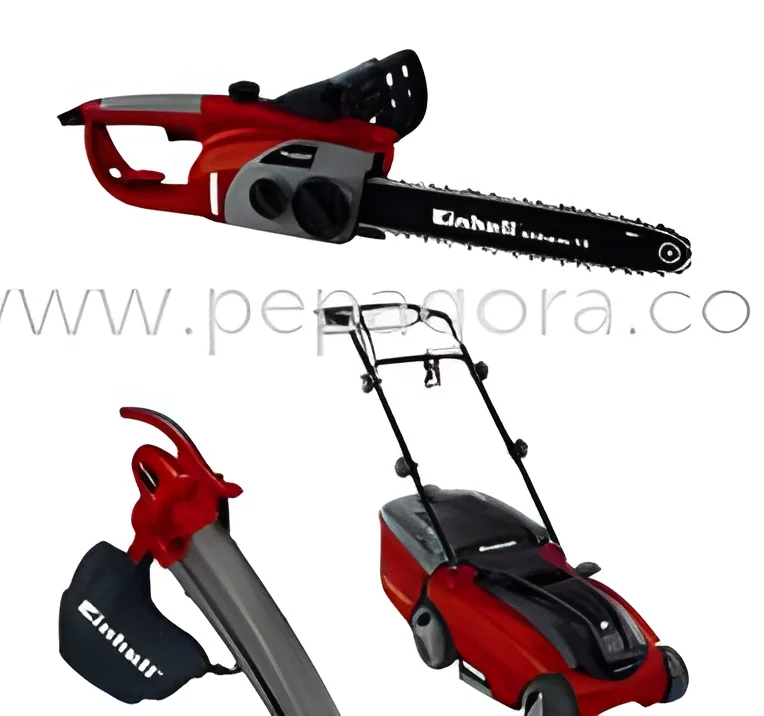
The lawn mower market is characterized by innovation and technological advancements, including the introduction of electric and battery-powered models. These developments align with the industry's shift towards sustainability and eco-friendliness. As businesses seek efficient and effective landscaping solutions, the relevance of lawn mowers continues to grow.
Key Features and Specifications
Lawn mowers come with a variety of features that enhance their performance and usability. Understanding these specifications is essential for selecting the right model for specific applications.
Key specifications include:
1. Cutting Width
- The width of the mower's cutting deck, typically ranging from 18 inches to 60 inches.
- A wider deck allows for more efficient cutting of larger areas.
2. Engine Power
- Measured in horsepower (HP) or cubic centimeters (CC), engines can range from 3 HP to over 25 HP.
- Higher power is suitable for tougher terrains and larger properties.
3. Fuel Type
- Options include gasoline, electric, and battery-powered models.
- Electric and battery models are more environmentally friendly and quieter.
4. Drive Type
- Types include push, self-propelled, and riding mowers.
- Self-propelled mowers ease the effort needed for mowing larger areas.
5. Cutting Height Adjustment
- Many mowers allow for multiple height settings, typically ranging from 1 to 4 inches.
- This feature accommodates different types of grass and user preferences.
6. Grass Collection
- Options include side discharge, mulching, and rear bagging capabilities.
- Mulching helps return nutrients to the soil, while bagging collects clippings for disposal.
7. Weight
- Varies significantly depending on the model, generally between 50 to 800 pounds.
- Heavier mowers may provide stability but can be challenging to maneuver.
8. Warranty
- Standard warranties typically cover 2 to 4 years.
- A longer warranty can indicate better quality and manufacturer confidence.
In summary, understanding the features and specifications of lawn mowers is crucial for businesses to choose the right equipment for their landscaping needs.
Common Applications and Use Cases
Lawn mowers serve a wide variety of industries, each with specific applications.
1. Residential Landscaping: Homeowners use lawn mowers to maintain their yards, ensuring a neat and attractive appearance.
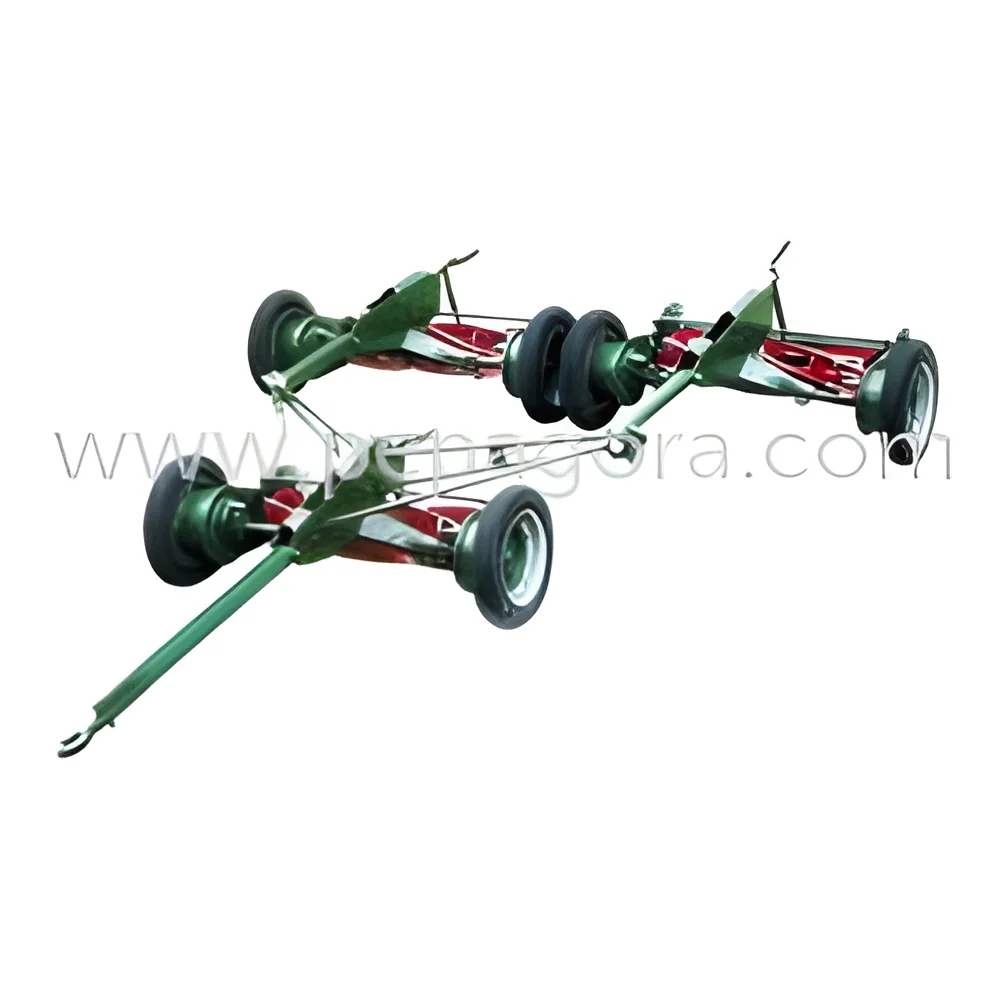
2. Commercial Landscaping: Landscaping companies utilize mowers for maintaining parks, golf courses, and corporate campuses, enhancing the outdoor environment.
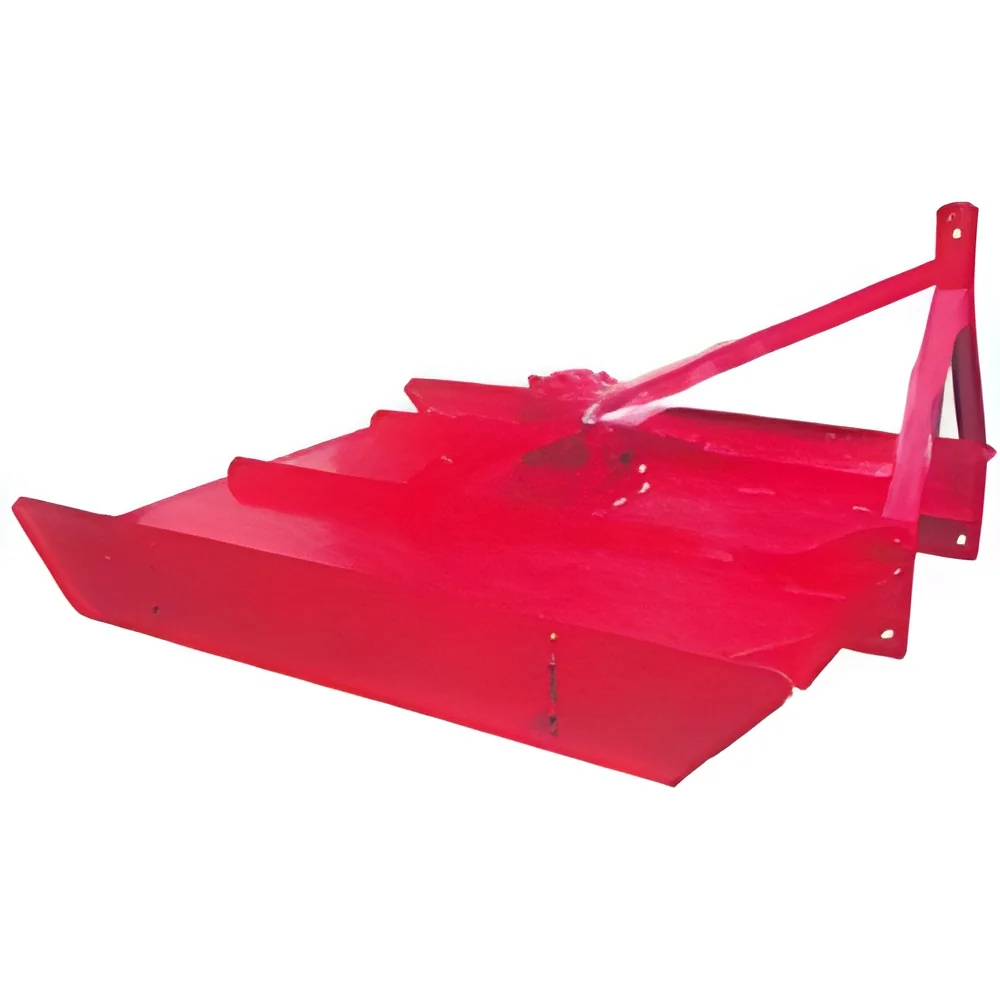
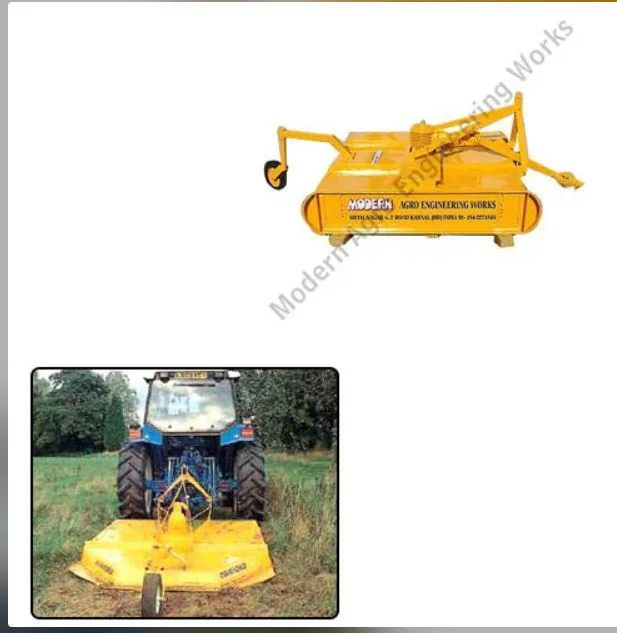
3. Agricultural Use: Certain mowers are adapted for cutting grass in agricultural settings, playing a role in pasture maintenance.
4. Municipal Services: Local governments employ lawn mowers for the upkeep of public parks and green spaces, contributing to community beautification.
5. Sports Facilities: Mowers are essential for maintaining the grass on sports fields, ensuring optimal playing conditions.
6. Schools and Universities: Educational institutions use mowers to keep campus lawns well-groomed, providing pleasant outdoor spaces for students.
7. Rental Services: Equipment rental companies offer lawn mowers to homeowners and businesses looking for temporary solutions for lawn care.
Product Variants and Subcategories
Lawn mowers come in various types, each designed for different user needs and applications.
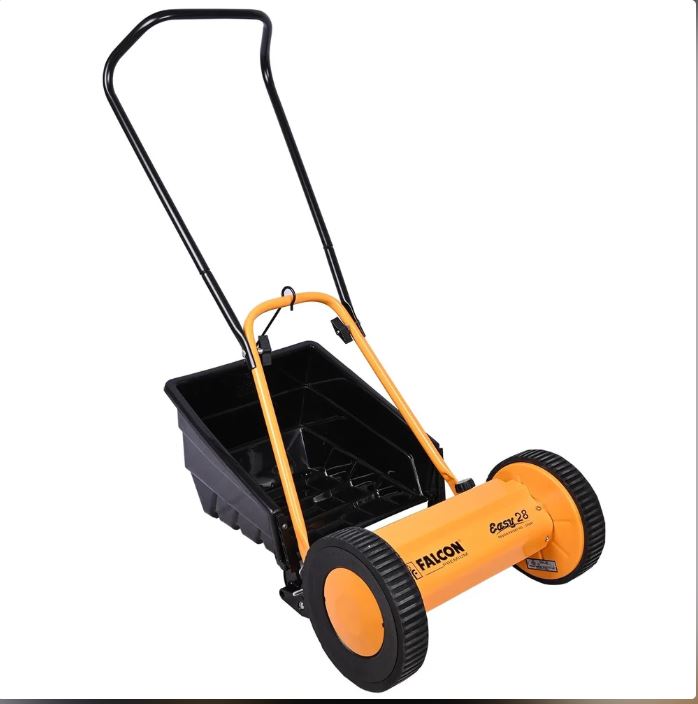
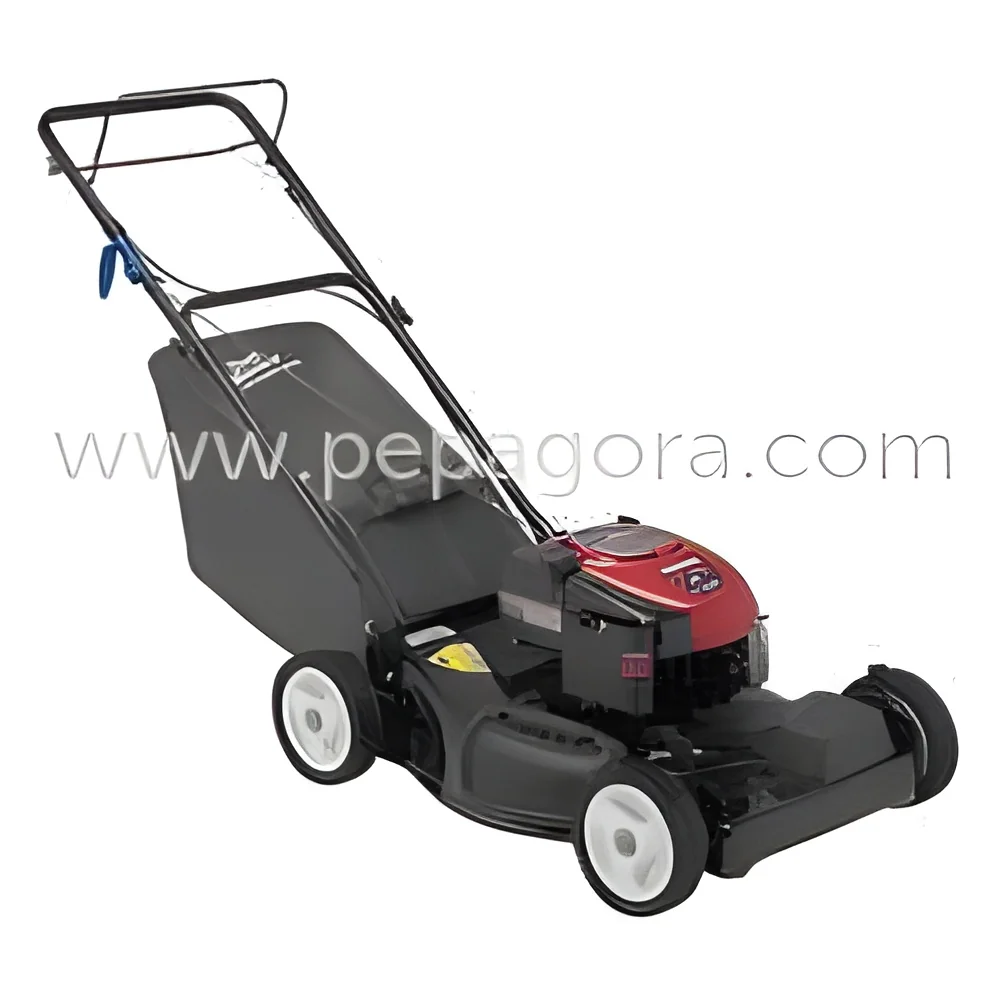
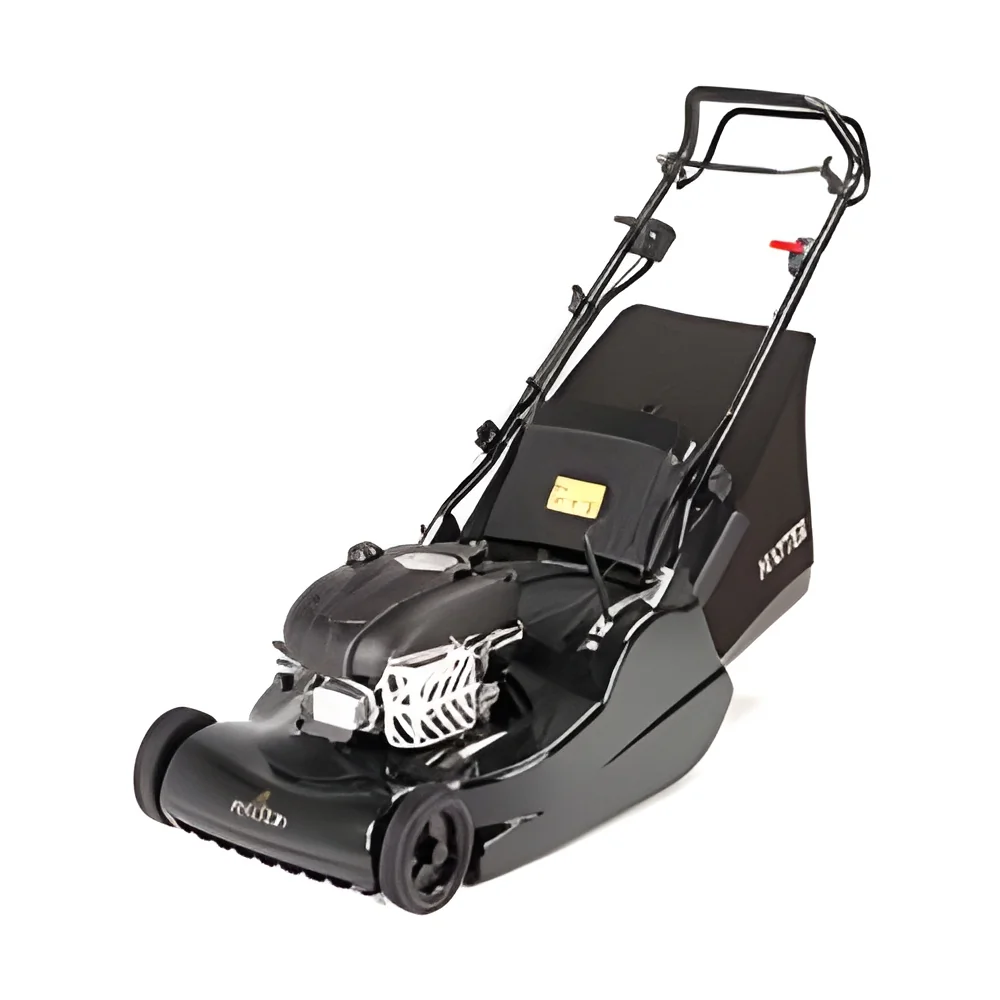
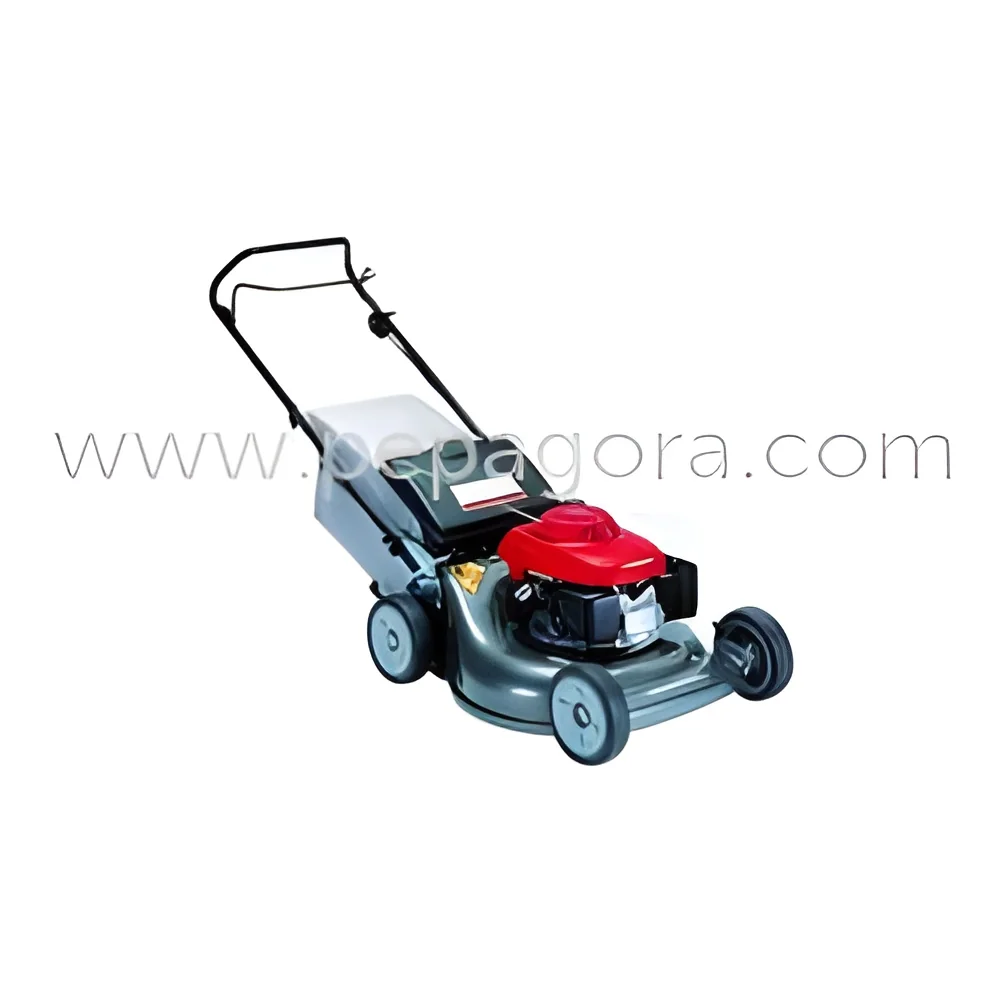
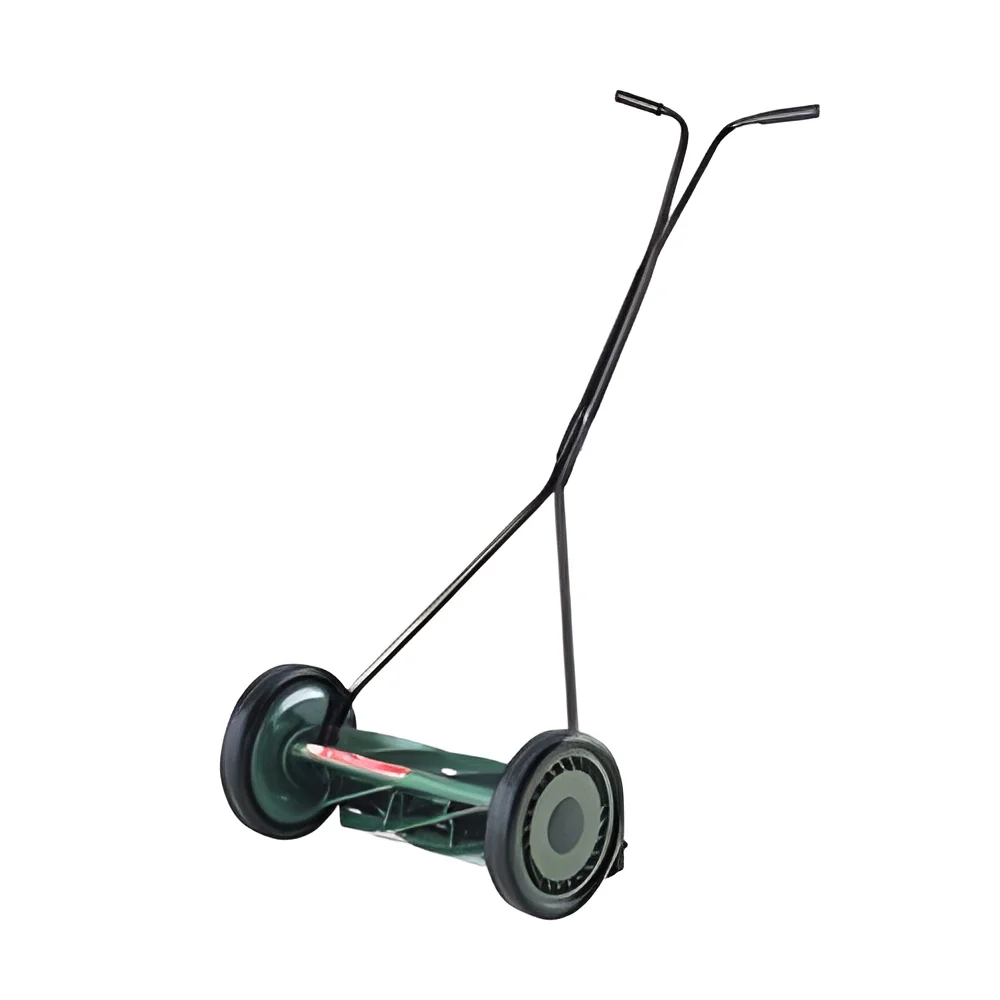
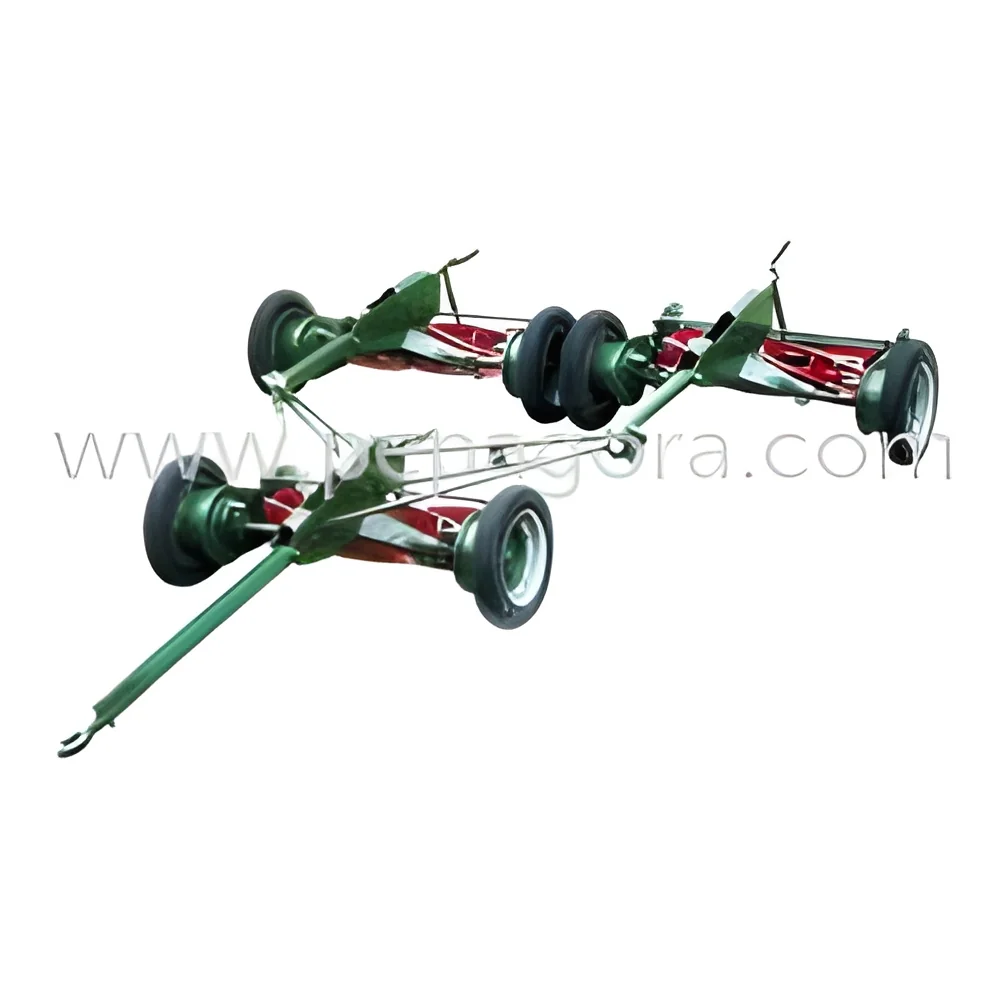
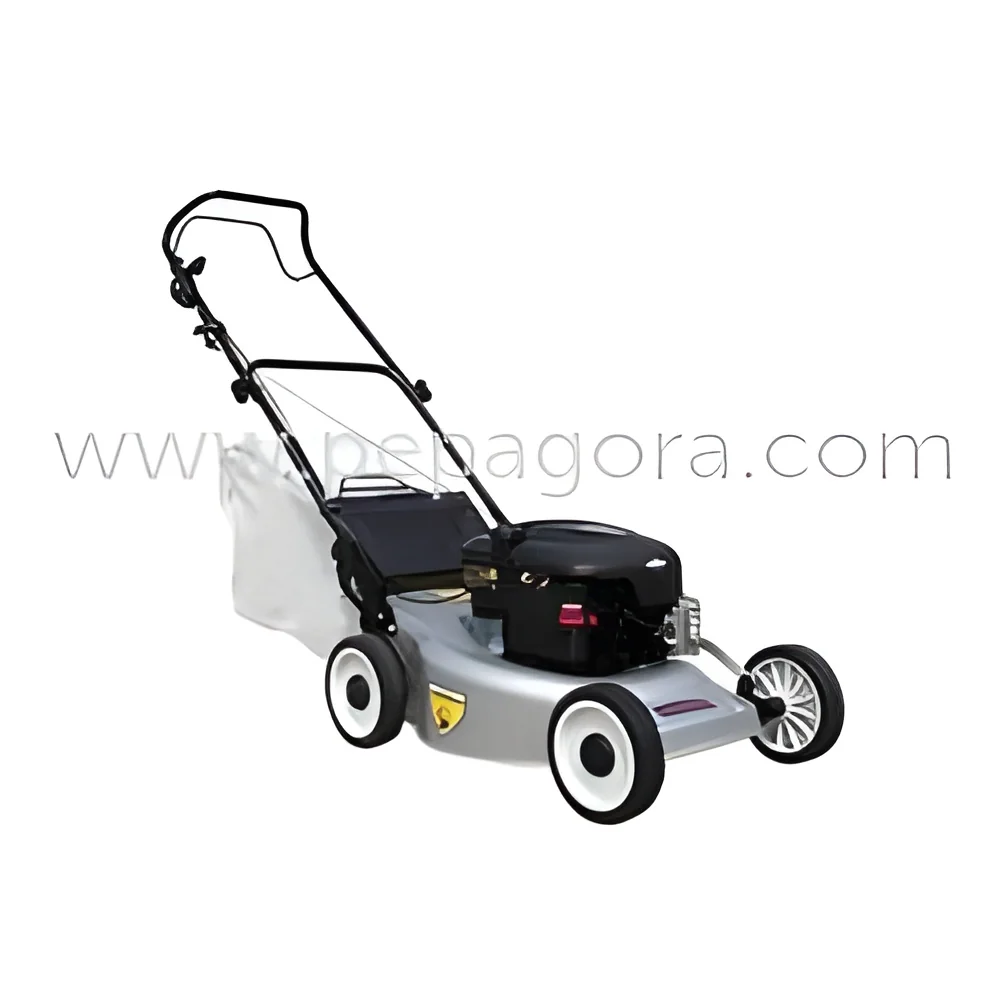
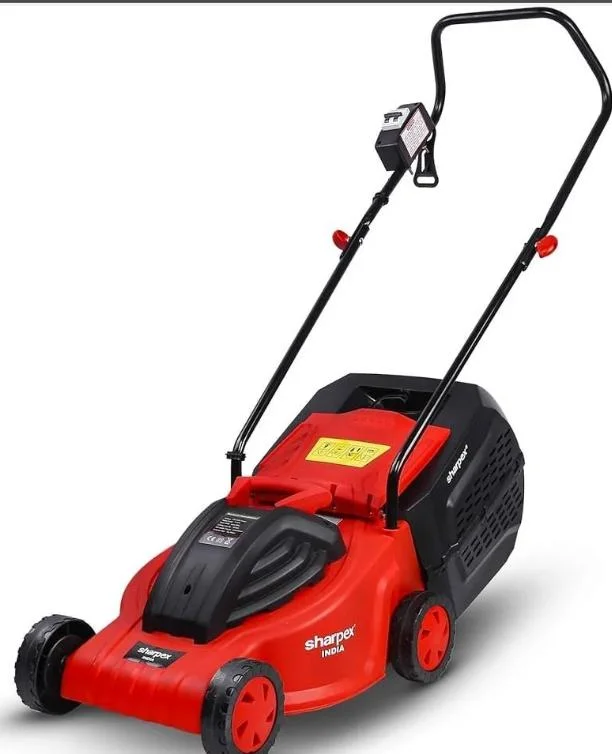
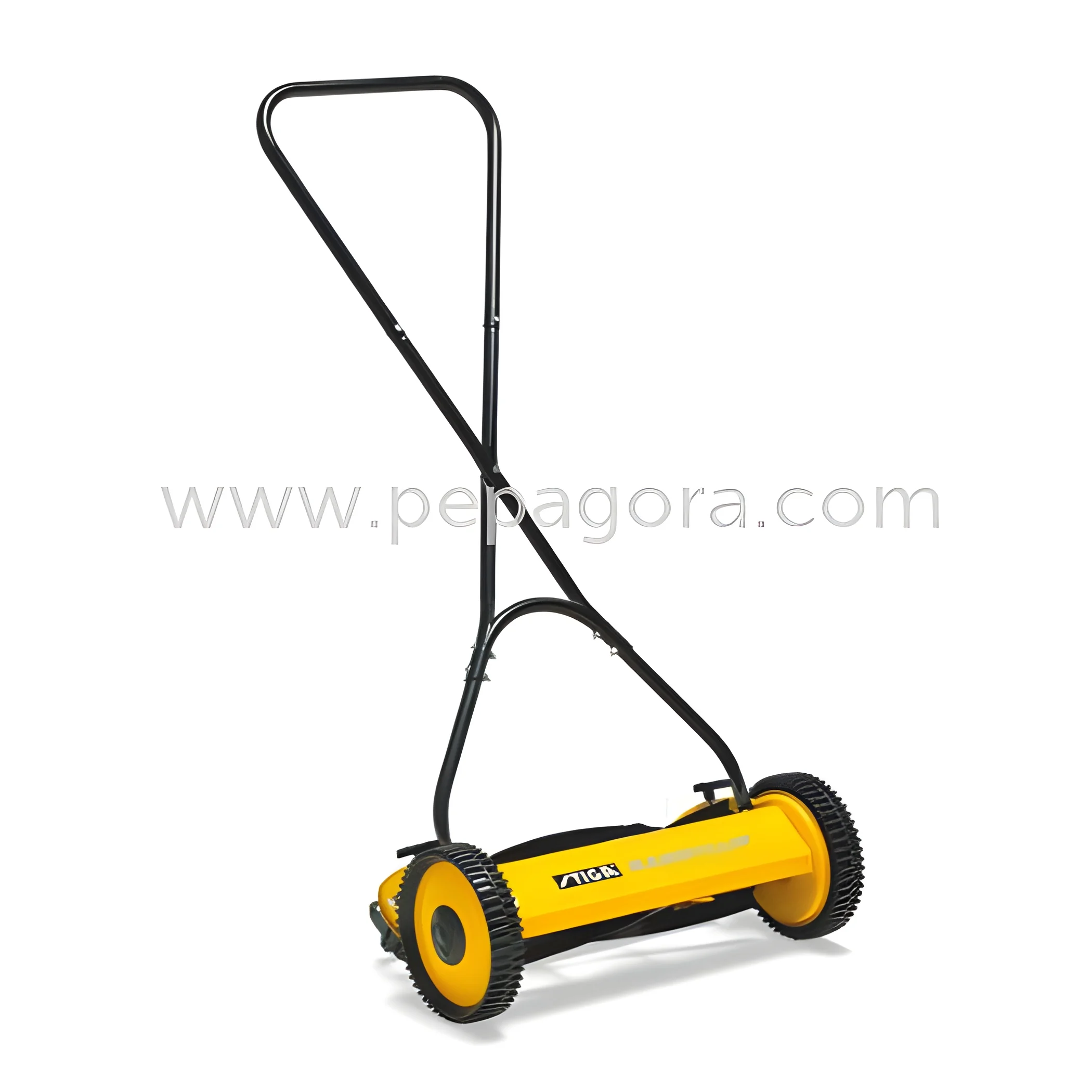
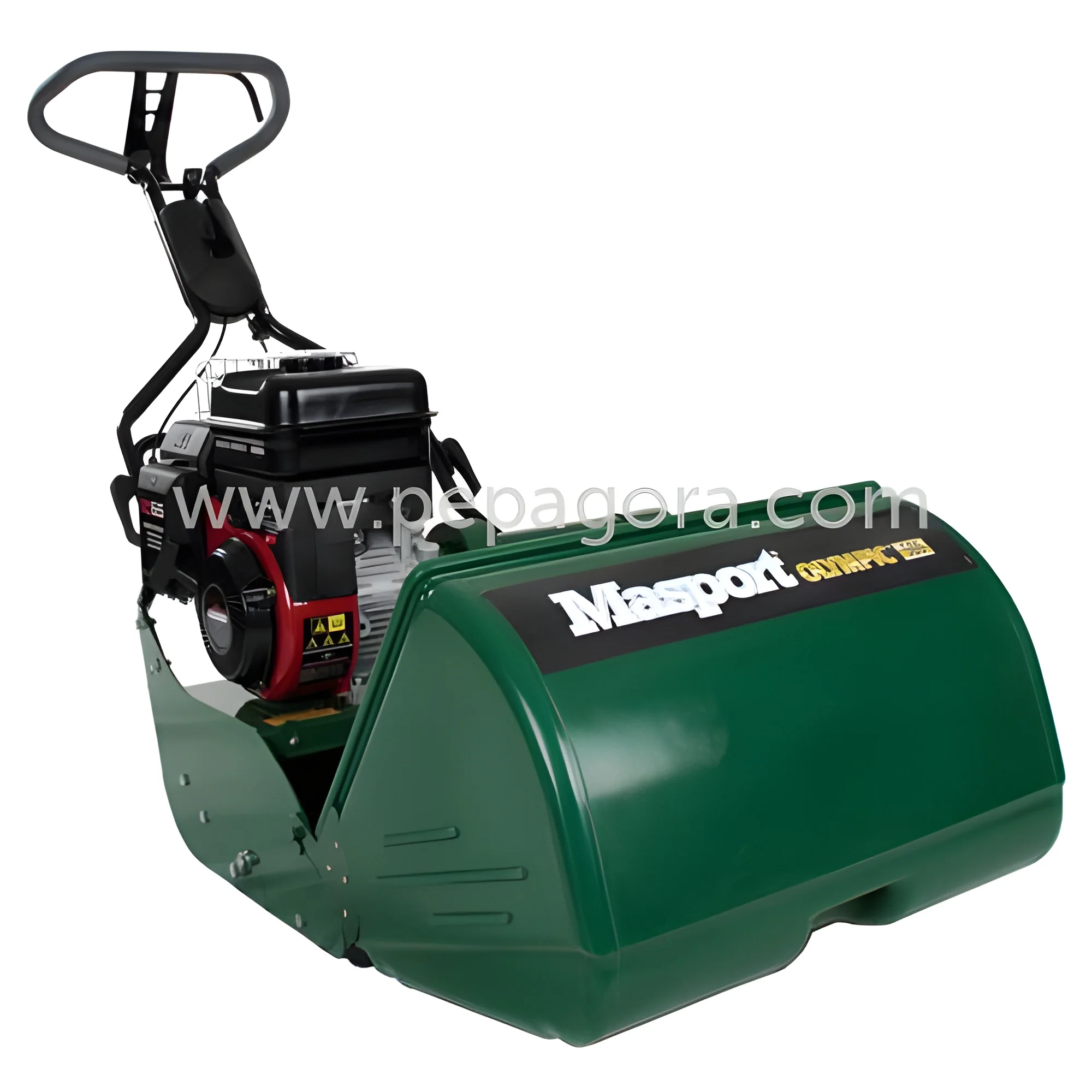
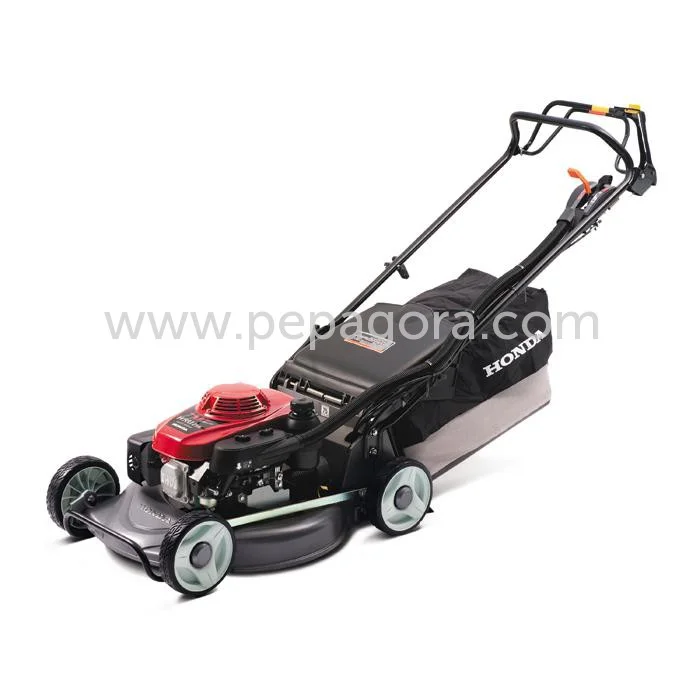
Push Lawn Mowers: Ideal for small to medium-sized lawns, push mowers require manual operation. They are often lightweight and easy to maneuver, making them suitable for residential use.
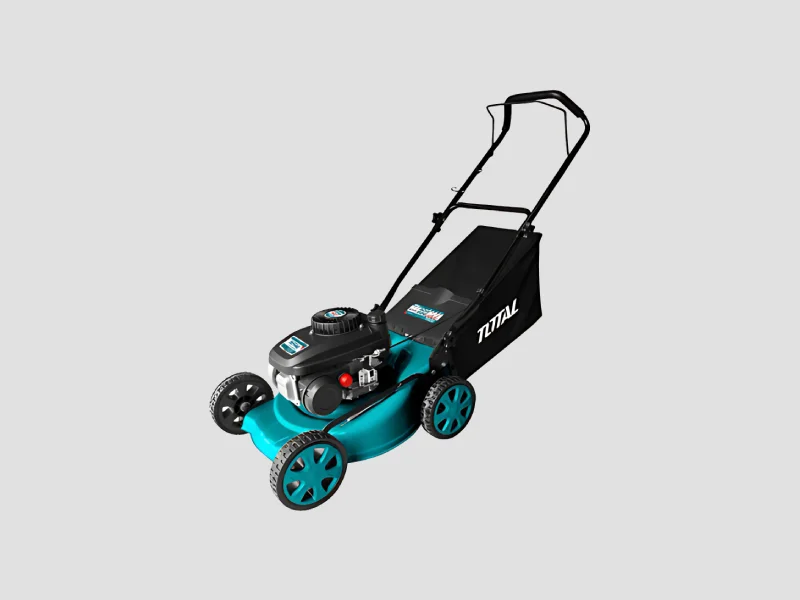
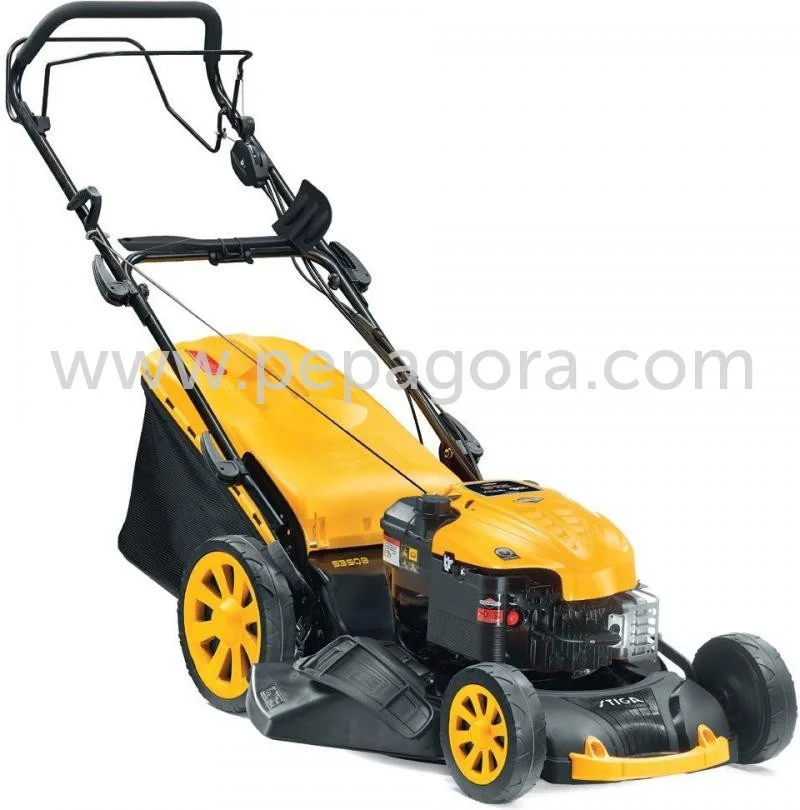
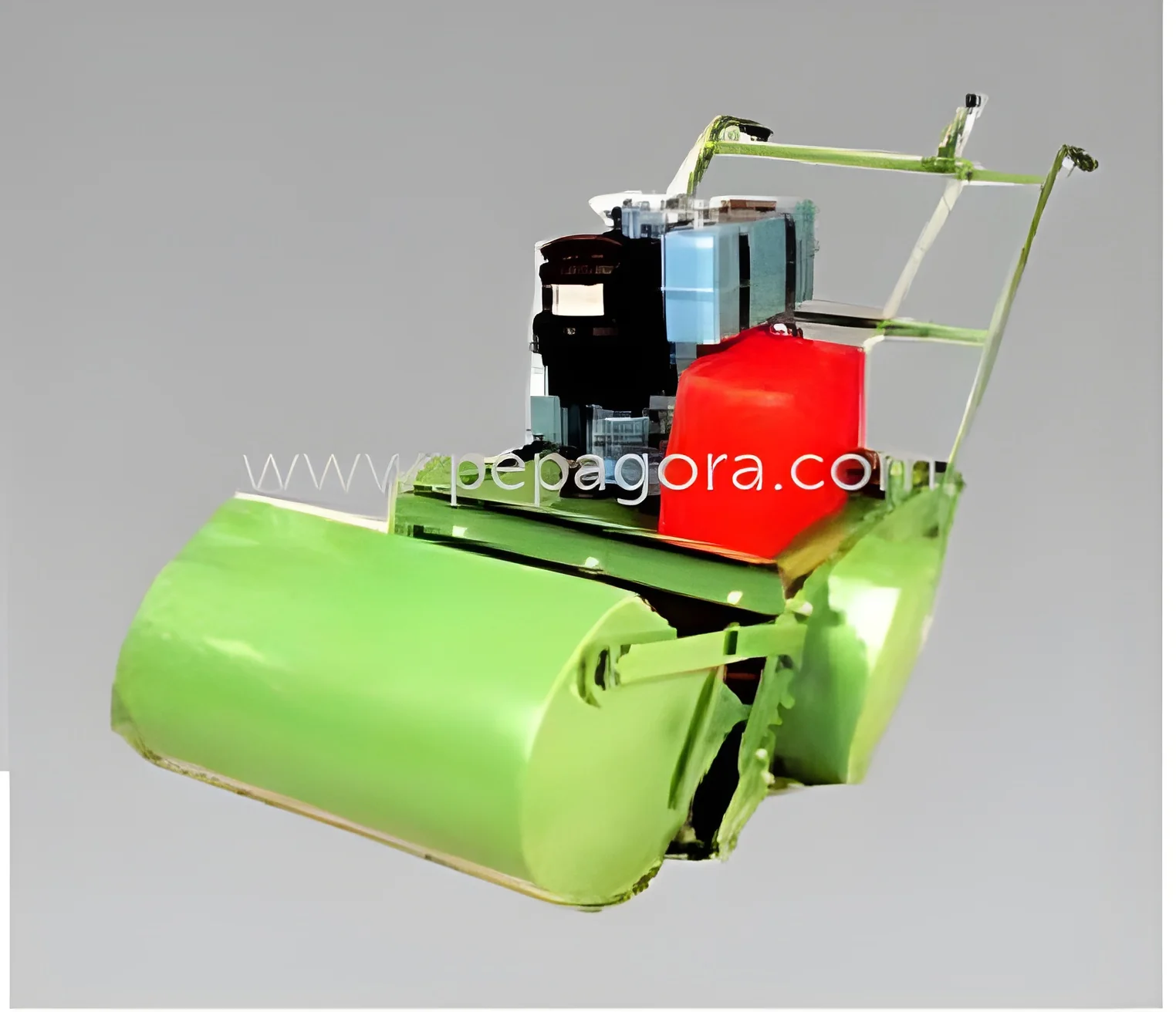
Self-Propelled Lawn Mowers: These mowers are designed to move forward automatically, reducing the effort required by the user. They are excellent for larger lawns with various terrain types.
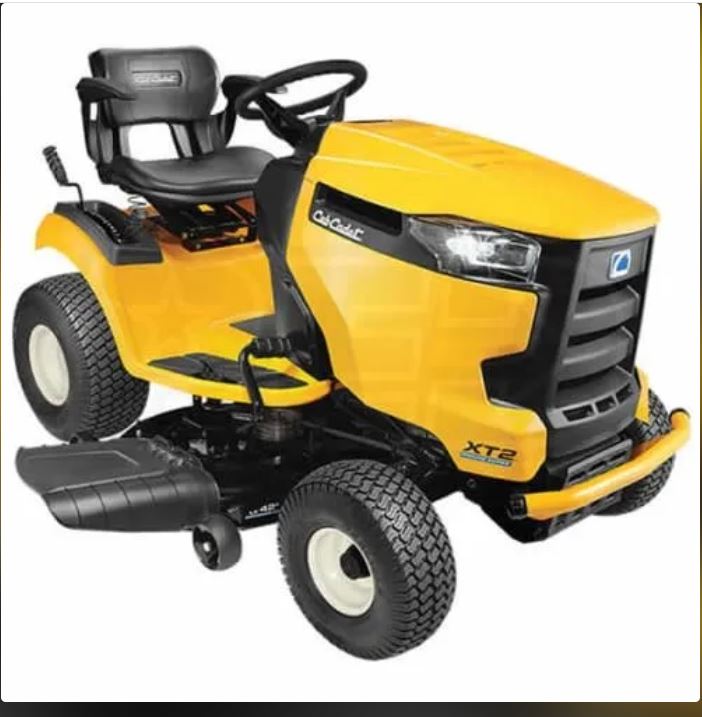
Riding Lawn Mowers: Perfect for expansive properties, riding mowers allow the operator to sit while mowing. They provide comfort and efficiency for mowing large areas.
Robotic Lawn Mowers: These innovative mowers automate the mowing process. They can be programmed to operate on set schedules, requiring minimal user intervention.
Benefits and Advantages
Lawn mowers offer numerous advantages that make them a valuable investment for landscaping needs.
1. Time Efficiency: Mowers significantly reduce the time required to maintain lawns compared to manual methods.
2. Consistent Results: With adjustable cutting heights and powerful engines, mowers provide uniform cutting, enhancing lawn appearance.
3. Labor Reduction: Mowers minimize the physical effort needed for lawn care, allowing for more efficient use of labor.
4. Versatility: Various models cater to different lawn sizes and terrains, making it easy to find a suitable option for any application.
5. Enhanced Aesthetics: Regular mowing improves the visual appeal of lawns, which is essential for residential and commercial properties alike.
6. Environmental Considerations: Electric and battery-powered mowers produce less noise and emissions, making them eco-friendly choices.
Buying Guide for B2B Buyers
When sourcing lawn mowers for business purposes, several factors should be considered to ensure a successful purchase.
1. Quality Assessment: Investigate the build quality, material durability, and performance capabilities of the mowers. Look for models that have received positive reviews from other businesses.
2. Supplier Verification: Vet suppliers by checking their credentials, customer reviews, and industry reputation. Reliable suppliers should offer warranties and after-sales support.
3. Pricing and MOQ: Understand the pricing structure and minimum order quantities (MOQ) for bulk purchases. Compare prices across different suppliers to ensure competitive rates.
4. Delivery and Lead Times: Inquire about shipping options, lead times, and logistics. Timely delivery is crucial for maintaining operational schedules.
5. Compliance Requirements: Ensure that the mowers meet necessary safety and regulatory standards. This may include certifications relevant to your region.
Compliance and Certifications
Lawn mowers must adhere to various quality standards and certifications to ensure safety and performance. Relevant standards include ISO 9001, which focuses on quality management systems, and CE certification, indicating compliance with European safety regulations.
Manufacturers should conduct safety and testing requirements to ensure that lawn mowers operate safely and effectively. This includes evaluating the design, materials, and performance under various conditions.
Regional compliance considerations may vary, so it is essential for suppliers to be aware of local regulations. Adhering to these standards not only assures product quality but also builds trust with customers.
Why Source Lawn Mowers from Pepagora?
Pepagora provides a trusted platform for sourcing lawn mowers with several key advantages.
Verified Supplier Network: Pepagora connects buyers with a network of verified suppliers, ensuring that businesses can source high-quality products with confidence. This network minimizes the risk of fraudulent transactions and enhances overall procurement efficiency.
Streamlined RFQ Process: The platform offers a simplified request for quotation (RFQ) process, allowing buyers to easily compare offers from different suppliers. This efficiency aids in making informed purchasing decisions.
Trade Assurance and Support: Pepagora ensures buyer protection through trade assurance, which safeguards transactions and provides assurance of delivery. This support is crucial for buyers looking to minimize risks associated with large orders.
Regional Coverage: With a strong presence in regions like India, the GCC, and Southeast Asia, Pepagora facilitates access to a diverse range of lawn mowers. This geographic reach enables businesses to find suitable suppliers that meet their specific requirements.
In conclusion, Pepagora stands out as a reliable platform for sourcing lawn mowers, offering buyers peace of mind and a range of options to choose from.



Frequently Asked Questions
What are Lawn Mowers?
Lawn mowers are mechanical devices used to cut grass and maintain lawns at a uniform height. They come in various types, including manual, electric, and gas-powered models, catering to different lawn care needs.
What are the different types of Lawn Mowers?
The main types of lawn mowers include push mowers, self-propelled mowers, riding mowers, and robotic mowers. Each type is designed for specific lawn sizes and user preferences, making it important to choose one that suits your needs.
How do I choose the right Lawn Mowers?
To choose the right lawn mower, consider factors such as lawn size, terrain type, and your physical capability. Additionally, evaluate the mower's features, such as cutting width, power source, and ease of maintenance.
What are the standard specifications for Lawn Mowers?
Standard specifications for lawn mowers typically include cutting width, engine power (for gas mowers), weight, and grass collection capacity. Other important specs may include blade types, height adjustment options, and durability features.
What is the price range for Lawn Mowers?
The price range for lawn mowers can vary widely based on type and features, typically starting from around INR 5,000 for basic manual models and going up to INR 1,00,000 or more for advanced riding and robotic mowers.
What quality standards apply to Lawn Mowers?
Lawn mowers are subject to various quality standards to ensure safety and performance, including ISO certifications and compliance with local regulations. Manufacturers often adhere to these standards to guarantee product reliability.
Where can I find Lawn Mowers suppliers in India?
You can find lawn mower suppliers in India through B2B marketplaces like Pepagora, industry trade shows, and local hardware stores. Online research and networking with landscaping professionals can also help identify reputable suppliers.
Can Lawn Mowers be customized?
Yes, lawn mowers can be customized based on specifications such as cutting height, color, and additional features like mulching capabilities. It is advisable to discuss customization options with manufacturers or suppliers.
What is the typical minimum order quantity for Lawn Mowers?
The typical minimum order quantity (MOQ) for lawn mowers varies by supplier, but it generally ranges from 5 to 50 units depending on the type and customization options. Always confirm the MOQ with your chosen supplier.
What is the typical lead time for Lawn Mowers?
The typical lead time for lawn mowers can range from 1 to 4 weeks, depending on factors such as order size, customization requests, and supplier location. It is recommended to check with the supplier for more accurate timelines.
Why Businesses Trust Pepagora
Thousands of companies trust Pepagora to source smarter and sell faster
Expand Your Sales Globally

Source Smarter,Grow Faster
