Key Features and Specifications
ERP Tools come equipped with a variety of features and specifications designed to enhance business operations. These features support the diverse needs of organizations and contribute to their overall effectiveness.
Key specifications include:
1. Integration Capabilities
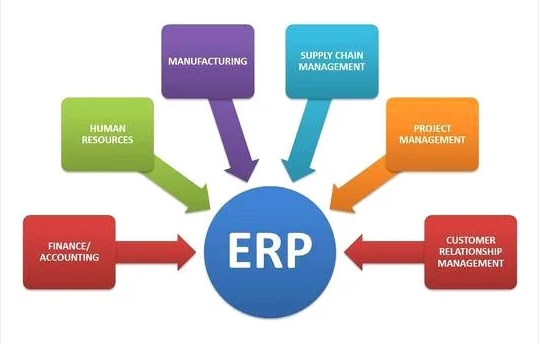
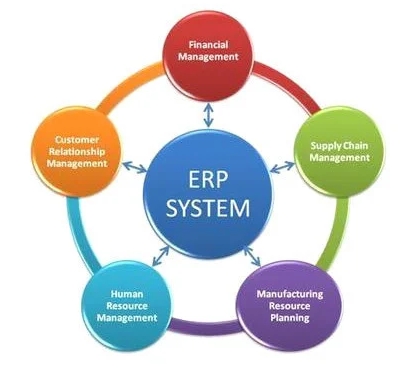
- Ability to connect with other business systems and applications
- Supports data sharing across departments
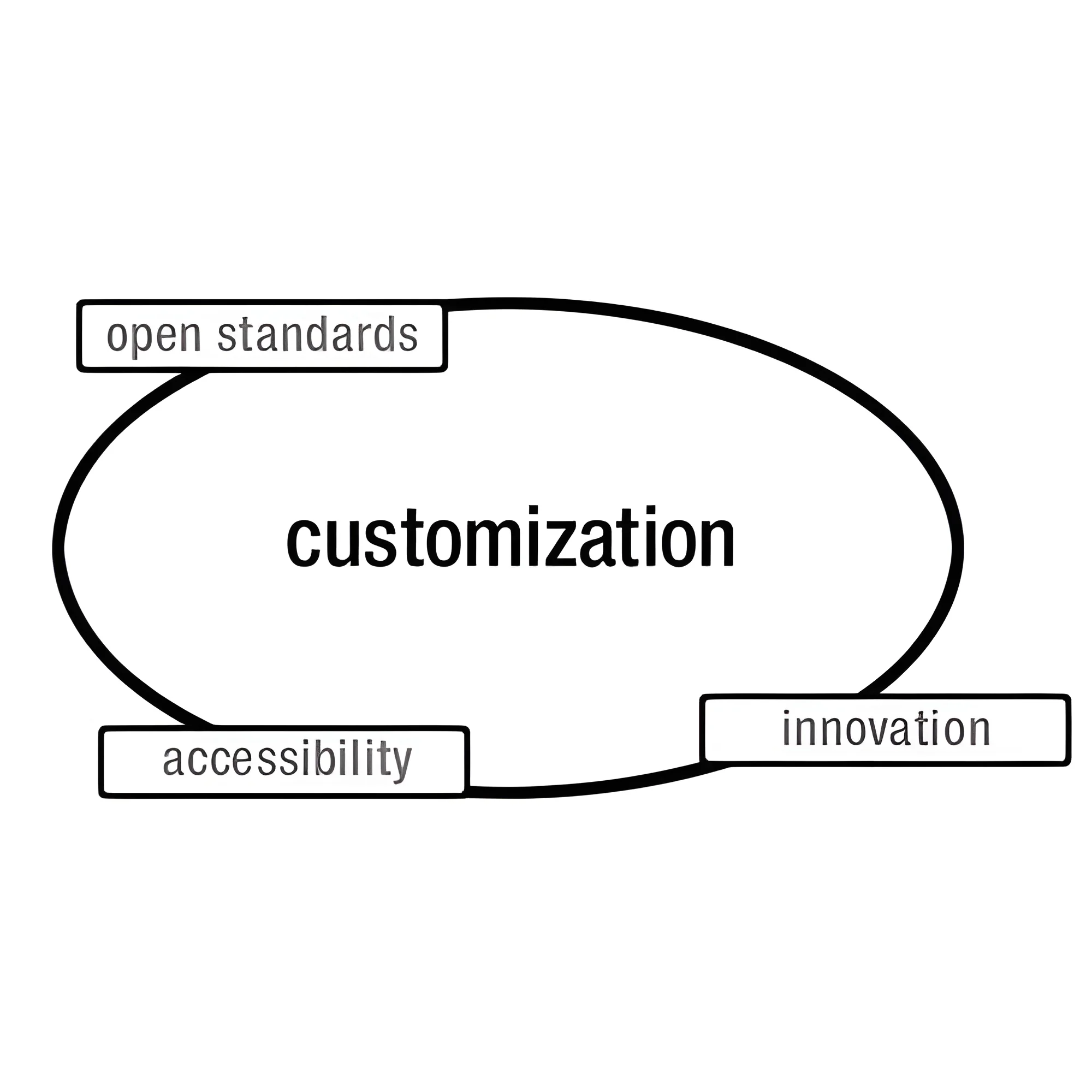
2. Customization Options
- Tailorable to meet specific industry requirements
- Flexible user interface modifications
3. Real-time Data Processing
- Immediate access to updated information
- Enhances decision-making and reporting accuracy
4. User Management and Role Assignment
- Control over user access and permissions
- Supports multiple user roles for enhanced security
5. Reporting and Analytics Tools
- Generate detailed reports for various business functions
- Analytical tools for performance monitoring
6. Mobile Access
- Allows access to the ERP system via mobile devices
- Facilitates remote work and on-the-go decision making
7. Cloud-based Deployment
- Reduces the need for physical infrastructure
- Offers scalability and cost-effectiveness
8. Compliance Tracking
- Features designed to ensure adherence to regulatory standards
- Helps organizations maintain compliance across various operations
In summary, the key features of ERP Tools enhance business efficiency, data management, and operational transparency, making them invaluable assets for organizations.
Common Applications and Use Cases
ERP Tools are utilized across various industries, each benefiting from their unique capabilities.
1. Manufacturing: ERP systems streamline production scheduling, inventory management, and quality control, leading to reduced waste and improved product quality.
2. Retail: Retailers leverage ERP tools for inventory tracking, sales forecasting, and customer relationship management, resulting in better customer service and optimized stock levels.
3. Healthcare: In healthcare settings, ERP systems manage patient records, billing processes, and supply chain logistics, ensuring efficient operations and compliance with regulations.
4. Construction: ERP tools help construction companies manage project timelines, budgeting, and resource allocation, allowing for better project execution and profitability.
5. Financial Services: Financial institutions use ERP systems for regulatory compliance, risk management, and client data management, enhancing their operational integrity.
6. Hospitality: In hospitality, ERP systems streamline booking processes, guest management, and reporting, improving guest experiences and operational efficiency.
7. Education: Educational institutions employ ERP tools to manage student records, course schedules, and financial aid processes, facilitating better administrative functions.
Product Variants and Subcategories
ERP Tools offer diverse solutions tailored to different business needs, though specific subcategories may vary by vendor.
Cloud-based ERP
This variant provides on-demand access to ERP functionalities via the internet, offering flexibility and scalability for growth-oriented businesses. It reduces IT overhead and allows for real-time updates.
On-premises ERP
On-premises solutions are installed locally on a company's servers. This variant provides greater control over data security and customization, making it suitable for enterprises with specific compliance needs.
Industry-specific ERP
These ERP solutions are tailored for specific industries, such as manufacturing, healthcare, or retail. They come equipped with features and functionalities designed to address the unique challenges of those sectors.
Hybrid ERP
Hybrid solutions combine both cloud-based and on-premises functionalities, allowing companies to choose the deployment method that best suits their operational needs while maintaining flexibility.
Benefits and Advantages
ERP Tools provide numerous benefits that enhance business operations and outcomes.
1. Increased Efficiency: Automating routine tasks reduces manual effort, allowing staff to focus on more strategic activities.
2. Improved Data Accuracy: Centralized data storage minimizes errors and discrepancies, enhancing the reliability of business information.
3. Enhanced Reporting: Comprehensive reporting tools provide insights into performance metrics, enabling informed decision-making.
4. Streamlined Operations: Integration across departments ensures that all functions work in harmony, reducing bottlenecks and improving workflow.
5. Cost Savings: By optimizing resource allocation and improving efficiency, ERP tools can lead to significant cost savings for organizations.
6. Scalability: ERP systems can grow with the business, allowing for the addition of new functionalities as needs evolve.
Buying Guide for B2B Buyers
When sourcing Enterprise Resource Planning (ERP) Tools, several factors should be considered to ensure the right fit for your organization.
1. Quality Assessment: Evaluate the quality of the ERP system based on user reviews, case studies, and performance metrics to ensure it meets industry standards.
2. Supplier Verification: Vet suppliers thoroughly by checking their credentials, customer feedback, and track record in delivering ERP solutions.
3. Pricing and MOQ: Understand the pricing structure and minimum order quantities to assess the total cost of ownership and budget accordingly.
4. Delivery and Lead Times: Consider logistics and expected lead times for implementation to ensure timely deployment of the ERP system.
5. Compliance Requirements: Identify any industry-specific compliance needs that the ERP system must meet to avoid regulatory issues.
Compliance and Certifications
Compliance and certifications are critical aspects of ERP Tools, ensuring they meet specific quality and safety standards. Many ERP systems adhere to quality standards such as ISO 9001, which sets forth criteria for a quality management system. This certification helps organizations ensure that their products and services consistently meet customer and regulatory requirements.
Additionally, industry certifications like CE indicate that the ERP system complies with European safety and health standards. Compliance with such certifications can enhance buyer trust and facilitate market entry in regions with strict regulatory requirements.
Safety and testing requirements are also crucial, particularly for ERP systems used in sensitive industries like healthcare and finance. These systems must undergo rigorous testing to ensure data security and operational integrity.
Finally, regional compliance considerations must be addressed. Companies should verify that their ERP Tools comply with local laws and regulations to prevent potential legal challenges.
Why Source Enterprise Resource Planning (ERP) Tools from Pepagora?
Pepagora provides a trusted platform for sourcing Enterprise Resource Planning (ERP) Tools with several key advantages.
Verified Supplier Network: Pepagora features a robust network of verified suppliers, ensuring that buyers have access to reputable vendors who meet stringent quality standards. This verification process helps mitigate risks associated with sourcing.
Streamlined RFQ Process: The platform offers a streamlined Request for Quotation (RFQ) process, allowing buyers to easily compare quotes from multiple suppliers. This efficiency saves time and simplifies the procurement process.
Trade Assurance and Support: Pepagora offers trade assurance to protect buyers, providing support throughout the sourcing process. This includes assistance with negotiations, order fulfillment, and any arising disputes.
Regional Coverage: With a focus on regions like India, the Gulf Cooperation Council (GCC), and Southeast Asia, Pepagora enables buyers to access ERP Tools tailored to their specific market needs while ensuring broad geographical support.
By choosing Pepagora, businesses can confidently source ERP Tools that align with their operational goals and industry requirements.

 IN
IN
 India
India