What are Energy Management & Automation Services?
Energy Management & Automation Services encompass a range of solutions designed to optimize energy consumption and improve operational efficiency in various industries. These services integrate advanced technologies such as software, hardware, and data analytics to monitor, control, and automate energy usage. The primary goal is to reduce energy costs, enhance performance, and ensure sustainable energy practices.
Businesses utilize these services to manage energy demands effectively, meet regulatory requirements, and minimize environmental impact. Applications can range from monitoring energy consumption in manufacturing plants to automating energy systems in commercial buildings. By integrating these services, organizations can achieve significant cost savings while contributing to a greener future.
The relevance of Energy Management & Automation Services spans multiple industries, including manufacturing, commercial real estate, and utilities. As regulatory pressures increase and energy costs fluctuate, the market for these services continues to grow, making them essential in modern business operations.
Key Features and Specifications
Energy Management & Automation Services are characterized by several key features designed to enhance efficiency and control. These specifications ensure that businesses can tailor solutions to their specific needs and operational goals.
Key specifications include:
1. Real-time Monitoring
- Continuous tracking of energy consumption
- Integration with existing systems for seamless data flow
2. Automated Control Systems
- Smart devices that adjust energy usage based on demand
- Remote access for operational flexibility
3. Data Analytics and Reporting
- Comprehensive analysis of energy usage patterns
- Customizable reporting features for decision-making
4. Energy Auditing Capabilities
- Detailed assessments of current energy practices
- Identification of potential savings and efficiency improvements
5. User-friendly Interface
- Intuitive dashboards for easy navigation
- Customizable alerts and notifications
6. Scalability
- Solutions that grow with business needs
- Options for small to large-scale implementations
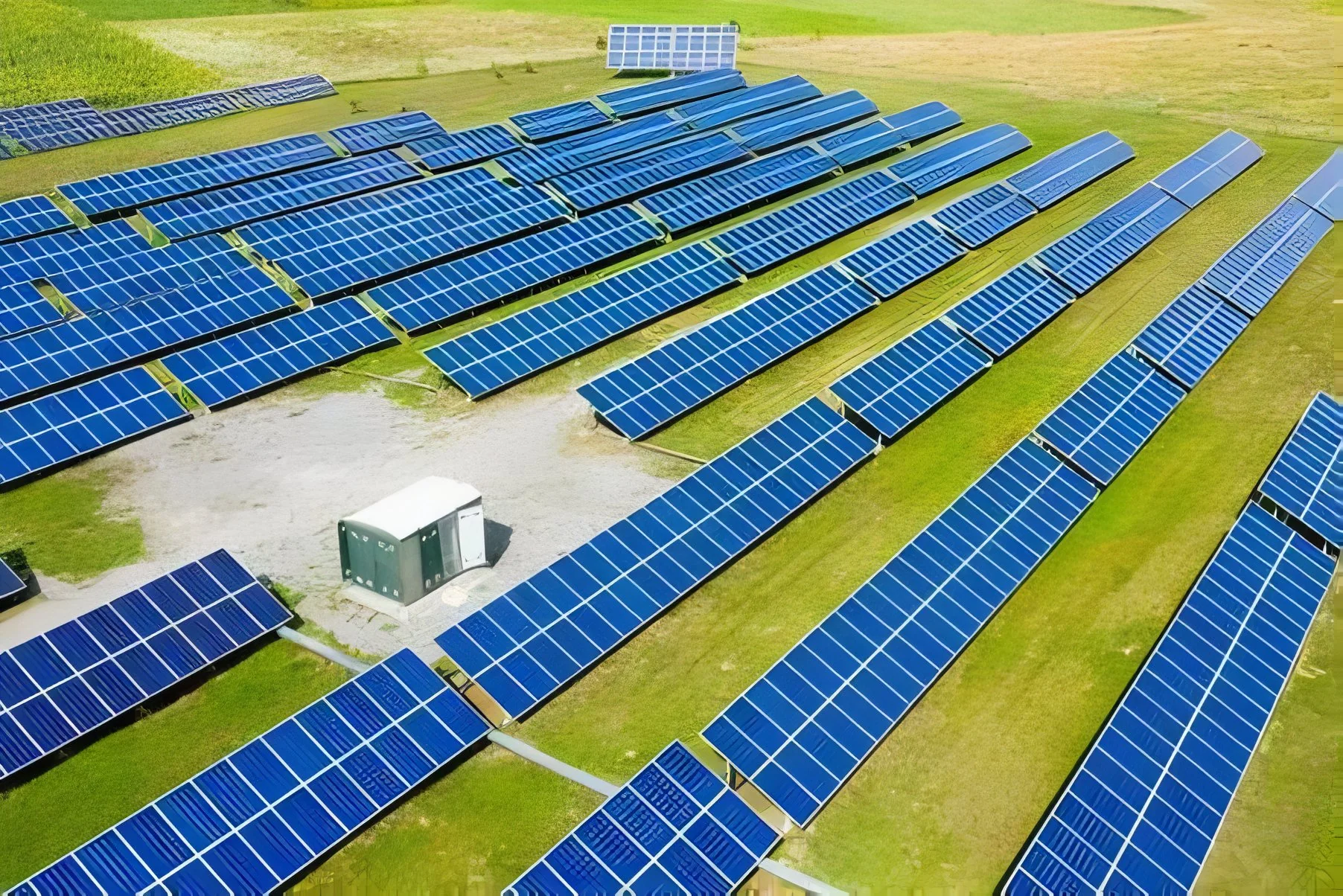
7. Integration with Renewable Energy Sources
- Support for solar, wind, and other clean energy technologies
- Optimization of hybrid energy systems
8. Compliance Tracking
- Tools to ensure adherence to local and international standards
- Automated updates to regulatory changes
These features collectively enable businesses to improve their energy management strategies, leading to enhanced operational efficiencies and cost reductions.
Common Applications and Use Cases
Energy Management & Automation Services find applications across a wide variety of industries. These services are crucial for organizations looking to optimize energy use and reduce costs.
1. Manufacturing: Energy management solutions help manufacturers monitor machinery energy consumption, identify inefficiencies, and reduce operational costs while ensuring compliance with environmental standards.
2. Commercial Real Estate: Property managers utilize automation services to control lighting, heating, and cooling systems, resulting in significant cost savings and improved tenant comfort.
3. Utilities: Energy providers leverage these services to manage grid operations, optimize resource allocation, and enhance customer engagement through energy usage insights.
4. Healthcare: Hospitals and clinics apply energy management systems to maintain optimal conditions for patient care while minimizing energy waste.
5. Data Centers: These facilities use automation services to manage cooling systems and power consumption, ensuring efficient operation and reliability.
6. Retail: Retailers implement energy management solutions to monitor energy usage across multiple locations, helping to reduce costs and improve sustainability initiatives.
7. Educational Institutions: Schools and universities adopt these services to enhance energy efficiency in campus facilities, aligning with sustainability goals while managing budgets.
Product Variants and Subcategories
Energy Management & Automation Services offer a variety of options to cater to different business needs. Each variant provides specific features that address unique operational challenges.
Energy Monitoring Solutions
These services focus on tracking energy consumption patterns in real-time, providing businesses with insights to optimize usage and reduce costs.
Automated Control Systems
These systems enable businesses to automate energy usage across facilities, adjusting consumption based on real-time demand and operational schedules.
Energy Auditing Services
These audits assess current energy practices and identify areas for improvement, helping organizations develop more efficient energy strategies.
Benefits and Advantages
Implementing Energy Management & Automation Services provides numerous advantages for businesses striving for efficiency and cost-effectiveness.
Key benefits include:
1. Cost Savings: Significant reductions in energy expenses through optimized usage and improved operational efficiency.
2. Enhanced Operational Efficiency: Streamlined processes lead to improved productivity and reduced downtime.
3. Sustainability: Supports organizations in achieving environmental goals by minimizing waste and promoting the use of renewable energy sources.
4. Compliance Assurance: Helps businesses meet regulatory requirements and industry standards, reducing legal and financial risks.
5. Data-Driven Decision Making: Access to detailed analytics enables informed decisions regarding energy usage and investments.
6. Increased Asset Longevity: Automation and monitoring prolong the life of equipment by ensuring optimal operating conditions.
Buying Guide for B2B Buyers
When sourcing Energy Management & Automation Services, it is important for buyers to consider several key factors to ensure they select the right solutions for their needs.
1. Quality Assessment: Evaluate the quality of services by reviewing case studies, customer testimonials, and performance metrics. Look for scalable solutions that can adapt to future needs.
2. Supplier Verification: Vet suppliers by checking their credentials, industry experience, and customer feedback. Ensure they have a reliable support system in place.
3. Pricing and MOQ: Consider the cost of services and any minimum order quantities. Compare pricing models to find options that fit within budgetary constraints.
4. Delivery and Lead Times: Assess logistics capabilities, including delivery schedules and installation timelines. Ensure suppliers can meet your operational deadlines.
5. Compliance Requirements: Understand the regulatory landscape relevant to your industry. Ensure the services comply with local and international standards to avoid potential penalties.
Compliance and Certifications
Energy Management & Automation Services must adhere to various quality standards and certifications to ensure safety and effectiveness.
Relevant quality standards include ISO 9001, which focuses on quality management systems, and HACCP, which ensures food safety management. Compliance with these standards is essential for industries that require stringent quality controls.
The CE certification is a key indicator of compliance with European safety and health standards. This certification ensures that products meet the necessary requirements for safety and performance in the European market.
Safety and testing requirements are critical, particularly for systems that operate in high-demand environments. Regular testing helps to maintain system integrity and functionality.
Regional compliance considerations may vary based on local regulations. Businesses should be aware of specific requirements in their operational regions to ensure compliance and avoid penalties.
Why Source Energy Management & Automation Services from Pepagora?
Pepagora provides a trusted platform for sourcing Energy Management & Automation Services, offering several key advantages that set it apart from competitors.
Verified Supplier Network: Pepagora has a comprehensive process for verifying suppliers, ensuring that businesses connect with reliable and quality-focused providers. This verification process builds trust and confidence among buyers.
Streamlined RFQ Process: The platform facilitates a simplified request for quotation (RFQ) process, enabling buyers to receive competitive offers from multiple suppliers efficiently. This ensures businesses can make informed purchasing decisions quickly.
Trade Assurance and Support: Pepagora offers trade assurance measures that protect buyers throughout the purchasing process. This includes support services that help resolve any issues that may arise during transactions.
Regional Coverage: With a presence in India, the GCC, and Southeast Asia, Pepagora provides extensive geographic reach. This ensures that businesses in these regions have access to quality Energy Management & Automation Services tailored to local needs.

 IN
IN

 India
India