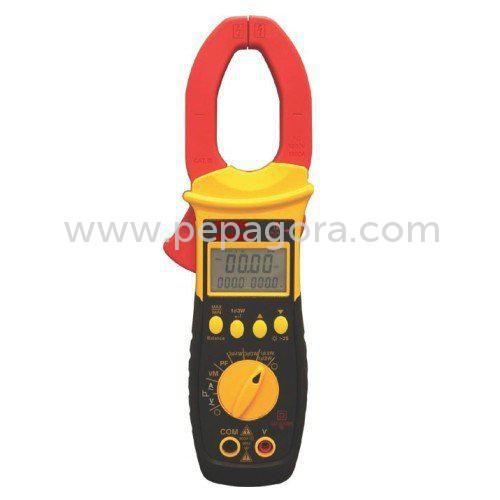
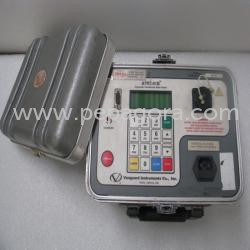
𝗪𝗵𝗮𝘁 𝗮𝗿𝗲 𝗘𝗹𝗲𝗰𝘁𝗿𝗶𝗰𝗮𝗹 𝗧𝗲𝘀𝘁𝗶𝗻𝗴 & 𝗖𝗼𝗺𝗺𝗶𝘀𝘀𝗶𝗼𝗻𝗶𝗻𝗴?
Electrical testing and commissioning is a crucial process that ensures electrical systems and components are installed, function correctly, and meet the required safety standards. This process involves a series of inspections, tests, and verifications to confirm that electrical installations, such as wiring, circuit breakers, transformers, and other components, operate safely and efficiently. The goal is to identify any issues before the system goes live, preventing costly downtime and ensuring operational reliability.
Electrical testing and commissioning are primarily used in various sectors, including construction, manufacturing, and utilities. Businesses rely on this process to ensure their electrical systems are compliant with industry standards and regulations. Proper testing and commissioning reduce the risk of electrical failures, enhance system performance, and increase the lifespan of electrical equipment. The growing emphasis on safety and efficiency in industrial operations has elevated the importance of these services in today’s market.
With the increasing complexity of electrical systems and the stringent demands of regulatory bodies, the relevance of electrical testing and commissioning is more pronounced than ever. Companies are investing in these services not only to comply with standards but also to improve operational efficiency and safety. As industries continue to evolve, the need for reliable electrical testing services will remain a critical aspect of electrical infrastructure development.
𝗞𝗲𝘆 𝗙𝗲𝗮𝘁𝘂𝗿𝗲𝘀 𝗮𝗻𝗱 𝗦𝗽𝗲𝗰𝗶𝗳𝗶𝗰𝗮𝘁𝗶𝗼𝗻𝘀
Electrical testing and commissioning services encompass a variety of features that ensure comprehensive evaluations of electrical systems. These features are designed to meet industry standards and provide valuable insights into system performance.
Key specifications include:
1. Insulation Resistance Testing
- Measures the resistance of electrical insulation to prevent current leakage
- Typically requires values greater than 1 MΩ for safety
2. Continuity Testing
- Verifies that electrical connections are complete and resistance is minimal
- Ensures a low-resistance path for electrical flow
3. Earth Ground Testing
- Assesses the effectiveness of grounding systems to prevent electrical shock
- Requires measurements within specified resistance levels
4. Voltage Testing
- Checks the voltage levels across electrical components to ensure they meet design specifications
- Commonly performed at nominal voltage levels
5. Circuit Breaker Testing
- Evaluates the performance of circuit breakers under load conditions
- Tests include trip time and operational integrity
6. Power Quality Analysis
- Monitors voltage, current, frequency, and harmonics to assess power quality
- Identifies issues like voltage sags and surges that can affect equipment
7. Functional Testing
- Confirms that electrical systems operate as intended under normal conditions
- Involves simulating operational scenarios to validate performance
8. Thermal Imaging
- Uses infrared technology to detect overheating components
- Helps identify potential failures before they cause significant damage
These specifications not only ensure safety but also enhance the reliability and efficiency of electrical systems.
𝗖𝗼𝗺𝗺𝗼𝗻 𝗔𝗽𝗽𝗹𝗶𝗰𝗮𝘁𝗶𝗼𝗻𝘀 𝗮𝗻𝗱 𝗨𝘀𝗲 𝗖𝗮𝘀𝗲𝘀
Electrical testing and commissioning find applicability across various industries, where ensuring electrical reliability is paramount.
1. Construction: In new building projects, thorough testing and commissioning are critical to ensure that all electrical installations comply with safety standards and function correctly before occupancy.
2. Manufacturing: Factories utilize electrical testing to maintain operational integrity of machinery and equipment, preventing unexpected downtime caused by electrical failures.
3. Utilities: Power generation and distribution companies perform regular testing and commissioning to ensure the reliability of their electrical networks and maintain compliance with regulatory requirements.
4. Telecommunications: Telecom companies rely on electrical testing to verify the performance of their network infrastructure and ensure uninterrupted service to customers.
5. Healthcare: Hospitals and medical facilities conduct rigorous electrical testing to ensure that life-supporting equipment operates safely and reliably.
6. Transportation: Airports and transportation hubs utilize electrical commissioning to ensure that signaling and communication systems function properly for safe operations.
7. Data Centers: Electrical testing in data centers is essential to prevent outages and ensure the reliability of power supply to critical IT systems.
𝗣𝗿𝗼𝗱𝘂𝗰𝘁 𝗩𝗮𝗿𝗶𝗮𝗻𝘁𝘀 𝗮𝗻𝗱 𝗦𝘂𝗯𝗰𝗮𝘁𝗲𝗴𝗼𝗿𝗶𝗲𝘀
Electrical testing and commissioning services are diverse, offering different approaches tailored to specific needs.
Standard Testing Services: This variant includes essential testing procedures such as insulation resistance, continuity, and voltage testing. These services are vital for ensuring compliance with industry standards and safety regulations.
Advanced Commissioning Services: This variant focuses on comprehensive assessments, including power quality analysis and functional testing. It is ideal for complex electrical systems requiring in-depth evaluations.
Custom Testing Solutions: Tailored testing services are available for unique applications or specific industry requirements. These solutions are designed to meet the specific needs of businesses that have specialized electrical systems.
𝗕𝗲𝗻𝗲𝗳𝗶𝘁𝘀 𝗮𝗻𝗱 𝗔𝗱𝘃𝗮𝗻𝘁𝗮𝗴𝗲𝘀
Utilizing electrical testing and commissioning provides multiple benefits to businesses.
1. Enhanced Safety: Regular testing minimizes the risk of electrical hazards, ensuring a safer working environment for employees.
2. Improved Reliability: Testing helps identify potential issues before they escalate, enhancing the reliability of electrical systems.
3. Cost Savings: Preventative testing can reduce maintenance costs and avoid costly downtime due to unexpected electrical failures.
4. Compliance Assurance: Ensures that electrical installations meet industry standards and regulatory requirements, avoiding potential legal issues.
5. Increased Equipment Lifespan: Regular testing optimizes equipment performance, potentially extending the lifespan of electrical components.
6. Energy Efficiency: Identifying inefficiencies during testing can lead to improved energy consumption, resulting in lower utility costs.
𝗕𝘂𝘆𝗶𝗻𝗴 𝗚𝘂𝗶𝗱𝗲 𝗳𝗼𝗿 𝗕𝟮𝗕 𝗕𝘂𝘆𝗲𝗿𝘀
When sourcing electrical testing and commissioning services, it is crucial for B2B buyers to consider several key factors.
1. Quality Assessment: Evaluate the service provider's adherence to quality standards. Look for certifications such as ISO 9001 that demonstrate commitment to quality management.
2. Supplier Verification: Conduct thorough vetting of suppliers to ensure they have the necessary expertise and experience in electrical testing and commissioning.
3. Pricing and MOQ: Understand the pricing structure and any minimum order quantities (MOQ) that may apply. Compare quotes to ensure competitive pricing.
4. Delivery and Lead Times: Assess the logistics involved in service delivery. Consider lead times and the supplier’s ability to meet project deadlines.
5. Compliance Requirements: Ensure the service provider is familiar with the relevant regulatory and compliance requirements specific to your industry.
𝗖𝗼𝗺𝗽𝗹𝗶𝗮𝗻𝗰𝗲 𝗮𝗻𝗱 𝗖𝗲𝗿𝘁𝗶𝗳𝗶𝗰𝗮𝘁𝗶𝗼𝗻𝘀
Electrical testing and commissioning services must adhere to various compliance and certification standards to ensure safety and reliability.
Relevant quality standards, such as ISO 9001, focus on quality management systems and continuous improvement. These standards ensure that service providers maintain high-quality practices throughout their operations.
Industry certifications, like CE marking, indicate that products and services meet European safety standards. This certification is essential for gaining trust in the marketplace.
Safety and testing requirements are governed by local and international standards that dictate the necessary procedures and guidelines for electrical installations.
Regional compliance considerations may vary significantly. Buyers should verify that testing services adhere to local regulations and standards in their respective geographical areas.
𝗪𝗵𝘆 𝗦𝗼𝘂𝗿𝗰𝗲 𝗘𝗹𝗲𝗰𝘁𝗿𝗶𝗰𝗮𝗹 𝗧𝗲𝘀𝘁𝗶𝗻𝗴 & 𝗖𝗼𝗺𝗺𝗶𝘀𝘀𝗶𝗼𝗻𝗶𝗻𝗴 𝗳𝗿𝗼𝗺 𝗣𝗲𝗽𝗮𝗴𝗼𝗿𝗮?
Pepagora offers a trusted platform for sourcing electrical testing and commissioning services, providing businesses with several key advantages.
Verified Supplier Network: Pepagora connects buyers with a network of verified suppliers who have been vetted for quality and reliability. This ensures peace of mind when sourcing essential services.
Streamlined RFQ Process: The request for quotation (RFQ) process on Pepagora is designed to be efficient, allowing buyers to receive multiple quotes from suppliers effortlessly. This simplifies the decision-making process.
Trade Assurance and Support: Pepagora provides trade assurance, offering buyers protection against potential risks associated with sourcing. Dedicated support teams are available to assist throughout the purchasing journey.
Regional Coverage: With a strong presence in India, the GCC, and Southeast Asia, Pepagora caters to a wide range of markets. This regional coverage ensures that buyers can access local suppliers tailored to their specific needs.

 IN
IN
 India
India