What are Earthing & Grounding Services?
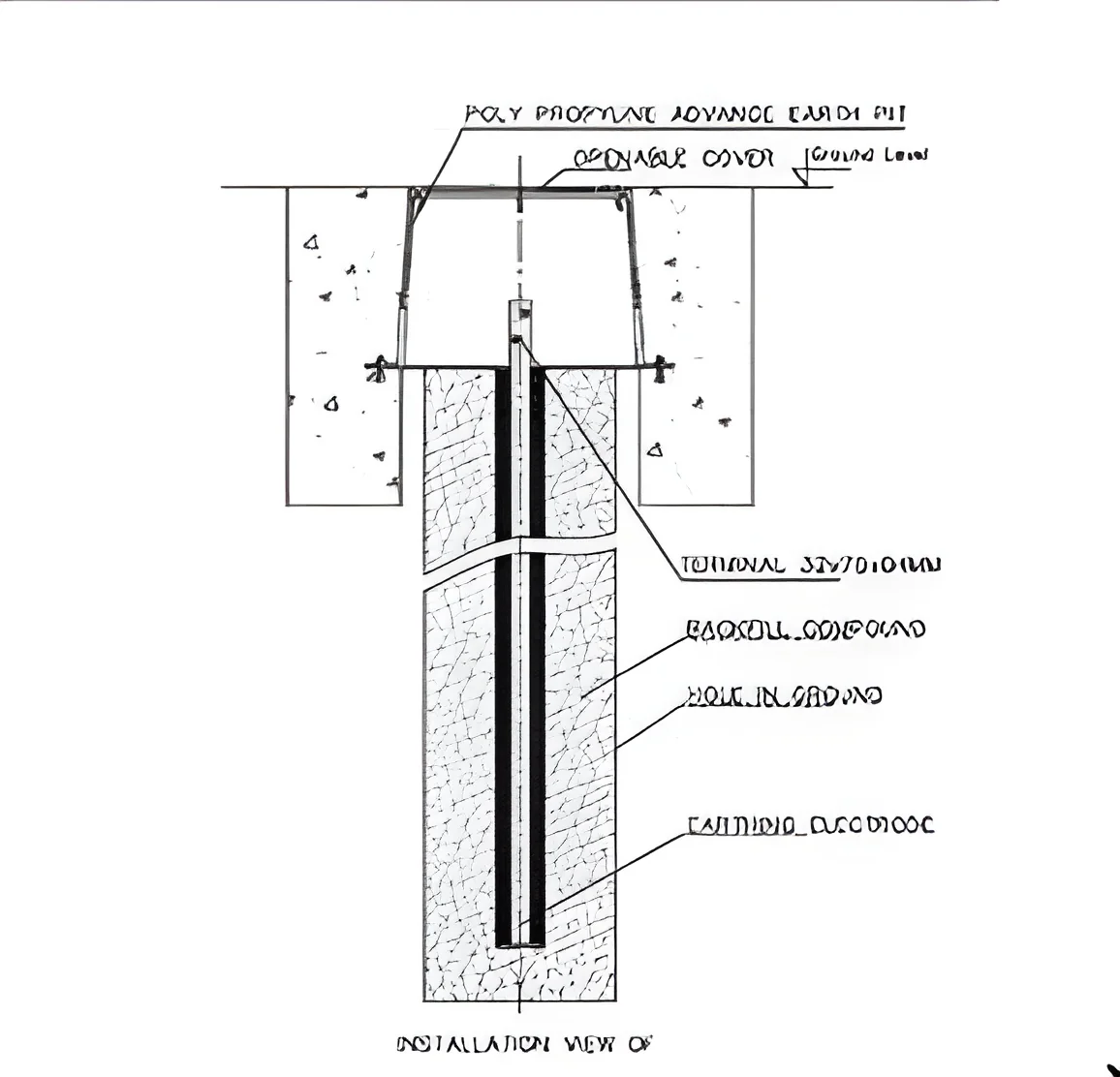
Earthing and grounding services are essential components of electrical safety and reliability in various industrial and commercial applications. These services involve creating a low-resistance path for electrical currents to safely dissipate into the ground, thus protecting both equipment and personnel from electrical faults. Proper earthing and grounding systems are crucial for preventing equipment damage, reducing fire hazards, and ensuring compliance with safety regulations.
These services are primarily used in sectors such as construction, manufacturing, telecommunications, and data centers. Businesses rely on effective grounding systems to maintain operational integrity and minimize the risk of electrical surges or failures. In an increasingly electrified world, where reliance on technology continues to grow, the importance of robust earthing and grounding systems has become even more pronounced, making them a critical focus for industries across the board.
As industries evolve and incorporate advanced technologies, the relevance of earthing and grounding services has expanded. The market is increasingly recognizing the need for such services to enhance safety measures and maintain compliance with regulatory standards. This growing awareness has led to a rise in demand for expert providers who can offer tailored solutions to meet specific operational needs.
Key Features and Specifications
Earthing and grounding services offer several key features that are vital for ensuring safety and performance in electrical systems. These specifications help businesses understand what to expect from these services, enabling them to make informed decisions when selecting a provider.
Key specifications include:
1. Ground Resistance Measurement
- Ensures effective earthing system performance
- Typically measured in ohms, with values ideally below 5 ohms
2. Material Quality
- Use of corrosion-resistant materials for longevity
- Common materials include copper, aluminum, and stainless steel
3. Installation Techniques
- Various methods such as rod, plate, and grid installations
- Techniques selected based on soil conditions and application needs
4. Compliance Standards
- Adherence to local and international safety standards
- Important certifications include CE compliance
5. System Monitoring
- Options for integrating monitoring systems to check ground integrity
- Helps in proactive maintenance and timely intervention
6. Customization Options
- Services can be tailored to meet specific industry requirements
- Ability to design systems for unique operational environments
7. Maintenance Services
- Regular inspection and maintenance offerings
- Ensures ongoing compliance and system effectiveness
In summary, understanding these key features and specifications helps businesses ensure their earthing and grounding systems are reliable and effective.
Common Applications and Use Cases
Earthing and grounding services are applicable across a wide range of industries, each with unique requirements for electrical safety.
1. Construction: In construction sites, proper grounding is essential to protect workers and equipment from electrical hazards. It ensures that temporary power systems are safe for use.
2. Manufacturing: In manufacturing plants, grounding helps minimize electrical noise and protects sensitive machinery from surges, thereby increasing operational efficiency.
3. Telecommunications: Grounding systems in telecom facilities protect communication equipment from lightning strikes and other electrical disturbances, ensuring uninterrupted service.
4. Data Centers: Effective grounding is critical in data centers to protect servers and networking equipment from electrical faults, safeguarding data integrity.
5. Healthcare: In medical facilities, grounding systems are vital to protect sensitive medical devices and maintain patient safety during electrical operations.
6. Utilities: Utility companies rely on grounding services to ensure the safety and reliability of power distribution networks, minimizing risks for both infrastructure and public safety.
7. Mining: In mining operations, grounding systems protect equipment from electrical faults and provide safety for personnel working in potentially hazardous environments.
Product Variants and Subcategories
Earthing and grounding services encompass a variety of solutions suitable for different applications and environments.
Earthing Rod Systems
These systems involve the use of metal rods driven into the ground to create an effective grounding path. They are ideal for residential and industrial applications where space allows for deep installation.
Grounding Plate Systems
Grounding plates provide a larger surface area for grounding, making them suitable for areas with high soil resistivity. They are often used in industrial settings where robust grounding solutions are required.
Grounding Grid Systems
Grid systems consist of a network of conductors laid out in a grid pattern, typically used in large facilities like data centers and substations. This system offers enhanced grounding performance across expansive areas.
Benefits and Advantages
The benefits of implementing earthing and grounding services are significant for businesses looking to enhance safety and operational reliability.
1. Enhanced Safety: Effective earthing and grounding systems protect personnel from electrical shocks, significantly reducing workplace accidents.
2. Equipment Protection: These systems safeguard sensitive electrical equipment from surges and faults, prolonging equipment life and reducing maintenance costs.
3. Regulatory Compliance: Proper grounding helps businesses meet local and international safety standards, avoiding potential fines or legal issues.
4. Improved System Performance: Grounding reduces electrical noise and disturbances, leading to increased efficiency and reliability in electrical systems.
5. Risk Mitigation: By preventing electrical hazards, businesses can minimize downtime and associated costs due to equipment failure or safety incidents.
6. Custom Solutions: Tailored earthing and grounding solutions ensure optimal performance based on specific operational requirements and environmental conditions.
Buying Guide for B2B Buyers
When sourcing earthing and grounding services, it is essential for businesses to consider several key factors to ensure they select the right provider.
1. Quality Assessment: Evaluate the quality of materials and installation practices used by the service provider. Look for certifications and compliance with industry standards to ensure reliability.
2. Supplier Verification: Conduct due diligence on potential suppliers by checking references and past projects. This helps ensure they have a proven track record in delivering effective grounding solutions.
3. Pricing and MOQ: Understand the pricing structure and minimum order quantities. Compare quotes from multiple suppliers to ensure you receive competitive pricing without compromising on quality.
4. Delivery and Lead Times: Consider the logistics involved in service delivery. Ensure the supplier can meet your project timelines and has efficient processes in place for timely completion.
5. Compliance Requirements: Verify that the provider adheres to relevant regulatory and safety standards in your region. This helps avoid future compliance issues and ensures the safety of your operations.
Compliance and Certifications
Compliance and certifications are critical components of earthing and grounding services. Adhering to relevant quality standards ensures that these services meet safety and operational requirements.
Key quality standards include ISO 9001, which outlines requirements for quality management systems, ensuring consistent service delivery. Additionally, HACCP and GDP standards may apply in specific industries where safety and quality control are paramount.
Industry certifications, such as CE marking, indicate compliance with European safety and performance requirements. These certifications help businesses demonstrate their commitment to safety and reliability.
Safety and testing requirements are also vital, involving regular inspections and assessments of earthing systems to ensure ongoing compliance and effectiveness.
Furthermore, regional compliance considerations may vary, so it is essential to be aware of local regulations governing grounding practices in your area.
Why Source Earthing & Grounding Services from Pepagora?
Pepagora offers a trusted platform for sourcing earthing and grounding services, providing several key advantages to B2B buyers.
Verified Supplier Network: Pepagora connects buyers with a network of verified suppliers, ensuring that businesses can source services from reputable providers with proven expertise in earthing and grounding.
Streamlined RFQ Process: The request for quotation (RFQ) process is designed to be straightforward, allowing buyers to easily compare services and pricing from multiple suppliers. This transparency fosters informed decision-making.
Trade Assurance and Support: With trade assurance, buyers can feel confident in their purchases. Pepagora offers support throughout the sourcing process, helping to resolve any issues that may arise and ensuring a positive experience.
Regional Coverage: Pepagora's geographic reach extends across India, the GCC, and Southeast Asia, ensuring that businesses in these regions have access to high-quality earthing and grounding services tailored to their specific operational needs.

 IN
IN
 India
India