
 IN
INDigital Supply Chain Solutions
2 products available
What are Digital Supply Chain Solutions?
Key Features and Specifications
Common Applications and Use Cases
Product Variants and Subcategories
Benefits and Advantages
Buying Guide for B2B Buyers
Compliance and Certifications
Why Source Digital Supply Chain Solutions from Pepagora?




Frequently Asked Questions
What are Digital Supply Chain Solutions?
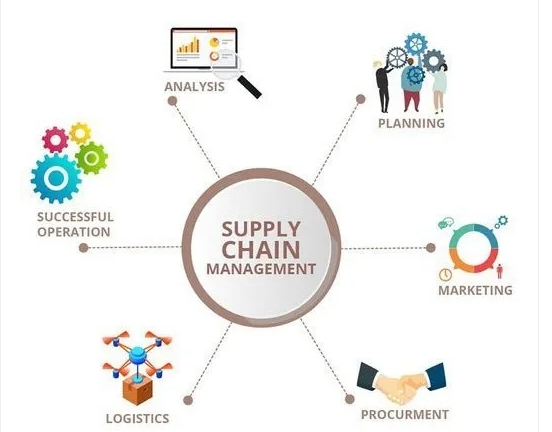
Digital Supply Chain Solutions refer to the technology-driven tools and processes that enhance the efficiency and effectiveness of supply chain operations. These solutions leverage data analytics, automation, and connectivity to streamline logistics, inventory management, and demand forecasting.
What are the different types of Digital Supply Chain Solutions?
Different types of Digital Supply Chain Solutions include inventory management systems, transportation management systems, warehouse management systems, and supply chain visibility platforms. Each type serves a specific function within the supply chain, ensuring smooth operations and improved decision-making.
How do I choose the right Digital Supply Chain Solutions?
To choose the right Digital Supply Chain Solutions, assess your specific business needs, existing infrastructure, and scalability requirements. Additionally, consider factors such as ease of integration, user interface, vendor reputation, and customer support.
What are the standard specifications for Digital Supply Chain Solutions?
Standard specifications for Digital Supply Chain Solutions typically include compatibility with existing systems, real-time data processing capabilities, user-friendly interfaces, and robust security features. It is also essential that these solutions support mobile access and provide comprehensive reporting tools.
What is the price range for Digital Supply Chain Solutions?
The price range for Digital Supply Chain Solutions can vary significantly based on the complexity and features offered. Basic solutions may start from a few thousand Indian Rupees per month, while more comprehensive systems can cost several lakhs annually.
What quality standards apply to Digital Supply Chain Solutions?
Quality standards for Digital Supply Chain Solutions often align with industry benchmarks such as ISO certifications, ensuring reliability, security, and efficiency. Adherence to these standards helps in maintaining data integrity and operational excellence.
Where can I find Digital Supply Chain Solutions suppliers in India?
You can find Digital Supply Chain Solutions suppliers in India through online B2B marketplaces like Pepagora, industry trade shows, and technology expos. Networking within industry-specific forums and consulting with industry associations can also lead to reputable suppliers.
Can Digital Supply Chain Solutions be customized?
Yes, many Digital Supply Chain Solutions offer customization options to tailor functionalities according to specific business requirements. Customization can include features, interfaces, and integrations with existing systems to better suit unique operational needs.
What is the typical minimum order quantity for Digital Supply Chain Solutions?
The typical minimum order quantity (MOQ) for Digital Supply Chain Solutions can vary by supplier and the nature of the solution provided. Generally, software solutions may not have an MOQ, while hardware-related solutions could have specific quantity requirements.
What is the typical lead time for Digital Supply Chain Solutions?
The typical lead time for Digital Supply Chain Solutions depends on the complexity of the solution and the vendor's capacity. On average, implementation can take anywhere from a few weeks to several months, including setup, testing, and training.
Why Businesses Trust Pepagora
Thousands of companies trust Pepagora to source smarter and sell faster
Expand Your Sales Globally

Source Smarter,Grow Faster
