𝗪𝗵𝗮𝘁 𝗮𝗿𝗲 𝗦𝘂𝗽𝗽𝗹𝘆 𝗖𝗵𝗮𝗶𝗻 𝗠𝗮𝗻𝗮𝗴𝗲𝗺𝗲𝗻𝘁 𝗦𝗲𝗿𝘃𝗶𝗰𝗲𝘀?
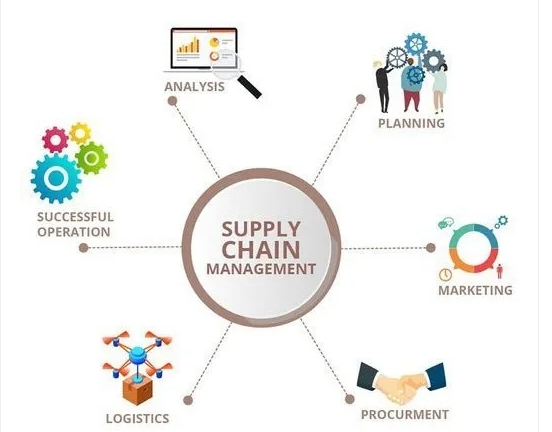
Supply Chain Management Services encompass a range of integrated processes that help businesses manage the flow of goods, information, and finances as products move from origin to consumption. These services are designed to optimize supply chain operations, enhance efficiency, and reduce costs. By leveraging various strategies and technologies, companies can coordinate their activities more effectively, ensuring timely delivery and improved customer satisfaction.
The primary applications of Supply Chain Management Services are found in industries where logistics and inventory management are critical. These services enable businesses to streamline their operations, manage suppliers, and maintain inventory levels. By doing so, companies can respond to market changes and customer demands more swiftly. In today's competitive landscape, effective supply chain management is essential for sustaining a competitive edge and meeting the evolving needs of customers.
As industries continue to grow and globalize, the relevance of Supply Chain Management Services has become more pronounced. Businesses are increasingly relying on these services to navigate complexities in logistics, regulatory compliance, and technological advancements. The market for supply chain management is expanding, with organizations seeking solutions that enhance transparency, efficiency, and responsiveness across their supply chains.
𝗞𝗲𝘆 𝗙𝗲𝗮𝘁𝘂𝗿𝗲𝘀 𝗮𝗻𝗱 𝗦𝗽𝗲𝗰𝗶𝗳𝗶𝗰𝗮𝘁𝗶𝗼𝗻𝘀
Supply Chain Management Services offer a variety of features designed to enhance operational efficiency and effectiveness. These services focus on integrating various components of the supply chain to ensure smooth and timely operations.
Key specifications include:
1. Process Integration
- Seamless coordination of various supply chain processes
- Enhances collaboration between suppliers, manufacturers, and distributors
2. Inventory Management
- Real-time tracking and monitoring of inventory levels
- Reduces excess stock and minimizes stockouts
3. Demand Forecasting
- Uses historical data and market trends to predict future demand
- Improves planning and reduces waste
4. Supplier Relationship Management
- Tools for assessing and managing supplier performance
- Facilitates better communication and collaboration
5. Logistics Optimization
- Streamlining transportation and warehousing operations
- Reduces costs and improves delivery times
6. Data Analytics
- Utilizes data to drive decision-making and process improvements
- Identifies trends and opportunities for optimization
7. Compliance Tracking
- Ensures adherence to industry regulations and standards
- Facilitates reporting and audits
8. Risk Management
- Identifies potential risks in the supply chain
- Develops strategies to mitigate disruptions
In summary, these specifications highlight the focus on efficiency, collaboration, and compliance in Supply Chain Management Services. By integrating these features, businesses can enhance their supply chain operations and respond effectively to market dynamics.
𝗖𝗼𝗺𝗺𝗼𝗻 𝗔𝗽𝗽𝗹𝗶𝗰𝗮𝘁𝗶𝗼𝗻𝘀 𝗮𝗻𝗱 𝗨𝘀𝗲 𝗖𝗮𝘀𝗲𝘀
Supply Chain Management Services are applicable across various industries, each benefiting from enhanced operational efficiency and cost savings.
1. Manufacturing: In the manufacturing sector, these services streamline procurement processes, manage raw materials, and ensure timely delivery of components, which is crucial for production schedules.
2. Retail: Retailers utilize supply chain management to optimize inventory levels, manage supplier relationships, and enhance logistics, ensuring products are available when customers need them.
3. Healthcare: In healthcare, supply chain management helps manage the procurement of medical supplies and equipment, ensuring that healthcare providers have the necessary resources to deliver quality care.
4. Automotive: The automotive industry relies on these services to coordinate parts supply and distribution, ensuring that manufacturing plants receive components just in time for assembly.
5. Food and Beverage: Supply chain management in this sector focuses on maintaining quality and compliance, managing perishable goods, and optimizing distribution channels.
6. E-commerce: E-commerce businesses leverage supply chain management to enhance order processing, manage returns, and optimize last-mile delivery.
7. Pharmaceuticals: In pharmaceuticals, these services ensure compliance with regulatory requirements while managing the distribution of sensitive and temperature-controlled products.
𝗣𝗿𝗼𝗱𝘂𝗰𝘁 𝗩𝗮𝗿𝗶𝗮𝗻𝘁𝘀 𝗮𝗻𝗱 𝗦𝘂𝗯𝗰𝗮𝘁𝗲𝗴𝗼𝗿𝗶𝗲𝘀
Supply Chain Management Services exhibit diversity to cater to different business needs. This variety allows companies to select services that best align with their operational requirements.
Variant 1: Integrated Supply Chain Solutions
These solutions provide comprehensive management of all supply chain components, from procurement to logistics. They are ideal for businesses looking for a holistic approach to streamline operations.
Variant 2: Supply Chain Consulting Services
These services offer expert guidance on optimizing supply chain processes. They include assessments, strategy development, and implementation support, making them suitable for organizations seeking to improve efficiency.
Variant 3: Technology-Driven Supply Chain Services
These services leverage advanced technologies such as AI and IoT for enhanced visibility and real-time data analysis. They are particularly valuable for companies aiming to innovate their supply chain operations.
𝗕𝗲𝗻𝗲𝗳𝗶𝘁𝘀 𝗮𝗻𝗱 𝗔𝗱𝘃𝗮𝗻𝘁𝗮𝗴𝗲𝘀
Supply Chain Management Services provide numerous benefits that contribute to improved business performance.
1. Cost Reduction: By optimizing operations and reducing waste, companies can significantly lower their supply chain costs.
2. Enhanced Efficiency: Streamlined processes lead to faster response times and improved productivity, allowing businesses to meet customer demands more effectively.
3. Improved Customer Satisfaction: Timely delivery and accurate inventory management ensure that customer needs are met, enhancing overall satisfaction.
4. Increased Visibility: Real-time data tracking enables businesses to monitor supply chain performance and make informed decisions quickly.
5. Risk Mitigation: Identifying potential risks and developing contingency plans helps businesses navigate disruptions effectively.
6. Compliance Assurance: Supply Chain Management Services facilitate adherence to regulatory requirements, reducing the risk of legal issues.
𝗕𝘂𝘆𝗶𝗻𝗴 𝗚𝘂𝗶𝗱𝗲 𝗳𝗼𝗿 𝗕𝟮𝗕 𝗕𝘂𝘆𝗲𝗿𝘀
When sourcing Supply Chain Management Services, it is essential for businesses to consider several key factors to ensure they select the right provider.
1. Quality Assessment: Evaluate the quality of services offered by potential suppliers. Look for proven methodologies, case studies, and client testimonials that demonstrate effectiveness.
2. Supplier Verification: Vet suppliers to ensure they have a solid reputation and the necessary capabilities. This includes checking references and assessing their experience in your industry.
3. Pricing and MOQ: Analyze pricing structures and minimum order quantities (MOQ) to ensure they align with your budget and operational needs. Understand any additional costs that may arise.
4. Delivery and Lead Times: Inquire about delivery schedules and lead times to ensure that the supplier can meet your timelines without compromising service quality.
5. Compliance Requirements: Confirm that potential suppliers adhere to relevant regulatory and compliance standards specific to your industry, ensuring that all services meet necessary guidelines.
𝗖𝗼𝗺𝗽𝗹𝗶𝗮𝗻𝗰𝗲 𝗮𝗻𝗱 𝗖𝗲𝗿𝘁𝗶𝗳𝗶𝗰𝗮𝘁𝗶𝗼𝗻𝘀
Supply Chain Management Services are subject to various quality standards and certifications that ensure reliability and safety.
Relevant quality standards such as ISO 9001 focus on quality management systems, promoting consistent service delivery and customer satisfaction. Additionally, the Hazard Analysis Critical Control Point (HACCP) is crucial in industries like food and pharmaceuticals, ensuring that safety standards are maintained throughout the supply chain.
Industry certifications, such as CE, indicate that products comply with safety, health, and environmental protection standards within the European market. These certifications provide assurance to businesses that the services they receive meet stringent quality benchmarks.
Safety and testing requirements are also paramount, particularly in sectors where products are sensitive to environmental factors. Companies must ensure that their suppliers adhere to these requirements to avoid potential risks.
Regional compliance considerations may vary, necessitating that businesses remain informed about local regulations that could impact their supply chain operations.
𝗪𝗵𝘆 𝗦𝗼𝘂𝗿𝗰𝗲 𝗦𝘂𝗽𝗽𝗹𝘆 𝗖𝗵𝗮𝗶𝗻 𝗠𝗮𝗻𝗮𝗴𝗲𝗺𝗲𝗻𝘁 𝗦𝗲𝗿𝘃𝗶𝗰𝗲𝘀 𝗳𝗿𝗼𝗺 𝗣𝗲𝗽𝗮𝗴𝗼𝗿𝗮?
Pepagora offers a trusted platform for sourcing Supply Chain Management Services, providing a range of advantages that help businesses succeed.
Verified Supplier Network: Pepagora maintains a robust network of verified suppliers, ensuring that businesses can connect with reliable partners who meet their specific needs.
Streamlined RFQ Process: The platform simplifies the request for quotation (RFQ) process, allowing buyers to receive competitive quotes from multiple suppliers efficiently, thus saving time and resources.
Trade Assurance and Support: Buyers benefit from trade assurance services that protect their transactions, providing peace of mind and support throughout the procurement process.
Regional Coverage: Pepagora has a strong presence across India, the Gulf Cooperation Council (GCC), and Southeast Asia, enabling businesses to access a diverse range of suppliers and services tailored to their regional requirements.

 IN
IN