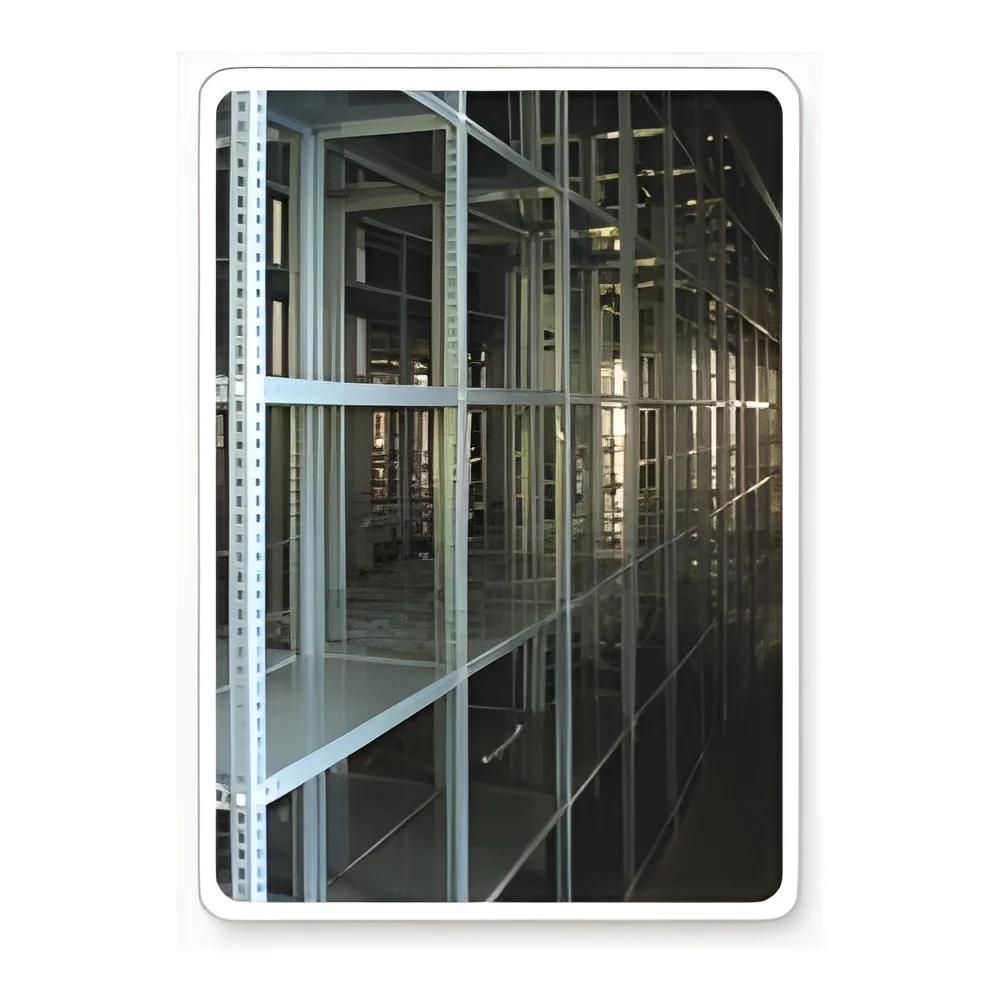
What are Warehouse & Distribution Planning?
Warehouse and distribution planning refers to the strategic process of managing the movement and storage of goods within a supply chain. This involves optimizing warehouse space, improving inventory management, and ensuring efficient distribution of products to meet customer demands. Effective planning helps businesses minimize costs, reduce delivery times, and enhance service levels.
The primary uses of warehouse and distribution planning include inventory control, order fulfillment, and logistics management. Businesses leverage these planning strategies to streamline operations, enhance supply chain visibility, and ultimately improve their bottom line. The application of these practices is critical across different sectors, including manufacturing, retail, and e-commerce, where the efficient handling of goods is paramount.
In today's competitive market, the relevance of warehouse and distribution planning is more pronounced than ever. With the rise of e-commerce and increased consumer expectations for fast delivery, companies are investing in advanced planning solutions. These solutions enable organizations to adapt to changing market dynamics and optimize their logistics operations effectively.
Key Features and Specifications
Warehouse and distribution planning incorporates several key features that enhance operational efficiency and effectiveness. Understanding these specifications is essential for businesses looking to improve their logistics processes.
Key specifications include:
1. Inventory Management Systems
- Facilitates real-time tracking of stock levels
- Supports automated reordering to prevent stockouts
2. Space Optimization Tools
- Analyzes warehouse layouts for maximum space utilization
- Provides insights for shelving and storage configuration
3. Transportation Management Systems (TMS)
- Streamlines shipment planning and route optimization
- Integrates with carrier networks for cost-effective shipping
4. Order Fulfillment Solutions
- Automates picking and packing processes
- Enhances accuracy in order processing
5. Reporting and Analytics Modules
- Offers insights into operational performance and inventory trends
- Enables data-driven decision-making for supply chain improvements
6. Compliance Monitoring Features
- Ensures adherence to industry regulations
- Provides documentation for audits and inspections
7. Integration Capabilities
- Seamlessly connects with existing ERP and CRM systems
- Facilitates data sharing across departments for improved collaboration
8. User-Friendly Interfaces
- Simplifies training for staff and operational workflows
- Enhances overall user experience for warehouse personnel
The combination of these features allows businesses to achieve higher efficiency and accuracy in warehouse and distribution operations.
Common Applications and Use Cases
Warehouse and distribution planning finds application across a multitude of industries, each with unique requirements and challenges.
1. Retail: Retailers utilize warehouse planning to manage inventory across multiple locations, ensuring that stock levels meet customer demand during peak shopping seasons.
2. Manufacturing: Manufacturers rely on distribution planning to synchronize production schedules with raw material supply, reducing downtime and improving efficiency.
3. E-commerce: E-commerce businesses implement advanced logistics planning to optimize last-mile delivery, enhancing customer satisfaction through timely order fulfillment.
4. Pharmaceuticals: The pharmaceutical industry employs stringent distribution planning to comply with regulatory requirements, ensuring the safe and timely delivery of medications.
5. Food and Beverage: Companies in this sector focus on efficient warehouse management to maintain perishable goods, utilizing temperature control and monitoring systems.
6. Automotive: Automotive manufacturers leverage distribution planning to manage complex supply chains, ensuring that parts are delivered just-in-time for assembly.
7. Electronics: Electronics firms employ warehouse planning to manage high-value inventory, minimizing shrinkage and ensuring quick access to products.
Product Variants and Subcategories
The diversity of warehouse and distribution planning solutions allows businesses to select options that best suit their operational needs.
Automated Warehouse Systems
These systems utilize robotics and automation to streamline inventory handling and order fulfillment processes. They enhance accuracy and speed, significantly improving operational efficiency.
Cloud-Based Distribution Solutions
These solutions offer flexibility and scalability for businesses of all sizes. They enable users to manage their logistics operations from anywhere, ensuring real-time visibility and control.
Mobile Warehouse Management Systems
Mobile solutions provide warehouse personnel with access to inventory data and management tools on handheld devices. This enhances communication and efficiency in fast-paced environments.
Benefits and Advantages
Implementing effective warehouse and distribution planning offers significant advantages for businesses.
Key benefits include:
1. Improved Efficiency: Streamlined processes reduce operational costs and enhance productivity, allowing teams to accomplish more with fewer resources.
2. Enhanced Accuracy: Advanced systems minimize errors in order processing and inventory management, resulting in higher customer satisfaction.
3. Cost Savings: By optimizing space and logistics, businesses can significantly lower storage and transportation costs.
4. Better Customer Service: Timely and accurate order fulfillment improves customer trust and loyalty, leading to repeat business.
5. Increased Flexibility: Adaptive planning solutions allow businesses to respond quickly to market changes and consumer demands.
6. Compliance Assurance: Effective planning ensures adherence to industry regulations, minimizing risks related to non-compliance.
Buying Guide for B2B Buyers
When sourcing warehouse and distribution planning solutions, businesses should consider several important factors.
1. Quality Assessment: Evaluate the quality of potential solutions through customer reviews, case studies, and performance metrics. Look for features that align with your operational needs.
2. Supplier Verification: Vet suppliers by checking references, certifications, and industry reputation. This ensures that you are partnering with reliable and trustworthy vendors.
3. Pricing and MOQ: Understand the pricing structure and minimum order quantities (MOQ) associated with different solutions. Compare options to find the best value for your budget.
4. Delivery and Lead Times: Assess the expected delivery timelines and lead times for implementation. Ensure that these align with your operational requirements to avoid disruptions.
5. Compliance Requirements: Consider any regulatory compliance needs relevant to your industry. Ensure that the solutions you choose meet these standards to avoid potential legal issues.
Compliance and Certifications
Warehouse and distribution planning solutions must adhere to various quality standards and industry regulations to ensure safety and efficiency.
Common relevant quality standards include ISO 9001, which focuses on quality management systems, and HACCP, which is critical for food safety. Compliance with Good Distribution Practices (GDP) is also essential for industries handling pharmaceuticals and biologics.
Additionally, obtaining industry certifications such as CE ensures that products meet European safety, health, and environmental requirements. Businesses must be aware of safety and testing requirements relevant to their specific industry to mitigate risks.
Regional compliance considerations may vary, emphasizing the importance of understanding local regulations that affect warehouse and distribution operations.
Why Source Warehouse & Distribution Planning from Pepagora?
Pepagora provides a trusted platform for sourcing warehouse and distribution planning solutions, offering several key advantages.
Verified Supplier Network: Pepagora ensures that all suppliers in its network are thoroughly vetted. This process guarantees that businesses are partnering with reputable vendors who offer high-quality products and services.
Streamlined RFQ Process: The request for quotation (RFQ) system simplifies the procurement process. B2B buyers can quickly and easily obtain quotes from multiple suppliers, enabling informed decision-making.
Trade Assurance and Support: Pepagora offers trade assurance, providing buyers with protection against transactional risks. This support fosters a secure buying environment and builds trust between buyers and suppliers.
Regional Coverage: With a strong presence in India, the Gulf Cooperation Council (GCC), and Southeast Asia, Pepagora effectively connects businesses with suppliers across these regions. This geographic reach allows for enhanced logistics and service delivery tailored to specific market needs.

 IN
IN