
 IN
Cross-Border Logistics Solutions
12 products available
What are Cross-Border Logistics Solutions?
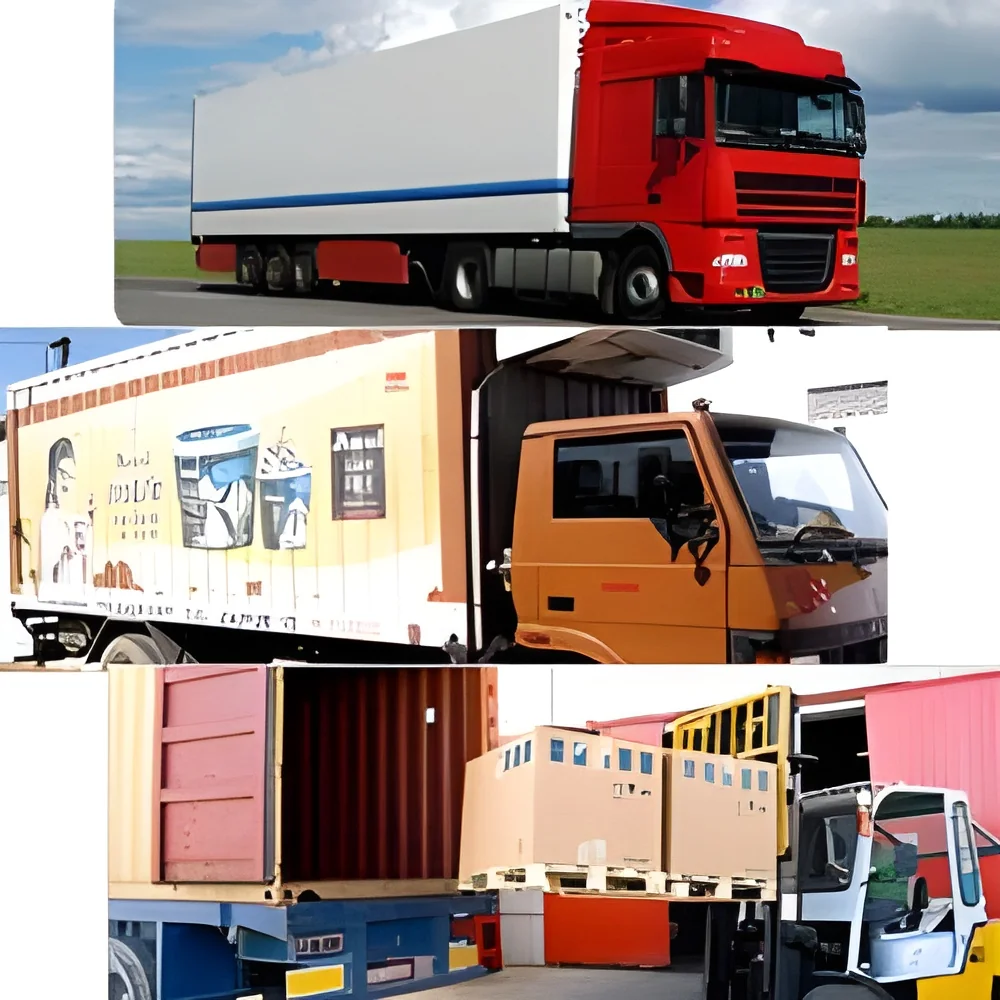
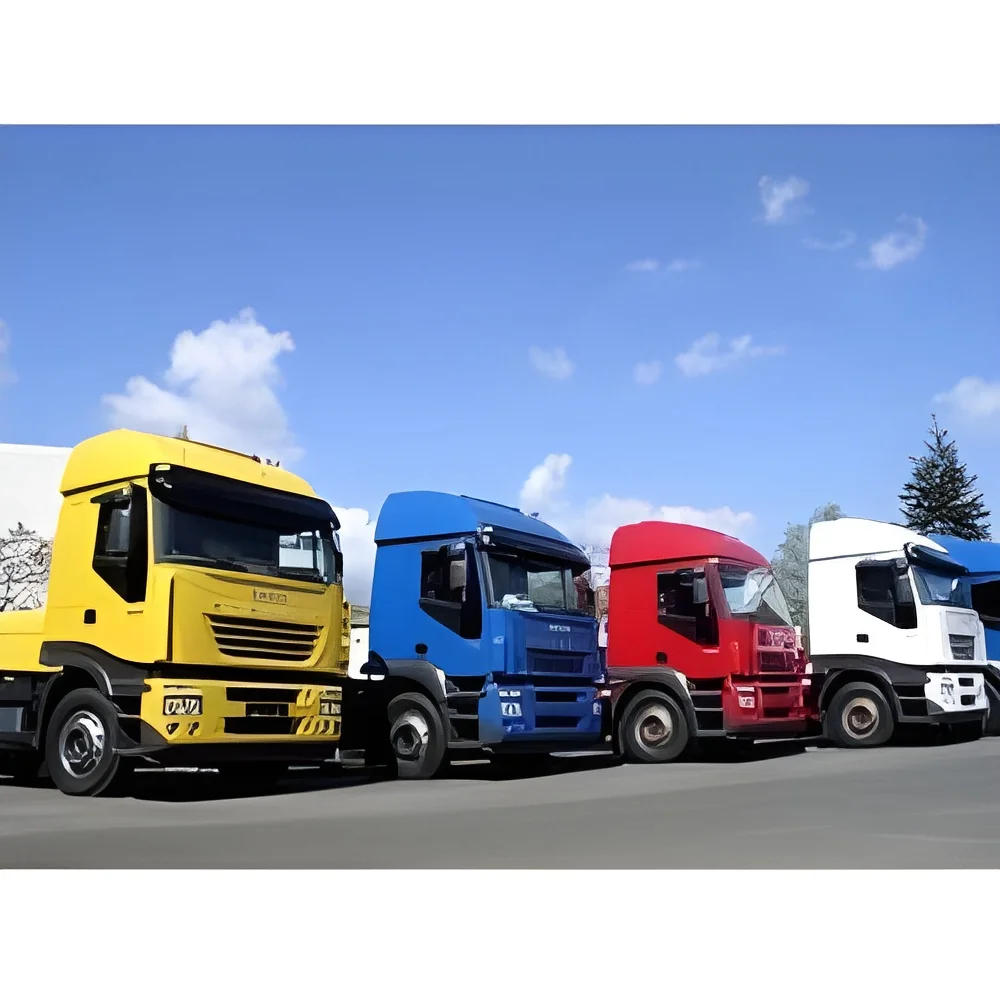
Cross-border logistics solutions refer to the management and transportation of goods across international borders. These solutions encompass a series of processes that ensure the efficient movement of products from one country to another. This includes customs clearance, freight forwarding, transportation management, and warehousing services. Cross-border logistics is crucial for businesses engaged in international trade, as it helps streamline operations and reduce costs associated with shipping and handling.
The primary use of cross-border logistics solutions is to facilitate international trade by providing businesses with the necessary tools and services to move their goods seamlessly. Companies in various sectors, such as manufacturing, retail, and e-commerce, utilize these services to expand their market reach and enhance supply chain efficiency. By leveraging cross-border logistics, businesses can optimize their inventory levels, reduce lead times, and improve customer satisfaction.
In today's global economy, the relevance of cross-border logistics is paramount. As businesses increasingly engage in international markets, the demand for reliable logistics solutions continues to grow. Market trends indicate a shift towards integrated logistics services that offer end-to-end visibility and flexibility. This evolution is essential for companies looking to maintain a competitive edge while navigating the complexities of global trade.
Key Features and Specifications
Cross-border logistics solutions come with various features designed to enhance efficiency and reliability in international shipping. These features address the complexities of customs regulations, transportation modes, and tracking capabilities.
Key specifications include:
1. Customs Clearance Services
- Assistance with documentation and compliance
- Quick processing times to minimize delays
2. Freight Forwarding Capabilities
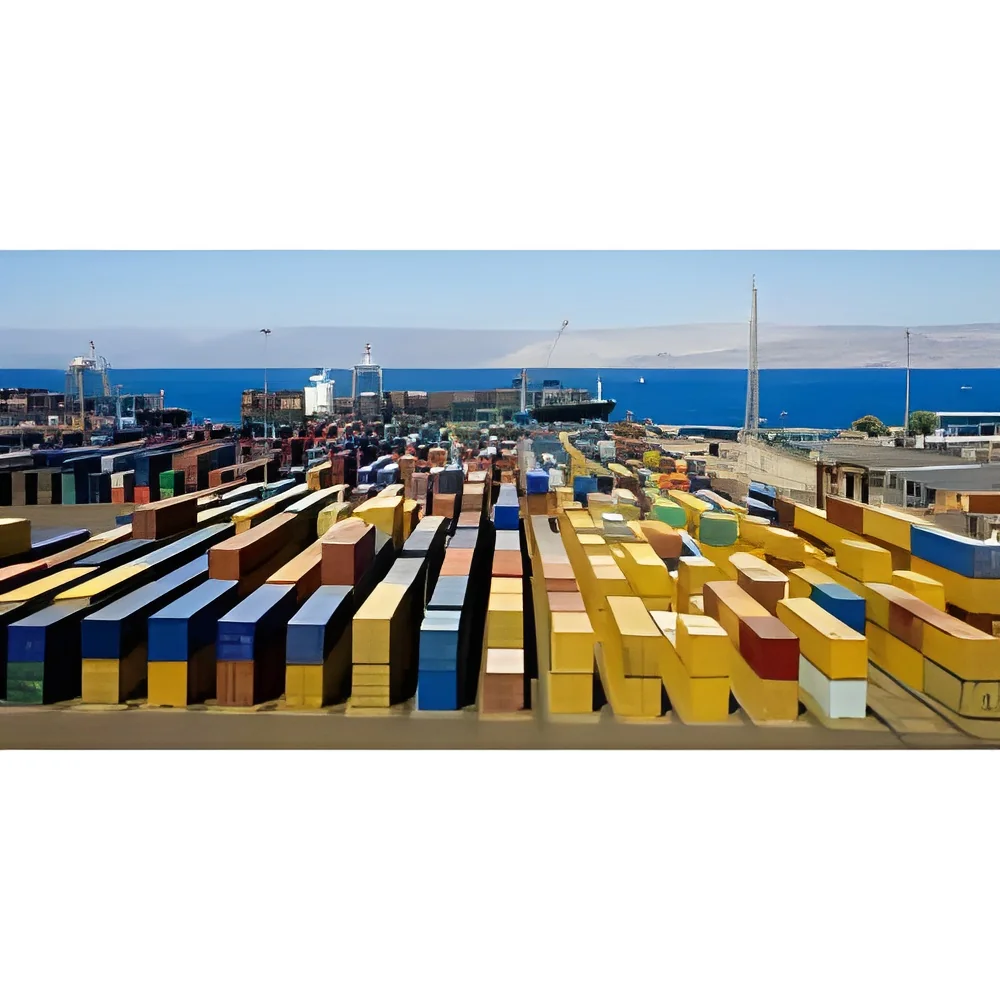
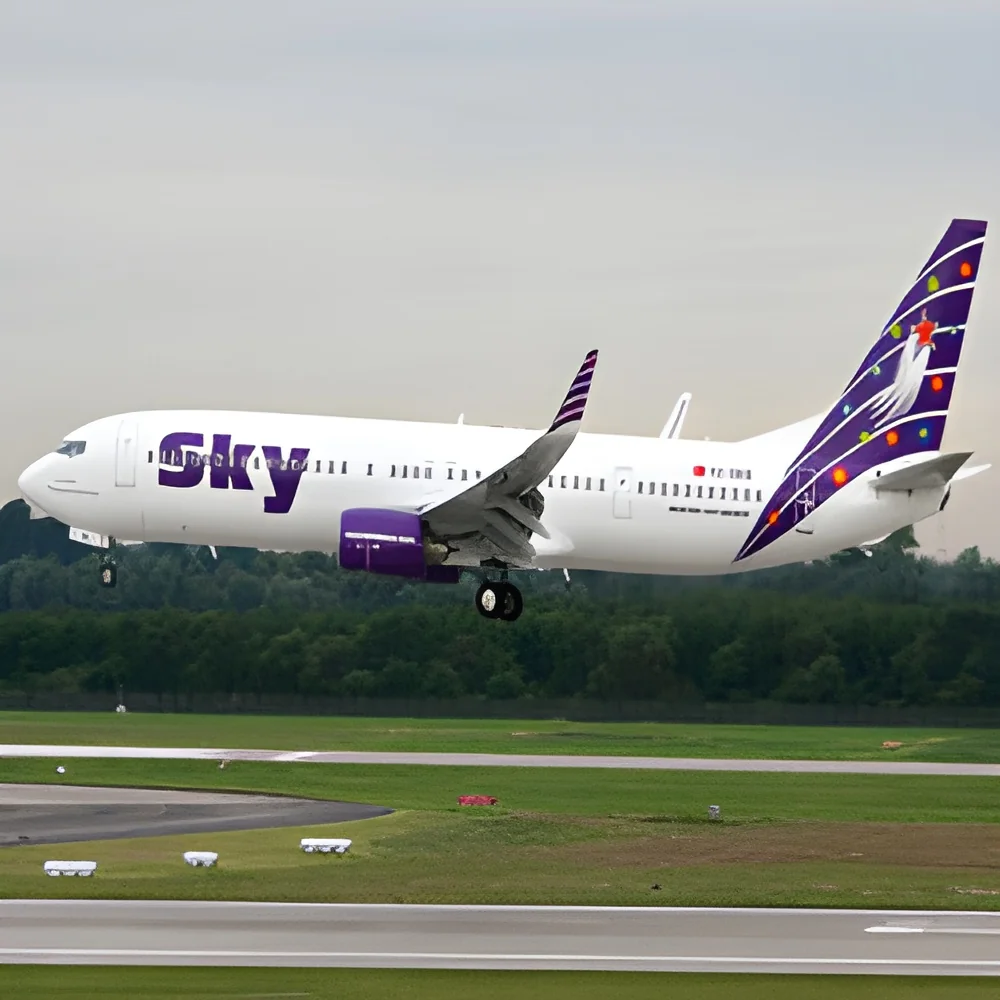
- Multi-modal transport options (air, sea, land)
- Coordination of shipments across different carriers
3. Real-Time Tracking
- GPS and RFID technologies for tracking shipments
- Updates on shipment status and location
4. Warehousing Solutions
- Secure storage facilities in strategic locations
- Inventory management services
5. Door-to-Door Delivery
- Comprehensive service from origin to destination
- Simplified logistics for end-users
6. Regulatory Compliance Assistance
- Guidance on international trade regulations
- Support for documentation and customs procedures
7. Insurance Options
- Coverage for goods in transit
- Protection against loss or damage
8. Temperature Control Solutions
- Specialized transport for perishable goods
- Compliance with food safety standards
In summary, cross-border logistics solutions offer a comprehensive suite of features that address the unique challenges of international shipping. These specifications enhance the efficiency, reliability, and security of transporting goods across borders.
Common Applications and Use Cases
Cross-border logistics solutions serve a wide range of industries, each with specific applications tailored to their needs.
1. Manufacturing: Companies in manufacturing utilize cross-border logistics to import raw materials and components from overseas suppliers, ensuring a steady supply for production processes.
2. Retail: Retailers leverage these solutions to expand their market reach by sourcing products globally and delivering them to local customers efficiently.
3. E-commerce: Online retailers depend on cross-border logistics to fulfill international orders, providing timely delivery and enhancing customer satisfaction.
4. Pharmaceuticals: The pharmaceutical industry requires specialized logistics to transport sensitive products while adhering to strict regulatory standards.
5. Automotive: Automotive manufacturers rely on cross-border logistics to manage the supply chain for parts and finished vehicles across different countries.
6. Electronics: Electronics companies benefit from cross-border logistics to import components and export finished products to global markets.
7. Agriculture: Agricultural businesses use these solutions to export perishables while ensuring compliance with health and safety regulations.
Product Variants and Subcategories
Cross-border logistics solutions are diverse, catering to various business needs and operational contexts.
Freight Forwarding Solutions
These solutions focus on managing the transportation of goods by coordinating with multiple carriers and ensuring compliance with international regulations. They often include customs clearance and real-time tracking features.
Customs Brokerage Services
Customs brokerage services specialize in navigating the complexities of customs regulations. They assist businesses in preparing the necessary documentation and ensuring compliance with legal requirements for imports and exports.
Warehousing and Distribution Services
These services provide secure storage and efficient distribution solutions. They enable businesses to manage inventory levels effectively and facilitate quick access to products for international shipping.
Benefits and Advantages
Cross-border logistics solutions offer numerous benefits that can significantly impact a business's operational efficiency.
Key benefits include:
1. Cost Efficiency: Streamlining logistics processes can lead to reduced operational costs, making international trade more profitable.
2. Speed of Delivery: Enhanced logistics capabilities ensure timely delivery of goods, improving customer satisfaction and retention.
3. Increased Market Reach: By utilizing cross-border logistics, businesses can expand into new markets and capitalize on global opportunities.
4. Enhanced Visibility: Real-time tracking and monitoring provide businesses with visibility into their supply chain, helping them make informed decisions.
5. Regulatory Compliance: Expert support in navigating customs regulations minimizes the risk of delays and penalties.
6. Customization: Solutions can be tailored to meet the specific needs of different industries, ensuring that logistics requirements are efficiently addressed.
Buying Guide for B2B Buyers
When sourcing cross-border logistics solutions, it is essential to consider several key factors to ensure a successful partnership.
1. Quality Assessment: Evaluate potential logistics providers based on their service quality, reliability, and track record in handling international shipments.
2. Supplier Verification: Conduct thorough vetting of suppliers to ensure they have the necessary certifications and experience in cross-border logistics.
3. Pricing and MOQ: Understand the pricing structure and minimum order quantities to ensure that they align with your budget and operational needs.
4. Delivery and Lead Times: Consider the logistics provider's ability to meet your delivery timelines and ensure that they can accommodate your schedule.
5. Compliance Requirements: Ensure that the logistics provider is knowledgeable about international regulations and can assist in navigating compliance needs.
Compliance and Certifications
Cross-border logistics solutions must adhere to various quality standards and certifications to ensure safety and reliability.
Relevant quality standards include ISO 9001, which outlines requirements for quality management systems, and HACCP, which focuses on food safety management. These standards help ensure that logistics providers maintain consistent quality in their operations.
Industry certifications such as CE indicate compliance with European safety standards, which is particularly important for products entering the European market.
Additionally, safety and testing requirements must be met to ensure that goods are transported without risk of damage or contamination.
Regional compliance considerations are also critical, as different countries have unique regulations governing the import and export of goods. Understanding these requirements is essential for successful cross-border logistics operations.
Why Source Cross-Border Logistics Solutions from Pepagora?
Pepagora provides a trusted platform for sourcing cross-border logistics solutions, offering several key advantages that cater to diverse business needs.
Verified Supplier Network: Pepagora features a comprehensive network of verified suppliers who have undergone rigorous vetting processes. This ensures that businesses can find reliable logistics partners with proven experience in cross-border shipping.
Streamlined RFQ Process: The platform simplifies the request for quotation process, allowing businesses to quickly compare offers from multiple suppliers. This efficiency saves time and enables better decision-making.
Trade Assurance and Support: Pepagora offers trade assurance and support services to protect buyers throughout the sourcing process. This includes assistance with dispute resolution and ensuring compliance with trade regulations.
Regional Coverage: With a strong presence in regions such as India, the GCC, and Southeast Asia, Pepagora provides businesses with access to a wide range of logistics solutions tailored to their specific markets. This geographic reach enhances the ability to connect with local suppliers and optimize supply chain operations.


Frequently Asked Questions
What are Cross-Border Logistics Solutions?
Cross-Border Logistics Solutions refer to the processes and services involved in the transportation of goods across international borders. These solutions encompass various activities, including customs clearance, freight forwarding, and warehousing, ensuring that products move efficiently from one country to another.
What are the different types of Cross-Border Logistics Solutions?
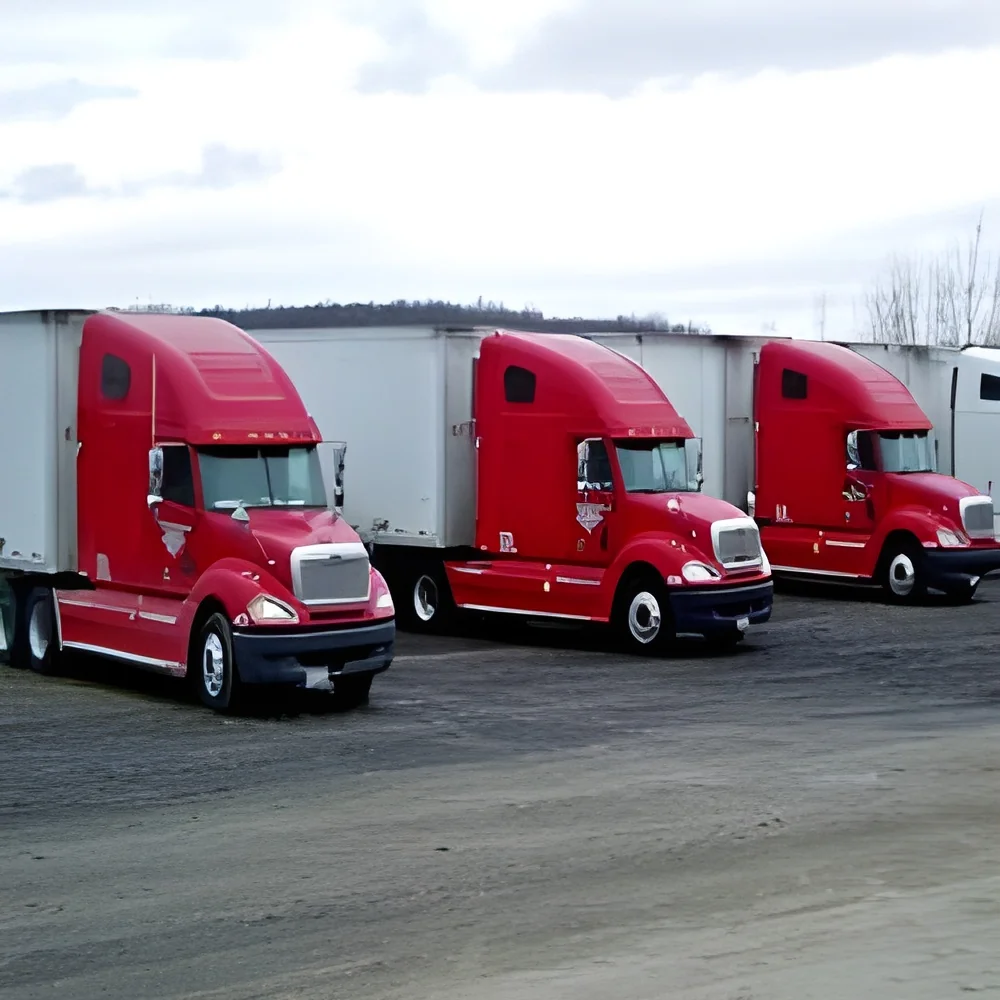
Different types of Cross-Border Logistics Solutions include air freight, sea freight, road transport, and rail transport. Each type has its own advantages and is selected based on factors like cost, speed, and nature of the goods being transported.
How do I choose the right Cross-Border Logistics Solutions?
Choosing the right Cross-Border Logistics Solutions involves evaluating your specific shipping needs, including destination, delivery time, and budget. It's essential to compare the services offered by various providers and consider their experience, reliability, and customer reviews.
What are the standard specifications for Cross-Border Logistics Solutions?
Standard specifications for Cross-Border Logistics Solutions typically include compliance with international shipping regulations, packaging requirements, and documentation standards. Additionally, factors such as tracking capabilities and insurance options are also important specifications to consider.
What is the price range for Cross-Border Logistics Solutions?
The price range for Cross-Border Logistics Solutions can vary significantly based on factors like shipment size, distance, and mode of transport. Generally, costs can range from a few hundred to several thousand dollars, depending on the complexity and urgency of the logistics involved.
What quality standards apply to Cross-Border Logistics Solutions?
Quality standards for Cross-Border Logistics Solutions include adherence to international safety and security regulations, as well as compliance with ISO standards for logistics services. Providers are often required to maintain high service levels to ensure timely and safe delivery of goods.
Where can I find Cross-Border Logistics Solutions suppliers in India?
You can find Cross-Border Logistics Solutions suppliers in India through B2B marketplaces like Pepagora.com, trade shows, and industry directories. Networking with industry professionals and attending logistics forums can also help you connect with reliable suppliers.
Can Cross-Border Logistics Solutions be customized?
Yes, Cross-Border Logistics Solutions can often be customized to meet specific business needs. Customization may include tailored shipping routes, specialized packaging, or unique documentation processes based on the nature of the goods and destination requirements.
What is the typical minimum order quantity for Cross-Border Logistics Solutions?
The typical minimum order quantity (MOQ) for Cross-Border Logistics Solutions varies by provider and the type of service required. Generally, MOQs can range from small shipments for small businesses to larger quantities for bulk orders.
What is the typical lead time for Cross-Border Logistics Solutions?
The typical lead time for Cross-Border Logistics Solutions depends on factors such as the mode of transport and the distance between countries. Generally, air freight may take a few days, while sea freight can take several weeks, depending on the specific routes and customs clearance times.
Why Businesses Trust Pepagora
Thousands of companies trust Pepagora to source smarter and sell faster
Expand Your Sales Globally

Source Smarter,Grow Faster
