What are Multi-modal Freight Forwarding?
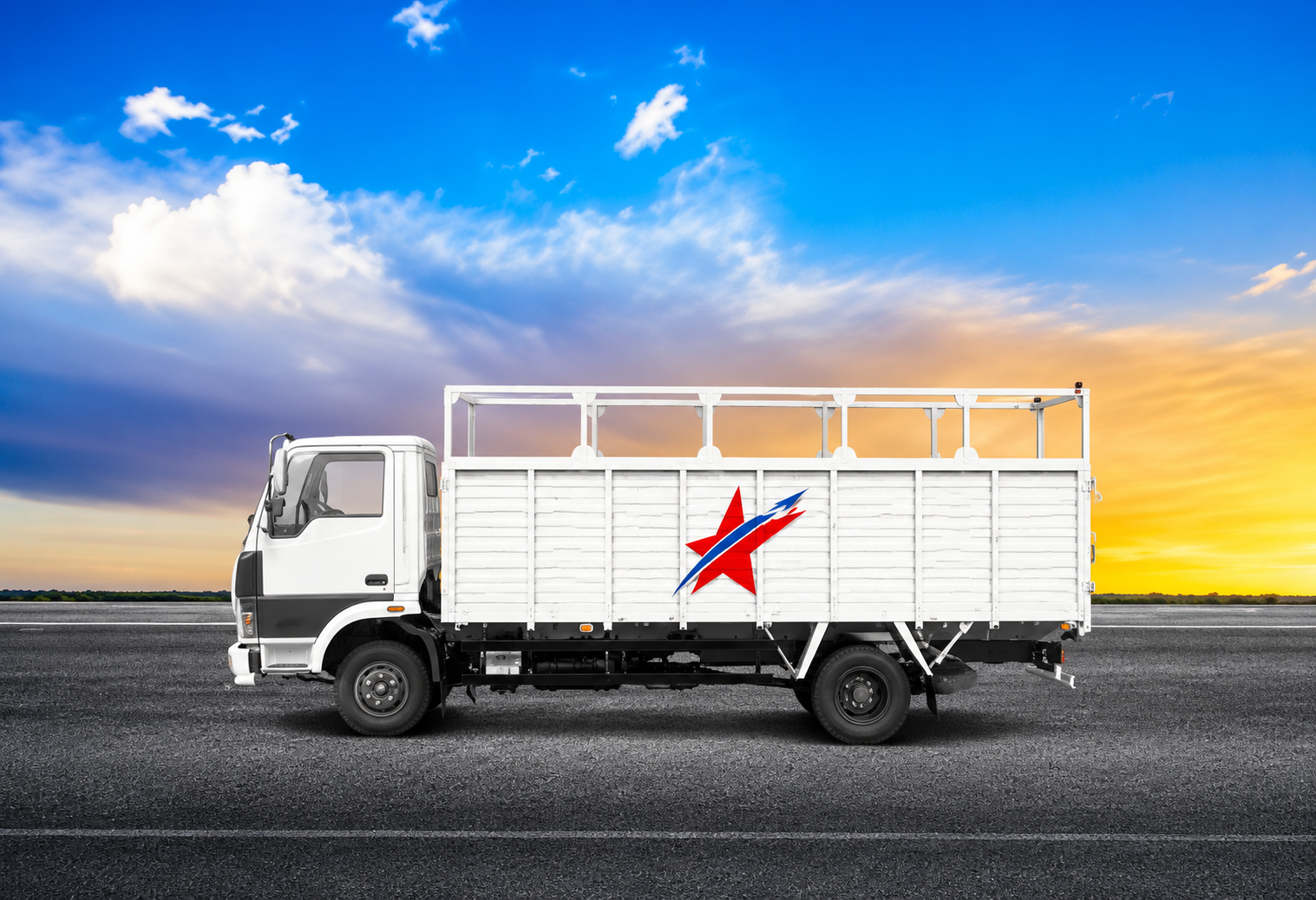
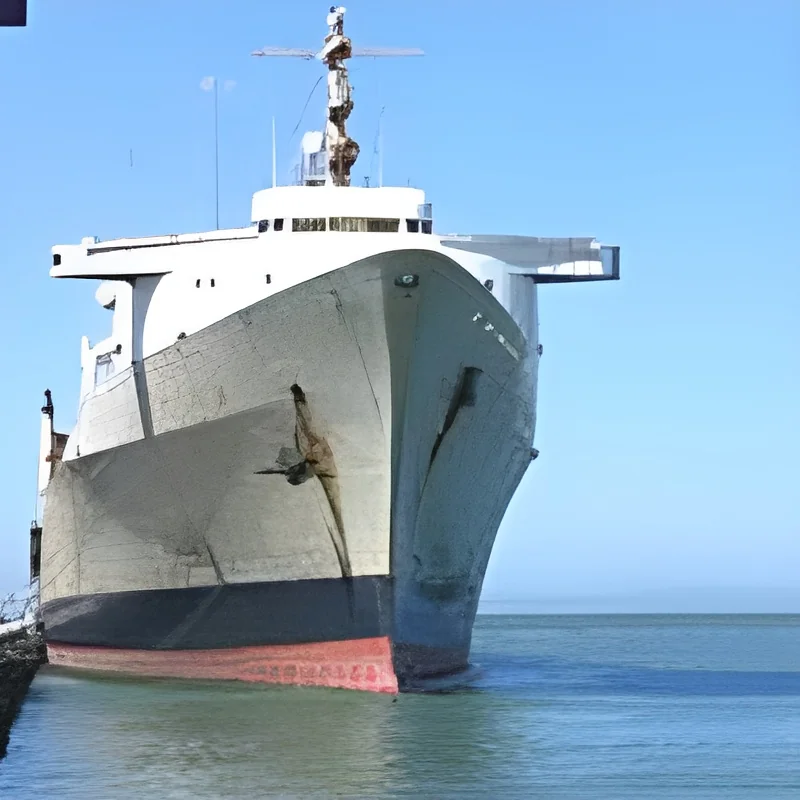
Multi-modal freight forwarding is a logistics service that involves the transportation of goods using multiple modes of transport under a single contract. This service integrates different transportation channels, such as road, rail, sea, and air, to optimize the movement of goods from point A to point B. The freight forwarder acts as an intermediary, managing the logistics and documentation necessary for the smooth transit of cargo.
This approach is particularly beneficial for businesses that need to move large volumes of goods across long distances. Multi-modal freight forwarding helps companies reduce transport costs, improve delivery times, and streamline their supply chains. It is commonly used in international trade, where goods may need to be transferred between various transport methods and borders.
In today's global market, multi-modal freight forwarding is increasingly relevant. As businesses expand their operations internationally, they require efficient logistics solutions to manage their supply chains. The complexity of international shipping regulations and the demand for faster delivery times make multi-modal freight forwarding an essential service for industries ranging from manufacturing to retail.
Key Features and Specifications
Multi-modal freight forwarding offers several key features that enhance its efficiency and reliability. Understanding these specifications is crucial for businesses looking to optimize their shipping processes.
Key specifications include:
1. Integrated Transport Solutions
- Combines multiple transportation modes into a single shipment
- Streamlines logistics and reduces transit times
2. Single Contract for Multiple Modes
- Simplifies documentation and reduces administrative burden
- Provides a single point of contact for all shipping needs
3. Cost Efficiency
- Optimizes routes to reduce shipping costs
- Leverages economies of scale through bulk shipping
4. Real-time Tracking
- Offers visibility throughout the transport process
- Enables proactive management of potential issues
5. Customs Clearance Support
- Assists with documentation and compliance for international shipments
- Reduces delays at borders and ports
6. Flexible Shipping Options
- Allows for adjustments in transport modes based on needs
- Supports various cargo types, including fragile and oversized goods
7. Comprehensive Insurance Coverage
- Provides options for insuring goods during transit
- Protects against potential loss or damage
8. Experienced Logistics Management
- Utilizes experts with knowledge of global shipping regulations
- Ensures compliance and efficiency in all operations
In summary, multi-modal freight forwarding is characterized by its integrated solutions, cost efficiency, and flexibility, making it an ideal choice for businesses engaged in international trade.
Common Applications and Use Cases
Multi-modal freight forwarding serves a variety of industries, each benefiting from its unique logistics capabilities.
1. Manufacturing: Manufacturers often require the transportation of raw materials and finished products across different regions. Multi-modal services allow for efficient movement between suppliers and customers.
2. Retail: Retail businesses depend on timely deliveries to maintain inventory levels. Multi-modal freight forwarding helps them reach markets quickly, especially during peak seasons.
3. Automotive: The automotive industry relies on complex supply chains that involve multiple suppliers and distributors. Multi-modal solutions facilitate the efficient transport of parts and vehicles.
4. Pharmaceuticals: The pharmaceutical sector requires strict temperature controls and fast delivery times. Multi-modal services ensure compliance with regulations while maintaining product integrity.
5. E-commerce: Online retailers benefit from flexible shipping options that accommodate varying order sizes and delivery timelines. Multi-modal forwarding supports their need for rapid fulfillment.
6. Agriculture: Agricultural products often need to be transported quickly to prevent spoilage. Multi-modal options help ensure perishable goods reach their destinations promptly.
7. Technology: Companies in the technology sector require reliable transport for sensitive equipment. Multi-modal freight forwarding provides tailored solutions to meet these specific needs.
Product Variants and Subcategories
Multi-modal freight forwarding encompasses various service types that cater to different shipping requirements. This diversity allows businesses to choose solutions best suited to their needs.
Standard Freight Forwarding
This variant involves traditional methods of transporting goods using a combination of road, rail, air, and sea. It is ideal for businesses with regular shipping schedules and predictable logistics needs.
Expedited Freight Forwarding
Designed for urgent deliveries, this variant prioritizes speed and efficiency. It is suitable for businesses that need to meet tight deadlines or respond to urgent market demands.
Reefer Freight Forwarding
This variant specializes in transporting temperature-sensitive goods, such as food and pharmaceuticals. It ensures that products remain within required temperature ranges during transit.
Benefits and Advantages
Multi-modal freight forwarding provides numerous benefits that can significantly enhance a business's logistics operations.
Key benefits include:
1. Cost Savings: By optimizing routes and consolidating shipments, businesses can lower transportation costs while improving efficiency.
2. Improved Delivery Times: The integration of multiple transport modes allows for faster shipping, helping companies meet customer expectations for prompt delivery.
3. Simplified Logistics: A single point of contact for logistics management reduces the complexity of dealing with multiple carriers, streamlining communication and operations.
4. Enhanced Flexibility: Multi-modal solutions can be tailored to meet specific shipping needs, allowing businesses to adapt to changing market conditions.
5. Increased Reliability: With experienced logistics management, businesses can rely on consistent service levels and timely deliveries.
6. Better Risk Management: Comprehensive insurance options and real-time tracking reduce the risks associated with shipping, providing peace of mind to businesses.
Buying Guide for B2B Buyers
When sourcing multi-modal freight forwarding services, it is essential for businesses to consider several critical factors.
1. Quality Assessment: Ensure that the freight forwarder follows industry best practices and quality standards. Look for established providers with a proven track record in handling similar shipments.
2. Supplier Verification: Vet suppliers by checking their credentials, customer reviews, and compliance with regulations. A reliable partner will have the necessary certifications and experience in multi-modal shipping.
3. Pricing and MOQ: Understand the pricing structures and minimum order quantities. Get quotes from multiple suppliers to compare costs and services offered, ensuring you find the best fit for your budget.
4. Delivery and Lead Times: Inquire about the expected delivery times and lead times for various shipping options. This information is crucial for planning and meeting customer demands.
5. Compliance Requirements: Familiarize yourself with local and international regulations that may affect your shipments. Ensure that the freight forwarder has the expertise to navigate these requirements effectively.
Compliance and Certifications
Multi-modal freight forwarding is governed by various quality standards and certifications that ensure safe and efficient operations. Key quality standards include ISO 9001 for quality management systems and HACCP for food safety management, particularly relevant in the transport of perishable goods.
Industry certifications such as CE and UL demonstrate compliance with safety and performance standards, assuring businesses of the reliability of their logistics providers.
Additionally, freight forwarders must adhere to safety and testing requirements to protect goods during transit. Regional compliance considerations may vary, and it is crucial that providers are knowledgeable about local regulations governing transportation and customs.
Why Source Multi-modal Freight Forwarding from Pepagora?
Pepagora provides a trusted platform for sourcing multi-modal freight forwarding services, offering several key advantages for businesses.
Verified Supplier Network: Pepagora has established a comprehensive network of verified suppliers. Each supplier undergoes rigorous vetting to ensure they meet industry standards and regulations, providing businesses with reliable options for their logistics needs.
Streamlined RFQ Process: The platform simplifies the request for quotation (RFQ) process, allowing businesses to easily compare offerings from multiple suppliers. This transparency helps buyers make informed decisions quickly and efficiently.
Trade Assurance and Support: Pepagora offers trade assurance features that protect buyers throughout the transaction process. This support includes assistance with documentation and dispute resolution, ensuring a smooth experience.
Regional Coverage: With a strong presence in India, the GCC, and Southeast Asia, Pepagora provides extensive geographic reach. This allows businesses to access diverse markets and logistics solutions tailored to their regional requirements.

 IN
IN