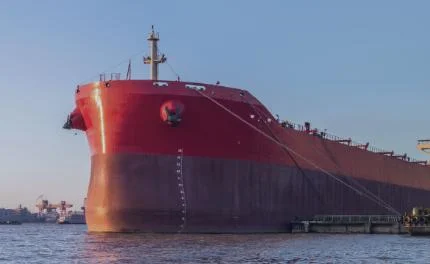
What are Port Handling Services?
Port handling services encompass a range of operations that facilitate the efficient loading, unloading, and storage of goods at ports. These services are essential for the smooth movement of cargo between ships and land transport. They ensure that shipments are handled with care and efficiency, minimizing delays and maximizing productivity. Port handling services typically include stevedoring, cargo handling, warehousing, and logistics support.
These services are primarily used by shipping companies, freight forwarders, and logistics providers to streamline the supply chain process. They play a critical role in various industries, including manufacturing, retail, and transportation. As global trade continues to expand, the demand for reliable port handling services has grown significantly, making them a vital component of the maritime and logistics sectors. The industry remains competitive, with advancements in technology and logistics management driving improvements in service delivery.
Key Features and Specifications
Port handling services are characterized by several key features that enhance operational efficiency and safety. Understanding these specifications is essential for businesses looking to select the right service provider.
Key specifications include:
1. Stevedoring Services
- Involves the loading and unloading of cargo from ships
- Includes container handling, bulk cargo, and breakbulk operations
2. Cargo Handling Equipment
- Utilizes cranes, forklifts, and conveyor systems
- Equipment specifications vary based on cargo type and weight
3. Warehousing Facilities
- Offers secure storage options for various types of goods
- Includes temperature-controlled storage for sensitive materials
4. Logistics Coordination
- Involves planning and managing the movement of goods
- Ensures timely delivery and efficient routing
5. Safety Protocols
- Adheres to industry regulations to ensure worker and cargo safety
- Regular safety audits and training for personnel
6. Customs Clearance Services
- Facilitates the import and export process through customs
- Ensures compliance with local and international regulations
7. Technology Integration
- Employs tracking systems and inventory management software
- Enhances visibility and control over cargo movements
8. Environmental Considerations
- Implements sustainable practices to reduce carbon footprint
- Focus on waste management and energy efficiency
These features and specifications position port handling services as an indispensable part of the logistics and supply chain framework.
Common Applications and Use Cases
Port handling services cater to a wide range of industries, ensuring the efficient movement of goods across various sectors.
1. Shipping Industry: Provides essential services for loading and unloading cargo from vessels, ensuring timely departures and arrivals.
2. Manufacturing Sector: Supports the import of raw materials and export of finished goods, optimizing production timelines.
3. Retail and E-commerce: Facilitates the rapid processing of goods to meet consumer demand, especially for high-volume retail operations.
4. Agriculture: Manages the transport of perishables from farms to markets, ensuring quality and freshness.
5. Oil and Gas: Handles specialized cargo, including equipment and materials required for extraction and transport.
6. Automotive Industry: Supports the movement of parts and finished vehicles, ensuring an uninterrupted supply chain.
7. Construction: Manages the logistics of heavy equipment and materials, crucial for large-scale projects.
Product Variants and Subcategories
Port handling services can vary significantly based on operational needs and industry requirements. While there are no specific subcategories available, the diversity in services allows for tailored solutions.
Container Handling Services: These services focus on the management of containerized cargo, utilizing specialized equipment and trained personnel for efficiency.
Bulk Cargo Handling: This variant manages the movement of bulk materials, such as grains, ores, and liquids, requiring specific handling techniques and equipment.
General Cargo Services: These services cater to a wide array of goods that do not fall under specialized categories, ensuring versatility in handling.
Benefits and Advantages
Engaging port handling services offers numerous advantages for businesses involved in international trade.
Key benefits include:
1. Increased Efficiency: Streamlined processes reduce turnaround times, enhancing overall productivity.
2. Cost Savings: Efficient handling minimizes damage and loss, reducing overall operational costs.
3. Expertise and Experience: Skilled personnel ensure compliance with regulations and best practices, enhancing safety and reliability.
4. Flexibility: Tailored services can adapt to changing business needs and cargo types, providing scalability.
5. Enhanced Safety: Adhering to safety protocols protects both personnel and cargo, minimizing risks.
6. Improved Customer Satisfaction: Timely and efficient handling of goods enhances service delivery, leading to satisfied customers.
Buying Guide for B2B Buyers
When sourcing port handling services, businesses should consider several factors to ensure they select the right provider.
1. Quality Assessment: Evaluate service providers based on their operational standards, equipment quality, and safety records. Look for certifications that indicate adherence to industry standards.
2. Supplier Verification: Vet potential suppliers through references, industry reputation, and past performance. Ensure they have the necessary experience and capabilities to meet your needs.
3. Pricing and MOQ: Understand the pricing structure, including any minimum order quantities. Compare quotes from different suppliers to ensure competitive pricing.
4. Delivery and Lead Times: Assess the provider's ability to meet your required delivery schedules. Confirm their capacity to handle urgent requests or fluctuations in demand.
5. Compliance Requirements: Ensure that the provider meets all regulatory requirements for the regions in which they operate. This includes customs regulations and safety standards.
Compliance and Certifications
Port handling services are subject to various quality standards and certifications that ensure operational excellence and safety. Compliance with ISO 9001 is essential, as it demonstrates a commitment to quality management systems. This standard helps organizations enhance customer satisfaction through consistent delivery of quality services.
In addition to ISO certifications, port handling services may also comply with HACCP (Hazard Analysis Critical Control Point) to ensure food safety for perishable goods. GDP (Good Distribution Practice) is another relevant standard that ensures products are consistently stored, transported, and handled according to quality standards.
Safety and testing requirements are critical in this industry, with providers needing to adhere to regional compliance regulations. These regulations vary by location and can include environmental considerations and labor laws, ensuring safe working conditions and sustainable practices.
Why Source Port Handling Services from Pepagora?
Pepagora provides a trusted platform for sourcing port handling services, offering a multitude of advantages for B2B buyers.
Verified Supplier Network: Pepagora has established a comprehensive network of verified suppliers, ensuring that businesses can connect with reputable service providers that meet quality standards.
Streamlined RFQ Process: The platform simplifies the request for quotation process, allowing buyers to receive competitive quotes quickly and easily. This efficiency saves time and reduces administrative burdens.
Trade Assurance and Support: Pepagora offers trade assurance, providing buyers with protection throughout the sourcing process. This includes support for resolving disputes and ensuring satisfaction with the services received.
Regional Coverage: With a strong presence in India, the GCC, and Southeast Asia, Pepagora ensures that businesses can access port handling services across various regions. This geographic reach facilitates international trade and logistics operations, providing buyers with a comprehensive solution for their port handling needs.

 IN
IN