
 IN
Construction Material Stocks
2 products available
What are Construction Material Stocks?
Construction material stocks refer to a category of products that are essential for building and construction projects. These stocks encompass a variety of materials, including concrete, steel, wood, and other essential components that form the backbone of any construction endeavor. They are typically available in bulk and are stored for use in various phases of construction, from foundation work to finishing touches.
The primary uses of construction material stocks span across residential, commercial, and industrial projects. Businesses utilize these materials to ensure structural integrity and compliance with local building regulations. Whether it involves the construction of roads, bridges, or residential homes, these materials play a crucial role in ensuring durability and safety.
In the current market context, construction material stocks are increasingly relevant due to the growing demand for infrastructure development. As economies expand, the need for robust construction materials rises, making it imperative for businesses to understand the dynamics of this market. The competition among suppliers also drives innovations in material technology, enhancing the performance and sustainability of construction projects.
Key Features and Specifications
Construction material stocks possess several key features that cater to the diverse needs of the construction industry. These specifications ensure that materials meet the required standards for safety, durability, and efficiency.
Key specifications include:
1. Material Composition
- Various materials such as concrete, steel, and wood
- Determines the suitability for specific applications
2. Load-Bearing Capacity
- Essential for structural elements
- Measured in pounds per square inch (psi) for concrete and tons for steel
3. Durability Rating
- Indicates resistance to weather and environmental factors
- Rated based on lifespan and maintenance needs
4. Fire Resistance
- Essential for safety in construction
- Compliance with local fire codes and standards
5. Environmental Impact
- Assessment of sustainability and recyclability
- Compliance with green building standards
6. Compliance with Safety Standards
- Adherence to regulations such as CE marking
- Ensures materials meet required safety criteria
7. Availability of Customization
- Options for tailored solutions based on project requirements
- Ability to meet specific dimensions and specifications
In summary, understanding the key features and specifications of construction material stocks is critical for ensuring that projects meet safety and performance standards while also considering environmental impact.
Common Applications and Use Cases
Construction material stocks are utilized in various industries, each with specific applications that highlight their versatility.
1. Residential Construction: These materials are essential for building homes. From foundations to roofing, the right materials ensure safety and durability.
2. Commercial Construction: Used in the construction of office buildings and retail spaces, materials must meet high standards for aesthetics and structural integrity.
3. Infrastructure Development: Roads, bridges, and tunnels require robust materials that can withstand heavy loads and environmental conditions.
4. Industrial Construction: Factories and warehouses rely on durable materials for structural support and operational efficiency.
5. Renovation Projects: Existing structures often require new materials to enhance safety and functionality during renovations.
6. Landscaping: Materials such as stones and aggregates are essential for outdoor projects and beautification efforts.
7. Energy Sector: Construction materials are used in building facilities for renewable energy sources, ensuring compliance with industry standards.
Product Variants and Subcategories
Construction material stocks offer a range of variants to cater to different project needs. This diversity allows businesses to select materials that best fit their specific applications.
Concrete: This variant is commonly used for foundations, walls, and pavements. It is known for its strength, durability, and versatility in various construction settings.
Steel: This material is essential for structural frameworks and reinforcement. Its high tensile strength makes it ideal for skyscrapers and bridges.
Wood: Used extensively in residential construction, wood offers aesthetic appeal and ease of handling. It is versatile for framing, flooring, and cabinetry.
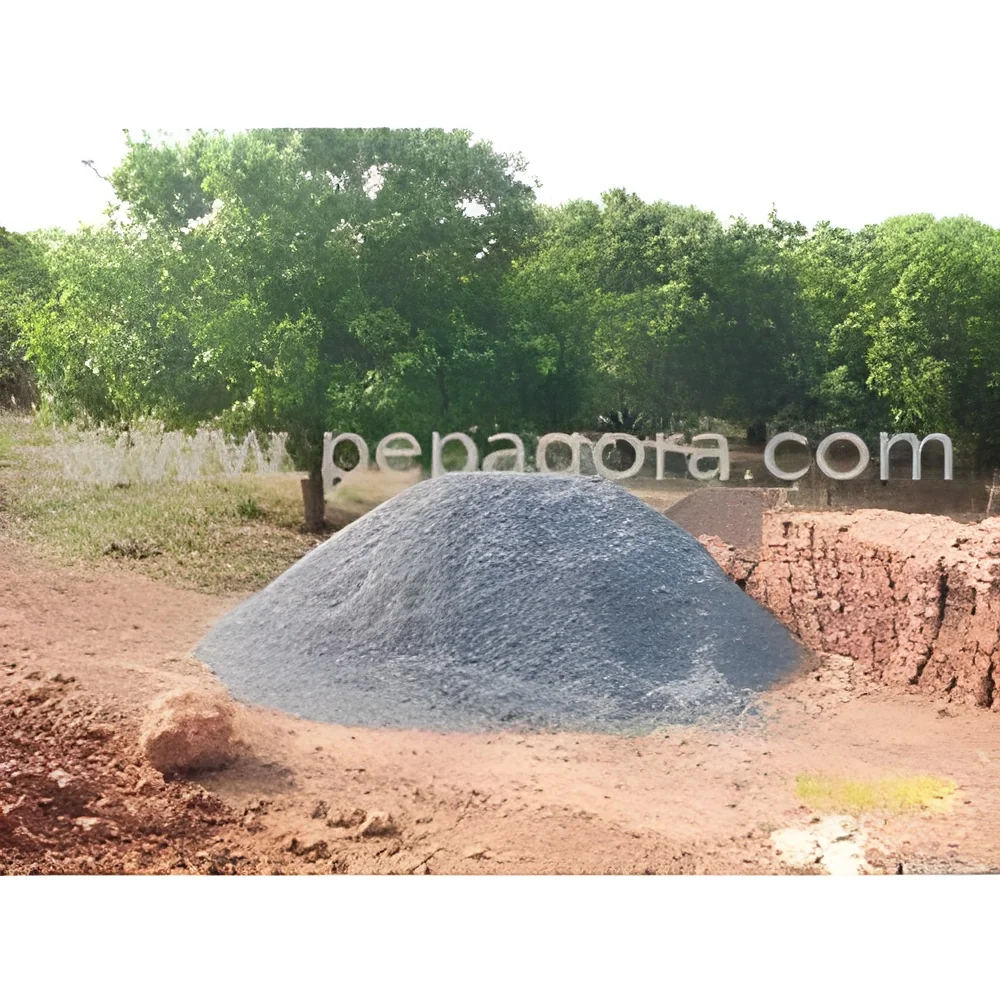
Aggregate: These materials are used in concrete production and road construction. They provide stability and strength to various construction forms.
Benefits and Advantages
Sourcing construction material stocks provides several key benefits that enhance project outcomes and operational efficiency.
1. Cost Efficiency: Bulk purchasing often leads to reduced costs, allowing businesses to manage budgets effectively.
2. Quality Assurance: Reliable suppliers provide materials that meet stringent quality standards, ensuring project safety and longevity.
3. Diverse Options: A wide range of materials allows for tailored solutions that meet specific project requirements.
4. Timely Availability: Having stock on hand ensures that projects proceed without delays caused by material shortages.
5. Improved Sustainability: Access to eco-friendly materials supports compliance with green building initiatives and regulations.
6. Enhanced Performance: High-quality materials contribute to the overall durability and performance of construction projects.
Buying Guide for B2B Buyers
When sourcing construction material stocks, there are several factors to consider to ensure a successful procurement process.
1. Quality Assessment: Evaluate materials based on industry standards and certifications. This ensures that the products meet safety and durability requirements.
2. Supplier Verification: Conduct thorough vetting of suppliers to confirm their reliability and reputation in the market. Look for reviews and references from other businesses.
3. Pricing and MOQ: Understand the pricing structure and minimum order quantities to align procurement with budgetary constraints and project timelines.
4. Delivery and Lead Times: Consider logistics and delivery schedules to ensure materials arrive on time, avoiding project delays.
5. Compliance Requirements: Familiarize yourself with local regulations and industry standards that apply to construction materials to ensure compliance and avoid legal issues.
Compliance and Certifications
Compliance and certifications are critical aspects of construction material stocks. They ensure that materials meet established standards for quality and safety.
Relevant quality standards such as ISO 9001 ensure that manufacturing processes maintain high levels of quality control. This standard is widely recognized and helps assure buyers of a supplier's commitment to quality.
Industry certifications like CE mark signify that products comply with European safety and environmental requirements. This certification is crucial for businesses operating in or exporting to European markets.
Safety and testing requirements are also essential, particularly for materials used in structural applications. These requirements ensure that materials can withstand various stresses and environmental conditions.
Regional compliance considerations may vary, so it is important for buyers to understand local regulations that may affect sourcing and usage of construction materials.
Why Source Construction Material Stocks from Pepagora?
Pepagora provides a trusted platform for sourcing construction material stocks, offering several key advantages to B2B buyers.
Verified Supplier Network: Pepagora ensures that all suppliers in its network are thoroughly vetted for credibility and quality. This reduces the risk of sourcing substandard materials.
Streamlined RFQ Process: The platform simplifies the request for quotation process, allowing buyers to easily compare offers from various suppliers. This efficiency saves time and enhances decision-making.
Trade Assurance and Support: Pepagora prioritizes buyer protection by offering trade assurance policies. This ensures that transactions are secure and that buyers receive the quality they expect.
Regional Coverage: With a strong presence in India, the GCC, and Southeast Asia, Pepagora caters to businesses across these regions. This geographic reach facilitates access to a broad range of construction material stocks, meeting diverse project needs.



Frequently Asked Questions
What are Construction Material Stocks?
Construction Material Stocks refer to the inventory of raw materials and products used in the construction industry. This includes items such as cement, steel, bricks, and aggregates that are essential for building and infrastructure projects.
What are the different types of Construction Material Stocks?
The different types of Construction Material Stocks include structural materials like steel and concrete, finishing materials such as tiles and paints, and insulation materials. Other categories may include plumbing and electrical supplies, as well as safety equipment.
How do I choose the right Construction Material Stocks?
Choosing the right Construction Material Stocks involves assessing the specific requirements of your project, including durability, environmental conditions, and regulatory standards. It's also important to consider the supplier's reputation and the quality of materials offered.
What are the standard specifications for Construction Material Stocks?
Standard specifications for Construction Material Stocks vary by material type and application. Generally, they include criteria such as strength, durability, moisture resistance, and compliance with local building codes and safety regulations.
What is the price range for Construction Material Stocks?
The price range for Construction Material Stocks can vary widely based on the type of material, quality, and supplier. Generally, basic materials like bricks and aggregates may start at a lower price point, while specialized materials like high-grade cement or steel can be significantly higher.
What quality standards apply to Construction Material Stocks?
Quality standards for Construction Material Stocks are typically governed by national and international standards, such as IS (Indian Standards) for various materials. Compliance with these standards ensures that the materials meet safety and performance criteria.
Where can I find Construction Material Stocks suppliers in India?
You can find Construction Material Stocks suppliers in India through various channels, including online B2B marketplaces like Pepagora, trade shows, and local industry directories. It's advisable to research suppliers and check reviews to ensure reliability.
Can Construction Material Stocks be customized?
Yes, Construction Material Stocks can often be customized based on specific project requirements. This may include variations in size, composition, or packaging according to the needs of the buyer.
What is the typical minimum order quantity for Construction Material Stocks?
The typical minimum order quantity (MOQ) for Construction Material Stocks varies by supplier and material type. Generally, MOQs can range from small quantities for individual contractors to larger bulk orders for construction companies.
What is the typical lead time for Construction Material Stocks?
The typical lead time for Construction Material Stocks depends on the type of material and the supplier's inventory. Generally, lead times can range from a few days for readily available materials to several weeks for specialized or custom orders.
Why Businesses Trust Pepagora
Thousands of companies trust Pepagora to source smarter and sell faster
Expand Your Sales Globally

Source Smarter,Grow Faster
