What are General Mechanical Components Stock?
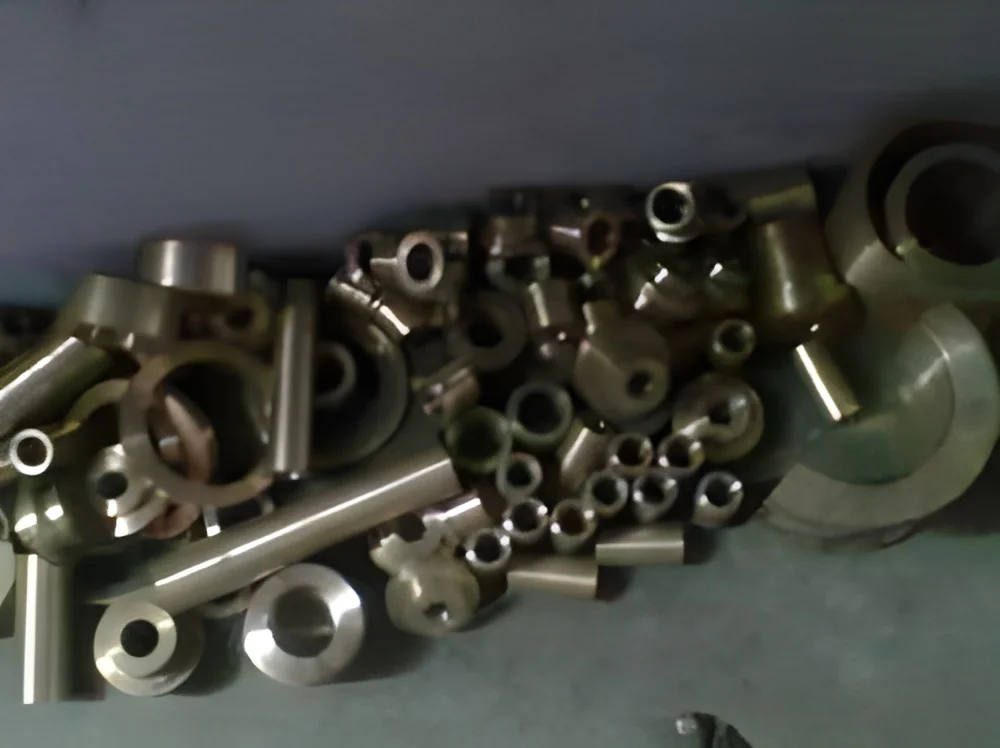
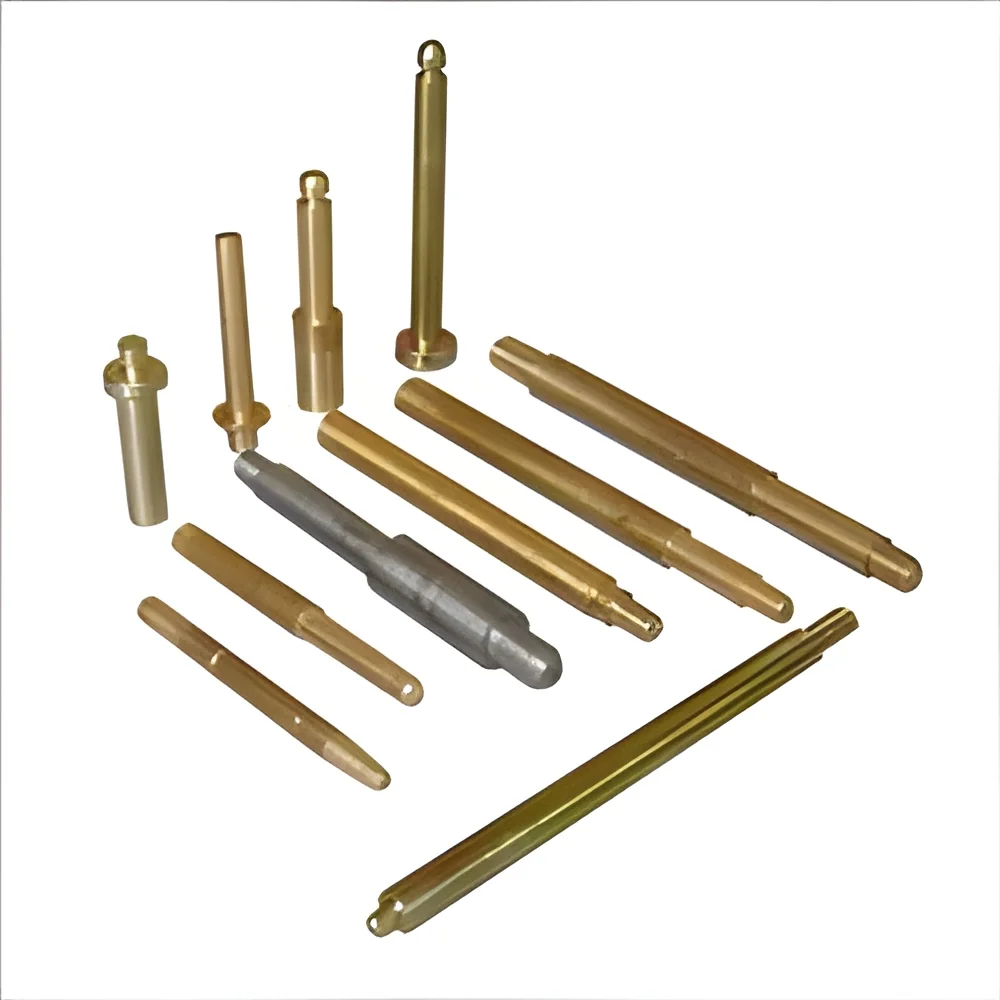
General Mechanical Components Stock refers to a range of essential parts used in various industrial applications. These components are integral to the functionality and efficiency of machinery, systems, and equipment across diverse sectors. They include items such as bearings, gears, fasteners, and other mechanical elements that facilitate movement, support structures, and enable operational processes.
The primary uses of these components span multiple industries, including manufacturing, automotive, aerospace, and construction. Businesses rely on General Mechanical Components Stock to maintain machinery, enhance production efficiency, and ensure the reliability of their operations. As the backbone of many industrial processes, these components play a crucial role in minimizing downtime and maximizing productivity.
In today's competitive market, the demand for high-quality mechanical components continues to grow. Industries are increasingly focused on sourcing reliable and durable parts to support their operations. This trend is driven by advancements in technology and the need for improved performance, safety, and compliance with industry standards.
Key Features and Specifications
General Mechanical Components Stock encompasses various features and specifications that highlight their utility and performance. Manufacturers design these components to meet stringent industry standards, ensuring they can withstand demanding applications.
Key specifications include:
1. Material Composition
- Components are typically made from high-grade materials such as steel, aluminum, or synthetic composites.
- These materials provide enhanced strength, durability, and resistance to wear.
2. Dimensional Accuracy
- Precision manufacturing processes ensure that components meet exact dimensional tolerances.
- This accuracy is critical for proper fit and function in assemblies.
3. Load Capacity
- Components are rated for specific load capacities to ensure safe operation under various conditions.
- Load ratings can vary significantly depending on the type of component.
4. Compatibility Standards
- Many components adhere to universal sizing and compatibility standards for ease of integration.
- This ensures that they can be used with a wide range of machines and systems.
5. Surface Finish
- Components often feature specific surface treatments for corrosion resistance or improved friction characteristics.
- Common finishes include anodizing, plating, or coating.
6. Temperature Resistance
- Components are designed to operate effectively within specified temperature ranges.
- This is crucial for applications in extreme environments.
7. Certification
- Many components carry certifications such as CE to signify compliance with safety and quality standards.
- Certification ensures that components meet regulatory requirements.
In summary, understanding the key features and specifications of General Mechanical Components Stock is essential for selecting the right components for specific applications.
Common Applications and Use Cases
General Mechanical Components Stock finds a wide range of applications across various industries.
1. Manufacturing: In manufacturing, these components are used in assembly lines, machinery, and equipment to ensure smooth operations and increased efficiency.
2. Automotive: The automotive industry relies on mechanical components for vehicle assembly, including engines, transmissions, and suspension systems.
3. Aerospace: Aerospace applications require components that meet stringent safety and performance standards, ensuring reliability in flight systems.
4. Construction: Mechanical components are essential in building and construction equipment, facilitating movement and stability in cranes, lifts, and other machinery.
5. Robotics: In robotics, these components enable precise movements and interactions, playing a vital role in automation and advanced manufacturing processes.
6. Energy: The energy sector utilizes mechanical components in turbines and generators, ensuring the effective conversion of energy sources.
7. HVAC: Heating, ventilation, and air conditioning systems depend on mechanical components for proper airflow and temperature control.
Product Variants and Subcategories
General Mechanical Components Stock includes a diverse array of variants to cater to the unique needs of various industries.
Bearings
Bearings are crucial for reducing friction between moving parts in machinery. They come in various types, such as ball bearings and roller bearings, each designed for specific load and speed requirements.
Fasteners
Fasteners, including bolts, screws, and nuts, are used to join components securely. They are available in various materials and sizes to accommodate different applications.
Gears
Gears are essential for transmitting power and motion in mechanical systems. They come in various shapes and sizes, including spur gears and helical gears, to achieve different mechanical advantages.
Pulleys
Pulleys are used in lifting systems and can change the direction of force. They are available in different diameters and configurations to suit specific applications.
Benefits and Advantages
Sourcing General Mechanical Components Stock offers several benefits to businesses.
1. Enhanced Efficiency: High-quality components improve the performance of machinery, leading to increased operational efficiency.
2. Reliability: Durable components reduce the risk of breakdowns, ensuring consistent production and reducing downtime.
3. Cost Savings: Investing in reliable components can lower maintenance costs and extend the lifespan of machinery.
4. Customization Options: Many suppliers offer customization to meet specific application needs, ensuring optimal performance.
5. Compliance Assurance: Sourcing certified components ensures compliance with industry standards, enhancing safety and quality.
6. Supply Chain Optimization: A reliable stock of mechanical components streamlines procurement processes, improving supply chain efficiency.
Buying Guide for B2B Buyers
When sourcing General Mechanical Components Stock, it is essential to consider several key factors to ensure informed purchasing decisions.
1. Quality Assessment: Evaluate components based on material quality, durability, and manufacturing standards. Look for certifications that indicate compliance with industry regulations.
2. Supplier Verification: Vet suppliers to ensure they are reputable and reliable. Check for customer reviews, industry experience, and their ability to meet your specific requirements.
3. Pricing and MOQ: Understand pricing structures and minimum order quantities (MOQ) to align purchasing strategies with your budget and operational needs.
4. Delivery and Lead Times: Assess logistics capabilities, including delivery times and shipping options, to ensure timely availability of components.
5. Compliance Requirements: Ensure that the components meet all relevant regulatory requirements for your industry to avoid compliance issues.
Compliance and Certifications
Compliance and certifications are critical in ensuring the quality and safety of General Mechanical Components Stock.
Many components adhere to quality standards such as ISO 9001, which focuses on maintaining effective quality management systems. This certification helps businesses ensure that their suppliers consistently meet customer and regulatory requirements.
Industry certifications, such as CE marking, signify that products comply with European health, safety, and environmental protection standards. This is especially important for components used in markets that require compliance with stringent regulations.
Additionally, safety and testing requirements play a vital role in the production of mechanical components. Suppliers should conduct thorough testing to confirm that components can withstand operational stresses and meet safety guidelines.
Regional compliance considerations are also essential, as different regions may have specific regulations governing the use of mechanical components. Understanding these requirements is crucial for businesses operating in multiple markets.
Why Source General Mechanical Components Stock from Pepagora?
Pepagora provides a trusted platform for sourcing General Mechanical Components Stock with several key advantages.
The verified supplier network at Pepagora ensures that buyers can connect with reputable manufacturers and suppliers. This verification process helps mitigate risks associated with sourcing quality products.
The streamlined RFQ process simplifies the quotation system for buyers, allowing them to request quotes from multiple suppliers quickly. This efficiency saves time and aids in making informed purchasing decisions.
Pepagora also offers trade assurance and support, providing buyers with protection against potential issues in transactions. This assurance fosters confidence in sourcing from the platform.
With regional coverage extending across India, the GCC, and Southeast Asia, Pepagora connects buyers to a wide range of suppliers. This broad reach enhances the availability of General Mechanical Components Stock, catering to diverse industrial needs.

 IN
IN