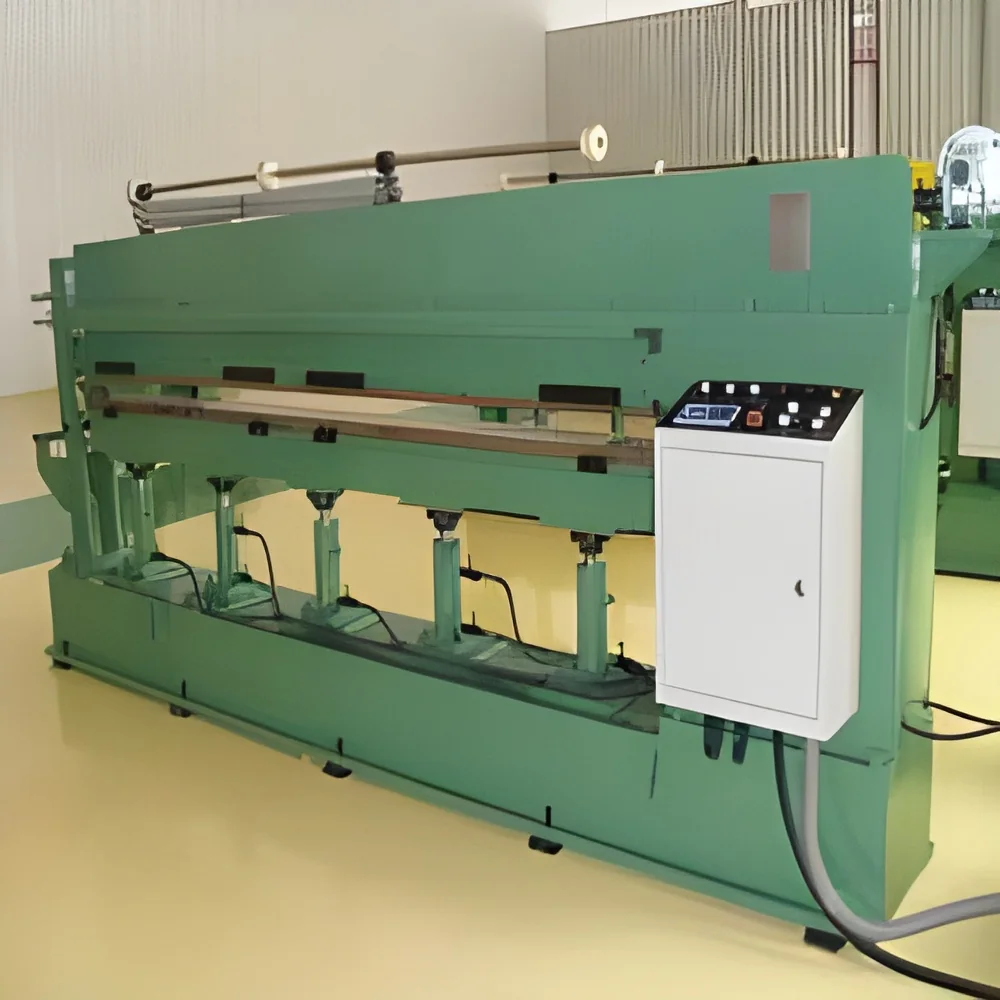
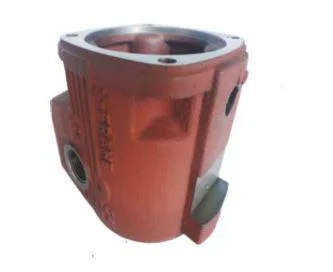
What are Manufacturing & Processing Machinery Parts Stock?
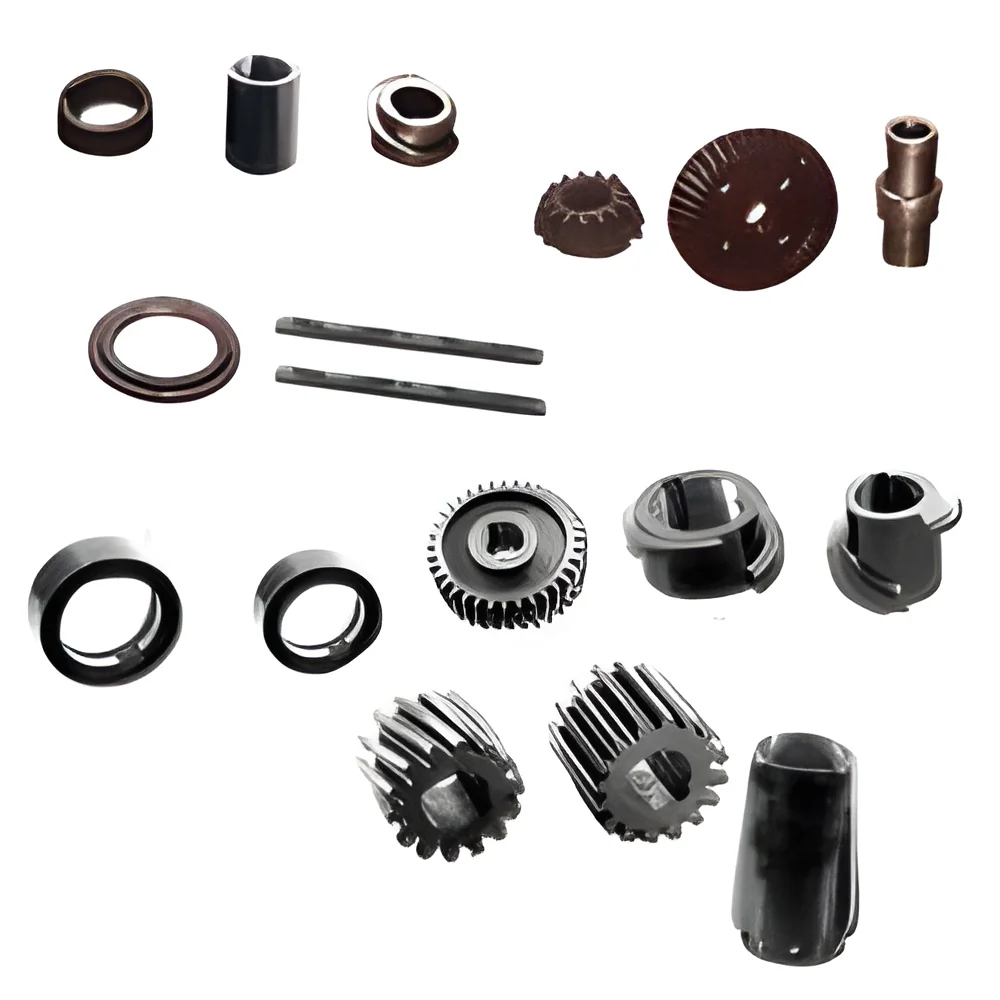
Manufacturing & Processing Machinery Parts Stock refers to a collection of essential components used in various machinery involved in manufacturing and processing operations. These parts are critical for the efficient functioning of equipment in industries such as automotive, aerospace, food processing, and more. They encompass a wide range of items including gears, bearings, pumps, valves, and other mechanical parts designed to meet specific operational requirements.
These parts serve multiple purposes across diverse business applications. They are used to replace worn or damaged components, ensuring machinery operates smoothly and efficiently. Additionally, they play a vital role in enhancing production capabilities, reducing downtime, and increasing overall equipment reliability. Industries rely on these parts to maintain consistent output and uphold quality standards in their manufacturing processes.
In the current market context, the demand for high-quality manufacturing and processing machinery parts is growing. Businesses are increasingly recognizing the importance of maintaining optimal machinery performance as a competitive advantage. As technology evolves, the need for versatile and durable parts becomes even more significant, driving innovation and advancements in the manufacturing sector.
Key Features and Specifications
Manufacturing & Processing Machinery Parts Stock is characterized by several key features and specifications that ensure quality and performance in various applications. Understanding these specifications is crucial for businesses when choosing the right components for their operations.
Key specifications include:
1. Material Composition
- Typically made from high-strength materials such as steel, aluminum, or composite materials
- Designed to withstand varying loads and environmental conditions
2. Dimensional Tolerances
- Precision-engineered with strict tolerances to ensure compatibility and performance
- Common tolerances range from ±0.01 mm to ±0.1 mm depending on the application
3. Surface Finish
- Various finishes available, including polished, anodized, or coated, to enhance durability
- Surface roughness typically measured in micrometers for specific applications
4. Load Capacity
- Each part is rated for specific load capacities based on its design and material
- Load capacities can vary widely based on the type of machinery and application
5. Operating Temperature Range
- Parts may operate efficiently under a wide range of temperatures
- Typical ranges not specified, but can cover from -40°C to +120°C depending on the material
6. Compliance Standards
- Adheres to relevant industry standards such as ISO and CE marking
- Ensures reliability and safety in manufacturing processes
7. Customization Options
- Many suppliers offer customization based on specific client needs
- Options may include size, material, and design alterations
8. Lead Time for Delivery
- Typical lead times vary based on supplier and product availability
- Standard lead times can range from a few days to several weeks
These specifications highlight the importance of selecting the right components for maintaining equipment efficiency and reliability.
Common Applications and Use Cases
Manufacturing & Processing Machinery Parts Stock finds applications across a wide array of industries. Each industry leverages these components to enhance their operational efficiency.
1. Automotive: Used in assembly lines, where precision parts ensure reliable vehicle manufacturing and assembly.
2. Aerospace: Critical in the production of aircraft components, where safety and reliability are paramount.
3. Food Processing: Employed in machinery that requires high hygiene standards and regular maintenance due to strict food safety regulations.
4. Pharmaceuticals: Used in processing equipment where precision and compliance with health standards are crucial.
5. Construction: Integral to heavy machinery that requires durable parts to endure rigorous working conditions.
6. Electronics: Utilized in assembly lines for electronic components, ensuring precision and efficiency.
7. Metalworking: Essential in machines that shape and process metal products, requiring high durability and strength.
These applications demonstrate the versatility and critical role of manufacturing and processing machinery parts across different sectors.
Product Variants and Subcategories
Manufacturing & Processing Machinery Parts Stock includes various types and variants to cater to different industrial needs. Understanding these variants helps businesses select the right components for their specific applications.
Standard Bearings
These components are critical for reducing friction between moving parts in machinery. They come in various sizes and materials to accommodate different machine designs and operational requirements.
Valves
Used to control the flow of fluids in processing systems. Valves are available in multiple configurations, including ball valves, gate valves, and check valves, each suited for specific applications.
Gears
Essential for transmitting power and motion in machinery. Gears can be customized for different ratios and sizes, ensuring compatibility with various machinery configurations.
Pumps
Vital for moving fluids in manufacturing processes. Different types of pumps, such as centrifugal and positive displacement pumps, are available based on the fluid characteristics and required flow rates.
Fasteners
Include bolts, nuts, and screws that are used to assemble machinery. These products come in various materials and grades to meet specific strength and durability requirements.
Benefits and Advantages
Manufacturing & Processing Machinery Parts Stock offers numerous benefits that enhance operational efficiency and reliability in various industries.
Key benefits include:
1. Enhanced Efficiency: Quality parts contribute to smoother operations, reducing downtime and increasing productivity.
2. Cost Savings: Reliable components minimize the need for frequent replacements, leading to lower maintenance costs.
3. Improved Safety: High-quality parts ensure machinery operates safely, reducing the risk of accidents and injuries.
4. Customization Flexibility: Many suppliers offer tailored solutions, allowing businesses to meet specific operational needs.
5. Compliance Assurance: Sourcing parts that meet regulatory standards ensures compliance with industry requirements.
6. Supplier Support: Established suppliers often provide technical support and guidance, assisting businesses in making informed decisions.
Buying Guide for B2B Buyers
When sourcing Manufacturing & Processing Machinery Parts Stock, several factors should be considered to ensure the right selection and supplier choice.
1. Quality Assessment: Evaluate the quality of parts through certifications and supplier reputation. Look for compliance with recognized standards to ensure reliability.
2. Supplier Verification: Conduct thorough checks on suppliers, including their history, customer reviews, and manufacturing capabilities. A reliable supplier is essential for consistent quality.
3. Pricing and MOQ: Understand the pricing structure and minimum order quantities. This helps in budgeting and ensures that the transaction aligns with business needs.
4. Delivery and Lead Times: Inquire about delivery schedules and lead times. Timely delivery is crucial for maintaining production schedules.
5. Compliance Requirements: Ensure that the parts meet necessary industry regulations and safety standards. Non-compliance can lead to operational risks and legal issues.
Compliance and Certifications
Compliance and certifications are vital in the manufacturing and processing machinery parts sector. Adhering to quality standards such as ISO 9001 ensures that products meet international quality management criteria. This certification signifies a commitment to continuous improvement and customer satisfaction.
Additionally, industry certifications like CE indicate that products conform to safety and environmental protection standards mandated by the European Union. These certifications are critical for businesses operating in regulated markets.
Safety and testing requirements are also paramount. Parts must undergo rigorous testing to ensure they can withstand operational stresses and environmental conditions. Regular audits and compliance checks help maintain high safety standards.
Finally, regional compliance considerations are essential for businesses operating in various geographical locations. Understanding local regulations and standards ensures that sourced parts meet specific legal requirements, minimizing compliance risks.
Why Source Manufacturing & Processing Machinery Parts Stock from Pepagora?
Pepagora provides a trusted platform for sourcing Manufacturing & Processing Machinery Parts Stock, offering several key advantages to B2B buyers.
Verified Supplier Network: Pepagora ensures that all suppliers in its network undergo rigorous verification processes. This guarantees that businesses are sourcing parts from reputable and reliable manufacturers.
Streamlined RFQ Process: The platform simplifies the Request for Quotation process, allowing buyers to easily communicate their needs and receive competitive offers from multiple suppliers. This efficiency saves time and enhances decision-making.
Trade Assurance and Support: Buyers are protected through trade assurance programs that secure transactions and provide support throughout the purchasing process. This instills confidence and reduces risks associated with sourcing.
Regional Coverage: Pepagora has a strong presence across regions including India, the GCC, and Southeast Asia. This geographic reach enables businesses to access a diverse range of suppliers and products, catering to specific regional needs.
By choosing Pepagora, businesses can ensure a streamlined procurement experience while gaining access to high-quality manufacturing and processing machinery parts that meet their operational demands.

 IN
IN