
 IN
Clothes Pegs & Hangers
15 products available
What are Clothes Pegs & Hangers?
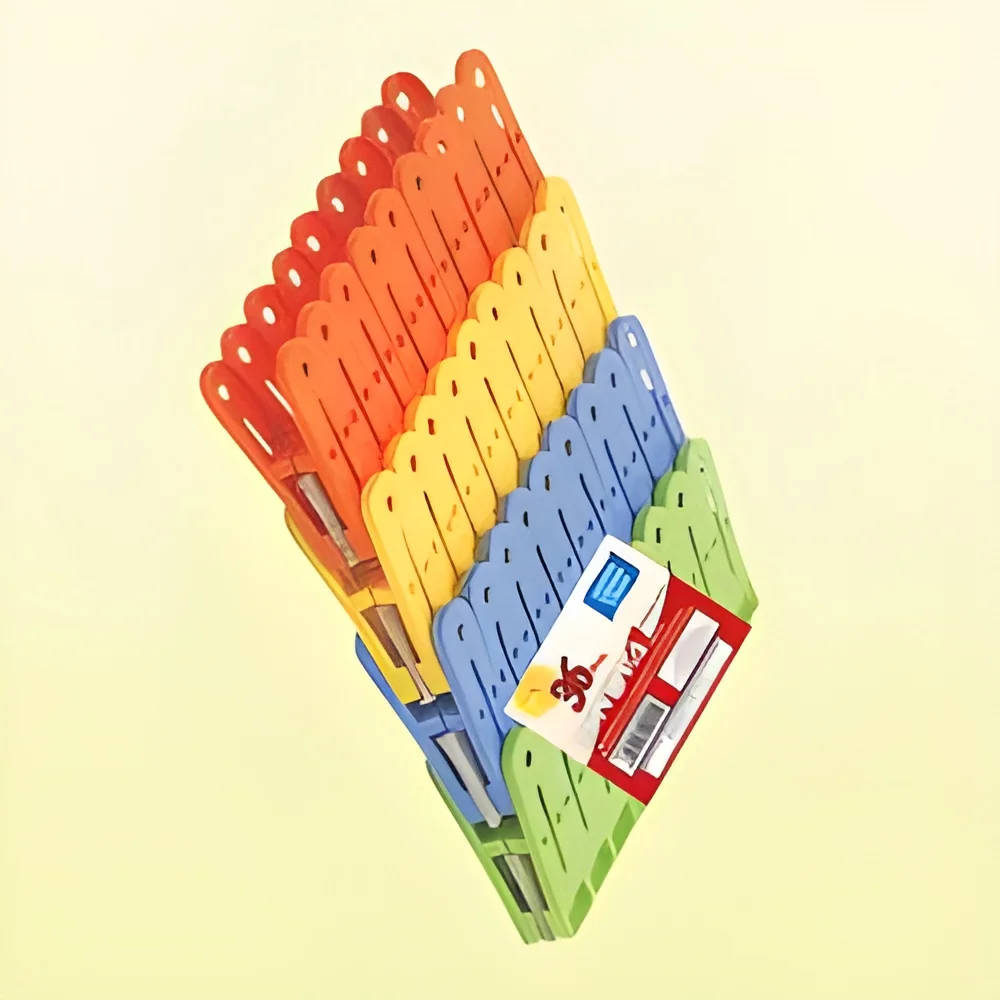
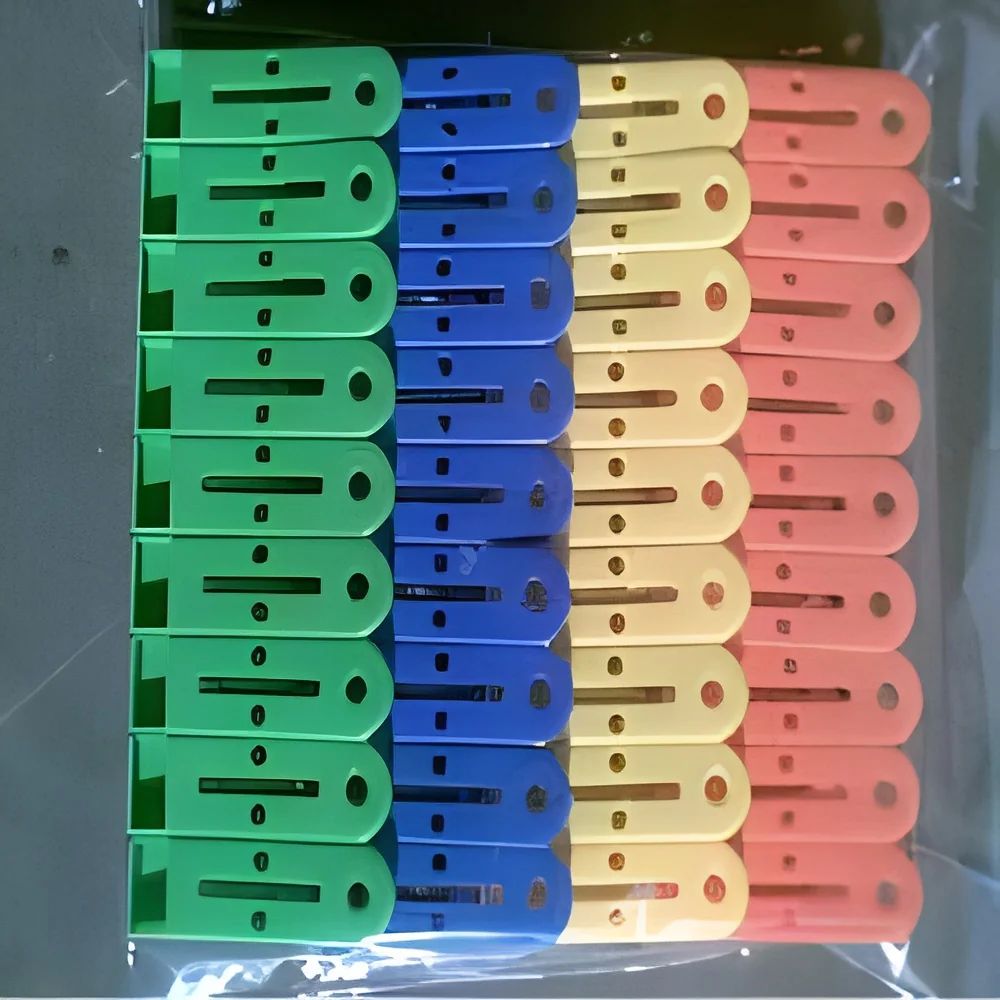
Clothes pegs and hangers are essential tools used for drying, storing, and organizing garments. Clothes pegs, also known as clothespins, are small devices that secure clothing to a washing line, preventing items from being blown away by the wind. Hangers, on the other hand, are used to hold clothes in a way that maintains their shape while they are hung in closets or on racks. Both items are widely utilized in households and commercial environments for efficient garment management.
The primary uses of clothes pegs and hangers extend into various business applications. In the retail sector, hangers are crucial for displaying clothing items in stores, enabling customers to browse easily. Clothes pegs are often employed in laundry services and dry cleaning businesses to secure items during the drying process. Their functionality enhances organization and presentation, making them valuable assets across multiple industries.
In terms of industry relevance, the market for clothes pegs and hangers is significant, driven by the growing demand for organized clothing storage solutions. As the retail and laundry sectors expand, the need for durable and efficient products in this category continues to rise. Companies are seeking innovative designs and materials to improve functionality and user experience, indicating a vibrant market landscape.
Key Features and Specifications
Clothes pegs and hangers come equipped with various features and specifications that cater to diverse needs. Understanding these details is crucial for selecting the right products for business applications.
Key specifications include:
1. Material Composition
- Common materials include plastic, wood, and metal.
- Each material offers different durability and weight capacities.
2. Size and Dimensions
- Available in various sizes to accommodate different types of clothing.
- Standard dimensions for hangers usually range from 16 to 18 inches in width.
3. Weight Capacity
- Clothes pegs typically support lightweight items, while hangers can vary significantly.
- Some heavy-duty hangers can hold garments weighing up to 10 pounds.
4. Design Features
- Hangers may include clips and notches for additional garment security.
- Pegs can have ergonomic designs for easier handling.
5. Weather Resistance
- Many pegs are designed for outdoor use, featuring UV resistance.
- Hangers used in commercial settings may be treated to resist rust and corrosion.
6. Color Options
- Available in a variety of colors for customized aesthetic appeal.
- Some businesses prefer specific colors for brand alignment.
In summary, choosing clothes pegs and hangers involves considering their materials, sizes, designs, and other specifications to ensure they meet specific business needs.
Common Applications and Use Cases
Clothes pegs and hangers are utilized across numerous industries, each with unique applications.
1. Retail Clothing Stores: Hangers are essential for displaying garments attractively, allowing customers to view items clearly while maintaining their shape.
2. Laundry and Dry Cleaning Services: Clothes pegs are used to secure items during drying, ensuring that they remain in place and are properly aired out.
3. Hotels and Hospitality: Hangers are widely used in hotel rooms to provide guests with convenient storage options for their clothing.
4. Home Use: In residential settings, both pegs and hangers help organize laundry and closet spaces, making it easier to manage clothing.
5. E-commerce Fulfillment Centers: Hangers may be used to display products for photography purposes before packaging for shipment, ensuring items are presented well.
6. Textile Manufacturing: In factories, hangers are often used for drying textiles during the production process.
Incorporating these products into diverse environments enhances efficiency and organization.
Product Variants and Subcategories
Clothes pegs and hangers exhibit a range of variants, catering to specific needs and preferences.
Plastic Clothes Pegs: These lightweight and durable pegs are ideal for everyday household use. They are resistant to weather elements and do not rust, making them suitable for outdoor drying.
Wooden Hangers: Known for their sturdiness and classic aesthetic, wooden hangers are often used in retail settings to display high-end garments. They provide excellent support for heavier clothing items.
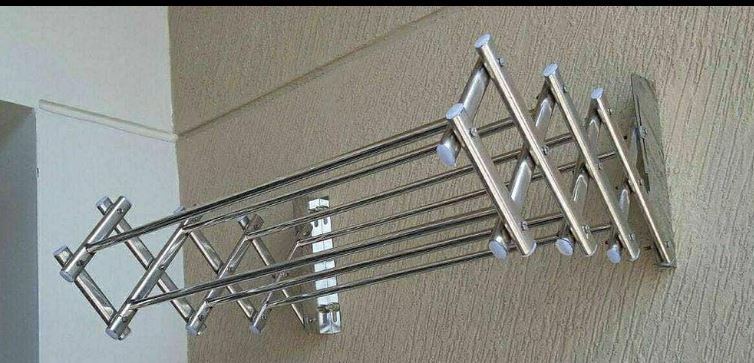
Metal Hangers: These hangers offer a sleek design and are highly durable. Often used in commercial applications, they can hold various garment types while maximizing space.
Clip Hangers: Designed with clips, these hangers are perfect for holding skirts or pants securely in place. They are commonly used in retail to showcase a complete outfit.
Benefits and Advantages
Choosing the right clothes pegs and hangers offers several advantages for businesses.
1. Organization: Hangers provide an efficient method for storing and displaying garments, ensuring a tidy environment.
2. Durability: Quality materials enhance the lifespan of both pegs and hangers, reducing the need for frequent replacements.
3. Cost-Effectiveness: Investing in durable products can lead to long-term savings, minimizing replacement costs.
4. Versatility: These products can be used across various applications, from retail to home use, making them a versatile choice.
5. Enhanced Presentation: Well-designed hangers can improve the visual appeal of clothing, attracting more customers in retail settings.
6. Space Efficiency: Properly designed hangers and pegs can help maximize storage space, particularly in commercial environments.
Buying Guide for B2B Buyers
When sourcing clothes pegs and hangers, several critical factors should be considered to ensure that businesses make informed purchases.
1. Quality Assessment: Evaluate the materials and construction of pegs and hangers. High-quality items will perform better and last longer, providing better value.
2. Supplier Verification: It is essential to vet suppliers to ensure reliability and quality. Look for reviews and certifications to confirm their credibility.
3. Pricing and MOQ: Understand the price ranges and minimum order quantities (MOQ) required by suppliers. This will help in budgeting effectively for procurement.
4. Delivery and Lead Times: Consider logistics and the expected delivery times. Timely delivery is crucial for maintaining inventory levels in retail and laundry operations.
5. Compliance Requirements: Ensure that the products meet industry standards and regulatory requirements, particularly if used in sensitive environments like hospitality or food service.
Compliance and Certifications
Compliance with quality standards and certifications is vital for clothes pegs and hangers.
Relevant quality standards include ISO 9001, which focuses on quality management systems, ensuring that products are consistent and meet customer expectations. Compliance with HACCP (Hazard Analysis Critical Control Point) may also be necessary, particularly in industries where hygiene is critical.
Industry certifications, such as CE marking, indicate that products meet European safety, health, and environmental protection standards. This is particularly important for businesses operating in multiple regions.
Safety and testing requirements must also be considered, as products should be tested for durability and performance to prevent failures during use.
Regional compliance considerations might vary, and businesses should be aware of specific regulations that apply in their area to ensure full compliance.
Why Source Clothes Pegs & Hangers from Pepagora?
Pepagora offers a reliable platform for sourcing clothes pegs and hangers, ensuring that businesses find high-quality products suited to their needs.
The platform features a verified supplier network, providing buyers with access to credible manufacturers. This verification process helps ensure that products meet quality standards and buyer specifications.
Pepagora's streamlined RFQ process allows businesses to request quotes easily, facilitating faster procurement decisions. This efficiency is crucial for companies needing to manage inventory effectively.
Trade assurance and support are also key features of Pepagora. This buyer protection ensures that transactions are secure, giving companies peace of mind when sourcing products.
With regional coverage extending across India, the GCC, and Southeast Asia, Pepagora connects buyers with suppliers in diverse markets, enhancing sourcing opportunities and enabling businesses to thrive in competitive environments.


 India



 India
 India
Frequently Asked Questions
What are Clothes Pegs & Hangers?
Clothes pegs and hangers are essential accessories used for drying and organizing garments. Clothes pegs, also known as clothespins, are small devices that grip clothes to a line, while hangers are used to support clothing in wardrobes or closets.
What are the different types of Clothes Pegs & Hangers?
There are various types of clothes pegs and hangers available, including plastic, wooden, and metal pegs. Hangers come in different styles such as clip hangers, padded hangers, and multi-tier hangers, catering to specific clothing types and user preferences.
How do I choose the right Clothes Pegs & Hangers?
Selecting the right clothes pegs and hangers depends on the type of clothing you wish to dry or store. Consider factors such as the material, size, and weight capacity of the pegs and hangers to ensure they meet your needs.
What are the standard specifications for Clothes Pegs & Hangers?
Standard specifications for clothes pegs and hangers include dimensions, weight capacity, and material composition. It is important to check that the products are durable and suitable for the types of garments they will hold.
What is the price range for Clothes Pegs & Hangers?
The price range for clothes pegs and hangers can vary widely based on material, brand, and design. Generally, plastic pegs may cost between INR 50 to INR 300 per pack, while hangers can range from INR 100 to INR 1000 depending on their type and quality.
What quality standards apply to Clothes Pegs & Hangers?
Quality standards for clothes pegs and hangers typically include durability, resistance to wear and tear, and safety. Products should comply with relevant industry regulations to ensure they are safe for consumer use.
Where can I find Clothes Pegs & Hangers suppliers in India?
You can find clothes pegs and hangers suppliers in India through online B2B marketplaces like Pepagora.com, trade shows, and local manufacturing hubs. It is advisable to compare multiple suppliers to find the best options.
Can Clothes Pegs & Hangers be customized?
Yes, many manufacturers offer customization options for clothes pegs and hangers. Customization can include specific colors, sizes, and branding elements to cater to business needs.
What is the typical minimum order quantity for Clothes Pegs & Hangers?
The minimum order quantity (MOQ) for clothes pegs and hangers varies by manufacturer, but it typically ranges from 500 to 1000 units. Always check with the supplier for their specific MOQ requirements.
What is the typical lead time for Clothes Pegs & Hangers?
The typical lead time for clothes pegs and hangers can vary depending on the supplier and order size, but it generally ranges from 2 to 4 weeks. It is important to confirm lead times with the supplier at the time of order.
Why Businesses Trust Pepagora
Thousands of companies trust Pepagora to source smarter and sell faster
Expand Your Sales Globally

Source Smarter,Grow Faster
