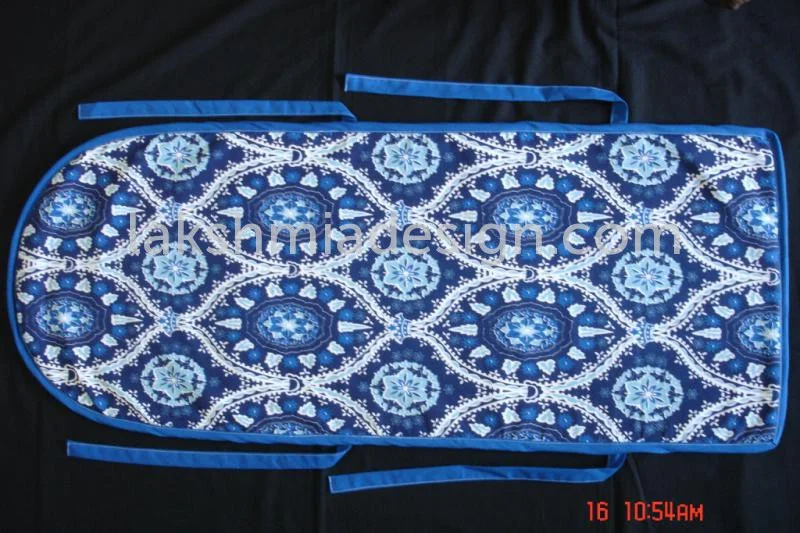
What are Ironing Boards?
Ironing boards are essential household and commercial equipment designed for ironing clothes. They provide a flat surface that allows for efficient and effective ironing of various fabrics, helping to remove wrinkles and creases. Typically, an ironing board consists of a frame, a flat surface covered with heat-resistant fabric, and often a padding layer for added convenience. The design varies to cater to different needs, from compact models suitable for small spaces to larger, more robust variants for heavy use.
In business applications, ironing boards are primarily used in laundry services, dry cleaning establishments, and textile production facilities. These environments require durable boards that can withstand frequent use and high temperatures. The relevance of ironing boards in the industry is significant, as they contribute to the overall efficiency and quality of garment finishing processes. With advancements in design and materials, modern ironing boards are increasingly becoming an integral part of professional ironing stations, enhancing productivity and user comfort.
Key Features and Specifications
Ironing boards come equipped with various features tailored to meet both consumer and commercial demands. When selecting an ironing board, it is essential to consider its specifications to ensure it meets the required standards for performance and durability.
Key specifications include:
1. Size and dimensions
- Standard ironing boards typically measure around 54 to 60 inches in length and 15 to 18 inches in width.
- Compact models are available for small spaces, often measuring 32 to 48 inches.
2. Weight capacity
- Most ironing boards can support weights between 25 to 50 pounds.
- Heavy-duty models are designed for professional use and can handle even more weight.
3. Adjustable height
- Many boards come with adjustable legs, allowing users to set the height between 28 to 36 inches.
- This feature enhances comfort and ergonomics during use.
4. Cover material
- Covers are often made from cotton or polyester blends, designed to withstand high temperatures.
- Some boards feature heat reflective surfaces to improve efficiency.
5. Stability features
- Sturdy legs with rubber feet prevent slipping and provide stability.
- Some models include locking mechanisms to secure the board in place.
6. Foldability
- Most ironing boards can be easily folded for storage.
- Compact designs allow for space-saving solutions in smaller environments.
7. Iron rest
- Integrated iron rests provide a safe place to set down hot irons.
- Some boards feature built-in heat-resistant pads.
8. Portability
- Lightweight models are designed for easy transport.
- Some boards come with wheels for added mobility.
In summary, understanding the key features and specifications of ironing boards helps buyers make informed decisions based on their specific needs and applications.
Common Applications and Use Cases
Ironing boards serve a variety of industries and applications, ensuring that garments and textiles are presented in their best form.
1. Laundry Services: These establishments rely on ironing boards for finishing clothes after washing. High-quality boards improve efficiency and ensure a professional finish.
2. Dry Cleaning: In dry cleaning operations, ironing boards are essential for smoothing out delicate fabrics. Specialized boards can handle various types of garments, including suits and evening wear.
3. Textile Manufacturing: In production environments, ironing boards assist in the final stages of garment creation. They help ensure that products are wrinkle-free before they reach retail.
4. Hospitality Industry: Hotels and resorts use ironing boards in guest rooms for their patrons. They provide convenience and enhance the guest experience.
5. Retail Clothing Stores: Retailers may offer ironing services or use boards for in-store displays to present clothing neatly.
6. Tailoring and Alterations: Tailors depend on high-quality boards to press garments during alterations, ensuring proper fit and finish.
7. Home Use: Many households use ironing boards for regular maintenance of clothing, making them a staple in domestic settings.
Product Variants and Subcategories
Ironing boards come in various forms to cater to different user needs and environments. The diversity in product offerings allows buyers to select the best option for their specific requirements.
Standard Ironing Board: This is the most common type, featuring a sturdy frame and a wide, padded surface. It is suitable for everyday household use and can handle a range of fabric types.
Compact Ironing Board: Designed for small spaces, these boards are lightweight and easy to store. They are ideal for apartments or homes where space is limited, providing functionality without taking up much room.
Professional Ironing Board: Built for commercial use, these boards are heavy-duty and often feature additional features such as steam iron supports and reinforced frames. They are suitable for laundry services and dry cleaners.
Wall-Mounted Ironing Board: This variant can be installed in a fixed position and folds away when not in use. It is perfect for maximizing space in small laundry rooms or kitchens.
Benefits and Advantages
Investing in high-quality ironing boards offers several key benefits that enhance user experience and efficiency.
1. Improved Efficiency: A well-designed ironing board allows for quicker and more effective ironing, saving time in both commercial and residential settings.
2. Ergonomic Design: Adjustable height features promote comfort, reducing strain on the back and shoulders during use.
3. Versatility: Ironing boards can accommodate a range of fabrics and garments, making them suitable for various applications.
4. Space-Saving Options: Compact and foldable designs enable easy storage, making them ideal for users with limited space.
5. Enhanced Safety Features: Integrated iron rests and stability mechanisms reduce the risk of accidents, particularly in busy environments.
6. Durability: High-quality materials ensure longevity and reliability, making commercial-grade boards a worthwhile investment.
Buying Guide for B2B Buyers
When sourcing ironing boards for business use, several factors should be considered to ensure the selection meets operational needs.
1. Quality Assessment: Evaluate the build quality, materials used, and overall durability. High-quality boards will withstand frequent use and offer reliable performance.
2. Supplier Verification: Vet suppliers by checking references, reviews, and their history in the industry. Reliable suppliers will provide consistent products and support.
3. Pricing and MOQ: Understand the pricing structure and minimum order quantities required by suppliers. This information is crucial for budgeting and inventory management.
4. Delivery and Lead Times: Inquire about delivery options and lead times to ensure that products arrive when needed. Efficient logistics are vital for maintaining operations.
5. Compliance Requirements: Be aware of any regulatory standards that apply to ironing boards in your region. This may include safety certifications and quality standards.
Compliance and Certifications
Ironing boards must adhere to specific quality standards and certifications to ensure safety and reliability. Relevant standards include ISO 9001, which focuses on quality management systems, ensuring that manufacturers meet customer and regulatory requirements.
The CE certification is also important as it indicates compliance with European health, safety, and environmental protection standards. This certification can enhance marketability and build trust with customers.
Industry-specific safety and testing requirements may apply, particularly in commercial settings where boards are used frequently. Manufacturers should conduct rigorous testing to guarantee that their products meet these safety standards.
Regional compliance considerations may vary, so it is essential to understand local regulations relating to product safety and performance. Ensuring compliance not only protects consumers but also enhances the credibility of the manufacturer.
Why Source Ironing Boards from Pepagora?
Pepagora provides a trusted platform for sourcing ironing boards with several key advantages.
Verified Supplier Network: Pepagora connects buyers with a network of verified suppliers who meet strict quality standards. This ensures that businesses can source reliable products with confidence.
Streamlined RFQ Process: The platform simplifies the request for quotation process, allowing buyers to easily compare options and make informed purchasing decisions. This efficiency helps save time and resources.
Trade Assurance and Support: Pepagora offers buyer protection through trade assurance, ensuring that transactions are secure. This support builds trust between buyers and suppliers, fostering long-term business relationships.
Regional Coverage: With a strong presence in India, the GCC, and Southeast Asia, Pepagora provides extensive geographic reach. This makes it easier for businesses in these regions to find the right ironing boards tailored to their needs.

 IN
IN