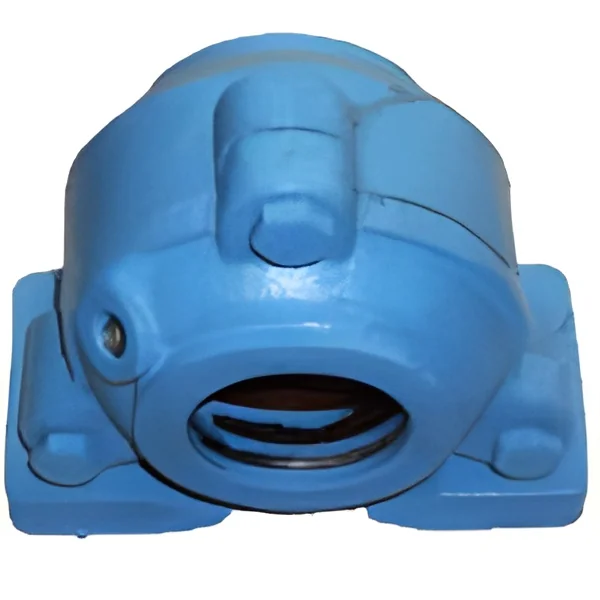
𝗪𝗵𝗮𝘁 𝗮𝗿𝗲 𝗟𝗶𝗻𝘁 𝗖𝗼𝗹𝗹𝗲𝗰𝘁𝗼𝗿𝘀 𝗳𝗼𝗿 𝗟𝗮𝘂𝗻𝗱𝗿𝘆 𝗠𝗮𝗰𝗵𝗶𝗻𝗲𝘀?
Lint collectors for laundry machines are specialized devices designed to capture lint, fluff, and other debris generated during the washing and drying processes. These collectors are typically installed in commercial laundry systems, where they help maintain the efficiency and effectiveness of the machines by preventing lint buildup. This buildup can lead to decreased operational performance, increased maintenance costs, and potential fire hazards if not effectively managed.
The primary uses of lint collectors extend beyond just residential laundry facilities. They are crucial in various sectors, including hospitality, healthcare, and textile manufacturing. In commercial laundries, these devices ensure that machines run smoothly, reducing downtime and enhancing productivity. By efficiently capturing lint, they also contribute to improved air quality and compliance with safety standards, making them an essential component in any industrial laundry setup.
In the context of industry relevance, lint collectors play a significant role in maintaining equipment longevity and operational safety. The growing demand for efficient laundry solutions in sectors such as hospitality and healthcare drives the lint collector market. As businesses increasingly prioritize sustainability and energy efficiency, the importance of effective lint management systems continues to rise.
𝗞𝗲𝘆 𝗙𝗲𝗮𝘁𝘂𝗿𝗲𝘀 𝗮𝗻𝗱 𝗦𝗽𝗲𝗰𝗶𝗳𝗶𝗰𝗮𝘁𝗶𝗼𝗻𝘀
Lint collectors for laundry machines come with several key features that enhance their functionality and efficiency. These features are essential for ensuring optimal performance and reliability in demanding commercial environments.
Key specifications include:
1. Filtration Efficiency
- High-efficiency filters designed to capture fine lint particles
- Typically rated at over 95% efficiency
2. Airflow Capacity
- Designed to support high airflow rates to accommodate large laundry operations
- Airflow rates can range from 500 to 3000 CFM (cubic feet per minute)
3. Material Construction
- Durable materials such as stainless steel or high-grade plastic for longevity
- Corrosion-resistant finishes to withstand industrial environments
4. Installation Type
- Available in both inline and standalone configurations
- Flexible installation options to fit various machine setups
5. Maintenance Requirements
- Easy access for filter replacement and cleaning
- Low maintenance designs to minimize downtime
6. Size and Dimensions
- Varied sizes to suit different machine capacities and facility layouts
- Compact designs for limited space applications
7. Noise Levels
- Designed to operate at low noise levels for a quieter laundry environment
- Typical noise ratings around 60-70 dB
8. Safety Features
- Overheat protection and safety switches to prevent hazards
- Compliance with industry safety standards
In summary, the specifications of lint collectors highlight their importance in maintaining the efficiency of laundry machines while ensuring safety and compliance in various industrial settings.
𝗖𝗼𝗺𝗺𝗼𝗻 𝗔𝗽𝗽𝗹𝗶𝗰𝗮𝘁𝗶𝗼𝗻𝘀 𝗮𝗻𝗱 𝗨𝘀𝗲 𝗖𝗮𝘀𝗲𝘀
Lint collectors serve various industries, enhancing operational efficiency and safety.
1. Hospitality: In hotels and resorts, lint collectors are essential for managing large volumes of laundry, ensuring that linens and towels are processed efficiently while preventing lint-related issues.
2. Healthcare: Hospitals and clinics require stringent cleanliness standards. Lint collectors help maintain the hygiene of medical linens by effectively managing lint and debris.
3. Textile Manufacturing: In textile production facilities, lint collectors capture fibers and lint that can interfere with machinery, ensuring smooth operations and high-quality outputs.
4. Dry Cleaning: Lint collectors are crucial in dry cleaning establishments, where they help maintain equipment performance and prevent lint from contaminating garments.
5. Commercial Laundromats: In laundromats, these collectors improve machine efficiency and customer satisfaction by ensuring that laundry is processed without lint buildup.
6. Industrial Laundry Services: Companies providing laundry services for industries such as food processing and pharmaceuticals rely on lint collectors to maintain compliance and operational efficiency.
7. Sports Facilities: Gyms and sports centers use lint collectors in their laundry operations to manage sports uniforms and towels, ensuring cleanliness and safety.
𝗣𝗿𝗼𝗱𝘂𝗰𝘁 𝗩𝗮𝗿𝗶𝗮𝗻𝘁𝘀 𝗮𝗻𝗱 𝗦𝘂𝗯𝗰𝗮𝘁𝗲𝗴𝗼𝗿𝗶𝗲𝘀
Lint collectors for laundry machines come in different variants tailored to specific needs and applications.
Compact Lint Collectors
These models are designed for smaller laundry operations or facilities with limited space. They offer effective lint capture while taking up minimal floor space, making them ideal for small hotels or laundromats.
Heavy-Duty Lint Collectors
Heavy-duty variants are built for high-capacity laundry facilities. They are engineered to handle large volumes of lint and debris without compromising efficiency, suitable for industrial laundries and large-scale operations.
Portable Lint Collectors
These mobile units provide flexibility for various laundry setups. They can be easily moved between machines or locations, making them ideal for temporary or changing laundry environments.
𝗕𝗲𝗻𝗲𝗳𝗶𝘁𝘀 𝗮𝗻𝗱 𝗔𝗱𝘃𝗮𝗻𝘁𝗮𝗴𝗲𝘀
Lint collectors offer numerous advantages that contribute to the efficiency and safety of laundry operations.
Key benefits include:
1. Improved Efficiency: By capturing lint effectively, these collectors help maintain optimal machine performance, reducing the risk of malfunctions.
2. Enhanced Safety: Effective lint management reduces the risk of fires associated with lint buildup in laundry machines, ensuring a safer environment.
3. Reduced Maintenance Costs: By preventing lint accumulation, businesses can lower maintenance expenses and extend the lifespan of their laundry equipment.
4. Better Air Quality: Lint collectors improve air quality in laundry facilities by reducing airborne particles and allergens, leading to a healthier work environment.
5. Compliance with Regulations: Utilizing lint collectors helps businesses comply with industry safety and hygiene standards, avoiding potential fines or penalties.
6. Increased Productivity: With machines running more smoothly and efficiently, laundry facilities can handle larger volumes of work, leading to higher productivity levels.
𝗕𝘂𝘆𝗶𝗻𝗴 𝗚𝘂𝗶𝗱𝗲 𝗳𝗼𝗿 𝗕𝟮𝗕 𝗕𝘂𝘆𝗲𝗿𝘀
When sourcing lint collectors for laundry machines, several key factors should be considered to ensure an effective purchase.
1. Quality Assessment: Evaluate the materials and construction to ensure durability and longevity. Look for models with high filtration efficiency and reliable performance metrics.
2. Supplier Verification: Vet potential suppliers to confirm their credibility and reputation in the industry. Check for customer reviews and industry certifications to ensure reliability.
3. Pricing and MOQ: Understand the pricing structures and minimum order quantities (MOQ) to align with your budget and operational needs. Compare quotes from different suppliers for the best value.
4. Delivery and Lead Times: Consider the logistics involved in sourcing lint collectors, including delivery times and shipping options. Ensure that suppliers can meet your timelines.
5. Compliance Requirements: Verify that the lint collectors meet relevant industry standards and regulations for safety and environmental compliance. This is crucial for avoiding legal issues.
𝗖𝗼𝗺𝗽𝗹𝗶𝗮𝗻𝗰𝗲 𝗮𝗻𝗱 𝗖𝗲𝗿𝘁𝗶𝗳𝗶𝗰𝗮𝘁𝗶𝗼𝗻𝘀
Lint collectors for laundry machines must adhere to various quality standards and certifications to ensure reliability and safety in industrial applications.
Relevant quality standards include ISO 9001, which outlines criteria for a quality management system, ensuring consistent product quality. Additionally, compliance with HACCP (Hazard Analysis Critical Control Point) ensures that the equipment meets hygiene standards critical in sectors like healthcare and food processing.
Industry certifications, such as CE marking, indicate conformity with health, safety, and environmental protection standards for products sold within the European Economic Area.
Safety and testing requirements are vital for ensuring that lint collectors operate efficiently without posing hazards. Regular testing and adherence to safety guidelines help maintain a secure working environment.
Regional compliance considerations are also important, as regulations can vary by country or region. It is essential for suppliers and buyers to stay informed about local standards to ensure compliance.
𝗪𝗵𝘆 𝗦𝗼𝘂𝗿𝗰𝗲 𝗟𝗶𝗻𝘁 𝗖𝗼𝗹𝗹𝗲𝗰𝘁𝗼𝗿𝘀 𝗳𝗼𝗿 𝗟𝗮𝘂𝗻𝗱𝗿𝘆 𝗠𝗮𝗰𝗵𝗶𝗻𝗲𝘀 𝗳𝗿𝗼𝗺 𝗣𝗲𝗽𝗮𝗴𝗼𝗿𝗮?
Pepagora provides a trusted platform for sourcing lint collectors for laundry machines, offering numerous advantages to B2B buyers.
Verified Supplier Network: Pepagora boasts a network of verified suppliers, ensuring that buyers can source high-quality products from reputable manufacturers. This verification process helps mitigate risks associated with purchasing.
Streamlined RFQ Process: The Request for Quotation (RFQ) system simplifies the procurement process for buyers, allowing them to easily request quotes from multiple suppliers and compare options efficiently.
Trade Assurance and Support: Buyers benefit from trade assurance measures that protect their purchases and foster trust between buyers and suppliers. Pepagora's support team is available to assist throughout the purchasing process.
Regional Coverage: With a strong presence in India, GCC, and Southeast Asia, Pepagora connects buyers with suppliers across these regions, facilitating easy access to lint collectors tailored to various market needs.
By choosing Pepagora, businesses can ensure they are making informed purchasing decisions while enjoying the benefits of a robust supplier network and reliable support.

 IN
IN