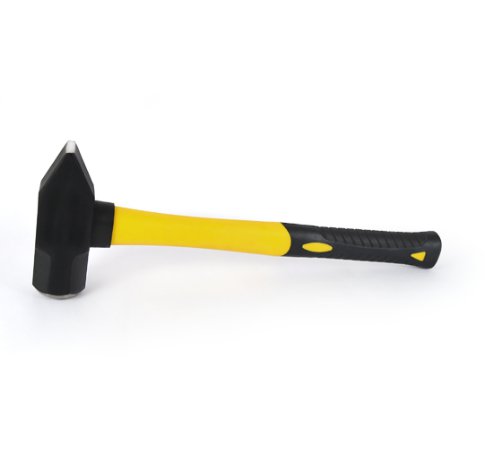
What are Claw Hammers?
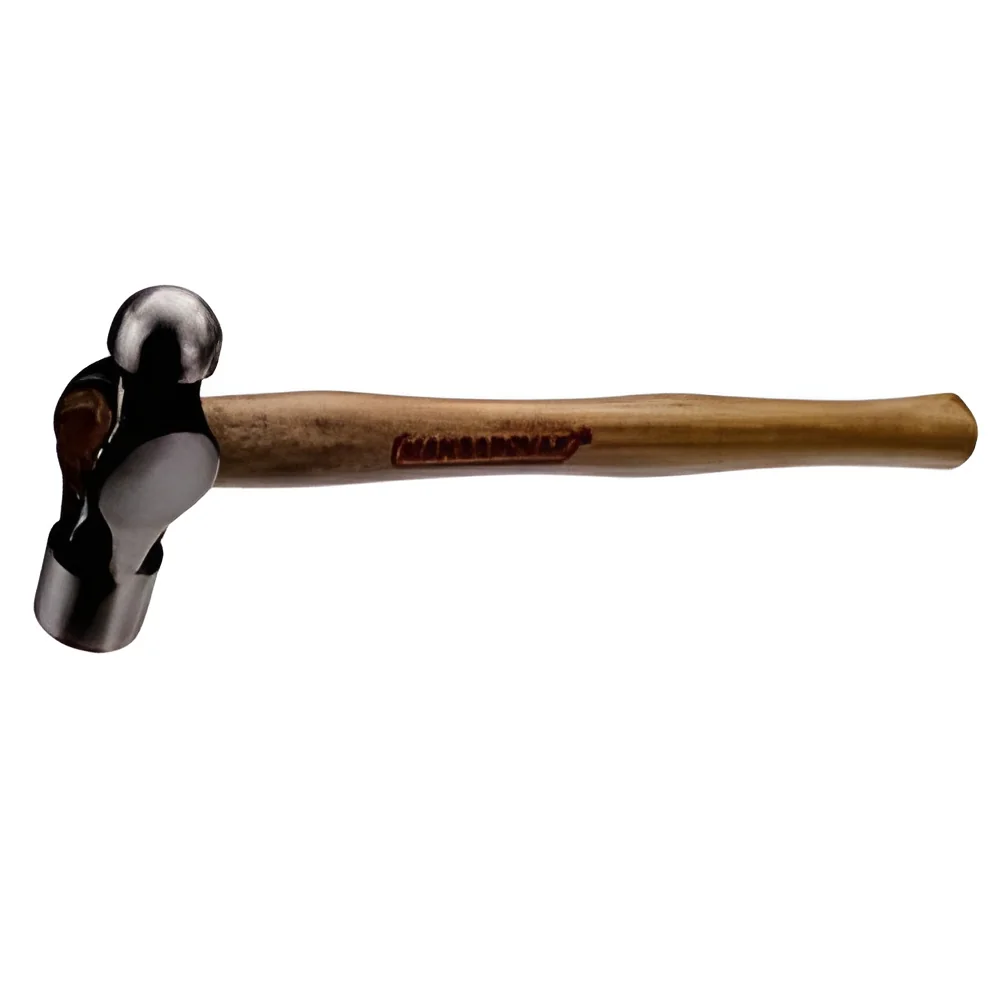
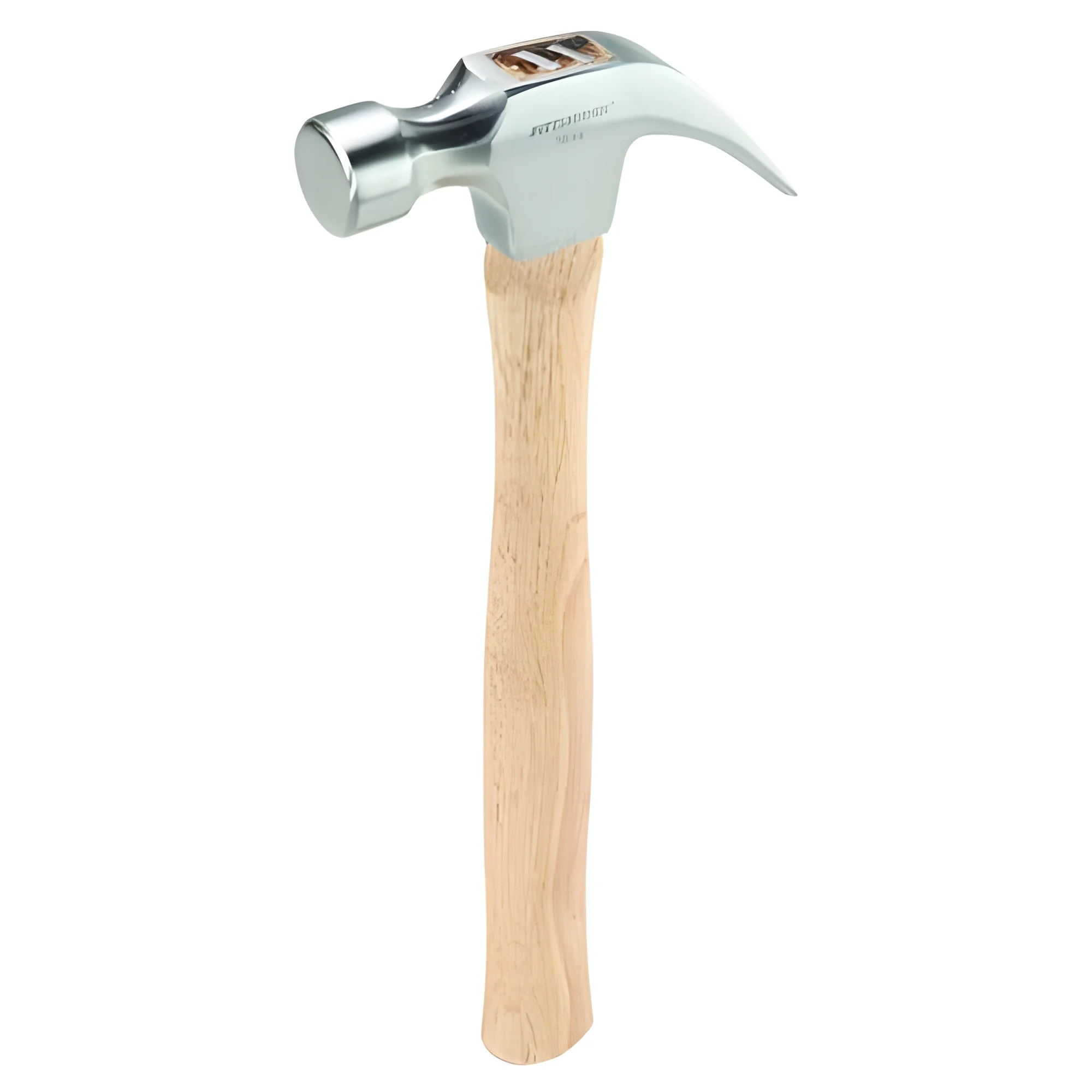
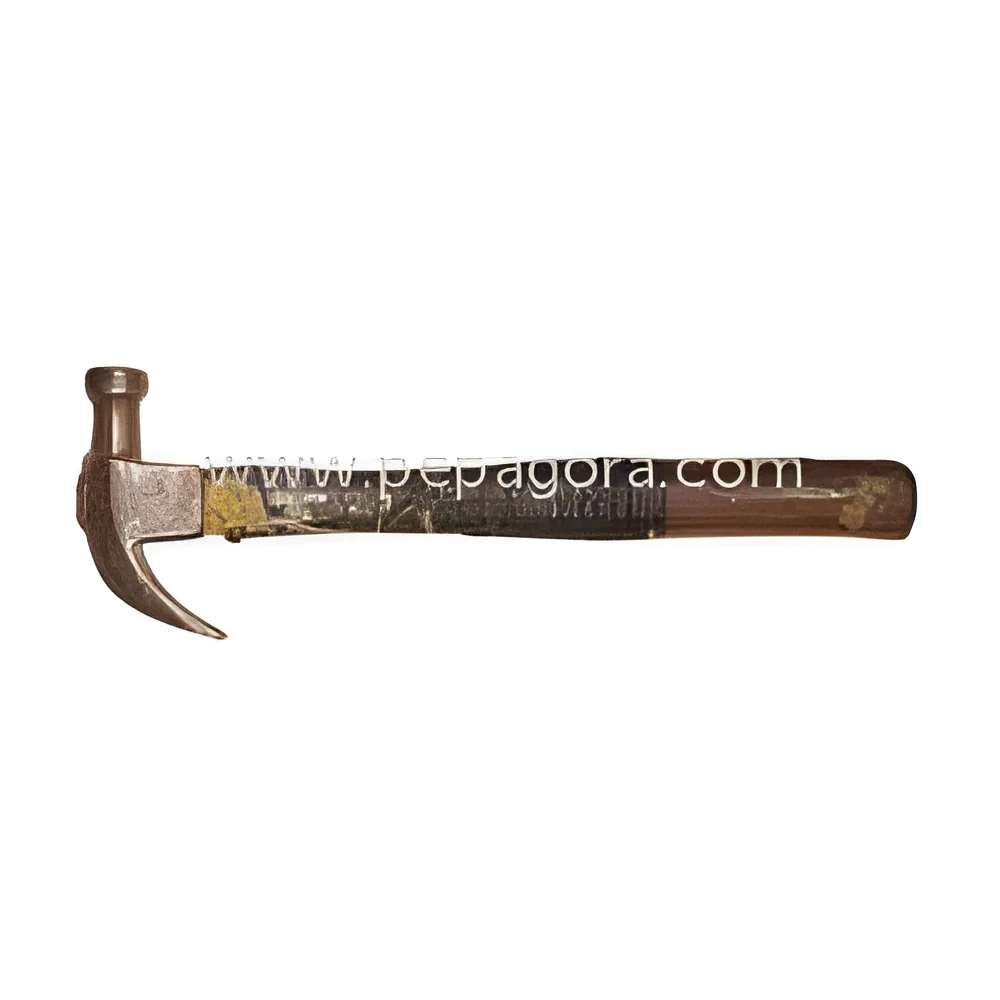
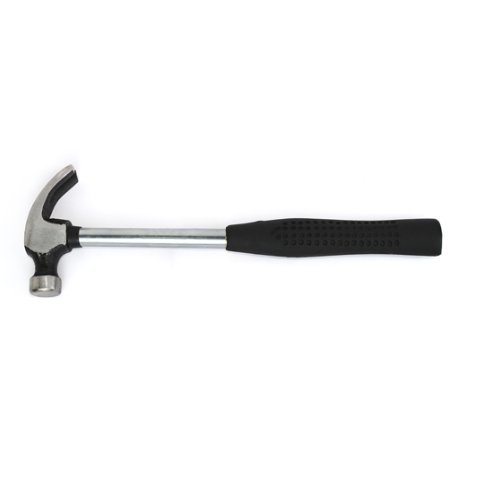
Claw hammers are essential hand tools commonly used in various construction and repair tasks. They are characterized by their unique design, featuring a flat striking face on one side and a forked claw on the other. This dual functionality allows users to drive nails into surfaces and remove them when needed. The balance and weight distribution of claw hammers are engineered to enhance user control and efficiency.
These tools are predominantly utilized in woodworking, metalworking, and general construction. They are ideal for tasks such as framing, furniture assembly, and basic home repairs. Their versatility makes them a staple in both professional and DIY toolkits. The demand for claw hammers continues to grow across industries due to their effectiveness and reliability.
In the context of the industrial market, claw hammers are relevant for both small-scale projects and large construction operations. With a focus on quality and performance, manufacturers are constantly innovating to meet the evolving needs of professionals. This ensures that claw hammers remain a crucial part of the toolkit for builders, contractors, and craftsmen alike.
Key Features and Specifications
Claw hammers are built with a variety of features that enhance their functionality and durability. When considering a claw hammer, it is important to examine its specifications closely to ensure it meets specific needs.
Key specifications include:
1. Head Material
- Typically made from hardened steel for durability
- Varies in weight to suit different applications
2. Handle Material
- Common options include wood, fiberglass, and steel
- Each material offers different levels of shock absorption and grip
3. Weight
- Standard weights range from 16 ounces to 20 ounces
- Heavier hammers provide more striking power
4. Length
- Handle lengths commonly vary from 13 to 16 inches
- Longer handles can enhance leverage
5. Claw Design
- Curved or straight claw options for different nail pulling needs
- Designed for maximum grip on nail heads
6. Grip Type
- Rubberized or textured grips for improved control
- Ergonomic designs reduce hand fatigue during use
7. Finish
- Chrome or powder-coated finishes to resist rust
- Aesthetically appealing while maintaining functionality
In summary, understanding these specifications is crucial for choosing a claw hammer that suits specific professional requirements.
Common Applications and Use Cases
Claw hammers are widely used across several industries, providing essential functionality in various tasks.
1. Construction: In construction, claw hammers are used for framing walls, installing roofing, and other general carpentry tasks. Their ability to drive and remove nails makes them invaluable on job sites.
2. Manufacturing: In manufacturing settings, claw hammers play a role in assembling products and machinery. They are essential for tasks requiring precision and control.
3. Home Improvement: DIY enthusiasts frequently use claw hammers for home repair and renovation projects. Their versatility allows users to tackle a wide range of tasks, from hanging pictures to building furniture.
4. Automotive: In the automotive industry, claw hammers assist in panel repairs and other tasks that require nail pulling or driving.
5. Landscaping: Landscapers use claw hammers for tasks such as installing fences and stakes, where driving nails into wood is necessary.
6. Electrical: Electricians might use claw hammers for securing wiring and fixtures, making this tool a multi-functional asset.
7. Art and Craft: Artists and craftspeople utilize claw hammers to create installations or assemble large pieces, allowing for creative expression in various materials.
Product Variants and Subcategories
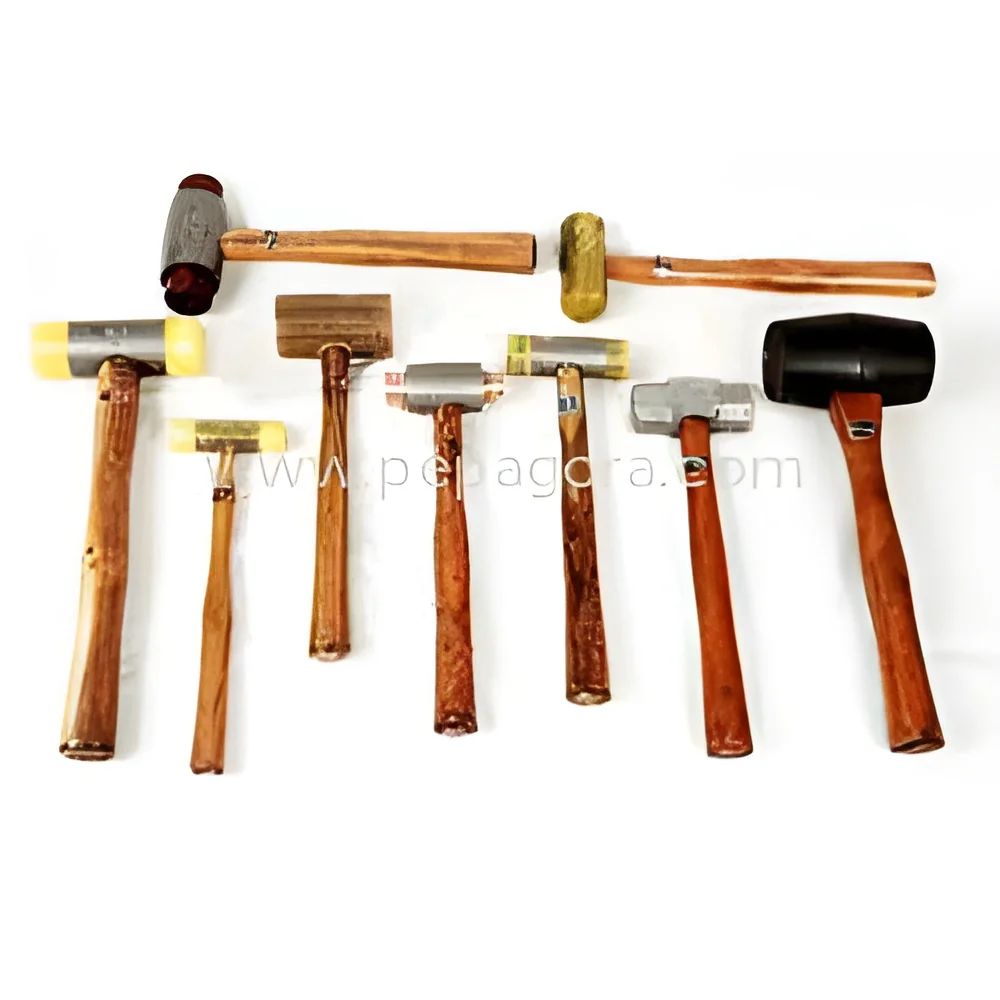
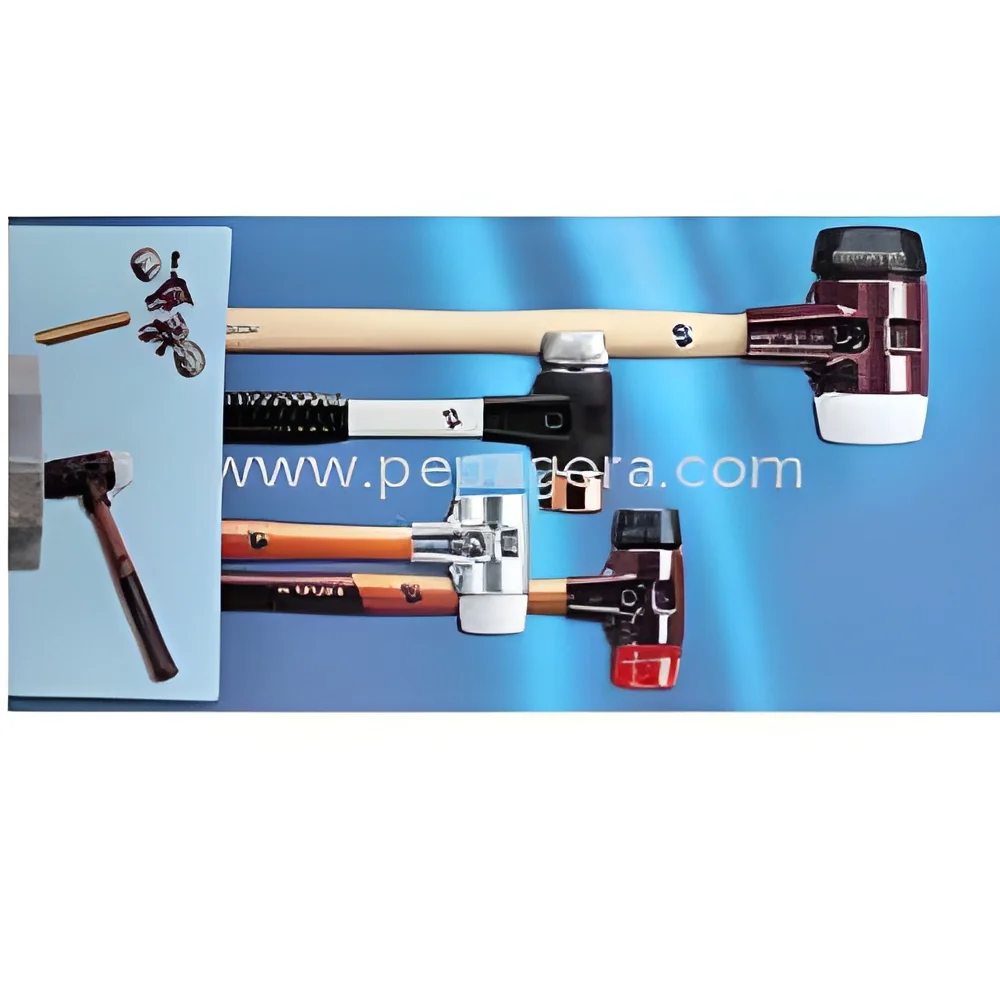
Claw hammers come in various forms to meet the diverse needs of users. While there may not be subcategories, the variations available offer unique features.
Fiberglass Claw Hammer: This variant features a fiberglass handle, providing excellent shock absorption and reducing vibrations. It is lighter than traditional wood handles, making it easier to handle for extended periods.
Steel Claw Hammer: Known for its durability and strength, this option is suitable for heavy-duty applications. The steel handle provides added weight, enhancing striking power.
Wooden Claw Hammer: A classic choice among craftsmen, this variant offers a traditional feel and excellent grip. It is often favored for precision work in woodworking.
Benefits and Advantages
Choosing claw hammers provides several benefits that enhance productivity and user experience.
1. Durability: Built from high-quality materials, claw hammers are designed to withstand heavy use, making them a long-term investment.
2. Versatility: Their dual functionality allows users to drive and remove nails, making them suitable for a wide range of tasks.
3. Ergonomic Design: Many claw hammers are designed with user comfort in mind, reducing strain on the hand and wrist during prolonged use.
4. Precision: Claw hammers offer excellent control, enabling users to perform detailed work with accuracy.
5. Cost-Effectiveness: With a relatively low price point, claw hammers provide an affordable solution for both professionals and DIY enthusiasts.
6. Availability: They are widely available across various suppliers, ensuring easy access for businesses and individuals.
Buying Guide for B2B Buyers
When sourcing claw hammers, several factors should be considered to ensure a suitable purchase.
1. Quality Assessment: Evaluate the quality of materials and craftsmanship. Look for tools that meet industry standards and have positive reviews from other users.
2. Supplier Verification: Conduct thorough research on suppliers. Check for their reputation, customer feedback, and certifications to ensure reliability.
3. Pricing and MOQ: Understand the price range for claw hammers and discuss minimum order quantities with suppliers to find a deal that fits your budget.
4. Delivery and Lead Times: Confirm delivery schedules and lead times to ensure that you receive your order promptly, especially for larger projects.
5. Compliance Requirements: Be aware of any regulatory needs related to safety and quality standards that may apply in your region.
Compliance and Certifications
Claw hammers must adhere to various quality standards and certifications to ensure safety and reliability.
ISO 9001 is a common quality management standard, ensuring that manufacturers maintain consistent quality in their products. This certification provides assurance that the claw hammers meet specific quality benchmarks.
CE certification is also relevant, particularly in markets requiring compliance with European safety standards. It indicates that the product meets EU regulations for safety and performance.
Safety and testing requirements often include assessments for durability and performance under stress. These tests ensure that the tools can withstand typical usage conditions without failure.
Regional compliance considerations may vary, so it is important for manufacturers and suppliers to be aware of local regulations to ensure their products are compliant in different markets.
Why Source Claw Hammers from Pepagora?
Pepagora offers a trusted platform for sourcing claw hammers with several key advantages that benefit B2B buyers.
Verified Supplier Network: Pepagora ensures a network of verified suppliers, enhancing buyer confidence. Each supplier is vetted for quality and reliability, providing peace of mind when making purchases.
Streamlined RFQ Process: The request for quotation system simplifies the procurement process. Buyers can easily compare offers from multiple suppliers, allowing for informed decision-making.
Trade Assurance and Support: Pepagora provides buyer protection through trade assurance, safeguarding transactions and ensuring that buyers receive quality products as promised.
Regional Coverage: With a focus on major markets such as India, the Gulf Cooperation Council, and Southeast Asia, Pepagora facilitates access to claw hammers across diverse regions, ensuring buyers find the tools they need regardless of location.

 IN
IN