𝗞𝗲𝘆 𝗙𝗲𝗮𝘁𝘂𝗿𝗲𝘀 𝗮𝗻𝗱 𝗦𝗽𝗲𝗰𝗶𝗳𝗶𝗰𝗮𝘁𝗶𝗼𝗻𝘀
When selecting hand tools, it is important to consider their features and specifications to ensure they meet the needs of your business. The following specifications highlight critical aspects of wrenches, hammers, and screwdrivers.
Key specifications include:
1. Material Composition
- Tools are typically made from high-carbon steel or chrome vanadium.
- These materials provide durability and resistance to wear.
2. Handle Design
- Ergonomic handles are designed for comfort and grip.
- Some tools feature rubberized or textured surfaces for enhanced control.
3. Size Range
- Tools come in various sizes to accommodate different applications.
- Wrenches and screwdrivers often have a range of measurements indicated.
4. Torque Specifications
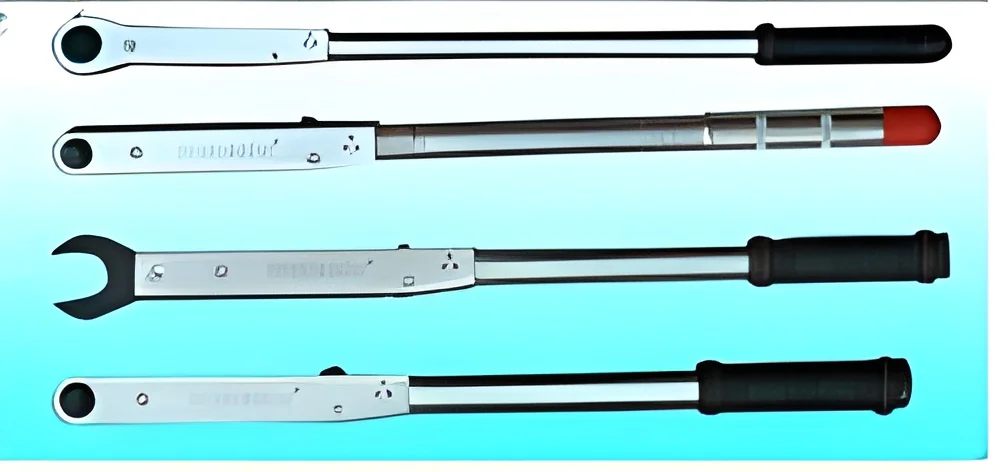
- Wrenches may have adjustable torque settings for precision.
- This ensures consistent performance and reduces the risk of damage.
5. Weight
- The weight of hand tools can affect user fatigue and ease of use.
- Lighter tools may be preferred for extended use.
6. Finish
- A chrome or matte finish can provide corrosion resistance.
- The finish also impacts the tool's aesthetics and maintenance needs.
7. Certification
- Tools may carry certifications such as CE for compliance with safety standards.
- Certification can indicate quality and reliability.
8. Warranty
- Many manufacturers offer warranties to cover defects.
- A good warranty can provide peace of mind for buyers.
In summary, understanding the key features and specifications of hand tools is crucial for making informed purchasing decisions that align with business needs.
𝗖𝗼𝗺𝗺𝗼𝗻 𝗔𝗽𝗽𝗹𝗶𝗰𝗮𝘁𝗶𝗼𝗻𝘀 𝗮𝗻𝗱 𝗨𝘀𝗲 𝗖𝗮𝘀𝗲𝘀
Hand tools are utilized across a variety of industries, making them versatile instruments in the workforce.
1. Automotive Industry: Hand tools are essential in vehicle repair and maintenance. Mechanics use wrenches and screwdrivers to assemble and disassemble parts, ensuring vehicles operate efficiently.
2. Construction Industry: Wrenches and hammers are vital for building structures. Carpenters and builders rely on these tools for framing, fastening, and finishing work.
3. Electrical Industry: Electricians use screwdrivers to install fixtures and wiring. Hand tools allow for precision in connecting electrical components safely.
4. Plumbing Industry: Plumbers utilize wrenches for pipe fittings and repairs. These tools are critical for ensuring watertight seals and system integrity.
5. Manufacturing Industry: Hand tools are frequently used on assembly lines. Workers employ wrenches and hammers for tasks ranging from assembling machinery to quality control.
6. Maintenance Services: Facilities management teams use hand tools for routine maintenance. These tools help in repairs and upkeep of equipment and structures.
7. DIY Projects: Homeowners and hobbyists commonly use hand tools for various DIY tasks. Accessibility and ease of use make them popular for personal projects.
𝗣𝗿𝗼𝗱𝘂𝗰𝘁 𝗩𝗮𝗿𝗶𝗮𝗻𝘁𝘀 𝗮𝗻𝗱 𝗦𝘂𝗯𝗰𝗮𝘁𝗲𝗴𝗼𝗿𝗶𝗲𝘀
Hand tools encompass a broad range of variants tailored for specific tasks and industries. Each variant offers unique features designed to enhance functionality and performance.
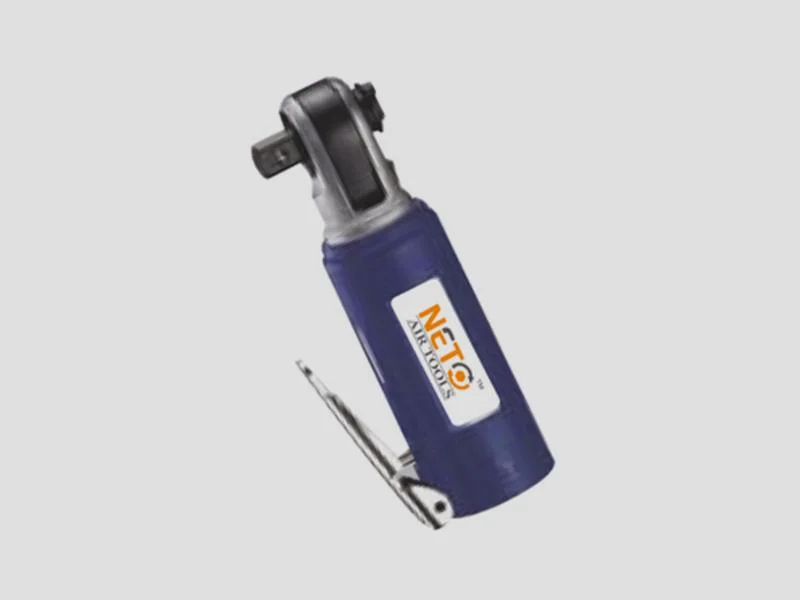
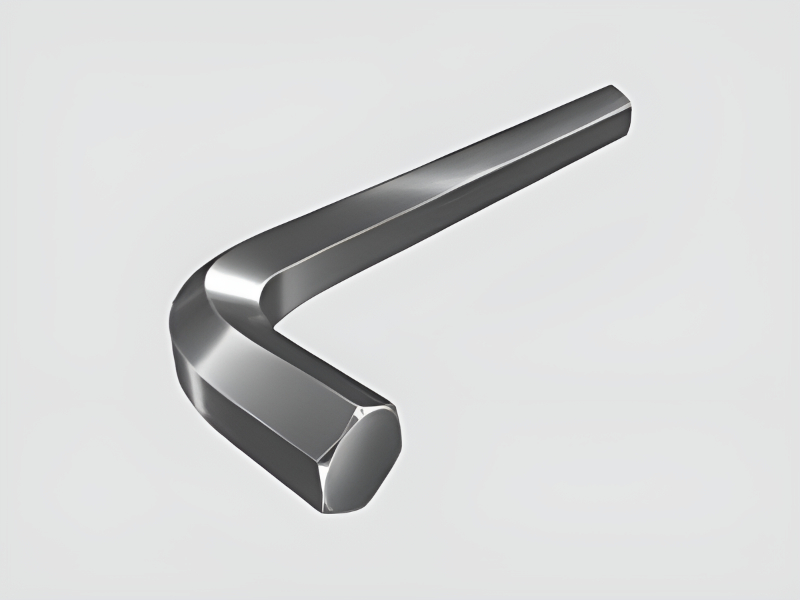
Wrenches
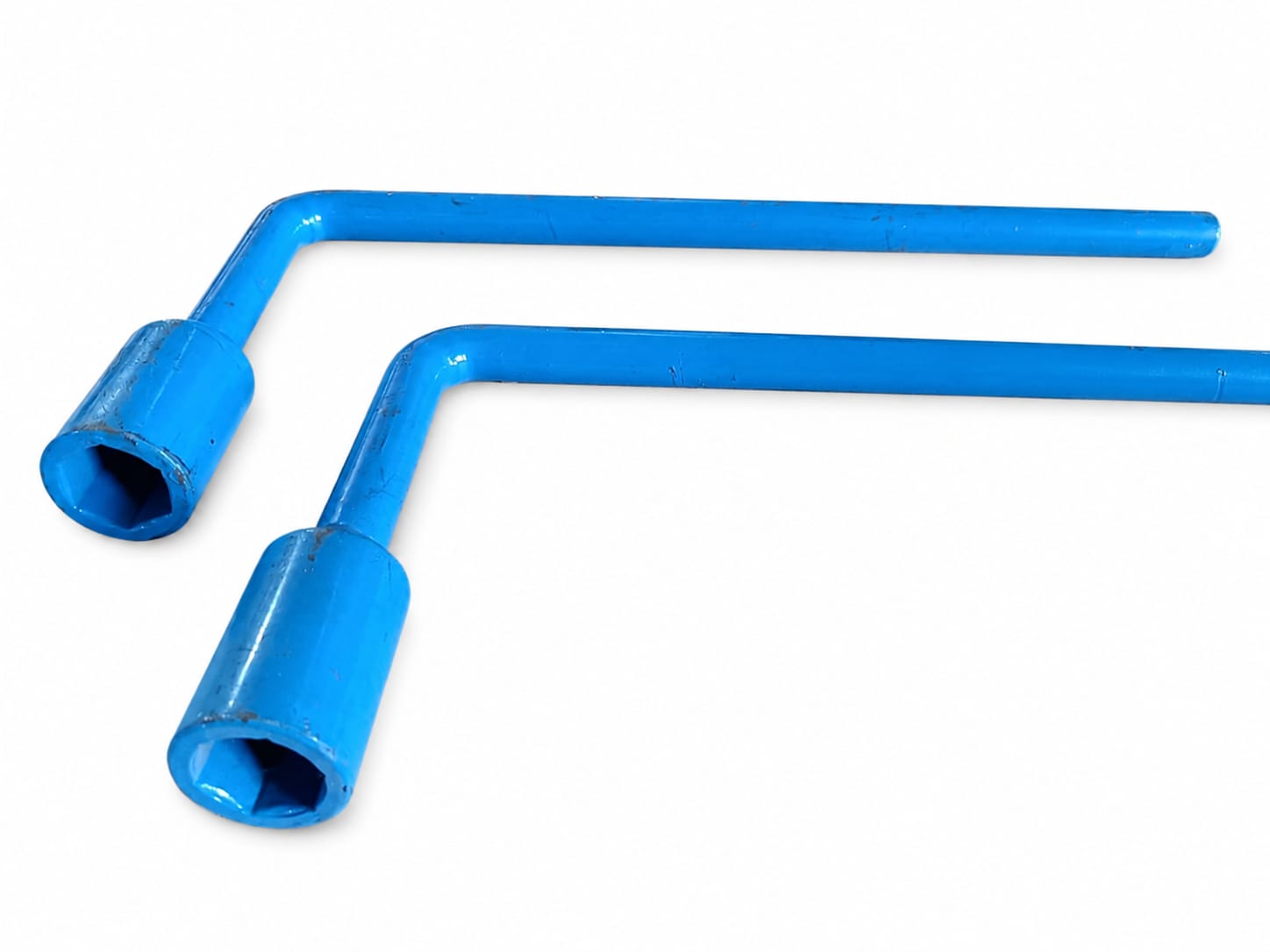
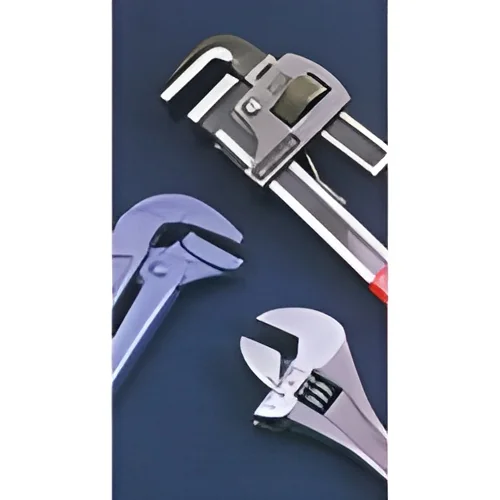
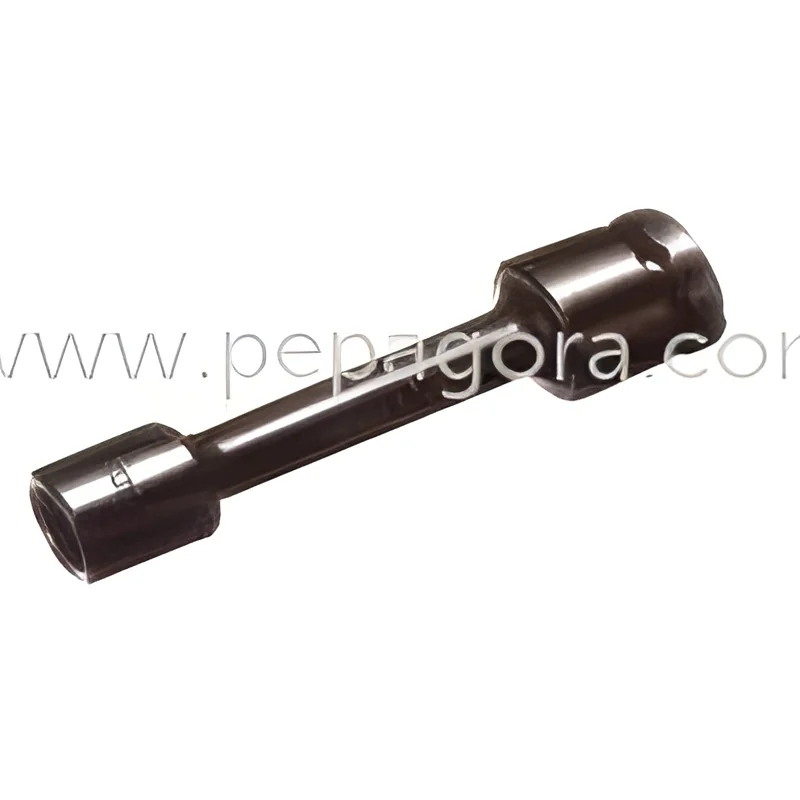
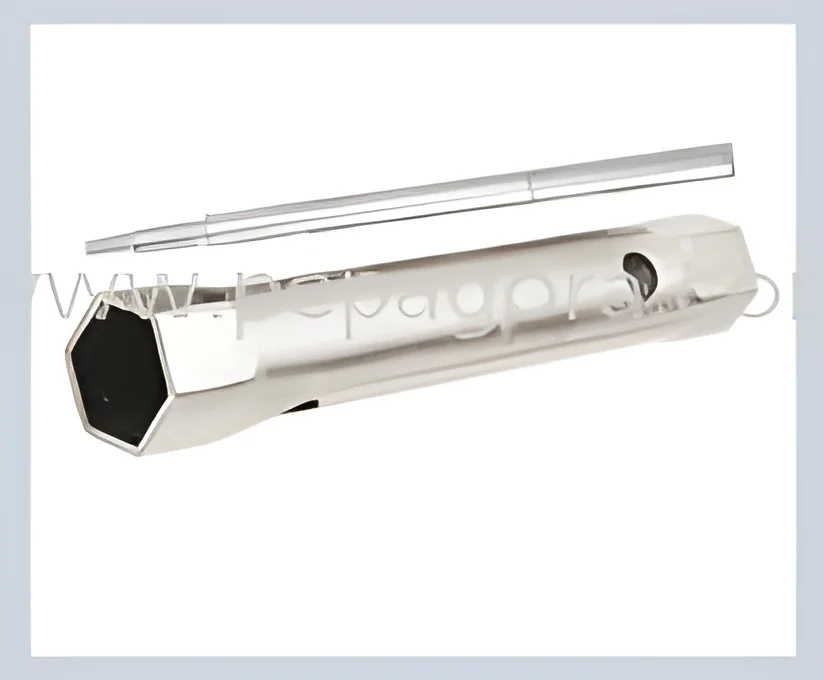
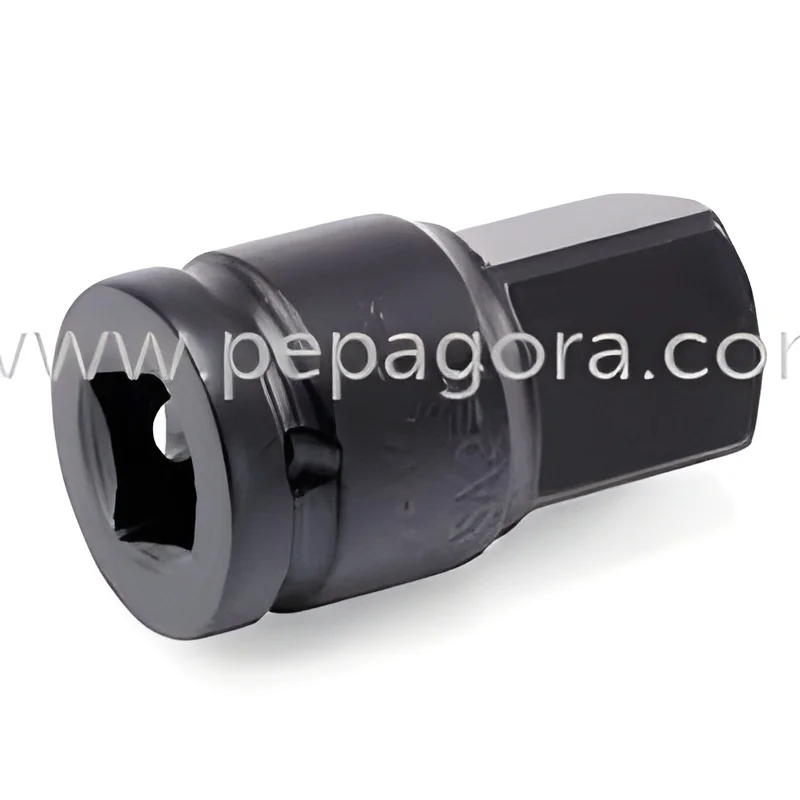
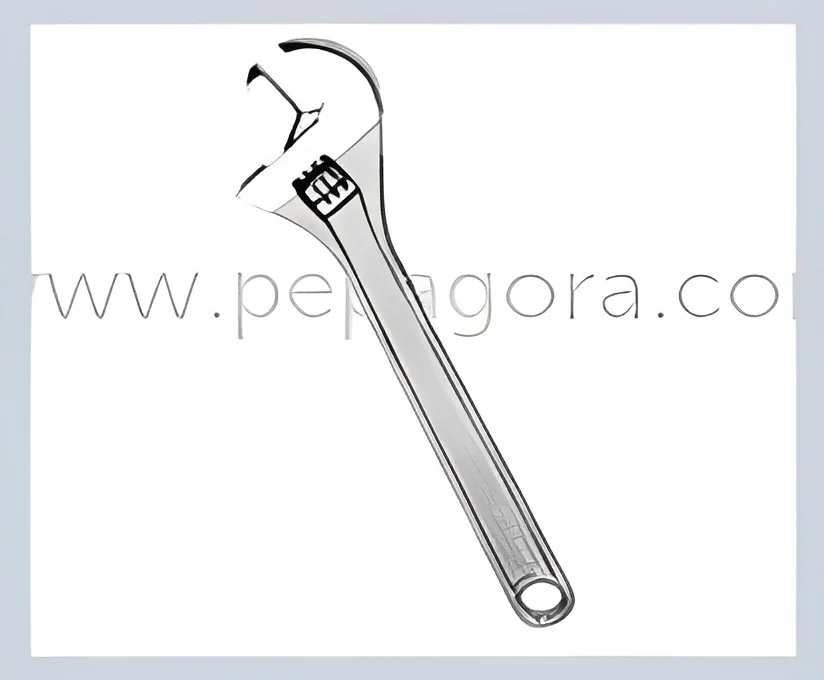
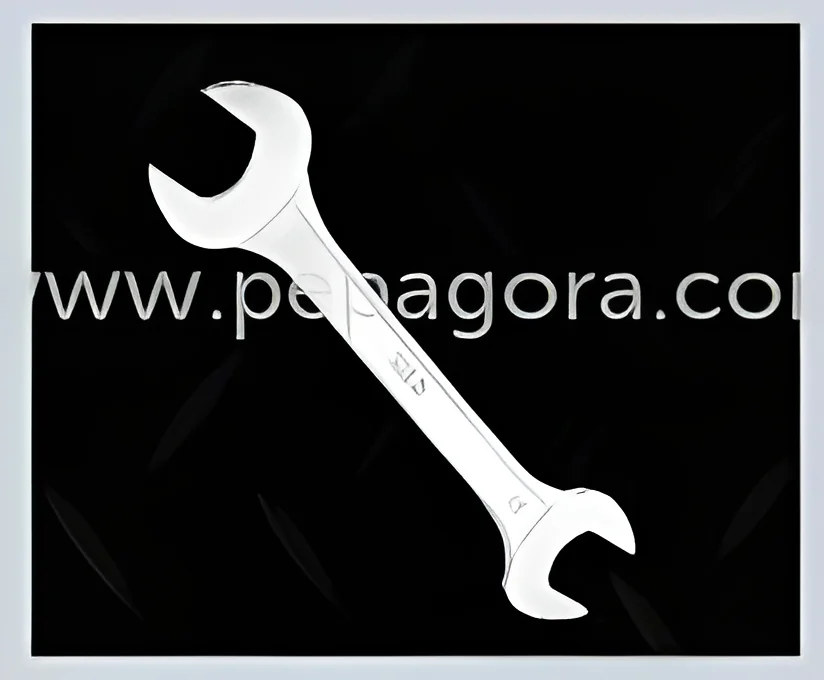
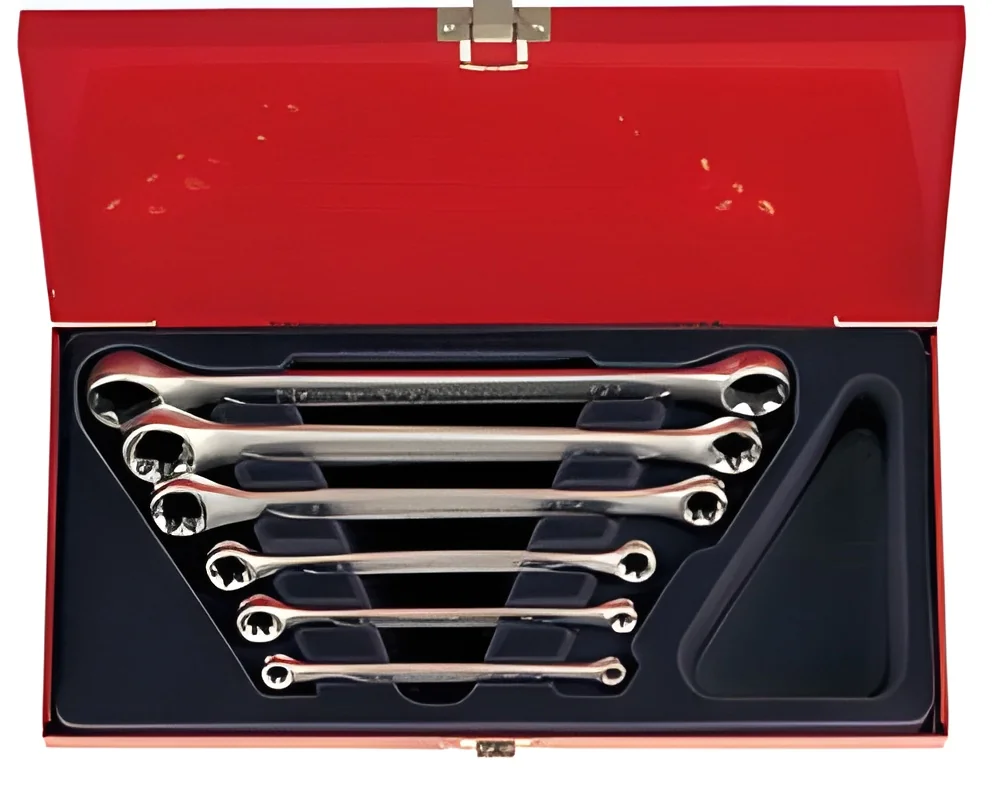
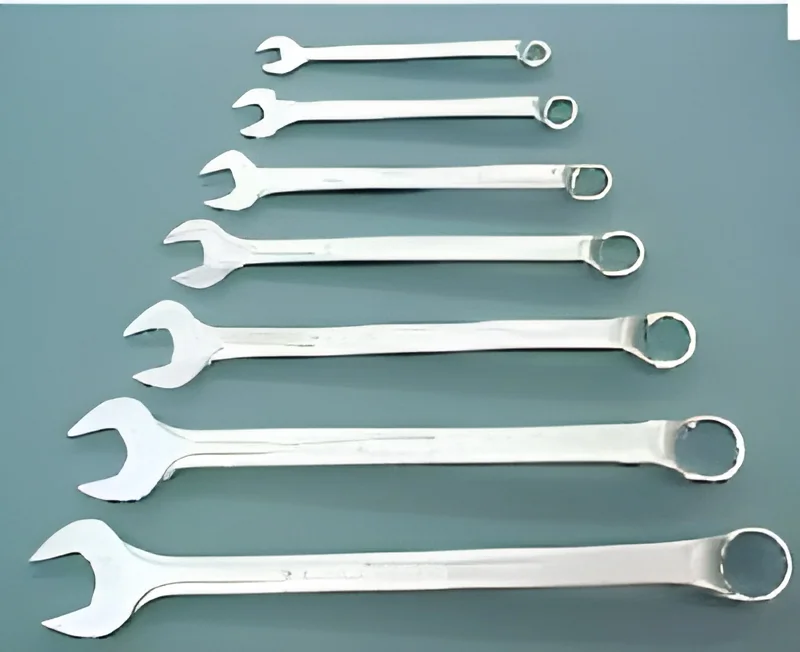
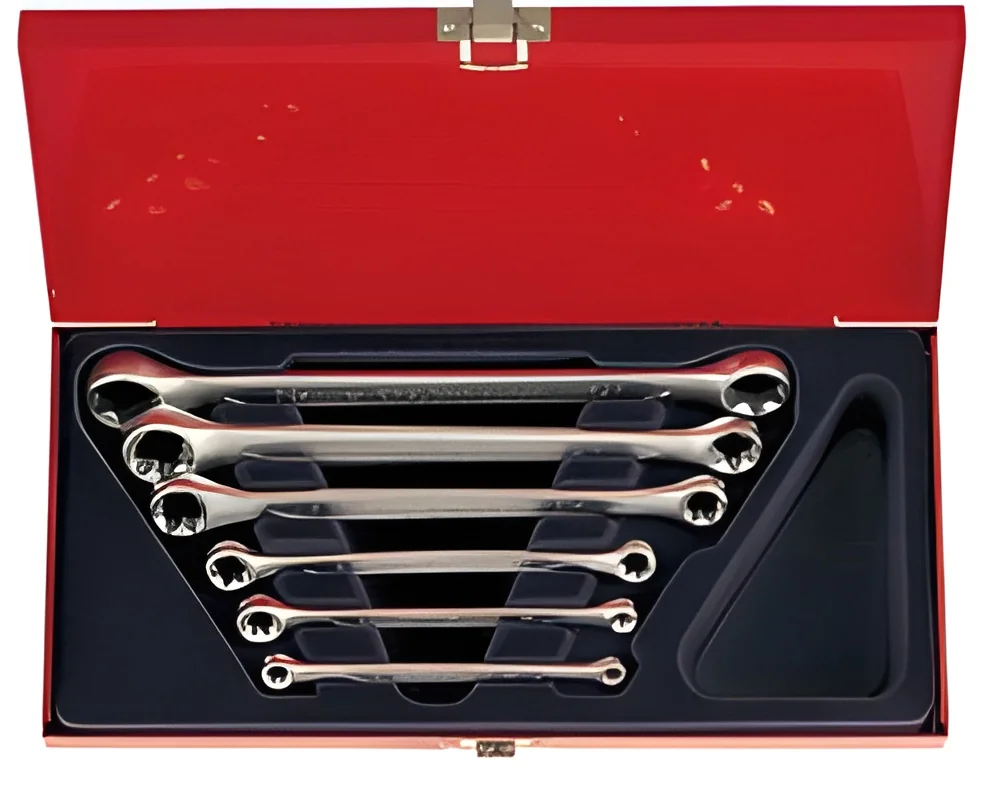
Wrenches come in various types, including adjustable, socket, and combination wrenches. They are designed to grip and turn fasteners effectively, making them suitable for automotive and mechanical applications.
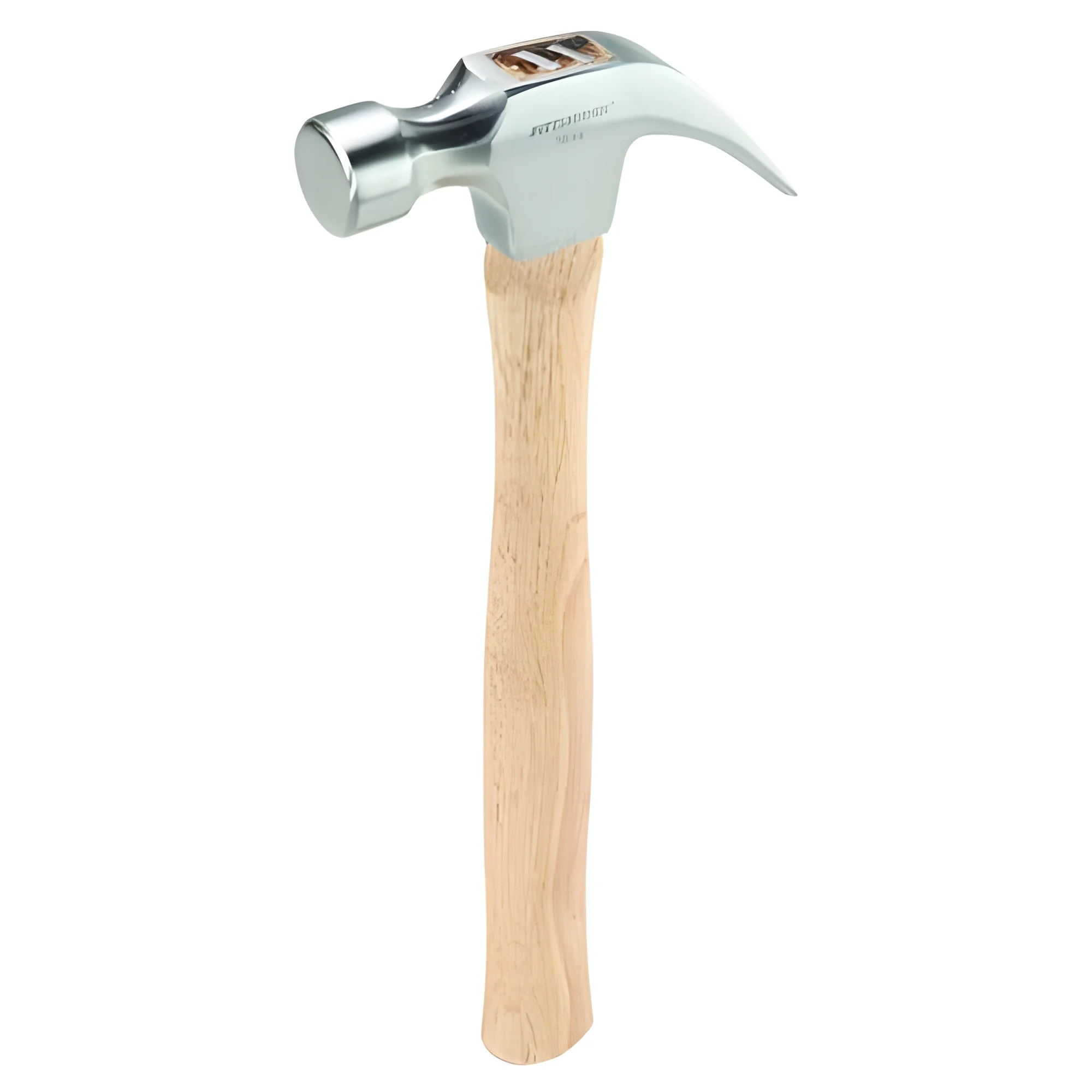
Hammers
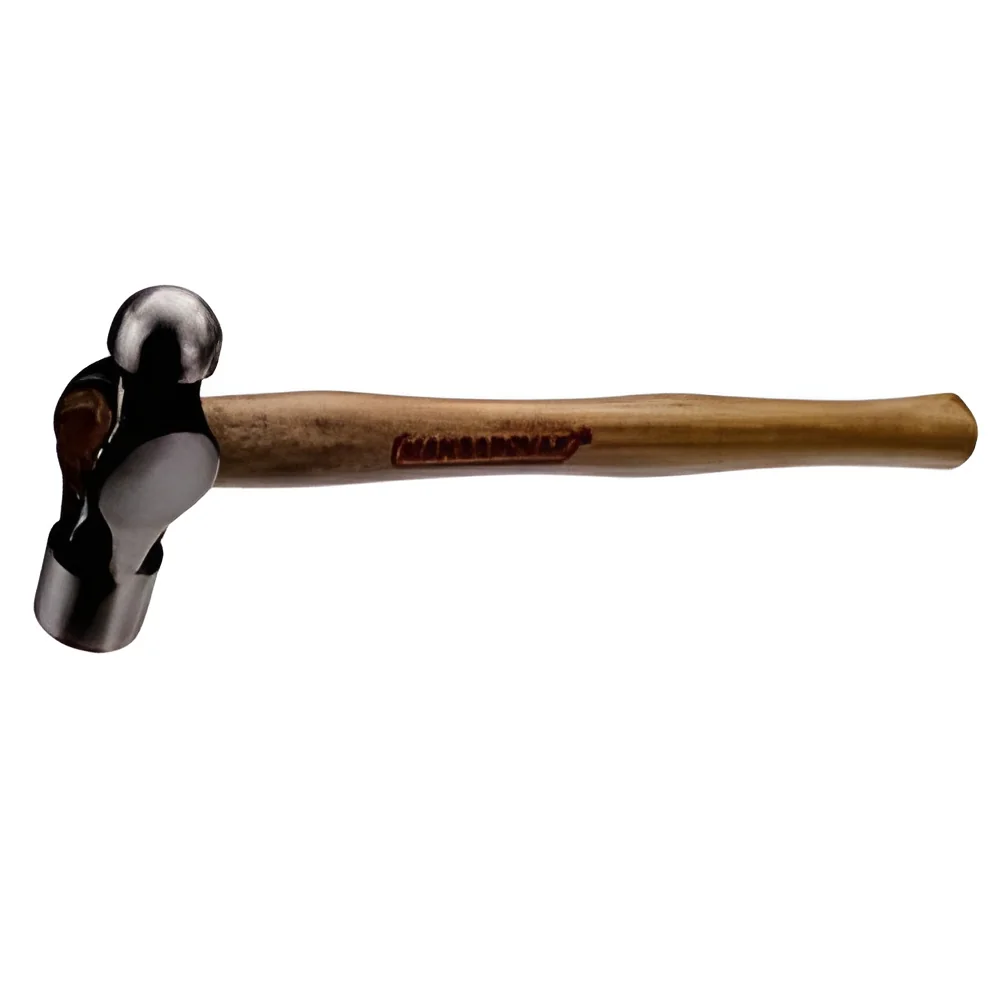
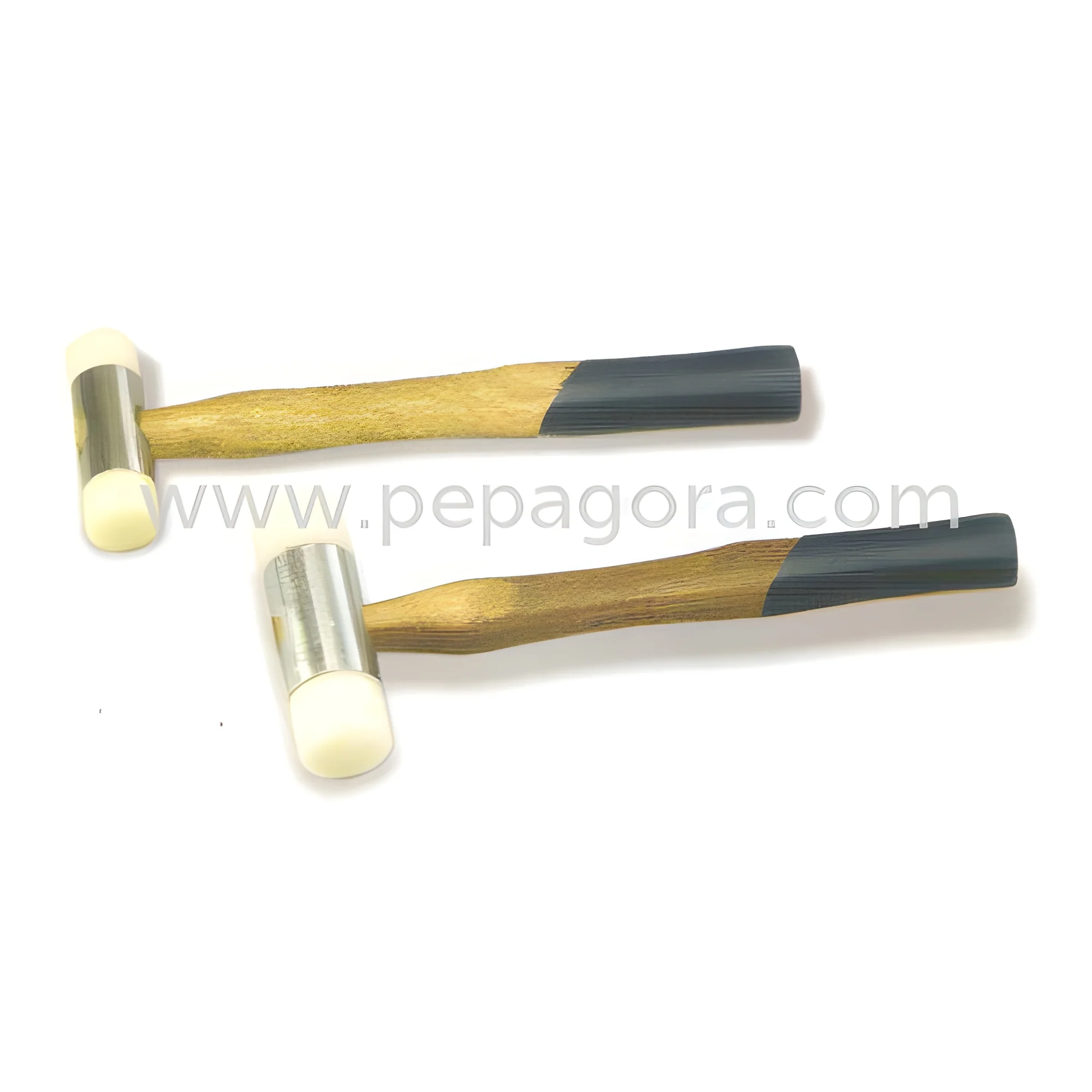
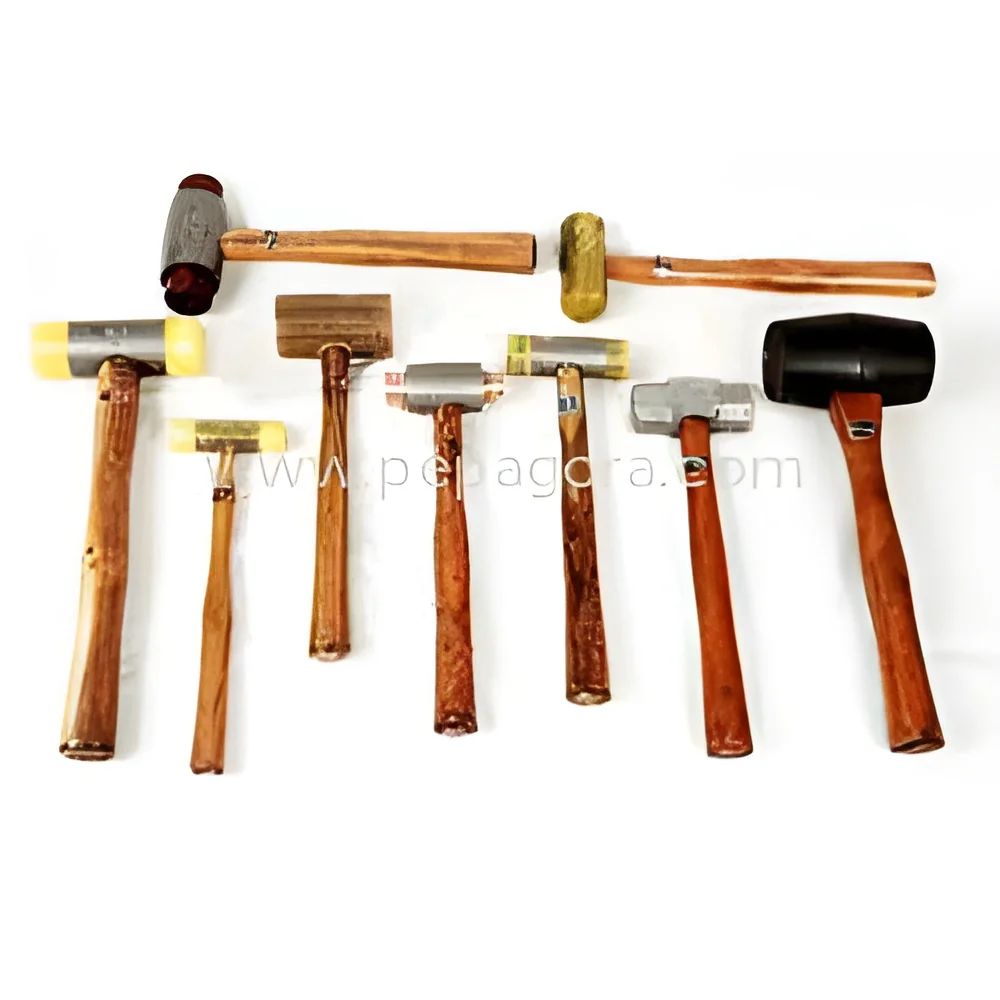
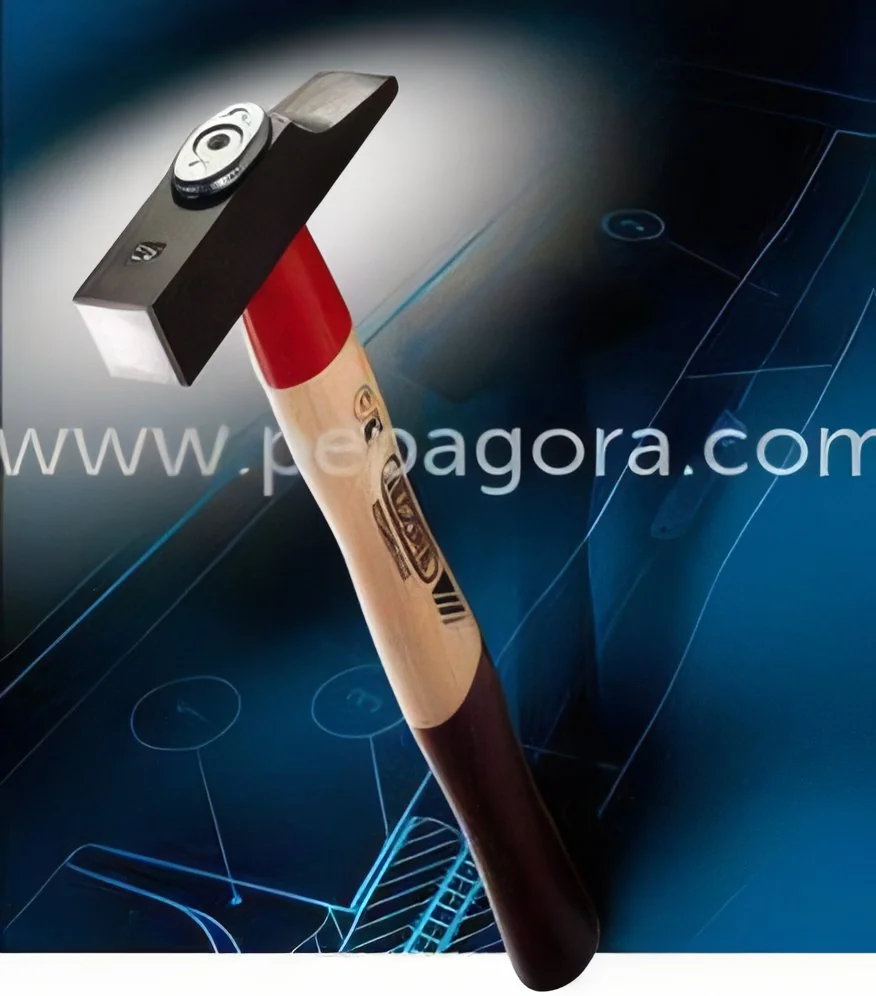
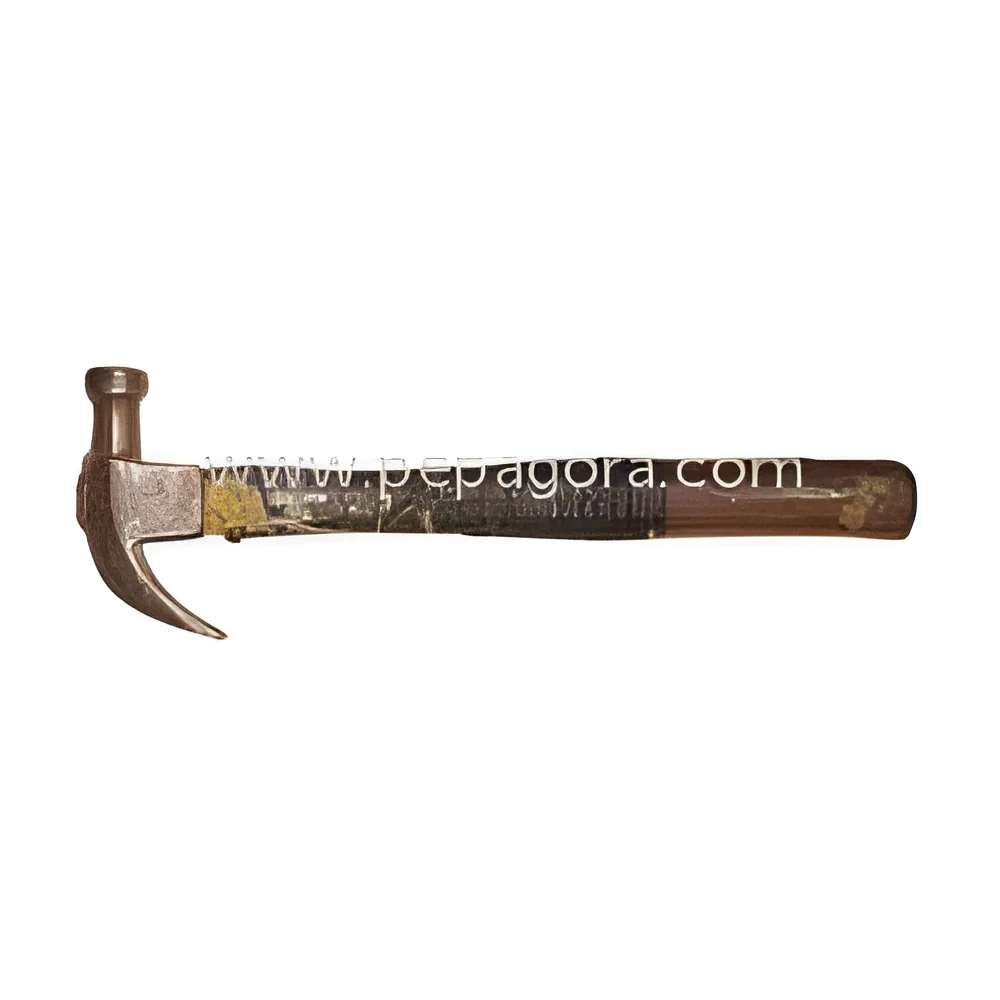
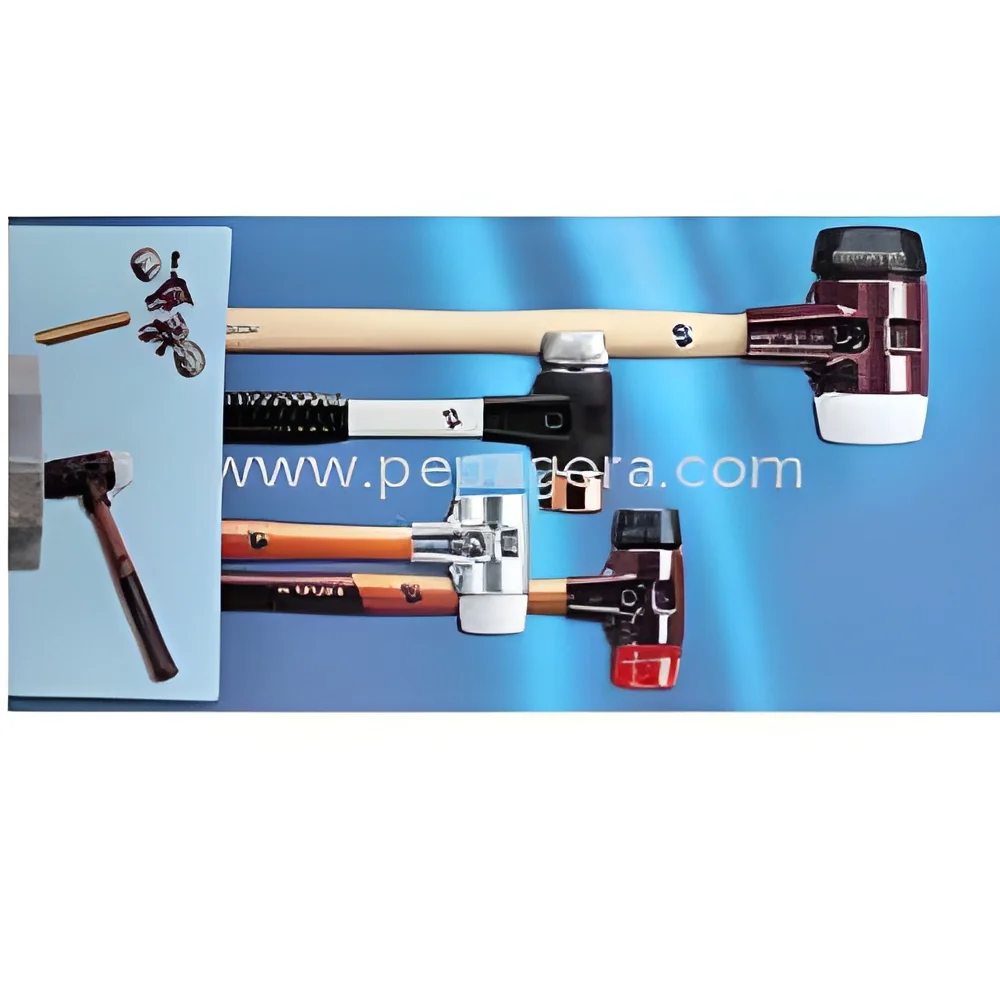
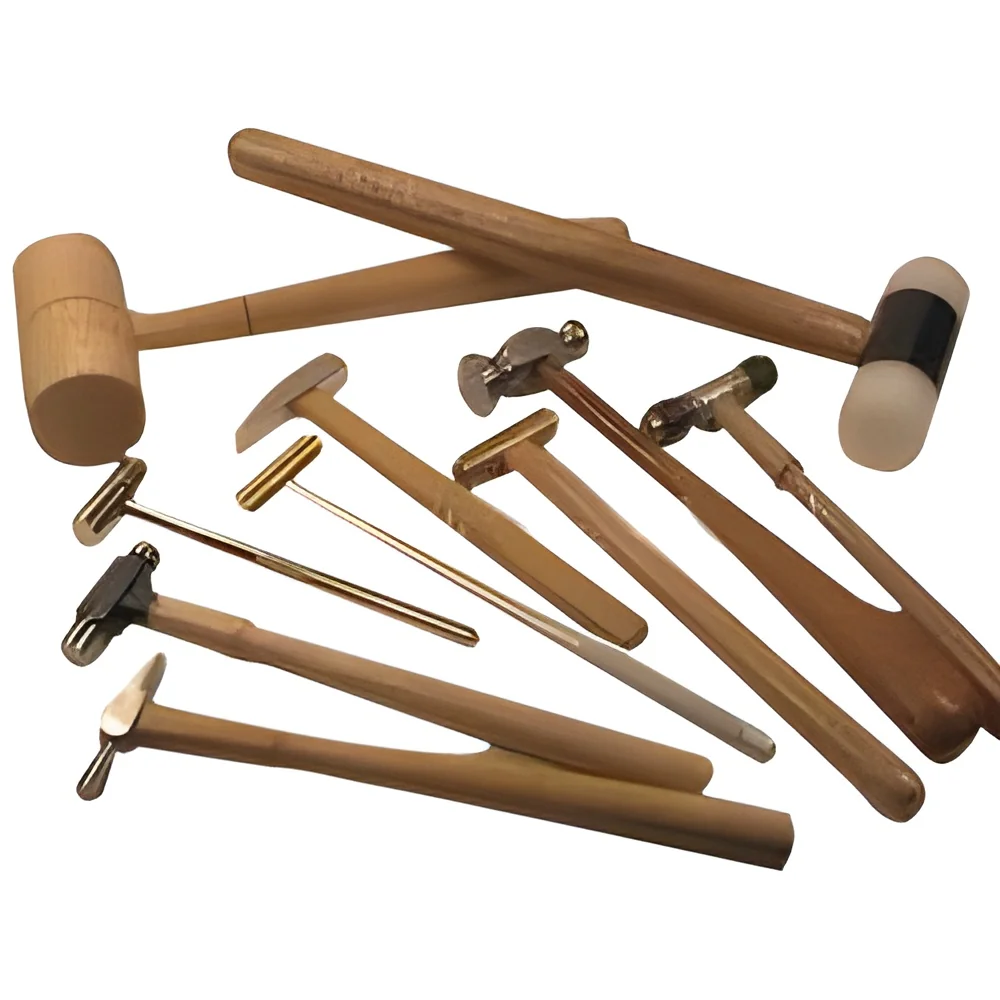
Hammers vary in types such as claw, ball-peen, and sledgehammers. Each type is designed for specific tasks, such as driving nails, shaping metal, or breaking materials.
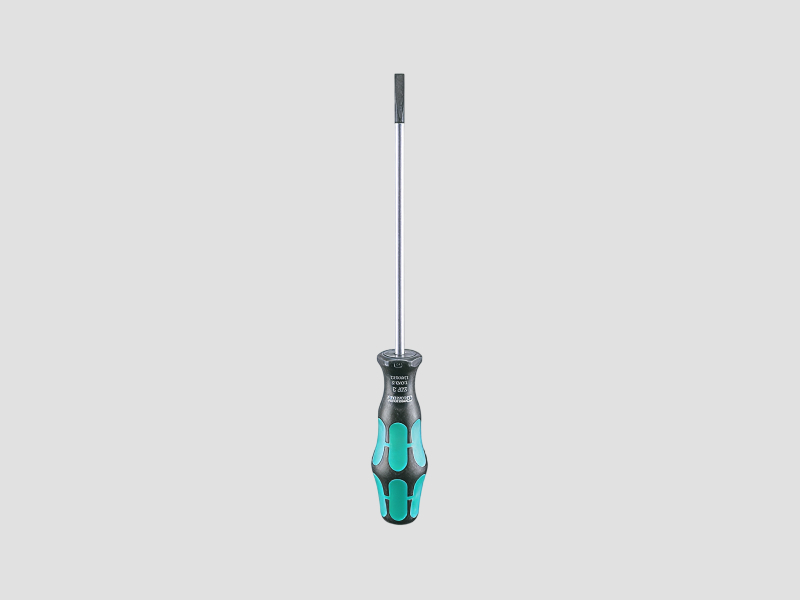
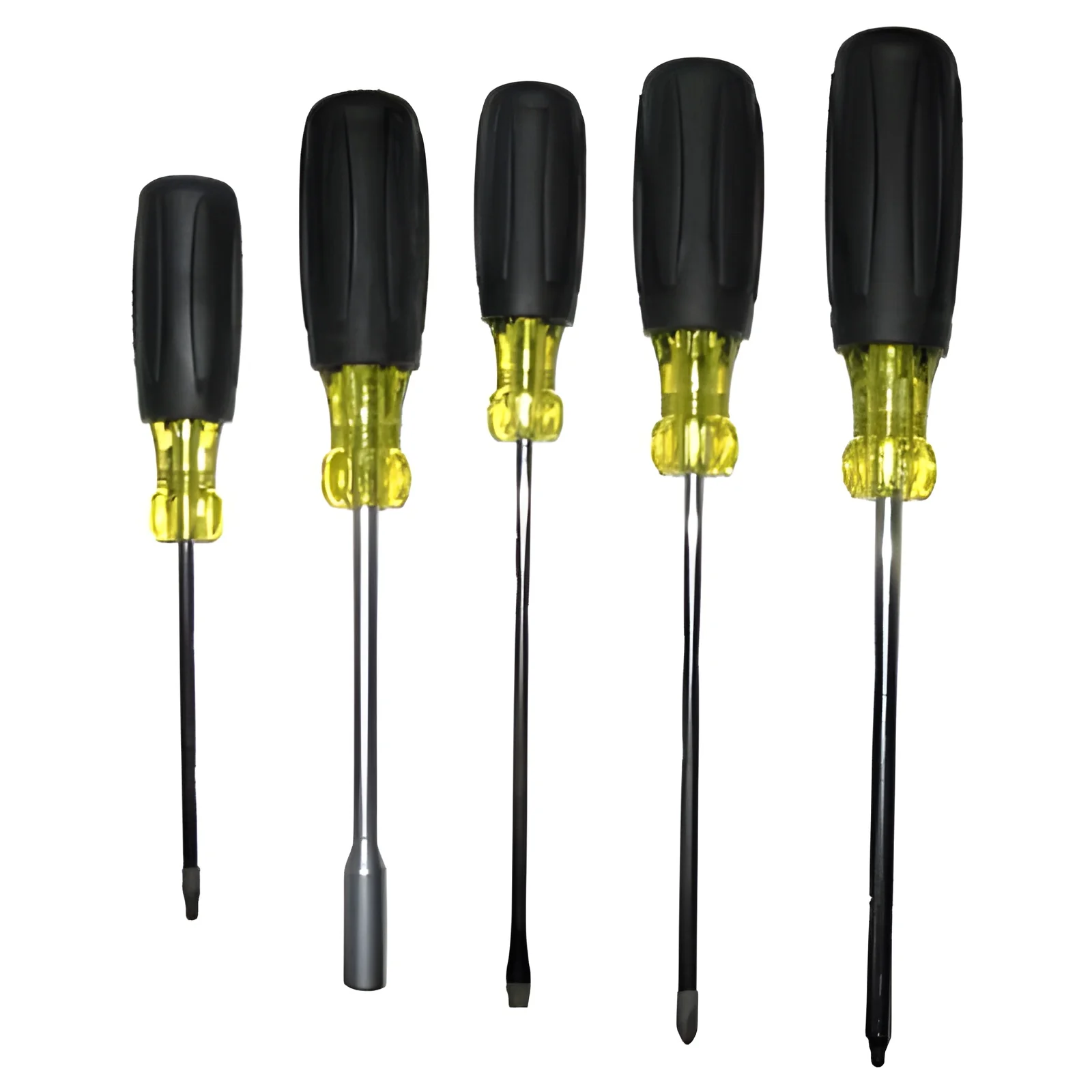
Screwdrivers
Screwdrivers are available in different head types, including flathead, Phillips, and Torx. They are essential for inserting and removing screws in a variety of applications.
𝗕𝗲𝗻𝗲𝗳𝗶𝘁𝘀 𝗮𝗻𝗱 𝗔𝗱𝘃𝗮𝗻𝘁𝗮𝗴𝗲𝘀
Hand tools offer numerous benefits that make them indispensable in various industries.
1. Cost-Effectiveness: Hand tools typically require lower upfront investment compared to power tools. This makes them accessible for small businesses and startups.
2. Portability: Hand tools are lightweight and easy to transport, enabling workers to carry them to different job sites with ease.
3. Ease of Use: Hand tools do not require extensive training to operate. Most workers can quickly learn to use them effectively.
4. Low Maintenance: Hand tools generally require less maintenance than powered equipment. Basic care can prolong their lifespan and effectiveness.
5. Versatility: Hand tools can be used for a wide range of applications across multiple industries, increasing their utility for businesses.
6. Control: Manual operation allows users to exert precise control over their tasks, which is critical in detailed work.
𝗕𝘂𝘆𝗶𝗻𝗴 𝗚𝘂𝗶𝗱𝗲 𝗳𝗼𝗿 𝗕𝟮𝗕 𝗕𝘂𝘆𝗲𝗿𝘀
When sourcing hand tools such as wrenches, hammers, and screwdrivers, B2B buyers should consider several key factors to ensure they make informed choices.
1. Quality Assessment: Evaluate the quality of tools based on material, design, and manufacturer reputation. High-quality tools enhance durability and performance, reducing long-term costs.
2. Supplier Verification: Conduct thorough vetting of suppliers to ensure they have a proven track record. Look for reviews, certifications, and industry experience.
3. Pricing and MOQ: Compare pricing across multiple suppliers while considering the minimum order quantity (MOQ). Pricing can vary based on bulk orders and supplier relationships.
4. Delivery and Lead Times: Assess logistics and delivery schedules. Reliable lead times are crucial for maintaining workflow and meeting project deadlines.
5. Compliance Requirements: Ensure that the tools meet relevant regulatory and safety standards. Compliance is essential for maintaining operational integrity and avoiding liability issues.
𝗖𝗼𝗺𝗽𝗹𝗶𝗮𝗻𝗰𝗲 𝗮𝗻𝗱 𝗖𝗲𝗿𝘁𝗶𝗳𝗶𝗰𝗮𝘁𝗶𝗼𝗻𝘀
Compliance and certifications are vital aspects of hand tools that ensure they meet industry standards for quality and safety. Relevant quality standards such as ISO 9001 emphasize the importance of consistent production and quality management.
Industry certifications like CE indicate that the tools comply with European safety standards. This can enhance product credibility and marketability in regions that prioritize certification.
Safety and testing requirements are crucial for hand tools, particularly in industries where user safety is paramount. Manufacturers must adhere to established guidelines for testing durability, reliability, and performance.
Regional compliance considerations may vary, requiring businesses to understand local regulations. Adhering to these standards not only safeguards users but also protects businesses from potential legal repercussions.
Why Source Hand Tools (Wrenches, Hammers, Screwdrivers) from Pepagora?
Pepagora provides a trusted platform for sourcing hand tools such as wrenches, hammers, and screwdrivers, offering several key advantages that benefit B2B buyers.
Verified Supplier Network: Pepagora features a network of vetted suppliers, ensuring that buyers can connect with reliable manufacturers. This verification process helps mitigate risks associated with sourcing.
Streamlined RFQ Process: The platform offers a user-friendly Request for Quotation (RFQ) process, allowing buyers to easily request quotes from multiple suppliers. This streamlines the procurement process and enhances efficiency.
Trade Assurance and Support: Pepagora provides trade assurance, giving buyers confidence in their purchases. Support services help address any issues that may arise during transactions, ensuring a smooth experience.
Regional Coverage: With a strong presence in India, the GCC, and Southeast Asia, Pepagora ensures that buyers have access to a diverse range of hand tools. This geographic reach allows businesses to source products that meet their specific needs across different markets.

 IN
IN